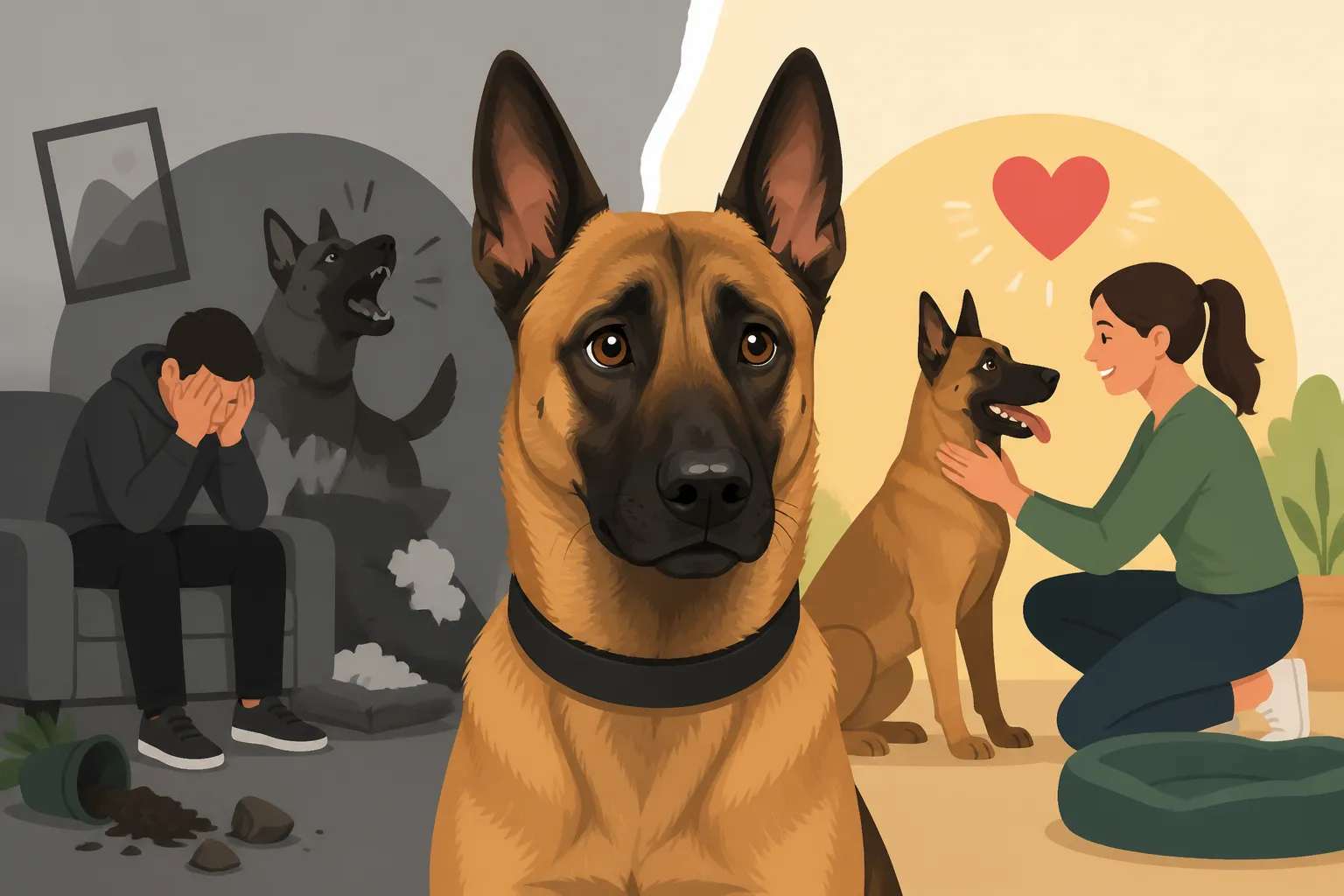
Why So Many Belgian Malinois Are Rehomed
It's a heartbreaking truth, but many Belgian Malinois, dogs with incredible potential and intense loyalty, end up rehomed or in shelters. This isn't usually due to any inherent flaw in the dog, but rather a significant mismatch between their profound needs and the expectations or capabilities of their owners. This guide will delve into the myriad reasons why these magnificent animals often find themselves without a permanent home, shedding light on the challenges and offering insights into what true Malinois ownership entails.
Underestimating the Breed's Relentless Drive and Energy
Perhaps the single biggest reason why Belgian Malinois are rehomed is a severe underestimation of their extreme drive, energy, and mental needs. These aren't your average family pets. They are finely tuned working machines, bred for generations to perform demanding tasks with unwavering focus and boundless stamina. When that drive isn't met, problems inevitably arise.
The True Scope of Their Exercise Requirements
Many people hear "active dog" and think a daily walk or a romp in the backyard will suffice. For a Belgian Malinois, that's just a warm-up, a mere blip in their day. They are an endurance breed, capable of working for hours on end without tiring. Imagine a high-performance sports car, and then imagine trying to drive it only in your neighborhood at 15 mph. That's what a Malinois feels like with inadequate exercise. They need structured, high-intensity physical output, not just casual strolls. Without it, that pent-up energy has to go somewhere, and it often manifests as destructive behaviors, frantic pacing, or obsessive habits. The Two Hours and a Job a Belgian Malinois Demands Daily isn't just a suggestion; it's a bare minimum.
Owners often find themselves exhausted, realizing too late that their lifestyle simply cannot accommodate a dog that needs to run, sprint, jump, and climb for significant portions of the day. A fenced yard, while helpful, is not a substitute for engaging activity. These dogs need a job, not just a space. Without proper outlets, they can become a whirlwind of chaos, chewing through furniture, digging crater-sized holes, and generally making life incredibly difficult for their owners.
The Unending Demand for Mental Stimulation
Beyond physical exercise, the Belgian Malinois possesses an incredibly intelligent and active mind that constantly seeks engagement. If their brain isn't challenged, they become bored, and a bored Malinois is a destructive Malinois. They are problem-solvers by nature, and if you don't give them appropriate problems to solve, they'll invent their own – and you probably won't like the solutions.
This isn't just about puzzle toys, though those can be part of it. It's about ongoing training, learning new skills, participating in dog sports like IGP, obedience, agility, or even scent work. They thrive on having a purpose, a task to complete. Think about a Malinois whose ancestors were police dogs or military K9s; they inherited that need for complex work. Expecting them to be content with just "being a dog" in a typical household is like asking a rocket scientist to spend their days finger-painting. This profound mental engagement is crucial for their well-being and for the owner's sanity. Without it, you'll see behaviors like excessive barking, resource guarding, or even neurotic pacing because their brilliant minds are simply underemployed.
The Steep Learning Curve of Training and Socialization
Many new Malinois owners come from backgrounds with easier-to-manage breeds, and they are simply unprepared for the intensity and specificity required in training a Belgian Malinois. These dogs are not forgiving of inconsistency or a lack of clear leadership.
The Infamous "Shark Phase" and Lack of Bite Inhibition
Malinois puppies are notorious for their intense biting phase, often dubbed the "shark phase." They explore the world with their mouths, and those needle-sharp puppy teeth can feel like a thousand tiny razors. This isn't aggression; it's natural puppy behavior, but with the Malinois's inherent drive and mouthiness, it can be amplified to an overwhelming degree. New owners, especially those with children, can quickly become terrified or frustrated.
What often happens is that owners don't know how to properly redirect this behavior or teach bite inhibition. They might punish the puppy, which can create fear and potentially lead to real aggression down the line, or they might simply give up, overwhelmed by the constant nipping and gnawing. Teaching a Malinois puppy appropriate chew items, consistently redirecting their bites to toys, and understanding when to disengage is crucial. If this isn't handled correctly, a young Malinois can develop poor bite manners, which becomes a serious issue as they grow stronger. The Shark Phase Every Malinois Puppy Goes Through is a challenge, but one that can be navigated with patience and the right techniques.
The Critical Importance of Early, Structured Socialization
Socialization for a Belgian Malinois isn't just about letting them meet other dogs at the dog park. In fact, for many Malinois, dog parks can be detrimental, fostering reactivity or unhealthy play habits. Proper socialization is a carefully curated process of positive exposure to a wide variety of sights, sounds, people, and environments in a controlled, safe manner. It's about building confidence and neutrality, teaching them how to exist calmly in the world without being overly reactive or fearful.
Without this careful, ongoing socialization, a Malinois can easily become anxious, fearful, or reactive towards strangers, other dogs, or novel situations. Their protective instincts, combined with a lack of early positive experiences, can lead to guarding behaviors, leash reactivity, or even aggression, making them difficult to manage in public and a liability in many homes. Owners who don't understand the nuances of this process often end up with a dog that is a handful in every social setting, leading to isolation for both the dog and the owner, and eventually, rehoming. Socializing a Belgian Malinois Puppy Safely is a cornerstone of responsible ownership, not an optional extra.
Unrealistic Expectations About Temperament and Lifestyle Fit
Many people are drawn to the Belgian Malinois after seeing them perform incredible feats in movies, on social media, or in professional working roles. They see the strength, intelligence, and intensity, but fail to grasp how that translates into daily life.
The "Family Pet" Versus the "Working Dog" Mindset
The core of the issue often lies in viewing a Malinois as just another breed that can fit into a typical family pet role. They are not bred to be couch potatoes, nor are they typically content to be left alone for long hours while their owners are at work. They thrive on interaction, purpose, and a strong bond with their handler. When owners expect a Malinois to be a relaxed companion who only needs a walk and a cuddle, they are setting both themselves and the dog up for failure.
This breed needs a job, and if you don't provide one, they will find their own, often to your detriment. An "unemployed" Malinois might chew through drywall, bark incessantly, or develop obsessive behaviors like spinning or tail-chasing. What Happens to an Unemployed Belgian Malinois is not pretty – it's often a tale of destruction and frustration. They are incredibly sensitive to their handler's emotions and body language, and their "on" switch is almost always engaged, making downtime a learned skill, not an inherent trait. This is a dog that demands a relationship more akin to a partnership than a traditional pet-owner dynamic.
Compatibility with Children and Other Household Animals
One of the most sensitive areas where rehoming often occurs is when a Malinois is introduced into or living with a family that has small children or other pets. While individual temperaments vary, Malinois possess strong herding instincts and a high prey drive. This means they might instinctively try to "herd" children by nipping at their heels or reacting strongly to fast movements and high-pitched noises. Their sheer physical power, even in play, can accidentally injure a small child.
Similarly, their high prey drive can make living with cats, small dogs, or other small animals a constant challenge, or even dangerous. While some Malinois are raised successfully with other animals, it requires immense vigilance, training, and management from day one. Owners who bring a Malinois into a multi-pet or child-filled household without fully understanding these instincts often find themselves in impossible situations, leading to the difficult decision to rehome. A Belgian Malinois in a House With Kids and Dogs requires careful consideration and management. It's not a breed for every family dynamic, and acknowledging that upfront can prevent a lot of heartache.
The Significant Financial and Time Commitment
Owning a Belgian Malinois isn't just a commitment of love; it's a massive investment of time and money that many people simply don't anticipate. The costs extend far beyond the initial purchase price, and the daily time demands are relentless.
Unexpected Vet Bills and Ongoing Care
While generally a healthy breed, Malinois are prone to certain health issues, and their active lifestyles can lead to injuries. Joint issues like hip and elbow dysplasia, eye conditions like pannus, and even genetic seizure disorders can necessitate expensive veterinary care. A dog that is constantly jumping, running, and working hard is also more susceptible to torn ligaments, pad injuries, or broken teeth from bite work.
Beyond potential emergencies, there are the routine costs of a high-energy dog. They eat a lot of premium performance food to fuel their activity. Regular vet check-ups, vaccinations, and parasite prevention are essential. If you want to keep their teeth healthy after all that tugging and biting, a good quality dental chew from a brand like Chewy can help, but they might still need professional cleanings. What a Year With a Working Belgian Malinois Costs can easily run into thousands of dollars, a figure that shocks many unprepared owners. This financial strain, especially when coupled with behavioral issues, can become a breaking point.
The Endless Time Sink of Training, Exercise, and Engagement
Beyond the money, the sheer amount of time a Belgian Malinois demands is staggering. This isn't a dog you can leave in the backyard all day or just take out for a quick potty break. They require dedicated hours every single day for structured exercise, training sessions, and mental enrichment. This means committing to activities like long runs, bikejoring, extensive scent work, or weekly club training for sports like IGP or French Ring.
Owners quickly realize that their free time evaporates. Weekends become dedicated to dog activities, and even weekdays revolve around ensuring the Malinois's needs are met. If you have a busy job, a demanding family life, or simply enjoy a more relaxed pace, a Malinois can feel like a relentless obligation rather than a beloved companion. The Handler Experience a Belgian Malinois Needs isn't just about skill; it's about the hours you're willing to pour into them, day after day, for their entire lives. This constant time commitment is a major factor in owners feeling overwhelmed and eventually seeking to rehome.
The Impact of Life Changes on Malinois Ownership
Life happens, and sometimes even the most well-intentioned owners find themselves in situations where they can no longer adequately care for their Belgian Malinois. The breed's unique needs make them particularly vulnerable when life takes an unexpected turn.
Housing Restrictions and Mobility Issues
A common reason for rehoming is when owners have to move. Many rental properties, HOAs, or even cities have breed-specific legislation or insurance restrictions that either outright ban Belgian Malinois or make it incredibly difficult and expensive to own them. Their reputation, unfortunately, precedes them in many areas. Finding suitable housing that allows a Malinois can be a monumental challenge, especially in a tight rental market.
Furthermore, a Malinois requires a decent amount of space, ideally with a secure outdoor area for training and exercise. Moving from a house with a yard to an apartment, for example, can be incredibly difficult for a high-drive dog and its owner. While some Malinois can adapt to apartment living with extreme owner commitment to daily outings, it's far from ideal and places an immense burden on the owner. Whether a Belgian Malinois Can Live in an Apartment is a complex question, usually answered with "only under very specific, demanding circumstances."
Changes in Owner's Health, Work, or Family Situation
Life is unpredictable. An owner might face a serious health crisis, a sudden job loss, or a significant change in work hours that dramatically reduces their ability to provide the necessary exercise and training. A new baby or a change in relationship status can also shift priorities and available time. While many owners strive to integrate their Malinois into these new phases of life, the sheer intensity of the breed often means that even a small reduction in care can lead to a cascade of behavioral problems.
When an owner can no longer physically keep up with their Malinois, or their financial situation tightens to the point where they can't afford quality food, training, or vet care, rehoming often becomes the last resort. It's a heartbreaking decision made when the owner realizes they can no longer meet the dog's profound needs.
Why Rescues Are Overwhelmed with Malinois
It's a sad reality that Belgian Malinois rescues and shelters are consistently inundated with dogs of this breed. Many of these dogs are still young, often under two years old, when they are relinquished. This points directly to the issues discussed above: owners realizing, usually too late, that they are in over their heads.
The Unprepared Owner's Journey
The journey often starts with an adorable, high-energy puppy that quickly grows into an unstoppable force. The owner, seduced by the breed's impressive image or a lack of research, is simply not equipped for the reality. They struggle with the puppy biting, the endless energy, the incessant demands for attention and work. They might try a few basic obedience classes, but fail to grasp the consistent, high-level training a Malinois truly needs.
As the dog enters adolescence – a notoriously challenging period for any breed, but amplified tenfold in a Malinois – behavioral issues escalate. The dog might become destructive, reactive, or simply too much to handle. The owner's frustration mounts, their home is being destroyed, and their life is consumed by trying to manage a dog they don't understand. Often, this is the point where they reach out to a rescue, hoping someone else can provide the specialized care the dog needs. Why Most Belgian Malinois Owners Underestimate the Breed is a cycle that keeps rescues busy.
The Role of Responsible Breeding and Education
This ongoing issue also highlights the critical importance of responsible breeding practices and comprehensive owner education. Ethical breeders spend significant time vetting potential owners, ensuring they understand the breed's demands, and providing ongoing support. They understand that placing a Malinois in the wrong home is a disservice to both the dog and the family.
Unfortunately, not all breeders are so diligent, and impulse buys or purchases from less-than-reputable sources contribute to the problem. The media's portrayal of Malinois as superheroes also doesn't help, painting an incomplete picture that downplays the immense commitment involved. Organizations like Chewy and reputable breed clubs often try to bridge this knowledge gap, but the allure of a powerful, intelligent dog can often override practical considerations for many.
It’s crucial for anyone considering a Belgian Malinois to undertake extensive research, speak with experienced owners and trainers, and be brutally honest with themselves about their lifestyle, experience, and commitment. If you are not prepared to dedicate years of your life to their physical and mental fulfillment, a Malinois is not the right choice, and understanding that upfront can save a dog from the heartbreaking journey into the rescue system.
| Reason for Rehoming | Common Owner Expectation | Reality of Malinois Ownership |
|---|---|---|
| High Energy/Exercise Needs | Daily walk, backyard play, occasional hike. | Minimum 2+ hours intense, structured work; needs a "job." |
| Mental Stimulation | Puzzle toys, basic obedience commands. | Constant training, complex tasks, dog sports; needs a challenging purpose. |
| Training & Socialization | Puppy classes, casual exposure to other dogs/people. | Consistent, structured, advanced training; curated, vigilant socialization. |
| Temperament/Family Fit | Loyal, protective, cuddly family pet. | Intense, sensitive, high prey drive, strong herding instincts; more a partner than a pet. |
| Time Commitment | An hour or two a day, similar to other dogs. | Dedicates entire lifestyle to dog's needs; relentless daily demands. |
| Financial Commitment | Standard dog food, routine vet care. | Premium performance food, higher vet bills (injuries/genetic issues), professional training, specialized equipment. |
| Housing | Standard dog-friendly housing. | Often breed-restricted, requires secure yard, dedicated space for activity. |
Disclaimer
This article is for general informational purposes only and does not constitute professional advice. Laws, prices and regulations vary by location and change over time. Consult a qualified professional for guidance on your specific situation.