Whether Working Malinois Are Smaller Than Show Ones
It's a common observation among folks passionate about Belgian Malinois: you'll often hear discussions about whether the working line dogs seem to carry a different build, perhaps appearing smaller or leaner, compared to their show line counterparts. This isn't just casual chatter; it's a genuine point of curiosity for many considering the breed, who are trying to understand the physical nuances that come with different breeding priorities. This guide will delve into the official breed standards and the practical realities that influence the perceived and actual size differences between working and show line Belgian Malinois.
Understanding the Belgian Malinois Lineage and Purpose
Before we dive into size specifics, it’s crucial to understand that the Belgian Malinois, while a single breed, has seen a divergence in breeding philosophies over the decades. Originally, the Malinois was bred as a utilitarian herding dog in Belgium, valued for its intelligence, work ethic, and adaptability. These dogs were farmhands, protectors, and companions, built for endurance and function. The Herding Job the Belgian Malinois Was Built For is a great resource if you want to dig deeper into their historical roles.
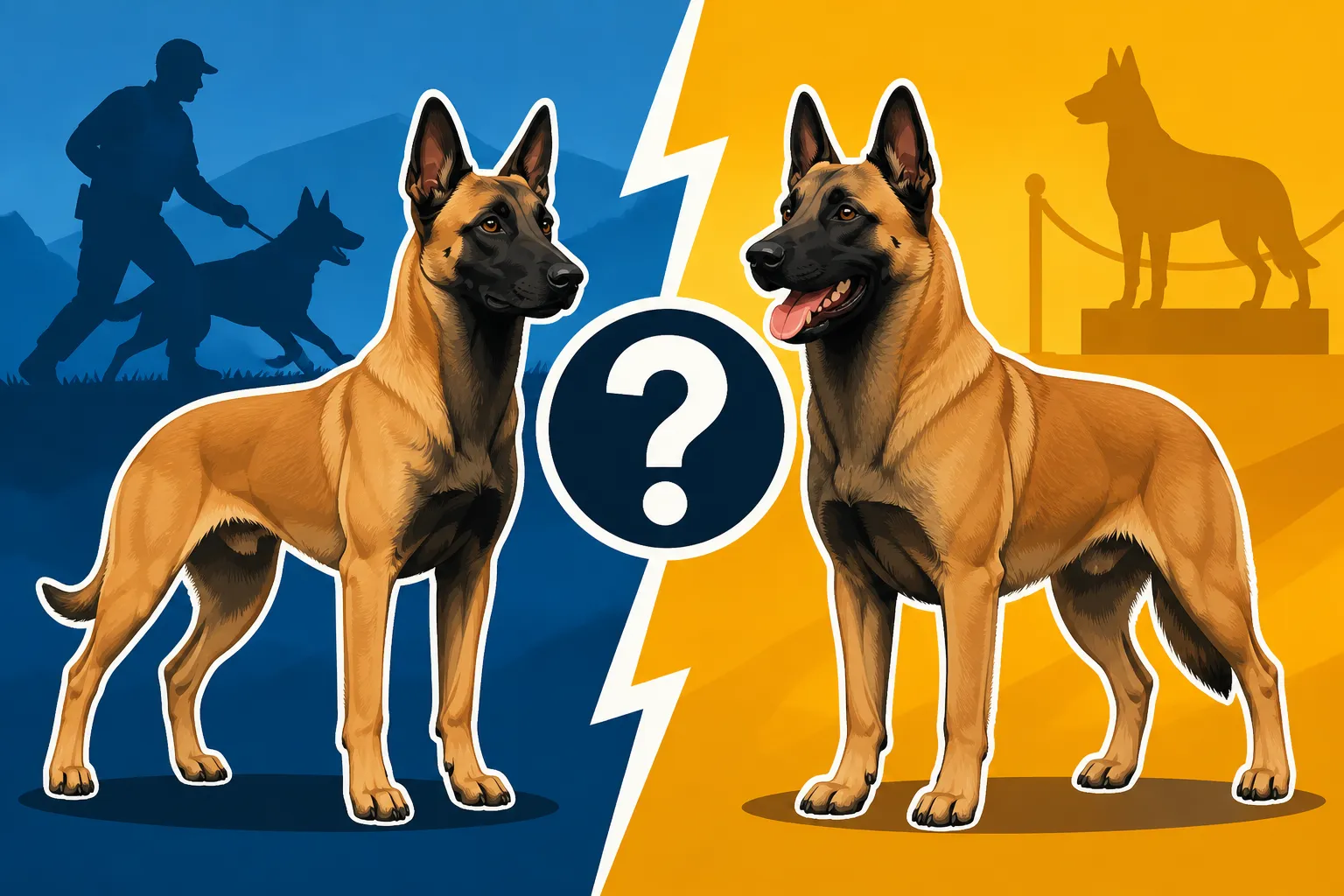
As the breed gained popularity globally, particularly in North America, two primary breeding paths emerged: the working line and the show line. The working lines, often favored by police, military, and protection sport enthusiasts, prioritize traits like intense drive, nerve, courage, and extreme athleticism. Their focus is unequivocally on performance. On the other hand, show lines, while still valuing intelligence and temperament, often place a higher emphasis on conformation to a specific written breed standard, focusing on aesthetics and movement that perform well in a show ring. This divergence, while not creating two separate breeds, certainly influences the physical characteristics selected for and ultimately seen in the dogs.
Size Standards: The Official Blueprint
The breed standard for the Belgian Malinois, whether you're looking at the American Kennel Club (AKC) or the Fédération Cynologique Internationale (FCI) standard, provides a blueprint for the ideal dog. These standards dictate everything from ear set and coat color to, yes, height and weight. For the Malinois, the standards emphasize a dog that is sturdy, agile, and well-muscled, without being bulky.
What the Breed Standards Mandate
Let's look at the typical ranges. The AKC standard, for instance, specifies a height of 24-26 inches for males and 22-24 inches for females, measured at the highest point of the withers. Weight is often described as proportional to height, generally ranging from 60-80 pounds for males and 40-60 pounds for females. These are average ranges, and individual dogs can fall slightly outside them while still being considered within type. The Height Limits a Belgian Malinois Is Judged Against details these figures precisely. The standard seeks a balanced dog, not one that is overly heavy or excessively light, but one that possesses the athletic frame necessary for its original herding duties and subsequent working roles. It's about having a lean, powerful physique.
Consistency Across Lines in Theory
In theory, both working and show lines should conform to these same breed standards. A judge in a conformation ring or a reputable breeder aiming for show titles will be looking for a dog that fits this description. Similarly, a working line breeder, even while prioritizing drive, will still aim for a dog that is structurally sound and falls within the generally accepted size parameters, as extreme deviations could hinder performance. A dog that is too large might be less agile, while one that is too small might lack the necessary power or presence for certain tasks. The Square Outline a Belgian Malinois Should Have is also a key aspect of their conformation, contributing to their balanced appearance.
The expectation is that a well-bred Malinois, regardless of its line, should be instantly recognizable as such, with the characteristic lean body, upright ears, and alert expression. The challenge comes in the interpretation and prioritization of these standards by different breeders and the environments in which these dogs are raised and conditioned.
The Reality of Working Line vs. Show Line Size
Here's where the common perception often holds some truth. While both lines operate under the same written standards, the practical application and selective pressures can lead to subtle, and sometimes not-so-subtle, differences in size and build.
Leaner and More Compact Working Dogs
Many people who have experience with both types of Malinois will tell you that working line dogs often appear leaner, more compact, and perhaps even slightly smaller than their show-bred counterparts. This isn't necessarily because they are genetically coded to be below the standard, but rather due to a combination of factors:
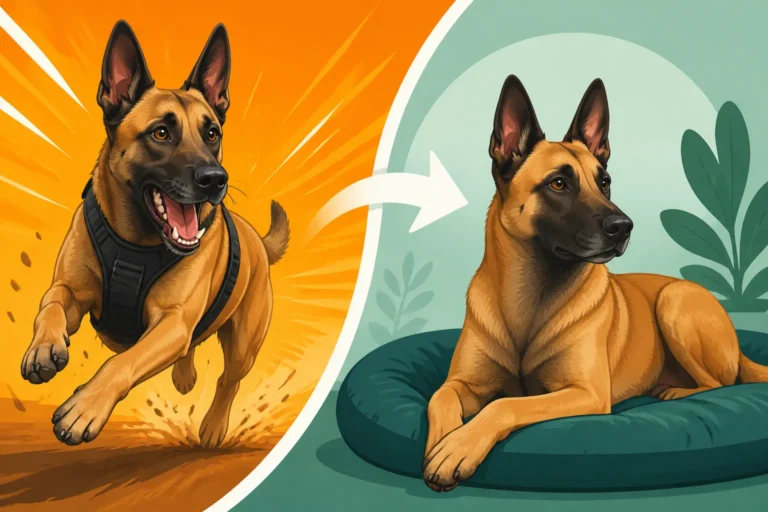
- Intense Conditioning: Working line Malinois are typically in peak athletic condition. They train relentlessly, often for hours a day, in disciplines like protection sports, detection work, or police patrol. This high level of physical activity keeps them incredibly lean and well-muscled, with very little excess body fat. Their muscle mass is dense and functional, optimized for explosive power and sustained endurance. This kind of conditioning naturally makes them look "harder" and more trim. You might see a male working line Malinois at the lower end of the 60-80 pound range, but every ounce is muscle.
- Selection for Agility and Speed: In working disciplines, agility, speed, and maneuverability are paramount. A dog that is slightly lighter or more streamlined might have an edge in quick turns, jumps, or long pursuits. Breeders of working lines often select for these traits, subtly favoring dogs with a more athletic, perhaps less "heavy-boned" build, as long as it doesn't compromise structural integrity. This is often the case with dogs bred for KNPV or IGP, where intense, fast-paced work is the norm.
- Functional Movement: The focus in working lines is on efficient, powerful movement. While show lines also value good movement, the criteria can sometimes lead to a slightly different emphasis. A working dog needs to cover ground quickly and turn on a dime, often with explosive force, whereas a show dog needs to move with grace and reach/drive that is aesthetically pleasing in a large ring. These different functional requirements can, over generations, influence the subtle differences in overall size and build.
Show Dogs: Conformation and Presence
Show line Malinois, while also athletic, might often appear to be slightly larger or more substantial. Again, this isn't a hard and fast rule, but a general observation for a few reasons:
- Emphasis on Bone and Substance: In the conformation ring, judges are looking for a dog that fits the breed standard in terms of overall balance, head type, and substance. Some show lines might emphasize slightly heavier bone or a more substantial body to convey a powerful "presence" in the ring, as long as it doesn't compromise agility or type. This doesn't mean they are overweight, but perhaps they carry a bit more overall mass within the standard.
- Less Extreme Conditioning: While show dogs are certainly conditioned, their training regimen typically doesn't involve the same continuous, high-intensity physical output as a working dog. They need to be fit and healthy, but they might not be stripped down to the same level of lean muscle as a police K9. This can lead to a slightly softer, albeit still fit, appearance.
- Variety in Interpretation: The breed standard allows for a range of acceptable sizes. Some show breeders might lean towards the upper end of the height and weight scale (e.g., a male Malinois closer to 80 pounds and 26 inches) while still being within the standard, believing it gives their dogs a more commanding presence in the ring. The Sixty to Eighty Pounds a Male Malinois Carries and The Twenty Two to Twenty Four Inch Female Malinois outline these ranges, and you'll find variations within them in both lines.
It's really about the nuance. A working Malinois might feel like a compact coil of springs and steel, whereas a show Malinois might feel like a powerful, well-formed sculpture. Both are legitimate expressions of the breed, just with different priorities guiding their development. For a deeper dive into these differences, consider reading Working Malinois Against Show Malinois.
Factors Influencing Malinois Size Beyond Lineage
Beyond the general trends in working and show lines, several other crucial factors play a significant role in determining the final size and build of an individual Belgian Malinois.
Genetics: The Blueprint from Parents
The most fundamental determinant of a Malinois's size is, of course, genetics. A puppy inherits its potential for height, bone structure, and even propensity for muscle mass from its parents. Even within working lines, there will be variations, just as there will be within show lines. A smaller sire and dam are likely to produce smaller offspring, and vice-versa. This is why reputable breeders focus on health clearances and understanding the lineage of their breeding stock. Responsible breeders will consider not just individual parents, but several generations back, to predict the genetic potential for size, health, and temperament. They want to ensure their puppies grow to be healthy, well-proportioned adults within the breed standard.
Nutrition: Fueling Growth and Development
Proper nutrition from puppyhood through maturity is absolutely critical for healthy growth and development. Feeding a high-quality, balanced diet specifically formulated for large-breed puppies (which Malinois generally are considered) is vital. Too much protein or calcium in a young Malinois's diet can actually lead to rapid growth, which can put undue stress on developing joints and potentially contribute to orthopedic issues down the line. Conversely, insufficient nutrition will stunt growth and prevent a dog from reaching its genetic potential.
The type and quality of food matter immensely. Many Malinois owners opt for performance-oriented kibble, or even raw or fresh food diets, to ensure their dogs receive optimal nutrients. For instance, brands often carried by retailers like Chewy offer specialized formulas for active or working dogs, providing the necessary calories, fats, and proteins without excessive fillers. As the dog matures, its dietary needs will shift, and maintaining a lean condition is key. The Food a Malinois Puppy Should Grow On and The Daily Ration a Working Belgian Malinois Eats are excellent resources for understanding their nutritional needs. A conversation with your vet or an experienced breeder about your dog's specific needs, especially if it's a very active working dog, is always a good idea.
Exercise and Conditioning: Sculpting the Physique
The amount and type of exercise a Malinois receives throughout its life will profoundly impact its muscle development and overall physique. A Malinois, regardless of line, is an incredibly athletic dog. Without adequate, consistent exercise, even a genetically lean working line dog can become soft or overweight. An unemployed Malinois, often bored and under-exercised, may not develop the dense musculature typical of the breed.
Regular, high-intensity exercise—whether it's running, agility, protection work, or long hikes—builds and maintains the lean muscle mass that is characteristic of the breed. This is especially true for working line dogs, whose lives are often centered around these activities. This rigorous conditioning isn't just about burning energy; it's about developing functional strength, endurance, and a robust cardiovascular system, which naturally leads to a very fit, lean, and powerful appearance. This is why it's so easy to mistake a working Malinois as being 'smaller' – they are simply far more conditioned and carry less excess fat, making their musculature appear tight and defined.
Health and Age: Changes Over Time
Just like people, a Malinois's size and build can change with age and health status. Puppies grow rapidly, filling out and adding muscle as they mature. Most Malinois reach their full height by 12-18 months, but they can continue to fill out and add muscle mass until they are two or three years old. As they age into their senior years, activity levels might decrease, and metabolism can slow, potentially leading to weight gain if diet isn't adjusted. Illnesses, injuries, or certain medications can also affect a dog's weight and muscle tone. Whether a Ninety Pound Belgian Malinois Is Overweight addresses the importance of maintaining a healthy weight as your Malinois ages.
It's essential to monitor your Malinois's weight and body condition throughout its life. You should be able to easily feel their ribs but not see them prominently. Their waist should be evident when viewed from above, and there should be a tuck-up from their chest to their abdomen when viewed from the side. This lean condition is crucial for their long-term joint health and overall well-being. Keeping them active and fed appropriately with quality food, easily sourced from places like Chewy, is paramount.
Individual Variation: The Unique Malinois
Finally, it's important to remember that every dog is an individual. Even within the same litter, there can be variations in size and build. Some puppies might be slightly larger, others a bit smaller. These individual differences are normal and contribute to the rich tapestry of the breed. While general trends exist for working and show lines, you'll always find exceptions. Don't be surprised if a working line dog is robust, or a show line dog is incredibly lean and athletic. What truly matters is that the dog is healthy, structurally sound, and capable of fulfilling its purpose, whether that's excelling in the show ring, protecting a handler, or being an active, engaged family companion.
| Feature | Working Line Malinois (General Tendency) | Show Line Malinois (General Tendency) |
|---|---|---|
| Overall Appearance | Leaner, more compact, extremely athletic | Slightly more substantial, powerful presence |
| Muscle Definition | Very dense, highly defined, minimal fat | Well-muscled, but may carry slightly more body fat |
| Bone Structure | Often appears lighter-boned (functional) | Can appear slightly heavier-boned for "substance" |
| Priorities | Performance, drive, agility, endurance | Conformation to standard, aesthetics, movement |
| Conditioning Level | Extremely high, often year-round intense | High, but usually less extreme than working lines |
| Typical Size Range | Often towards the mid-to-lower end of standard | Can be towards the mid-to-upper end of standard |
Ultimately, while there can be perceived and actual differences in size and build between working and show line Belgian Malinois, both types should ideally fall within the breed's established height and weight standards. The differences largely stem from breeding priorities, conditioning, and lifestyle, leading to variations in how muscle and substance are carried, rather than a fundamental difference in the genetic potential for size.
Disclaimer
This article is for general informational purposes only and does not constitute professional advice. Laws, prices and regulations vary by location and change over time. Consult a qualified professional for guidance on your specific situation.