The Weight Range a Belgian Malinois Falls In
It’s a common frustration for Belgian Malinois owners, both new and experienced: you look at your dog, then you look at a breed standard, or you see another Malinois at the club, and you wonder, "Is my dog the right weight?" These lean, powerful dogs are built for athleticism, not bulk, and knowing what a healthy weight truly looks like for them can be perplexing. This guide will walk you through the typical weight ranges for Belgian Malinois, what those numbers actually mean for your individual dog, and how to ensure your high-octane companion maintains peak physical condition.
Understanding the Ideal Weight Range for Your Belgian Malinois
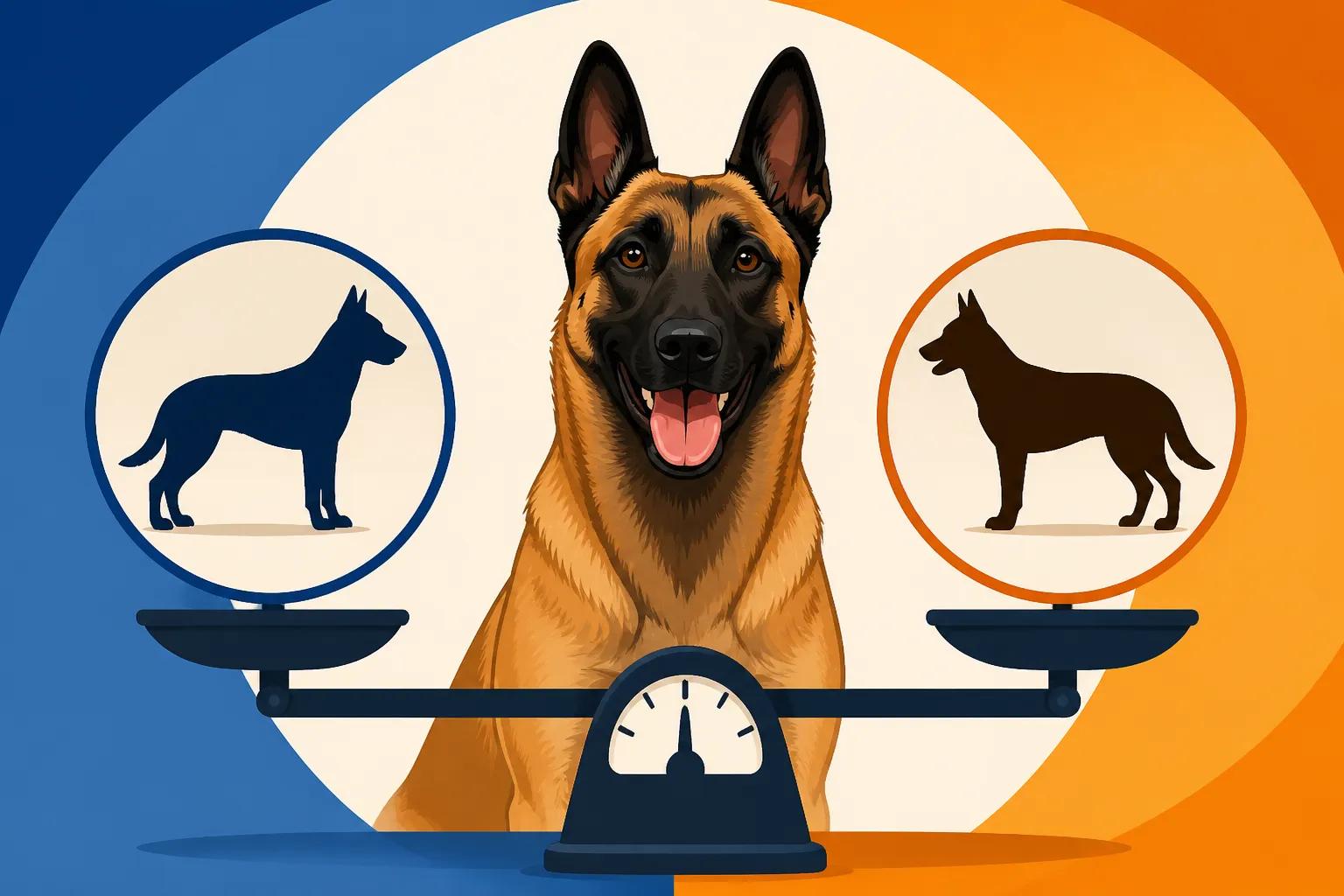
When we talk about the "ideal" weight for a Belgian Malinois, it's never just a single number. These dogs are athletes, and their weight is often less about a specific digit on the scale and more about their overall body condition and muscle mass. However, there are established guidelines that can help you assess if your Mal is within a healthy window. We need to consider gender, genetics, and even the specific lines your dog comes from – working lines often present a different picture than those bred more for conformation.
Male Belgian Malinois Weight Standards
For male Belgian Malinois, the typical weight range you'll often see cited is between 60 to 80 pounds, or roughly 27 to 36 kilograms. This range accommodates the natural variance between individuals, but it's crucial to remember that a Malinois carrying 80 pounds should be powerfully built and muscular, not simply fat. A significant portion of that weight should be lean muscle mass. A male Malinois in prime working condition might be at the lower end of this range, perhaps 65 pounds, but be incredibly dense and conditioned, with visible muscle definition and ribs that are easily felt but not seen. Conversely, a larger-boned male might naturally sit closer to 75 pounds with the same lean, athletic build. It's truly about the composition. You can dive deeper into this specific topic in our article, The Sixty to Eighty Pounds a Male Malinois Carries.
When evaluating your male Malinois, think about what you see and feel. Do his ribs show slightly when he moves or turns, but not constantly? Can you easily feel his spine and hip bones without them protruding sharply? Does he have a well-defined waist when viewed from above and a noticeable tuck-up from the side? These visual and tactile cues are often more important than the exact number on the scale. For instance, a very high-drive male who eats well but expends a tremendous amount of energy in daily training might always sit at the leaner end of the spectrum, and that's perfectly healthy for him.
Female Belgian Malinois Weight Standards
Female Belgian Malinois are generally smaller and lighter than their male counterparts. Their typical weight range falls between 40 to 60 pounds, or about 18 to 27 kilograms. Just like with males, this is a broad guideline, and the emphasis should always be on lean, athletic condition rather than just the number. A female Malinois who is 55 pounds but over-conditioned and carrying too much fat is less healthy than a 45-pound female who is a powerhouse of muscle and agility. Our piece The Forty to Sixty Pounds a Female Malinois Carries offers a more detailed look into this.
Consider a female Malinois involved in sport, perhaps tracking or agility. She might be a compact 48 pounds, but every ounce of that weight is functional, driving her explosive movements. On the other hand, a female who is slightly taller or has a more substantial frame might comfortably carry 58 pounds while still maintaining that coveted The Lean Condition a Belgian Malinois Should Carry. It’s about balance. If her muscles are well-defined, her coat is shiny, and she’s bursting with energy, her weight is likely appropriate for her individual build. The challenges often arise when a female Malinois, perhaps spayed and no longer actively working, starts to creep up past that 60-pound mark with less muscle and more softness.
The Importance of Body Condition Scoring
Rather than obsessing over a precise weight number, which can vary widely even among healthy individuals, most veterinarians and experienced handlers will tell you to focus on Body Condition Scoring (BCS). This system allows you to evaluate your Malinois's fat reserves and muscle mass by looking and feeling their body. It's a much more practical and accurate way to determine if your dog is at a healthy weight than relying solely on the scale.
A common BCS scale runs from 1 to 9, with 1 being emaciated and 9 being morbidly obese. The ideal score for a Belgian Malinois is generally a 4 or 5. At this score, you should be able to easily feel your dog’s ribs without seeing them too prominently (unless they are deeply inhaling or stretching). You should also see a distinct waist when looking down at them from above, and a noticeable abdominal tuck when looking at them from the side. The bones over their spine, shoulders, and hips should be easily palpable but not sharply protruding. Anything significantly above or below this ideal range warrants a closer look at their diet and exercise routine, and perhaps a chat with your vet. We have a detailed guide on Judging a Malinois's Condition by Hand that can walk you through this process step-by-step.
Factors Influencing Your Malinois's Weight
A Belgian Malinois's weight isn't static; it's a dynamic reflection of various factors. Understanding these influences is key to proactively managing your dog’s health and ensuring they stay within their optimal athletic range. It’s not just about how much they eat, but their entire lifestyle and genetic blueprint.
Genetics and Bloodlines
Just like people, dogs inherit their predispositions. Some Malinois are naturally built heavier-boned, with a broader chest and more substance, meaning their healthy weight will be at the higher end of the breed standard. Others might come from very light, agile lines, naturally carrying less mass. For example, a Malinois from specific KNPV lines might be incredibly compact and driven, sitting lean at 55 pounds for a male, while a dog from a different working lineage might be a more substantial 70 pounds, both being equally fit.
It's helpful to look at the parents and littermates if you have access to that information. What do they look like? What kind of work are they doing? If both parents are slender, athletic dogs, it's unlikely your Malinois will naturally develop into a bulkier specimen. Genetic factors also play a role in metabolism; some dogs just burn calories faster. This is why a blanket "feed X cups per day" recommendation from a kibble bag needs to be heavily adjusted based on the individual dog’s metabolic rate and energy output.
Diet and Nutrition Quality
The type and quality of food your Malinois eats have a profound impact on their weight. A high-quality, protein-rich diet formulated for active breeds provides the necessary fuel for muscle maintenance and energy without excess fillers that can lead to unhealthy weight gain. Feeding a cheap, grain-heavy kibble might fill your dog up, but it won’t provide the dense nutrition needed to sustain a Malinois’s incredible drive and muscle mass, potentially leading to a "skinny fat" appearance where they lack muscle definition despite having some fat cover.
Portion control is equally critical. It's easy to overfeed a Malinois, especially if they are always begging, but their high metabolism doesn't give you a pass to free-feed. Measuring out meals, perhaps using a consistent scoop or a kitchen scale, ensures you’re providing the right amount of calories. Different stages of life also demand different nutritional profiles. A growing puppy has distinct needs from a mature working dog or a senior. You might find a wide variety of suitable high-performance dog foods on platforms like Chewy, which can make it easier to find the right blend of nutrients for your active Malinois. Remember, a dog that is never not in drive needs specific fuel. Check out Feeding a Malinois That Is Never Not in Drive for more detailed guidance on this topic.
Exercise Regimen and Activity Level
This might seem obvious, but the sheer volume and intensity of exercise a Malinois gets directly influences their weight and body composition. A Malinois needs significantly more than a casual stroll around the block. They require intense, structured exercise daily – often two hours or more of demanding work that challenges both their bodies and minds. This isn't just about burning calories; it's about building and maintaining the powerful musculature that defines the breed.
A Malinois who is regularly training in protection sports, agility, obedience, or scent detection will naturally be leaner and more muscular than one who is primarily a pet with less rigorous activity. Even within working dogs, a Malinois actively competing in IGP or French Ring will have a different physique than one doing less demanding tasks. If your Malinois's activity level decreases due to injury, retirement, or a change in your lifestyle, their caloric intake must be adjusted to prevent weight gain. Neglecting this crucial balance can quickly lead to an overweight Malinois, which puts immense strain on their joints and overall health.
Age and Life Stage
A Malinois's weight changes throughout their life. Puppies grow rapidly, often appearing gangly and disproportionate as they stretch out. It’s crucial not to try and "fatten up" a Malinois puppy, as rapid growth can put undue stress on developing joints. Their healthy weight trajectory should be steady, not rushed. You can read more about this in The First Year of a Belgian Malinois's Growth. As they mature into adulthood, typically between 18 months and two years, they'll fill out and develop their adult musculature. This is when their weight will stabilize into the ranges discussed earlier.
Senior Malinois, generally considered those over eight or nine years old, might experience a natural decrease in muscle mass and activity levels. This can lead to either weight gain if their diet isn't adjusted, or muscle loss if they're not getting adequate protein and gentle exercise. Monitoring their weight and body condition closely in their later years becomes even more important to catch any changes early. Caring for a Belgian Malinois After Ten offers insights into managing an aging Malinois's needs.
Spay/Neuter Status
The timing of spaying or neutering can also play a role, particularly in how it might influence a Malinois's metabolism and joint health. Hormonal changes after sterilization can sometimes lead to a slightly slower metabolism, making it easier for dogs to gain weight if their caloric intake isn't adjusted. For an already high-drive, lean breed like the Malinois, this might mean a subtle but important shift in how much food they need to maintain their ideal weight.
Furthermore, some studies suggest that early spay/neuter in large breeds can impact bone growth and joint development, potentially leading to a higher incidence of orthopedic issues later in life. While the impact on final adult weight isn't a direct cause-and-effect, a dog with compromised joints due to early sterilization might be less active, indirectly affecting their ability to maintain a lean, athletic physique. This is a complex topic that's worth discussing thoroughly with your veterinarian when making decisions about sterilization for your Malinois.
Maintaining a Healthy Weight for Your Belgian Malinois
Keeping a Belgian Malinois in prime physical condition isn't a one-time task; it's a continuous commitment. Their working heritage means they thrive on being fit and functional, and maintaining a healthy weight is central to their overall well-being and longevity. It requires a mindful approach to their daily routine, diet, and regular health checks.
Regular Body Condition Checks
As discussed, relying solely on the scale can be misleading. Instead, make a habit of performing regular body condition checks on your Malinois. Run your hands over their ribs: can you feel them easily, like knuckles under a thin blanket, but not see them without effort? Check their waist: is there a definite hourglass shape from above? Feel their hip bones and spine: are they palpable but not sharply jutting out?
This tactile assessment is invaluable because it tells you about fat cover. A Malinois can be 70 pounds and perfectly conditioned, or 70 pounds and carrying too much fat if they're a smaller-boned dog. Doing these checks weekly allows you to catch subtle changes before they become significant problems. If you notice a softening over the ribs or a disappearing waistline, that’s your cue to adjust.
Tailoring Diet to Activity Levels
A Malinois’s diet isn't a fixed formula. It needs to be a dynamic plan that adjusts with their activity levels. A dog in the middle of a heavy training season for IGP or Ring, with multiple intense sessions a week, will naturally need more calories than one who is on a lighter exercise schedule or recovering from a minor injury.
Dietary Adjustment Considerations:
- Training Intensity: During peak training or trial seasons, you might need to increase their food intake slightly, focusing on easily digestible, high-energy formulas. Conversely, during off-seasons or rest periods, a reduction in calories is usually necessary to prevent unwanted weight gain.
- Weather Conditions: Malinois burn more calories to stay warm in cold weather. If your dog works outdoors extensively in winter, they may need more food. In hotter climates, their appetite might dip, and you might need to get creative to ensure they’re eating enough, perhaps by adding wet food or tempting toppers.
- Life Stage Changes: As a Malinois transitions from puppy to adult, and then to senior, their metabolic rate changes. Adult maintenance formulas are generally suitable for mature dogs, but seniors often benefit from specific senior diets that are lower in calories but still high in quality protein to preserve muscle mass.
- Individual Metabolism: Even two Malinois with identical activity levels might require different amounts of food due to individual metabolic differences. Some dogs are just naturally more efficient calorie burners.
Platforms like Chewy offer a vast selection of performance dog foods that can support these dietary needs. When making changes, introduce new foods gradually to avoid upsetting their digestive system. Monitoring their stool consistency and energy levels is just as important as watching their weight. The Daily Ration a Working Belgian Malinois Eats provides a great starting point for understanding appropriate portions.
Consistent and Appropriate Exercise
There's no substitute for consistent, high-quality exercise for a Malinois. This isn’t just about physical exertion; it’s about engaging their incredible minds. A tired Malinois is often a well-behaved Malinois, and consistent exercise is the bedrock of maintaining a healthy weight.
Components of a Malinois Exercise Plan:
- High-Intensity Cardio: Running alongside a bike, swimming, or intense sessions with a flirt pole can provide bursts of high-intensity activity that burn calories and build cardiovascular fitness.
- Structured Training: Obedience, agility, bite work, or scent detection sessions are mentally and physically demanding, contributing significantly to their caloric expenditure and muscle tone. These activities keep them engaged and prevent boredom, which can sometimes lead to destructive behaviors or pacing that looks like exercise but isn't productive.
- Long Walks/Hikes: While not enough on their own, long, brisk walks or hikes over varied terrain can supplement their intense training, building endurance and strengthening stabilizer muscles. Remember, a Malinois will often push itself to the point of exhaustion, so it's up to you to manage the duration and intensity of these sessions, especially in warmer weather.
- Rest and Recovery: Just like human athletes, Malinois need downtime. Overtraining can lead to injuries or burnout. Ensure your dog has adequate rest between intense sessions to allow their muscles to recover and prevent fatigue-related mistakes or health issues.
Veterinary Check-ups and Early Intervention
Regular veterinary check-ups are paramount. Your vet can provide an objective assessment of your Malinois's body condition, discuss their weight history, and catch any underlying health issues that might be affecting their metabolism or appetite. For instance, a thyroid issue could lead to unexpected weight gain or loss, even in a highly active dog.
If you notice sudden or unexplained weight changes, either up or down, don't hesitate to consult your vet. Early intervention is always best. This includes discussing any new supplements you're considering for joint health or performance. While products like glucosamine and chondroitin can be beneficial for an active dog, especially as they age, they should complement a healthy diet and exercise, not replace them. Joint Supplements for a Working Belgian Malinois offers more on this topic.
| Body Condition Score | Appearance (Visual) | Touch (Palpation) | Recommendation |
|---|---|---|---|
| 1 (Emaciated) | Ribs, spine, hip bones, pelvic bones prominently visible | No fat, severe muscle loss | Urgent veterinary intervention, increased calories |
| 2 (Very Underweight) | Ribs, spine, hip bones easily visible | Minimal fat cover, slight muscle loss | Vet consultation, gradual increase in food |
| 3 (Underweight) | Ribs easily seen, waist and tuck-up pronounced | Ribs easily felt, minimal fat, some muscle loss | Monitor, consider slight increase in food if active |
| 4 (Ideal/Lean) | Ribs not visible but easily felt, clear waist and tuck-up | Ribs felt with light pressure, minimal fat cover, good muscle | Maintain current diet and exercise |
| 5 (Ideal) | Ribs not visible, easily felt with slight pressure, good waist | Ribs felt with moderate pressure, thin fat layer, excellent muscle | Maintain current diet and exercise |
| 6 (Overweight) | Ribs harder to feel, waist less apparent, slight abdominal bulge | Ribs felt with firm pressure, noticeable fat layer | Reduce calories, increase structured exercise |
| 7 (Heavy) | Ribs difficult to feel, no waist, obvious abdominal bulge | Ribs hard to feel through fat, definite fat deposits | Vet consultation, significant caloric reduction, controlled exercise |
| 8 (Obese) | Ribs not palpable, no waist or tuck-up, distended abdomen | Thick fat layer, difficult to feel bones | Vet intervention, strict diet, controlled exercise |
| 9 (Severely Obese) | Massive fat deposits, distended abdomen, impaired mobility | Extremely thick fat layer, impossible to feel bones | Emergency veterinary care, aggressive weight loss plan |
When to Be Concerned About Your Malinois's Weight
While a little fluctuation is normal, significant or rapid changes in your Malinois's weight should always prompt concern and investigation. These dogs are built like finely tuned machines, and deviations from their healthy weight range can be indicators of underlying issues, or they can lead to health problems themselves.
Signs of Being Underweight
An underweight Malinois isn't just a matter of aesthetics; it can indicate insufficient nutrition, excessive energy expenditure, or more serious health problems. If your Malinois is consistently too thin, you might notice:
- Prominent Bones: Ribs, hip bones, and spine are easily visible and sharply protruding even when standing still. This is beyond Whether a Ribby Malinois Puppy Is Underfed which is sometimes normal during rapid growth spurts. For an adult Malinois, this is a red flag.
- Lack of Muscle Mass: Their muscles appear wasted or less defined, particularly over the hindquarters and shoulders. They might look "stringy" rather than lean and powerful.
- Low Energy or Lethargy: While some highly driven Malinois might push through, a consistently underweight dog may show signs of fatigue, lack of stamina during work, or general lethargy.
- Poor Coat Condition: A dull, dry, or sparse coat can sometimes be a sign of nutritional deficiency, although it can also be a symptom of other issues.
If your Malinois is consistently underweight despite a healthy appetite and appropriate food intake, it's time for a vet visit. They can rule out issues like parasites, malabsorption disorders, inflammatory bowel disease, or even chronic stress which can affect digestion and nutrient uptake. Adjusting their diet might involve increasing the calorie density of their food, potentially with a higher fat content, or adding specific supplements. Always discuss these changes with your vet first to ensure you're addressing the root cause safely.
Signs of Being Overweight
While less common in truly working Malinois, pet Malinois or those with reduced activity can easily become overweight. This is a serious concern, as excess weight puts enormous strain on their bodies. You might observe:
- Difficulty Feeling Ribs: You have to press firmly to feel your dog's ribs, or you can't feel them at all.
- Loss of Waistline and Abdominal Tuck: From above, your dog looks like a sausage rather than having a distinct waist. From the side, their abdomen might sag or show no tuck-up at all.
- Reduced Stamina: Your Malinois might tire more quickly during walks, seem reluctant to jump, or struggle with agility exercises they once performed easily.
- Joint Pain and Mobility Issues: Carrying extra weight exacerbates stress on joints, potentially worsening conditions like hip or elbow dysplasia, or leading to arthritis earlier in life. This is especially critical for a breed already prone to orthopedic concerns.
- Breathing Difficulties: In severe cases, an overweight Malinois might pant excessively even with minimal exertion, indicating strain on their respiratory and cardiovascular systems.
An overweight Malinois requires a proactive approach. It's not just about cutting back on food; it's about making sustainable lifestyle changes. This involves precise portion control, selecting a diet formulated for weight management (often lower in calories and fat but still high in protein and fiber to maintain satiety), and increasing appropriate exercise. If you’re worried, especially if your dog is near Whether a Ninety Pound Belgian Malinois Is Overweight, a veterinary-supervised weight loss program is often the safest and most effective route. They can help you calculate appropriate caloric intake and devise a safe exercise plan.
Sudden Weight Changes (Gain or Loss)
Any sudden, unexplained weight gain or loss in a mature Malinois should be considered a medical emergency. While gradual changes can often be linked to diet or activity adjustments, rapid shifts usually point to an underlying health issue.
Potential Causes for Sudden Weight Loss:
- Parasites: Internal parasites can steal nutrients, leading to weight loss despite a good appetite.
- Dental Disease: Painful teeth or gums can make eating difficult, resulting in reduced food intake and subsequent weight loss.
- Organ Disease: Kidney, liver, or pancreatic diseases can impair nutrient absorption or lead to increased metabolic demands.
- Cancers: Many forms of cancer, particularly in older dogs, can cause significant and rapid weight loss. The Cancers That Take a Belgian Malinois is a very important read here.
- Infections: Chronic or severe infections can also cause a dog to burn through calories rapidly.
Potential Causes for Sudden Weight Gain:
- Hypothyroidism: An underactive thyroid gland can slow metabolism, leading to weight gain, lethargy, and coat changes. A Malinois Whose Thyroid Has Given Out covers this in detail.
- Cushing's Disease: An overproduction of cortisol can cause weight gain, muscle wasting, and a pot-bellied appearance.
- Fluid Accumulation: Heart disease or certain liver conditions can lead to fluid retention, which might be mistaken for fat gain.
If you observe any abrupt changes in your Malinois's weight, alongside other symptoms like changes in appetite, thirst, urination, or energy levels, contact your veterinarian immediately. Early diagnosis and treatment are critical for the best possible outcome.
Disclaimer
This article is for general informational purposes only and does not constitute professional advice. Laws, prices and regulations vary by location and change over time. Consult a qualified professional for guidance on your specific situation.