Why Belgium Sorted the Malinois Out by Coat
The world of Belgian Shepherds can feel like a tangled web of names and types, especially when you're trying to understand how the sleek, fawn-colored Belgian Malinois fits into it all. Many people scratch their heads wondering why these dogs, clearly so similar in structure and temperament, were ever distinguished purely by the length and texture of their coats. This guide is here to untangle that historical knot, explaining the journey Belgium took to categorize its beloved working dogs and why the Malinois emerged with its distinct coat definition.
The Genesis of the Belgian Shepherd Varieties
Before there were distinct "Malinois," "Tervuren," "Groenendael," or "Laekenois," there were simply Belgian Shepherd dogs. These were robust, intelligent canines developed by Belgian farmers and shepherds to be versatile workers, capable of herding livestock, guarding property, and serving as loyal companions. They were bred for function above all else, and appearance was secondary.
The Farm Dog Origins
Imagine the late 19th century Belgian countryside. Farmers needed dogs that could work tirelessly, adapting to various tasks on the farm. These dogs were selected for their herding instinct, their protective nature, and their intelligence. Their lineage was often local, tied to the specific needs of a region rather than a formal breed standard. They weren't bred for a specific look, but rather for their ability to perform. This meant a natural variation in coat types and colors emerged across different areas, simply as a result of local breeding and selection pressures for utility. It was a true melting pot of working dog genetics, all united by a common purpose.
Early Belgian Shepherd Types
As interest in dog breeding and formal recognition grew in the late 1800s, enthusiasts and scientists began to take stock of the diverse working dogs populating Belgium. At this point, the concept of a "breed" was still somewhat fluid, but there was a general understanding that these dogs, despite their differences, shared a common ancestry and purpose. You'd see dogs with long black coats, rough wire coats, and short fawn coats all categorized under the umbrella of "Belgian Shepherd." They were all recognized as part of a single, highly capable working dog population, but the variations were undeniable. The initial challenge was how to bring order to this wonderful chaos.
The Vision of Professor Adolphe Reul
The pivotal figure in bringing order to this canine diversity was Professor Adolphe Reul of the Cureghem Veterinary School. In 1891, he undertook a comprehensive study of the native Belgian Shepherd dogs. He observed them closely, noting their physical characteristics, working abilities, and temperaments. What he found was a consistent type in terms of structure, gait, and innate working drive, but significant variation in coat. The Belgian Town the Malinois Is Named After is a testament to how specific regions had their own favored strains. Professor Reul championed the idea that, despite the coat differences, these dogs represented one fundamental breed. His vision was to formalize this native working dog, ensuring its preservation and development.
The Standardization Efforts and Initial Challenges
The path from diverse farm dogs to recognized breed varieties was not straightforward. It involved passionate breeders, academic rigor, and a good deal of debate. The core challenge was how to standardize without losing the rich genetic pool or alienating regional proponents.
The First Breed Club and Its Goals
Following Professor Reul's work, the first breed club, the Club du Chien de Berger Belge (Belgian Shepherd Dog Club), was founded in 1891. Their primary goal was clear: to unite all types of Belgian Shepherd Dogs under a single banner and establish a breed standard. This was a monumental task, as it meant reconciling the various local preferences and appearances into a cohesive framework. The club aimed to preserve the working qualities while also defining the aesthetic parameters that would guide future breeding. This early period was crucial, as it laid the groundwork for how these dogs would be formally recognized for generations to come. They understood that consistency was key, but they also valued the diversity that had served the farmers so well.
Initial Attempts at Classification
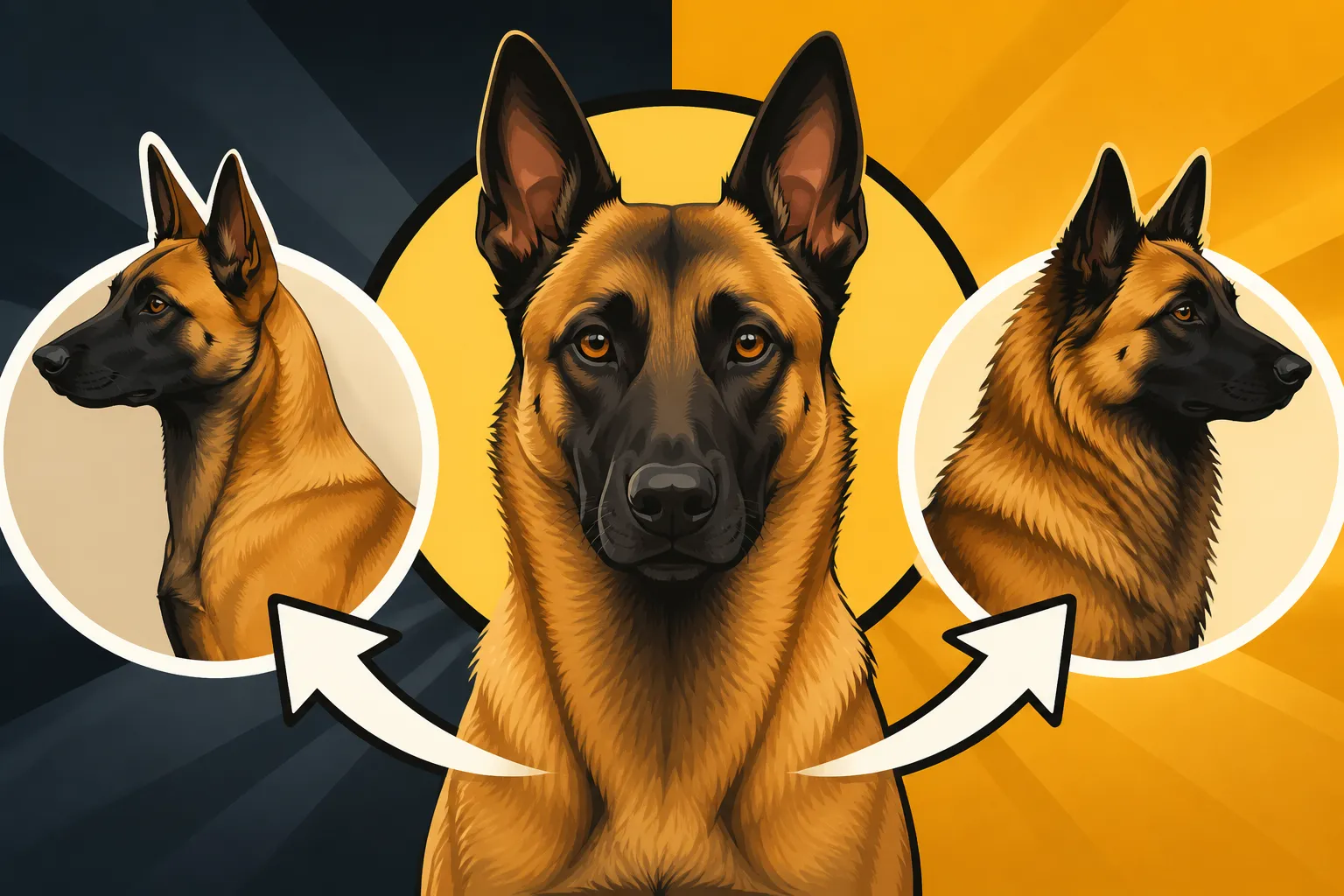
The club's initial attempts at classification were ambitious, proposing a single breed with three varieties based only on coat type: long-haired, short-haired, and rough-haired. This decision, to group them by coat, underscored the understanding that structurally and temperamentally, they were fundamentally the same dog. However, even with this clear directive, the waters remained a bit murky. There were ongoing discussions about color, particularly within the long-haired and short-haired types. For instance, should a long-haired black dog be the same variety as a long-haired fawn dog? These debates highlight the inherent difficulties in imposing strict standards on a population of dogs that had evolved more organically for work.
The Influence of the Breed Standard
The first official breed standard for the Belgian Shepherd Dog was written in 1892. This standard formally recognized the three coat varieties. It also set forth specific characteristics for conformation, temperament, and working ability that applied to all varieties, emphasizing their shared heritage as versatile herding and guard dogs. This standard was a groundbreaking document, providing a blueprint for breeders across Belgium. It solidified the idea that while their coats might differ, their essence—that incredible Belgian drive, intelligence, and athleticism—was universal. You could have a short-coated Malinois or a long-coated Groenendael, but both had to embody the core qualities of a Belgian Shepherd.
The Role of Coat in Defining the Malinois
Among the three recognized coat types, the short-haired variety eventually became known as the Malinois. Its specific coat characteristics, combined with a particular regional focus, helped solidify its identity.
Distinguishing Features: Short Coat
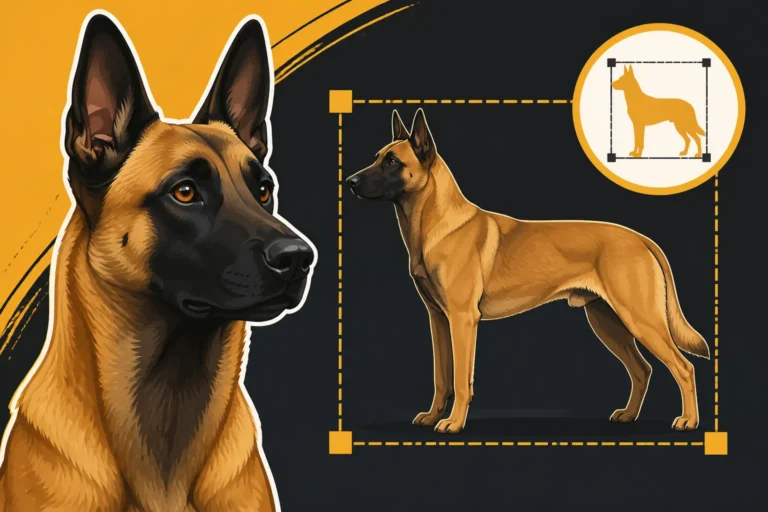
The Malinois's defining feature is, of course, its short, straight coat. It's dense and rather harsh, with a slightly softer undercoat. This type of coat is remarkably low maintenance compared to the longer varieties, making it practical for working dogs exposed to various weather conditions and terrains. It dries quickly and resists burrs and debris, which was a significant advantage for dogs working outdoors. For owners today, this means less intensive grooming, though they certainly still shed! If you're looking for grooming tools, many people find a good deshedding brush invaluable for managing the fine, abundant hair the Malinois sheds, and you can find a huge variety of options on sites like Chewy.
Color and Mask Specifics
While the coat length was the primary differentiator, color also played a role in the Malinois's specific definition. The standard for the Malinois typically calls for a fawn to mahogany base color, always accompanied by a distinctive black mask and black tipping on the ears. This black mask is a hallmark feature, giving the Malinois its intense and intelligent expression. Variations in fawn shades are acceptable, but the strong black overlay is what truly sets it apart visually within the short-coated group. Fawn to Mahogany and the Black Malinois Mask goes into more detail on these specific color requirements and how they contribute to the breed's iconic look.
Temperament and Working Aptitude
It's crucial to understand that while coat dictated the variety, the inherent temperament and working aptitude were considered common to all Belgian Shepherds. However, in practice, the regional focus on the short-coated dogs in the Malines area often led to a selection bias for traits most valued in their specific working contexts. These dogs were bred for intense drive, exceptional intelligence, and formidable protective instincts. Whether a Malinois was herding sheep, guarding property, or later, transitioning into police and military work, its short coat was seen as practical, allowing for agility and ease of cleaning, without hindering its core capabilities. This focus on utility within the short-coat group further cemented the Malinois's reputation as a no-nonsense working machine.
Why Coat Varieties Persisted Despite Common Ancestry
Even with the strong arguments for a single breed, the coat-based distinctions endured and, in some cases, even led to completely separate breed recognition in different parts of the world. This persistence speaks to a blend of practical considerations, aesthetic preferences, and evolving kennel club politics.
Practicality and Utility of Each Coat Type
The different coat types weren't just about aesthetics; they often served practical purposes in various climates and working environments. For instance, the long, dense coat of the Groenendael offered more protection against harsh cold and wet conditions, while the rough, wiry coat of the Laekenois was prized for its resilience against thorns and brush in more rugged terrain. The short, easy-care coat of the Malinois was ideal for warmer climates or for dogs working in environments where mud and debris could easily mat a longer coat. These subtle advantages, though perhaps not always scientifically proven, were deeply ingrained in the minds of the regional breeders who had developed these strains for generations. They understood their local dogs best.
Aesthetic Preferences and Regional Differences
Beyond pure utility, human preference plays an undeniable role in breed development. Different regions developed a fondness for specific looks. The striking all-black long coat of the Groenendael held a certain elegance, while the rugged, disheveled look of the Laekenois appealed to those who valued a more rustic appearance. The fawn short-coated Malinois, with its sharp features and alert expression, quickly gained admirers for its athletic and intense presence. These regional loyalties and aesthetic preferences meant that even if all were considered "Belgian Shepherds," breeders often focused on perfecting their preferred coat type, leading to a natural divergence in their specific lines. The emotional attachment to a particular look contributed significantly to the varieties' staying power.
The Argument for a Single Breed with Varieties
Throughout the early 20th century, there was a continuous debate among fanciers and kennel clubs worldwide: should these four types truly be considered separate breeds, or merely varieties of a single Belgian Shepherd Dog? The argument for a single breed was compelling, emphasizing their shared genetic heritage, similar conformation, and identical working drives. Proponents pointed to the fact that breeding between the varieties was, and sometimes still is, permitted in some European countries, leading to litters containing puppies of different coat types. Whether a Malinois Can Be Bred to Another Variety delves into the intricacies of these breeding practices. The original Belgian standard, after all, treated them as one breed. However, over time, the distinct appearances became so ingrained that separation often felt more natural to those outside Belgium.
Modern Implications and Breed Recognition
The historical decisions regarding coat type continue to influence how the Belgian Malinois and its cousins are recognized and managed by kennel clubs around the world today. This has led to some fascinating differences in how the breeds are perceived.
FCI Classification and Global Recognition
The Fédération Cynologique Internationale (FCI), the largest international canine organization, which includes Belgium, maintains the original philosophy: the four types (Malinois, Tervuren, Groenendael, and Laekenois) are considered varieties of a single breed, the "Belgian Shepherd Dog." This means that under FCI rules, they share a common standard except for coat type and color. While they are judged separately in conformation, their fundamental breed identity is linked. This classification reflects the historical reality of their shared origins and working purpose, emphasizing that the differences are superficial compared to their profound similarities. It's a way of honoring their common heritage while acknowledging the visual distinctions. How the FCI Classifies the Malinois provides further insight into this system.
AKC and the Separate Breed Status
In contrast to the FCI, the American Kennel Club (AKC) in the United States recognizes the four types as entirely separate breeds. This means a Belgian Malinois is considered a distinct breed from a Belgian Tervuren or a Belgian Sheepdog (Groenendael), and a Laekenois is also a separate entity. This divergence arose from differing historical approaches to breed classification and a desire for simpler, more distinct categories. For owners in the US, this means a Malinois competes and is registered purely as a Malinois, with no direct formal link to the other Belgian Shepherds in terms of breed status. This decision, though practical for registration, can sometimes obscure the shared history and fundamental similarities of these magnificent dogs. When the AKC Finally Listed the Malinois details this journey to separate recognition.
Impact on Breeding and Popularity
This difference in classification has had a significant impact on breeding practices and public perception. In regions where the FCI standard prevails, breeders might occasionally use different varieties in their breeding programs to introduce genetic diversity, though it's less common now than historically. In countries like the US, where they are separate breeds, such cross-variety breeding is not permitted for purebred registration, reinforcing the distinctness of each type. The Malinois, with its distinctive short coat and intense working reputation, has seen a surge in popularity globally, particularly in police, military, and sport circles. This has, in turn, led to focused breeding for specific working traits within the Malinois population, sometimes further solidifying its identity beyond just its coat. Whether you're looking for high-quality food for a Malinois, or specialized training equipment, reliable retailers like Chewy cater to a wide range of breeds and their unique needs, regardless of their specific classification system.
Understanding why Belgium initially sorted the Malinois out by its coat isn't just a historical curiosity; it’s a window into the core values that shaped this incredible breed. It was a practical, sensible approach to categorizing highly functional farm dogs, acknowledging their shared essence while respecting their visible differences. The short, fawn coat with its black mask became a signature, but the heart of the Malinois, its unwavering drive and intelligence, remained a universal trait of all Belgian Shepherds.
| Variety Name | Coat Type | General Coloration | Key Distinguishing Features | FCI Classification (Parent Breed) | AKC Classification |
|---|---|---|---|---|---|
| Malinois | Short-haired | Fawn to mahogany with black overlay and mask | Practical, low-maintenance coat; intense expression with mask | Belgian Shepherd Dog | Belgian Malinois |
| Groenendael | Long-haired | Solid black | Elegant, flowing long black coat; often requires more grooming | Belgian Shepherd Dog | Belgian Sheepdog |
| Tervuren | Long-haired | Fawn to mahogany with black overlay and mask | Similar to Malinois color, but with a long, dense coat | Belgian Shepherd Dog | Belgian Tervuren |
| Laekenois | Rough-haired/Wire-haired | Fawn with possible black overlay | Harsh, wiry, tousled coat; often with a more rustic appearance | Belgian Shepherd Dog | Belgian Laekenois (Misc. Class/Full Breed) |
Disclaimer
This article is for general informational purposes only and does not constitute professional advice. Laws, prices and regulations vary by location and change over time. Consult a qualified professional for guidance on your specific situation.