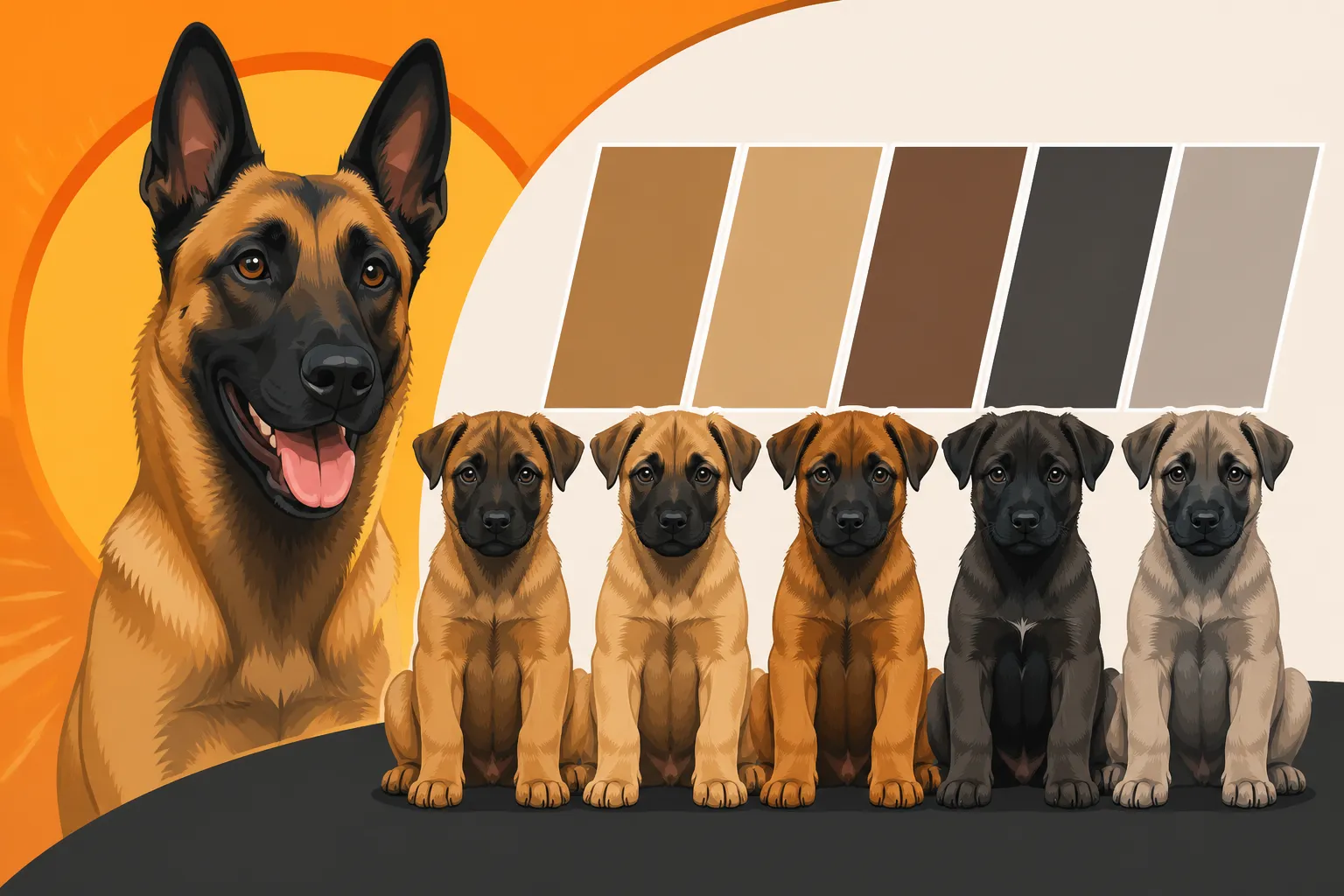
The Shades a Malinois Litter Comes Out In
The vast world of canine coat colors often brings up endless discussions. For us Belgian Malinois enthusiasts, understanding the subtle yet distinct variations in a litter is a key part of appreciating this magnificent breed. While you might not see a "rainbow" of colors, the shades a Malinois puppy can come in are uniquely beautiful and rooted in a fascinating genetic lineage.
The Signature Look: Fawn to Red with a Black Mask
When you picture a Belgian Malinois, what color comes to mind? For most, it's that iconic fawn or reddish-brown with the striking black mask. This is the hallmark of the breed, a testament to its distinct genetic heritage. Yet, within this seemingly narrow description, there's a surprising spectrum of tones and hues that makes each Malinois uniquely captivating.
From Pale Cream to Rich Mahogany
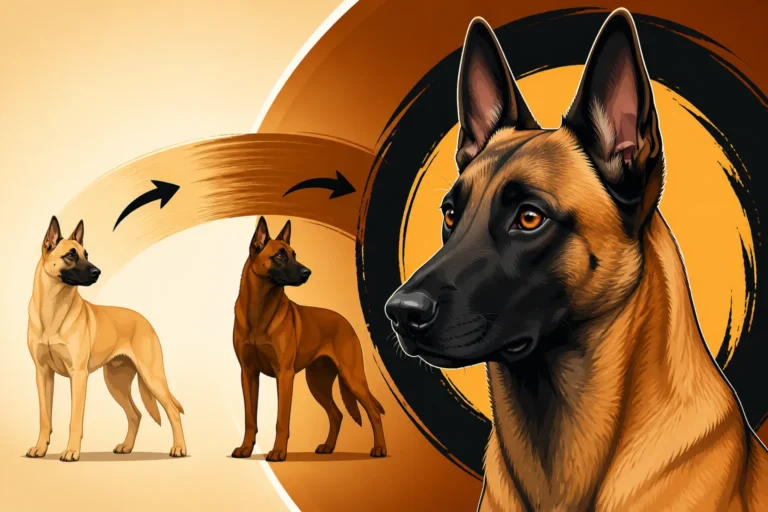
The base color of a Malinois can range significantly from a very light, almost creamy fawn to a deep, burnished mahogany. Imagine the warm shades of a sunset, from the softest amber on the horizon to the fiery reds closer to the sun, and you're getting a sense of this beautiful range. A puppy that starts out as a very pale fawn might surprise you by deepening into a rich, vibrant red as it matures. This isn't just a trick of the light; it's a natural progression of their coat development. This deepening of color is quite common, and many owners enjoy watching their Malinois's coat change, similar to how they watch their puppies develop in The First Year of a Belgian Malinois's Growth.
These differences in intensity are due to variations in phaeomelanin pigment production, which is responsible for the red and yellow tones. Some lines naturally produce dogs with richer, darker coats, while others lean towards the lighter fawns. It's truly a beautiful thing to witness a litter with puppies exhibiting these various shades side by side, each one a testament to the breed's natural beauty. You can see these distinct variations even among littermates.
The Defining Black Mask
No Malinois is complete without its signature black mask. This isn't just a pretty face; it's a critical component of the breed standard and gives the Malinois its intense, focused, and intelligent expression. The mask typically covers the muzzle and extends around the eyes, sometimes reaching up to the ears, creating a stark contrast against the fawn body.
The intensity of this mask can vary from puppy to puppy and can also deepen with age. Some puppies will have a bold, clearly defined mask right from the start, while others might have a softer, more subtle mask that becomes more pronounced as they mature. This black pigment also dictates the color of their nose, eye rims, and paw pads – all of which should be black. A strong, dark mask is highly prized and contributes significantly to that classic Malinois look we all adore. Without it, the Malinois wouldn't quite be the same, and it’s a detail breeders pay close attention to when looking at potential What a Malinois With Titled Parents Costs as part of the overall standard.
The Intricate Sable Overlay
Beyond the base fawn and the prominent black mask, many Malinois also carry a beautiful "sable" overlay. This means that individual guard hairs are tipped with black, creating a shaded or "sooty" effect, particularly along the back, shoulders, and tail. This isn't a solid black coat, but rather a sophisticated layering of black over fawn, giving the coat a dynamic, multi-dimensional appearance. It’s what distinguishes them from, say, a fawn Labrador, and speaks to their herding origins where such camouflage could be useful.
The amount and distribution of this black tipping can vary. Some Malinois might have a very light sable, appearing as a clear fawn, while others will have such a heavy sable that they look significantly darker, almost charcoal-colored in certain light. This is a normal and desirable variation within the breed, adding depth and character to their coats. You might notice these darker hairs are more prevalent in puppies with richer fawn bases. This sable pattern is crucial to understanding The Harsh Outer Coat a Malinois Should Carry.
The Genetic Blueprint of Malinois Colors
Ever wondered why a litter can have such varied shades, even when the parents look quite similar? It all comes down to genetics. While the Malinois coat color might seem straightforward, there's a fascinating interplay of genes that determines the exact shade, intensity, and pattern seen in each puppy. It's like a complex recipe where slight variations in ingredients yield different, but equally delicious, results.
The Role of Key Loci
The two main pigments found in canine coats are eumelanin (black/brown) and phaeomelanin (red/yellow). In Malinois, the expression of these pigments is primarily controlled by several genetic locations, or 'loci'.
- A Locus (Agouti): This is perhaps the most defining for the Malinois. The 'Ay' allele here creates the fawn or sable pattern by allowing phaeomelanin to be produced while also permitting black tipping on the hairs. It's the reason Malinois aren't solid black or solid clear red without any shading.
- E Locus (Extension): This locus controls where eumelanin (black pigment) can be expressed. Malinois typically have the 'Em' allele, which allows for the black mask. If a dog carried 'e/e' at this locus, it would be a clear red or fawn without a black mask, which is outside the breed standard.
- K Locus (Dominant Black): This locus determines whether a dog is solid black, brindle, or allows the Agouti pattern to express. Malinois typically carry the 'ky' allele, allowing the Agouti patterns (like sable/fawn) to show. They can also carry 'kbr' for brindle, but brindle is not standard for the Malinois variety.
The specific combination of alleles at these loci dictates the precise shade and pattern of each puppy. It’s why you get The Shades a Malinois Litter Comes Out In.
How Pigment is Expressed
The way these pigments are expressed, or "turned on and off," across the dog's body is what creates the visual pattern. For example, the sable pattern, so common in Malinois, means that individual hairs are banded with both phaeomelanin and eumelanin, often with a black tip over a fawn base. The extent of this black tipping can vary greatly, leading to a lighter "clear sable" or a darker "shaded sable." This is why some puppies appear darker on their backs or over their shoulders.
The black mask, as mentioned, is another specific expression of eumelanin. Even if a puppy has a generally lighter fawn body, the mask will remain intensely black because of specific genetic instructions that direct eumelanin production to those facial areas. Environmental factors, like sunlight exposure, can sometimes cause a temporary lightening or reddening of the black coat portions, but the underlying genetic color remains unchanged. Understanding these mechanisms helps breeders select for desired traits and predict the likelihood of certain colors appearing in a litter, although sometimes genetics can still throw a delightful curveball! Looking at Whether Malinois Puppies Darken With Age can give you more insight into these changes.
Predicting a Litter's Potential Colors
Predicting the exact shades in a Belgian Malinois litter isn't always a perfect science, but breeders use genetic knowledge and the parents' pedigrees to make informed guesses. If both parents are strong fawns with excellent masks and sable overlay, the puppies are likely to fall within that spectrum. However, recessive genes carried by either parent can sometimes surface, introducing surprising variations. For instance, if both parents carry a recessive gene for a lighter fawn, even if they themselves are darker, some puppies might be born with a very pale fawn coat.
Reputable breeders will often share information about the genetic background of their breeding pair, sometimes even mentioning specific genetic test results related to coat color if there's any ambiguity. While DNA tests are available for many canine coat colors, for the standard Malinois, the variations are usually within the fawn/sable range. The joy of a litter is that even with careful planning, there can still be charming individual differences, ensuring that each puppy has its own unique color story. Finding good toys and beds for all these different shades of puppies can be done at retailers like Chewy, which offer a wide range of products for new litters.
Beyond the Standard: What You Might Encounter
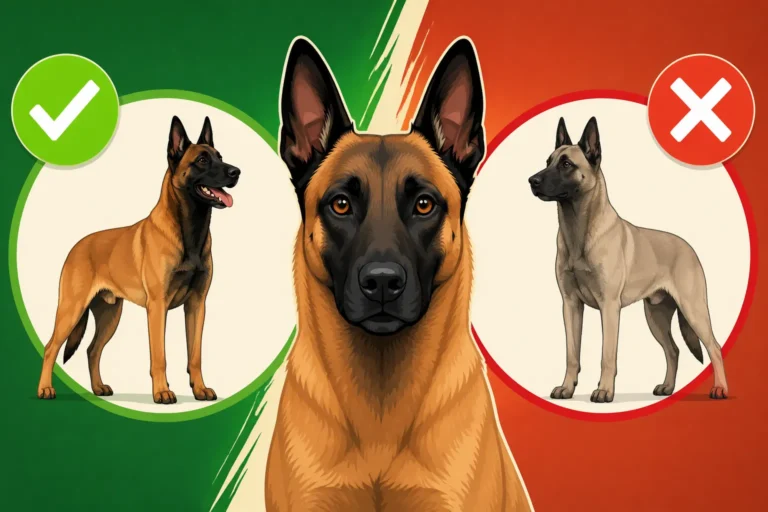
While the fawn to mahogany with a black mask is the accepted and beloved standard for the Belgian Malinois, sometimes a litter can produce colors that fall outside this traditional expectation. These variations can be due to recessive genes, genetic mutations, or even misidentification of the breed. It's important for prospective owners and breeders to understand what constitutes a standard Malinois color and what might be considered non-standard, and why.
Addressing the "Black Malinois" Myth
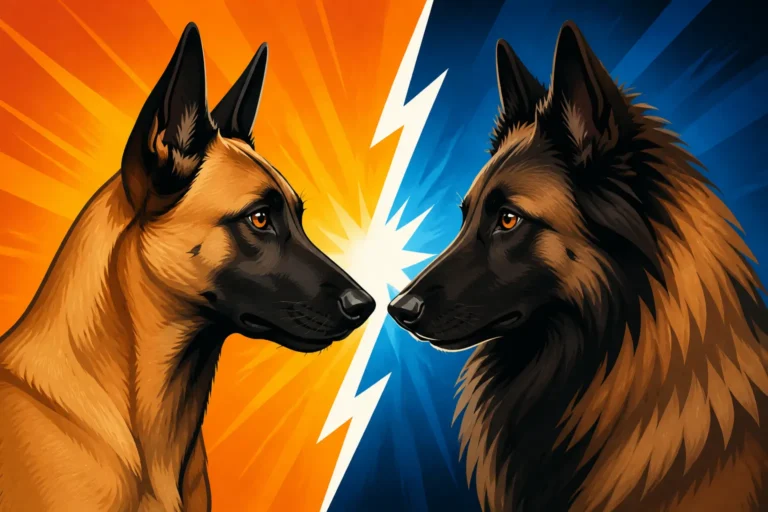
One of the most persistent misconceptions is the idea of a "black Malinois." To be clear, a purebred Belgian Malinois, according to official breed standards, is not solid black. The Belgian Shepherd breed family includes four varieties: the Groenendael (long black coat), the Tervuren (long fawn/red coat with black overlay), the Laekenois (rough fawn coat), and the Malinois (short fawn/red coat with black mask). If you see a solid black dog that looks like a Malinois in structure, it's most likely a Groenendael, a mixed-breed dog, or potentially a very heavily sabled Malinois that appears black from a distance.
A Malinois with an extremely heavy sable overlay can appear very dark, almost black, especially as a young puppy or in certain lighting. However, if you part the hair, you will still see the underlying fawn pigment. The genetic programming for solid black simply isn't present in the Malinois variety. This distinction is important for breed purity and understanding why Whether a Black Belgian Malinois Is a Malinois at All is a common, but often misunderstood, question.
The Question of White Markings
Small white markings are occasionally seen in Malinois puppies, typically a tiny patch on the chest or a few white hairs on the toes. The breed standard generally allows for a very limited amount of white in these specific areas. However, extensive white markings – such as a large white blaze on the face, white "socks" on all four feet, or significant white patches elsewhere on the body – are considered non-standard.
These larger white markings usually result from different genetic factors that control the distribution of white. While purely cosmetic and not indicative of any health issues, such markings would typically disqualify a dog from conformation showing. For a working dog or a beloved companion, these markings hold no practical significance. However, if you have aspirations for the show ring, it's an important detail to consider. It’s one of those nuances that make discussing Whether White Markings Are Allowed on a Malinois an interesting topic amongst breeders and enthusiasts.
The Evolving Canvas: Puppy to Adult Coat Changes
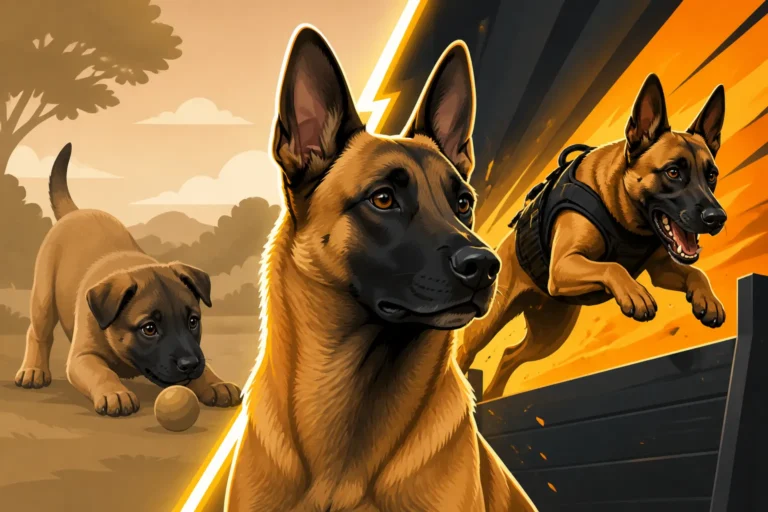
It's truly remarkable how much a Malinois puppy's coat can change as it grows into adulthood. That adorable light fawn puppy you brought home might surprise you by developing a much deeper, richer red or mahogany tone, complete with a more prominent sable overlay. The black mask, too, can intensify and become more sharply defined over the first year or two of their life. You might observe this development as part of the overall maturation, similar to when you start to notice Signs a Belgian Malinois Is Slowing Down in their older years.
These transformations are a normal part of their development, influenced by genetics, nutrition, and even exposure to sunlight. A balanced diet and good general health, easily supported by quality products from Chewy, can help ensure a healthy coat develops. Don't be surprised if your light fawn puppy morphs into a stunning mahogany beauty! This dynamic change is one of the many delightful aspects of owning a Belgian Malinois, and it underscores why assessing a puppy's color at a very young age isn't always a complete picture of its adult appearance.
| Coat Feature | Description | Standard Malinois Expectation | Non-Standard Considerations |
|---|---|---|---|
| Base Color | Phaeomelanin (red/yellow) pigment | Fawn to Mahogany | Clear Red/Yellow (no black mask/tipping) is non-standard |
| Black Mask | Eumelanin (black) pigment on muzzle, around eyes | Present, distinct, variable intensity | Absent or incomplete mask is non-standard |
| Sable Overlay | Black tipping on individual guard hairs | Common, variable from light to heavy | Solid black coat (without fawn base) is non-standard |
| White Markings | Patches of unpigmented hair | Small patch on chest/toes acceptable | Large blaze, white stockings, excessive white are non-standard |
| Color Evolution | Changes in pigment intensity during maturation | Puppy coats often lighten or darken | Major, unexpected changes (e.g., turning solid black) usually indicate mixed breeding |
Disclaimer
This article is for general informational purposes only and does not constitute professional advice. Laws, prices and regulations vary by location and change over time. Consult a qualified professional for guidance on your specific situation.