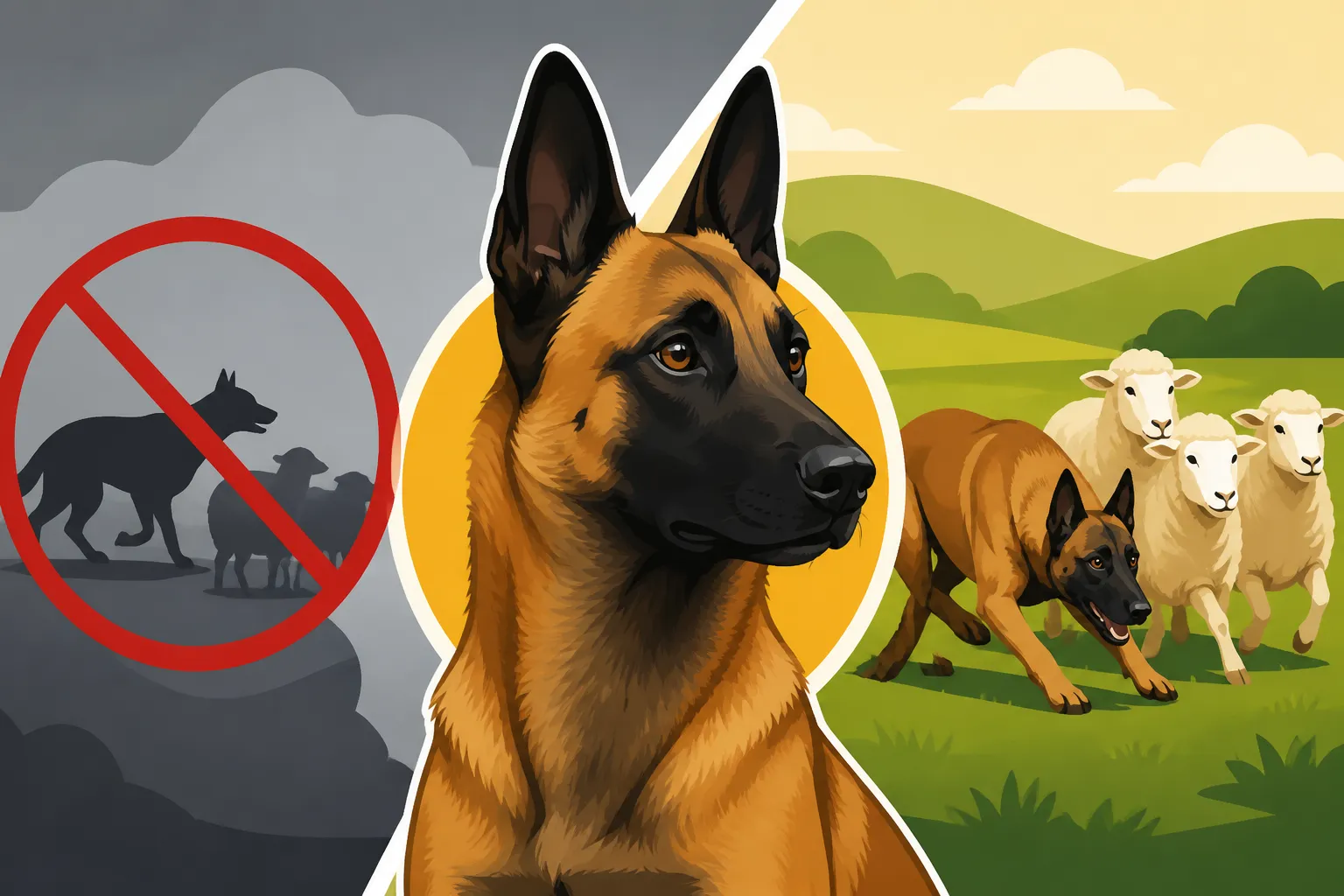
Whether a Belgian Malinois Still Herds
It’s easy to look at a Belgian Malinois today and immediately think of police K9s, military working dogs, or high-octane sport competitions. Their incredible drive, intensity, and focus in protection work are legendary, making it almost seem like that’s all they’ve ever done. But if you’ve ever seen your Malinois eyeing a flock of birds in the park a little too intently, or perhaps trying to 'herd' your children into a tighter group, you might wonder if there’s a deeper, older instinct at play. This guide will dive into the rich history of the Belgian Malinois, exploring their original purpose as herding dogs, how that role evolved, and whether the modern Malinois still possesses that incredible instinct today.
The Historical Roots of the Belgian Malinois as a Herding Dog
Before they were scaling walls, taking down decoys, or sniffing out contraband, Belgian Malinois were humble farm dogs. Their origins are deeply rooted in the agricultural landscapes of Belgium, where their keen intelligence and boundless energy were put to work managing livestock. It’s a far cry from the sleek, powerful image many have today, but understanding this foundational role is key to truly appreciating the breed.
From Farm to Field: The Original Purpose
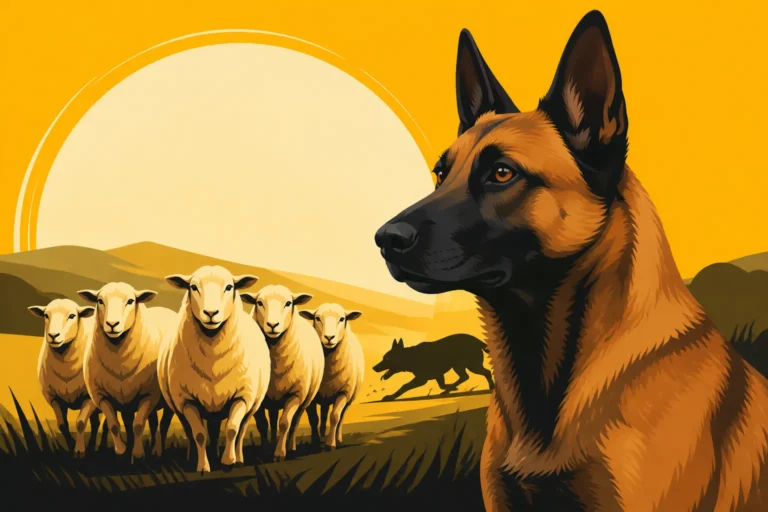
Imagine the sprawling farmlands of late 19th-century Belgium. Farmers needed dogs that could not only guard their property but also effectively manage their flocks and herds. The dogs that would eventually become the Belgian Malinois were developed precisely for this purpose. They were valued for their ability to gather, move, and protect sheep, cattle, and other farm animals. This wasn't just about chasing; it was about precision, control, and a deep understanding of livestock movement. These dogs were integral to the daily operation of a farm, acting as partners to their human counterparts. Their job wasn't flashy, but it was essential, requiring both physical stamina and sharp mental acuity. If you want to dive deeper into their original calling, we have a great piece on The Herding Job the Belgian Malinois Was Built For.
The Development of the Breed Standard Around Herding Traits
When the various types of Belgian Shepherds began to be formally recognized and standardized in the late 1800s, the Malinois was distinguished primarily by its short coat and its exceptional working ability. The early breed standard, while outlining physical characteristics, placed immense emphasis on temperament and working aptitude. Traits like intelligence, trainability, alertness, and an unwavering desire to work were paramount. These weren't just abstract ideas; they were concrete requirements for a dog that needed to think on its feet, respond to complex commands, and manage animals often much larger than itself. A Malinois couldn't be shy or overly aggressive; it needed confidence, courage, and a calm disposition under pressure – all qualities vital for a successful herding dog. Breeders specifically selected for these operational qualities, ensuring that the working heritage remained strong in successive generations.
The Shift in Focus: From Pasture to Protection
While the herding instinct was the foundation, the early 20th century brought significant changes to the Malinois's primary role. As societal needs evolved and the demand for traditional herding dogs lessened in some regions, the Malinois proved adaptable, quickly finding new avenues to excel, particularly in law enforcement and security.
The Rise of the Malinois in Police and Military Work
The transition of the Belgian Malinois from pastoral guardian to urban protector was a testament to their remarkable versatility and intense work ethic. Their inherent drives—prey drive, defense drive, and an insatiable desire to please their handler—translated perfectly into police and military applications. Their speed, agility, endurance, and fearless nature made them ideal candidates for patrol, apprehension, detection of narcotics or explosives, and even search and rescue. Countries like Belgium and the Netherlands were among the first to recognize this potential, incorporating Malinois into their police forces. Soon, their reputation spread globally, and they became the go-to breed for demanding K9 roles. Our article How the Belgian Malinois Took Over Police Work details this fascinating evolution.
Why Modern Breeding Prioritizes Drive Over Herding Instinct
With the widespread success of the Malinois in police, military, and protection sports like IGP (formerly IPO) or Ring Sport, breeding programs naturally shifted their focus. Today, most reputable breeders producing working-line Malinois prioritize qualities critical for these demanding roles. This means selecting for dogs with incredibly high prey drive, strong defense instincts, environmental soundness, and extreme resilience to pressure. While these drives can certainly aid in herding, they are not specifically cultivated for the nuanced control and gathering patterns required of a traditional herding dog. The "job" of a modern working Malinois is often about engagement with a human partner and performing tasks like bite work, tracking, or detection, which require a different set of instincts and physical attributes than circling a flock of sheep. The aim is often to build a dog that can push through distractions and perform under high stress, a trait which is slightly different to the patient and calculated approach of a herding dog.
Recognizing Herding Instincts in the Modern Malinois
Even with generations of selective breeding for other tasks, the deep-seated herding instincts haven't completely vanished from the Belgian Malinois. For owners of pet Malinois, or those involved in various dog sports, these innate behaviors can sometimes surface in unexpected ways.
Subtle Signs of Herding Behavior in Pet Malinois
If you live with a Malinois, you might have noticed some peculiar behaviors that hint at their ancestral job. These aren't always dramatic displays of circling a herd, but rather subtle, everyday actions. For instance, your Malinois might try to 'gather' family members, nudging them together or circling them playfully. They might nip gently at your heels or the ankles of visitors, a softened version of how they would control livestock. An intense fixation on moving objects – children on bicycles, remote control cars, or even fast-moving shadows – can also be a manifestation of their deeply ingrained prey and herding drive. These dogs often have an innate desire to control movement and bring things into order, even if that 'order' means chasing after a squirrel in the backyard with unparalleled intensity. The Herding Instinct Still in a Belgian Malinois is a great resource if you want to understand these behaviors better. Remember, these aren't malicious actions, but rather a dog acting on instincts that are thousands of years old. A good way to redirect this energy can be with durable toys from Chewy, providing an appropriate outlet for their powerful jaws and prey drive.
The Difference Between Innate Drive and Trained Herding
It's crucial to distinguish between a general herding instinct and the refined, trained ability to herd. Many Malinois will show flashes of herding behavior, but this raw instinct alone isn't enough for effective stock work. A dog bred specifically for herding, like a Border Collie, is often born with a strong 'eye' and a natural understanding of how to influence a flock. A Malinois, while incredibly intelligent and biddable, may have a stronger prey drive that, if not properly channeled, could result in chasing or scattering livestock rather than calmly gathering them. The key is in the training. While a Malinois can be taught to herd, it requires a dedicated handler and a skilled instructor to shape those powerful drives into precise, controlled movements, rather than letting them devolve into pure chase. Without proper guidance, those strong instincts can lead to behaviors like excessive barking, nipping, or even destructive tendencies if their mental and physical needs aren't met, as explored in What a Malinois Destroys in One Unsupervised Hour.
Opportunities for Malinois in Herding Today
Despite the breed's current prominence in protection and sport, there are still avenues for Malinois and their handlers to explore their natural herding abilities, often through recreational activities and trials.
Recreational Herding and Herding Trials
For those Malinois owners keen to tap into their dog's ancestral roots, recreational herding and organized herding trials offer a fantastic opportunity. Organizations like the American Kennel Club (AKC) and the Australian Herding Dog Association (AHBA) host events where dogs can demonstrate their natural herding instinct and trained skills. These events often involve working with sheep, ducks, or cattle in a controlled environment. It's an incredible experience to watch a Malinois, usually known for its intense focus on a decoy, switch gears and expertly guide a flock of sheep. However, it's not simply about showing up; finding an experienced herding instructor who understands the unique drives of a Malinois is essential. They can help channel that intensity into productive herding work, rather than just chaotic chasing. Many find it to be an incredibly rewarding outlet for their high-drive dogs. If you're considering this, our article Herding Trials With a Belgian Malinois provides excellent insights.
Is a Malinois the Best Choice for Herding?
This is a question many potential herding enthusiasts ponder. While a Malinois can herd, are they the best choice compared to breeds explicitly bred for generations for that sole purpose? Breeds like Border Collies, Australian Shepherds, or even some of the other Belgian Shepherd varieties often come with a more inherent, refined herding 'style.' A Malinois brings incredible speed, power, and intensity to the field, but they might require more careful shaping to develop the finesse and 'feel' for stock that comes more naturally to some other breeds. Their high prey drive, while an asset in protection work, needs careful management in a herding context to prevent the dog from becoming overly aggressive towards the stock. Ultimately, a Malinois can be a very capable herding dog, but it often requires a more dedicated and skilled handler to harness their unique blend of drives effectively.
Training a Malinois for Herding Work
Embarking on herding training with a Belgian Malinois is a rewarding journey, but it requires a structured approach and an understanding of the breed's specific temperament and drives. It's not just about letting them loose with sheep; it's about channeling their intensity.
Starting Early and Finding the Right Instructor
The foundation for successful herding training, much like any other discipline with a Malinois, often starts young. Early exposure to livestock, even in a very controlled and positive manner, can ignite and shape their natural instincts. However, the most critical step is finding a qualified herding instructor who not only understands the principles of herding but also has experience working with high-drive, powerful breeds like the Malinois. This isn't your average obedience class; a good instructor can read both the dog and the stock, guiding you on how to apply pressure, release, and communicate effectively. They'll know how to manage that intense Malinois drive so it translates into productive herding rather than an unruly chase. It’s a different skillset than the decoy work many Malinois are accustomed to, requiring patience and a methodical approach to build Building Engagement With a Belgian Malinois in a new context.
Key Elements of Herding Training for a Malinois
Herding training for a Malinois focuses on teaching them precise control over livestock using a combination of instinct and learned commands. Key elements include:
- Understanding the "Flank": Teaching the dog to move around the stock in a controlled arc.
- "Come By" and "Away to Me": Directing the dog to move clockwise or counter-clockwise around the stock.
- "Walk Up" / "Get Back": Moving the dog closer to or further from the stock.
- "Lie Down" / "Stand": Instilling immediate stops and control.
- Reading the Stock: Learning to understand how the sheep (or other livestock) react to the dog's presence and pressure.
Malinois, with their eagerness to please and high intelligence, can pick up these commands quickly. However, their sheer speed and intensity can sometimes mean they "overshoot" or apply too much pressure. The training often involves teaching them to temper their drive, working with finesse and patience. It's a dance between handler, dog, and stock, and requires a high degree of communication. Consistent practice, even with just a few sheep, is essential for solidifying these skills. You can even find specialized training treats on Chewy that are perfect for high-value rewards during these intense sessions. This structured job can be an excellent way to fulfill their need for The Structure a Belgian Malinois Needs Every Day.
Here’s a quick comparison of the demands for a Malinois in Herding versus Protection:
| Feature | Herding Work (Traditional) | Protection Work (Modern Sport/K9) |
|---|---|---|
| Primary Instinct | Gathering, controlling, moving stock | Prey drive, defense drive, guarding |
| Key Traits | Patience, 'eye', finesse, controlled pressure | Speed, power, fearlessness, grip strength |
| Focus | Livestock movement, handler commands, environment | Decoy/target, handler commands, controlled aggression |
| Challenge | Channeling high drive into subtle control | Maintaining control of extreme drive/aggression |
| Pace | Often measured, strategic, bursts of speed | Explosive, high-intensity, constant alertness |
| Physical Demand | Endurance, agility, quick direction changes | Explosive sprints, bite strength, impact resistance |
| Mental Demand | Problem-solving, reading stock, independent thought | Rapid response, pattern recognition, handler focus |
Ultimately, while the modern Belgian Malinois is renowned for its roles in law enforcement and sport, its ancestral blueprint as a herding dog is still very much a part of its genetic makeup. For the right handler and with dedicated training, a Malinois can still herd, tapping into those deep-seated instincts and proving their incredible versatility. It provides a fulfilling outlet for their immense energy and intelligence, offering a different, yet equally challenging, 'job' for this remarkable breed.
Disclaimer
This article is for general informational purposes only and does not constitute professional advice. Laws, prices and regulations vary by location and change over time. Consult a qualified professional for guidance on your specific situation.