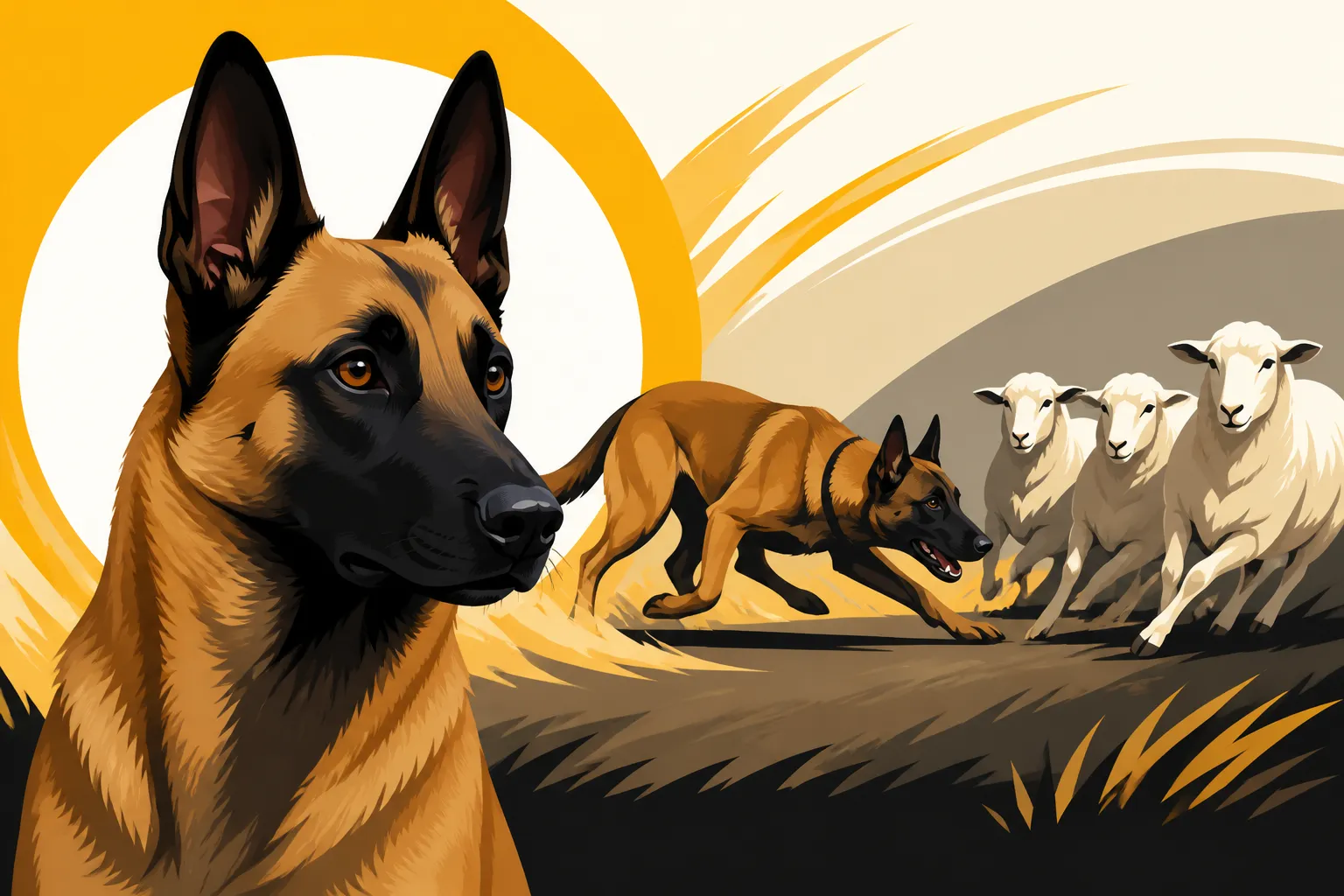
The Herding Instinct Still in a Belgian Malinois
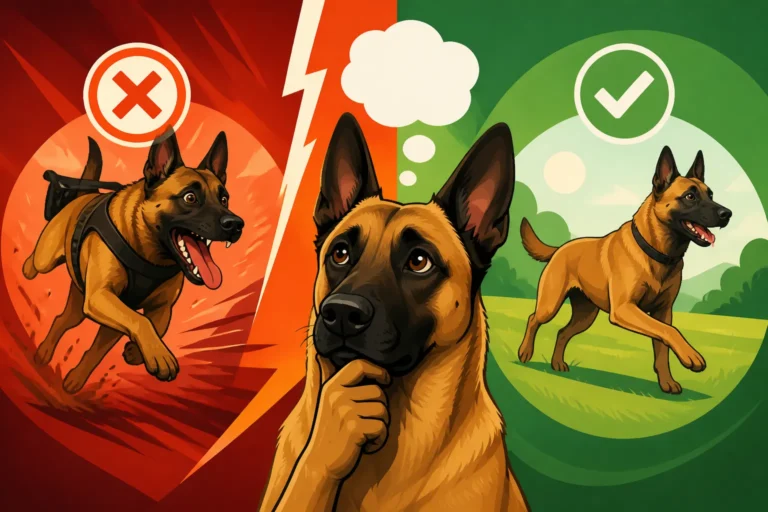
Many Belgian Malinois owners, especially those new to the breed, often feel bewildered by their dog’s intense focus, circling behaviors, or sudden nips at heels. It’s easy to misunderstand these actions as mere high energy or aggression, but in reality, you’re often witnessing the deeply embedded herding instinct that still thrives within this magnificent breed. This guide will take a deep dive into the historical roots of these behaviors, explore how they manifest in modern Malinois life, and provide practical, empathetic strategies to channel this powerful drive productively, turning frustration into a foundation for a stronger bond.
Tracing the Roots of the Malinois Herding Drive
When we think of a Belgian Malinois today, images of police work, military operations, or high-octane protection sports often spring to mind. Their athleticism, intelligence, and unwavering drive make them phenomenal partners in these demanding roles. However, to truly understand the Malinois, we must look back to their origins, far from the training fields and tactical scenarios, into the quiet, working farms of Belgium. It's here that their most fundamental instinct, herding, was honed and solidified over centuries.
From Sheep Pastures to Sport Arenas
The Belgian Malinois, like its close relatives the Groenendael, Tervuren, and Laekenois, was originally bred in the late 19th century as a versatile working farm dog in Belgium. Specifically, the Malinois variety developed around the city of Malines (Mechelen in Dutch) was prized for its short, easy-care coat and exceptional ability to gather and protect livestock, primarily sheep. These dogs weren't just fluffy companions; they were critical members of the farm economy, responsible for moving flocks, preventing strays, and guarding against predators. Their job required immense physical stamina, keen observational skills, quick decision-making, and an inherent understanding of how to influence the movement of other animals.
This foundational role as a herding dog instilled in the breed a powerful set of traits that persist to this day. Generations of selective breeding for efficiency in the pasture meant prioritizing traits like intense focus, an insatiable desire to work, lightning-fast reactions, and a natural inclination to organize and control their environment. While the demands of modern working dog roles have certainly shaped the Malinois, the bedrock of their instinctual programming remains firmly rooted in those Belgian sheep fields. The transition from herding to police and military work was, in many ways, a natural evolution, as the core drives for control, pursuit, and intricate problem-solving translated remarkably well to different "flocks" and "predators."
What Does "Herding Instinct" Actually Mean?
To really grasp what's going on inside your Malinois, it helps to break down the herding instinct itself. It's not just a general high drive; it's a specific suite of behaviors designed to move and control a group of animals. These behaviors typically include:
- Stalking: A low, intense gaze, often with a crouched posture, fixating on a perceived "flock" member or object. This is that laser-like focus you see in your Malinois when they lock onto a squirrel or even a moving shadow.
- Chasing: The pursuit of a moving target, designed to gather strays or push the flock in a certain direction. This translates into the relentless drive for a ball or the sudden dart after a cat.
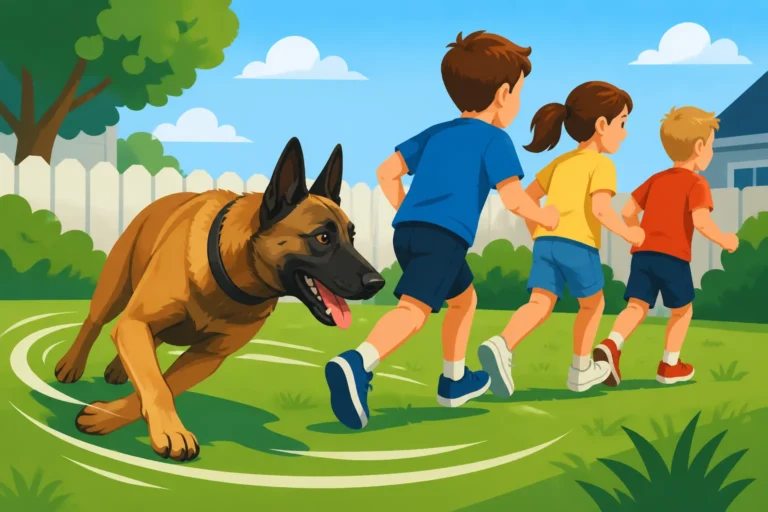
- Gathering/Circling: The act of running around a group to bring them together or keep them contained. You might see your Malinois do this with family members in the yard, trying to keep everyone within a certain perimeter.
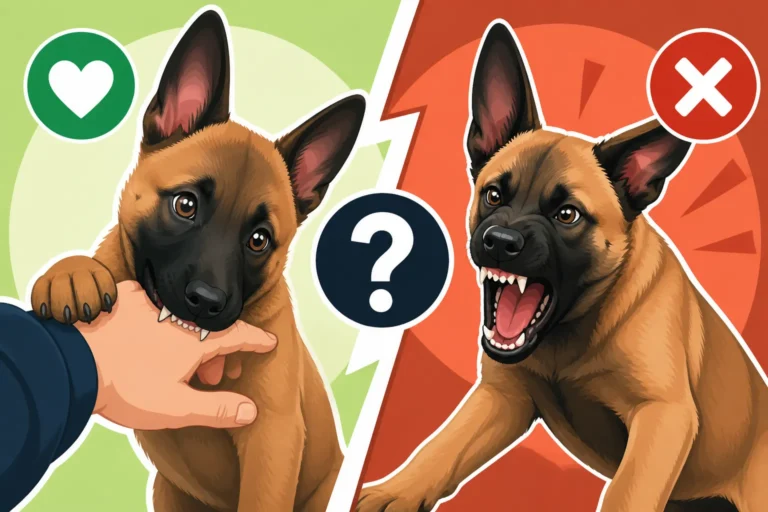
- Nipping/Bumping: A quick, precise nip at the heels or flanks to encourage movement. This is where the notorious Malinois "land shark" puppy phase often gets its fuel, but it can also manifest in older dogs towards people or other pets. It's generally not intended to cause harm, but rather to direct.
- Driving: Pushing the "flock" forward with assertive body language. This can look like your Malinois trying to steer you away from the kitchen or blocking a doorway.
Understanding these components is crucial because it allows us to reframe many common Malinois behaviors. That intense focus on the vacuum cleaner? Herding. The incessant circling of the kids playing? Herding. The tendency to push or block you from going somewhere? Herding. It's not necessarily "aggression" or "disobedience" in the human sense, but a deeply ingrained, powerful drive seeking an outlet. Recognizing this allows you to address the underlying instinct rather than just punishing the symptom, fostering a more effective and empathetic training approach.
How Herding Instinct Manifests in the Modern Malinois
Without sheep to herd, the Malinois's powerful instincts don't just disappear. They simply find new, often less appropriate, targets and outlets. This can be a source of constant amusement, frustration, or even danger for unsuspecting owners. It's why a Belgian Malinois is often said to be "too much dog" for many households. Their drive isn't just a switch you can turn off; it's a core operating system that needs to be understood and managed.
The Unexpected Targets: Children, Pets, and Moving Objects
It's a common scenario for Malinois owners: your dog is calmly watching the kids play, and suddenly, one child runs, and BAM! Your Malinois is behind them, nipping at their heels or trying to cut them off. Or perhaps your cat, usually ignored, makes a dash, and the Malinois is instantly in pursuit, attempting to "gather" it. These aren't malicious acts; they are pure herding instinct kicking in. The movement triggers the ingrained desire to control and direct. This can be incredibly frustrating for parents, who understandably want their children to be safe, and can lead to a dog being unfairly labeled as aggressive. It’s critical to remember that A Malinois That Herds Children Around a Yard isn't being mean; it's doing what its ancestors did on the farm, just with a different, and far more delicate, "flock."
Beyond family members, the world is full of moving targets that can ignite this instinct. Bicycles, skateboards, joggers, cars, even leaves blowing in the wind – all can become subjects for your Malinois's intense focus and desire to "work." You might notice your dog fixating, lowering its head, or trying to dart out and cut off a moving object. This isn't just general prey drive, although there's overlap; it's the specific pattern of observing, chasing, and attempting to control movement. This can be particularly dangerous on walks, where a sudden surge towards a passing car could result in injury to both dog and handler. Understanding that this is an instinctual response, rather than willful disobedience, is the first step in managing it safely.
The Drive to Control and Manage Space
The herding instinct isn't just about moving others; it's also about managing the flock's location and dynamics. In a home environment, this can translate into a Malinois with a strong sense of personal space and a desire to control the movement of its human family. You might find your Malinois blocking doorways, gently nudging you away from certain areas, or even trying to "herd" you back into a specific room. They might circle family members who are spread out in a living room, trying to bring them into a tighter group, or stare intently at someone who is moving around too erratically for their liking.
This desire to control and manage can sometimes be mistaken for resource guarding if the Malinois is "guarding" access to a room or a person, but it often stems from that same deep-seated need to keep the "flock" organized and safe. It can also contribute to a Malinois that pulls toward every distraction on the leash, not just out of excitement, but out of a powerful urge to investigate, control, or gather. Imagine their mental checklist: "Is everyone where they should be? Is anything moving that shouldn't be? How can I get this to go where I want it to go?" Without proper training and an understanding of this inherent drive, these behaviors can make daily life quite challenging, turning mundane activities into a constant struggle for control.
Strategies for Channeling and Managing Herding Behavior
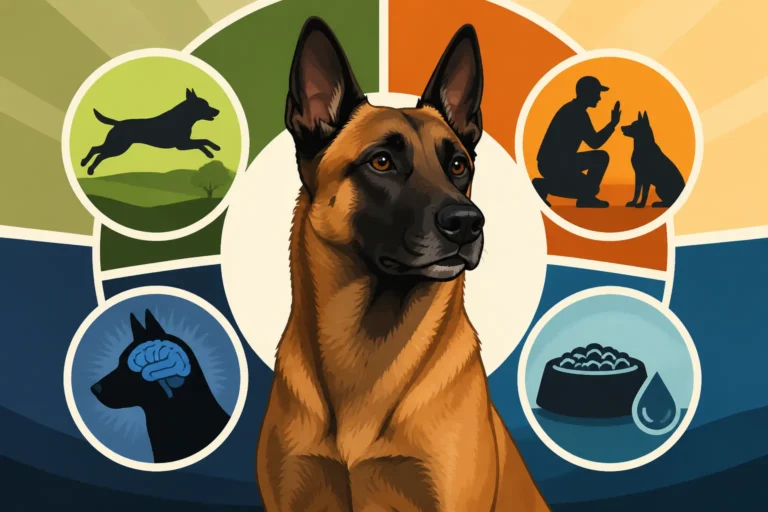
Living with a Belgian Malinois and their strong herding instinct doesn't have to be a battle. In fact, when understood and properly channeled, it can be a source of immense joy and a foundation for exceptional training. The key is to provide appropriate outlets and clear communication, so your Malinois knows when and where their instincts are welcome, and when they need to defer to you.
Foundation Training: Building an Off Switch and Control
The absolute cornerstone of managing a Malinois with strong herding instincts is rock-solid foundation training. This breed needs more than just basic obedience; they need an "off switch" and the ability to defer to your judgment, especially when their instincts are screaming at them to take action.
- Early and Consistent Obedience: Start early, ideally the moment your Malinois puppy comes home. Enroll in structured puppy classes and continue with advanced obedience. Consistency is paramount. Every family member needs to be on the same page with commands and expectations.
- Powerful Recall and "Leave It": These are non-negotiable. Your recall needs to be instant and reliable, even when your Malinois is in full drive, fixated on a squirrel or a child running. The "leave it" command will be your best friend when they lock onto something they shouldn't be trying to herd or chase. Practice these commands relentlessly in increasingly distracting environments. Starting Malinois Recall the Week It Comes Home is not an exaggeration.
- "Place" Command Mastery: Teaching your Malinois to go to a designated "place" (a mat, bed, or crate) and stay there calmly is invaluable for managing their herding urges in the home. It gives them a job – to be still and relax – and gives you control over their movement and focus. A strong Building a Malinois's Place Command provides a mental break for both of you. Many online training platforms, such as BAXTER & Bella, offer comprehensive modules on building these foundational commands, which can be a lifeline for busy owners.
- Engagement and Focus on You: Before you can expect your Malinois to ignore a running child or a passing bike, you need to build intense engagement with you. Use toys, treats, and praise to make yourself the most interesting thing in the environment. Your Malinois needs to learn that checking in with you and responding to your cues is more rewarding than giving in to their natural urges.
Providing Appropriate Outlets for Instinct
Since the herding instinct is so powerful, simply suppressing it isn't fair or effective. You need to give your Malinois acceptable outlets where they can use these drives in a controlled, productive manner. This is where dog sports really shine for Malinois.
- Actual Herding Trials: If you have access to a facility with sheep or ducks, exploring Herding Trials With a Belgian Malinois can be incredibly fulfilling for your dog. It allows them to use their natural talents in their intended context, often leading to a much calmer dog in other areas of life.
- Agility and Flyball: These fast-paced sports utilize the Malinois's speed, agility, and desire to chase and circle. While not directly herding, the elements of navigating obstacles, chasing a lure, and working as a team can be a fantastic substitute. Whether a Malinois Has the Body for Agility is rarely a question; they are built for it!
- Flirt Poles: For a simpler, backyard option, a flirt pole can be excellent for channeling prey drive and the chase component of herding. It allows your dog to pursue a moving lure in a controlled manner, with you as the director. Make sure to teach a strong "out" command and end play before your dog is completely overstimulated.
- Structured Play: Games of fetch should have rules, including a solid "drop" or "out" command. Tug games are also wonderful, but again, rules are vital. Tug Rules for a Belgian Malinois should always be in place to teach control and appropriate interaction, ensuring your dog understands that you initiate and end the game.
- Mental Stimulation: Don't underestimate the power of mental work. Puzzle toys, like those found easily on Amazon, nose work, and scent detection games tap into their problem-solving and focus, which are closely linked to their original herding duties. Puzzle Work for a Belgian Malinois Indoors and Starting Scent Detection With a Belgian Malinois can be surprisingly tiring for a high-drive dog.
Managing the Environment and Preventing Undesirable Behavior
Even with the best training and outlets, proactive environmental management is crucial, especially in the early stages of training or in high-risk situations.
- Supervision with Children and Other Pets: Never leave your Malinois unsupervised with small children or other vulnerable pets, especially if they are known to exhibit herding behaviors like nipping or chasing. Teach children how to interact respectfully and avoid running or screaming around the dog. For homes with multiple pets, thoughtful introductions and management strategies like tethering or crate-and-rotate systems can prevent issues. A Belgian Malinois in a House With Kids and Dogs requires constant vigilance.
- Leash Training and Distraction Management: On walks, use appropriate training tools and techniques to prevent your Malinois from lunging at bikes, cars, or joggers. Focus on engagement and rewarding calm behavior. Tools like a head halter or a well-fitted martingale collar can provide better control than a flat collar. A dedicated focus on Teaching a Malinois to Walk Without Dragging You will make a world of difference.
- Secure Containment: A Malinois's drive to pursue can lead them to push boundaries. Ensure your yard has Fencing That a Belgian Malinois Cannot Clear, and that crates or kennels are secure enough to contain them safely when you cannot actively supervise.
- Muzzle Conditioning: For dogs with a strong tendency to nip or mouth, or for safety during training in new environments, muzzle conditioning is a responsible step. Teach your Malinois to wear a comfortable basket muzzle positively, so it's a neutral tool, not a punishment. Muzzle Conditioning Before a Malinois Ever Needs One is a skill every Malinois owner should consider.
The Benefits of Understanding This Core Instinct
While dealing with a Malinois's intense herding instinct can certainly present its challenges, embracing and understanding it unlocks a deeper connection with your dog and allows you to truly unleash their incredible potential. It transforms what might seem like a flaw into a remarkable strength.
Building a Stronger Bond Through Insight
Imagine the relief you'll feel when you realize that your Malinois isn't being "bad" or "stubborn" when they try to herd the kids, but rather, they are simply acting on an ancient, powerful instinct that they were literally born to perform. This shift in perspective is incredibly liberating. It fosters empathy and allows you to approach training with patience and understanding, rather than frustration. Instead of punishing an innate drive, you can work with it.
When you start to speak their language, recognizing the cues and motivations behind their behaviors, your bond will deepen profoundly. Your Malinois will feel understood, leading to greater trust and cooperation. This insight helps you anticipate their actions and redirect them before undesirable behaviors even escalate. You become not just their owner, but their leader and guide, showing them how to navigate a human world while still honoring their magnificent, instinctual selves. It’s about meeting them where they are, acknowledging their intrinsic wiring, and building a partnership based on mutual respect and understanding.
Unleashing Their Potential in Productive Ways
The beauty of the Belgian Malinois lies in their intense drive and focus, qualities that stem directly from their herding heritage. When you learn to channel this instinct, rather than fight it, you open up a world of possibilities for your dog. A Malinois given appropriate outlets for their herding drive is a more fulfilled, calmer, and happier dog. They thrive on having a job, and many of the "jobs" we give them today, whether it's competitive dog sports, advanced obedience, or even complex scent work, are modern interpretations of that original herding role.
Think about it: the intense focus required for tracking, the lightning-fast turns in agility, the precision of competitive obedience routines – all these capitalize on the very same drives that made them exceptional sheepdogs. When a pet Malinois is truly given The Job a Pet Belgian Malinois Can Be Given, even if it's just a demanding training regimen or a challenging puzzle routine, they stop looking for "mischief" and start shining. Understanding their herding instinct allows you to tap into their full potential, transforming a high-energy dog into a highly capable and incredibly rewarding partner. It's a journey that will challenge you, but one that will ultimately reward you with a magnificent companion who is not just well-behaved, but truly understood and thriving.
| Herding Behavior Manifestation | Underlying Herding Instinct | Potential Issues if Unmanaged | Productive Outlets/Management |
|---|---|---|---|
| Nipping at heels of children/running people | Gathering, Nipping | Scaring children, accidental injury, perceived aggression | Strict "Leave It" command, supervised play, designated "Place," flirt pole |
| Circling family members in yard/house | Gathering, Containing | Annoyance, tripping hazard, perceived bossiness | Herding trials, obedience (heeling), "Place" command, structured fetch |
| Fixating and chasing bikes/cars/squirrels | Stalking, Chasing | Danger (running into traffic), leash reactivity, overstimulation | Strong recall, "Leave It," long-line work, specific lure/chase games (e.g., agility, flyball) |
| Blocking doorways, nudging people | Driving, Managing Space | Annoyance, perceived resource guarding or rudeness | "Off Switch" training, boundary training, "Place" command, teaching polite greetings |
| Intense stare at moving objects/people | Stalking, Focus | Anxiety in public, reactivity, difficult to redirect | Engagement exercises, controlled focus drills, scent work, puzzle toys |
Disclaimer
This article is for general informational purposes only and does not constitute professional advice. Laws, prices and regulations vary by location and change over time. Consult a qualified professional for guidance on your specific situation.