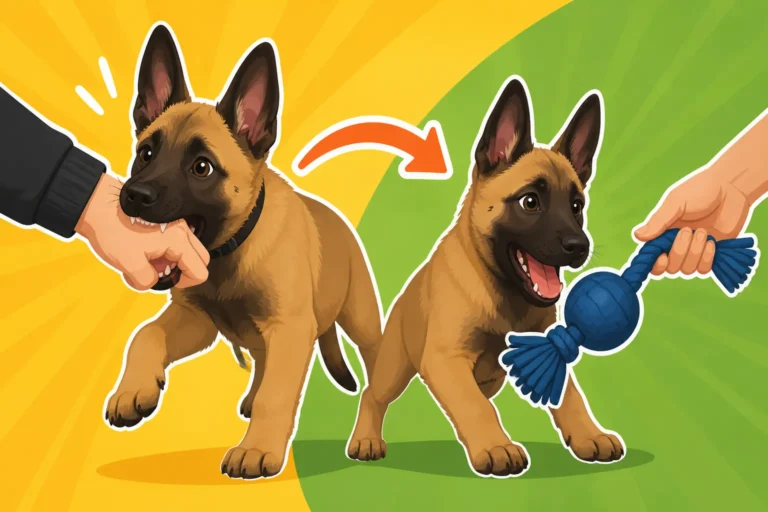
Whether Too Much Exercise Makes a Malinois Worse
It’s a common, heartbreaking frustration for so many Belgian Malinois owners: you’ve poured every ounce of energy you have into exercising your dog, tirelessly throwing the ball, going for long runs, or spending hours at the dog park, only to find them even more wired, frantic, or destructive when you get home. It feels like a lose-lose situation, and you might even start to wonder if you’re doing something wrong. This guide aims to shed light on a counterintuitive truth: sometimes, too much of the wrong kind of exercise can actually make your Malinois's drive and challenging behaviors worse, and how to find that elusive sweet spot.
The Counterintuitive Reality: Why More Isn't Always Better
You brought home a Belgian Malinois, and you knew they needed exercise – lots of it. So you committed. You run, you hike, you play fetch until your arm aches. Yet, instead of a calm, content dog, you're greeted with a hyperactive whirlwind, possibly even more prone to mischief than before. It feels like you're caught in a vicious cycle: the more you try to tire them out physically, the more boundless their energy seems to become, and the more frustrated you feel. This isn't just your imagination; it's a very real phenomenon that many high-drive dog owners experience.
The core issue often lies in what we define as "exercise." For a Belgian Malinois, a breed forged for demanding working roles, sheer physical exertion is only one piece of a complex puzzle. Their intelligence, their intense prey drive, and their need for purpose mean that an unmet mental component can completely negate the benefits of physical activity. In fact, for many Malinois, an hour of repetitive ball-chasing, while physically taxing, can actually serve to ramp up their arousal levels, leaving them physically tired but mentally overstimulated and ready to bounce off the walls once the activity stops. It's like trying to fill a bathtub with a leaky faucet – you keep pouring in the water, but the tub never stays full.
The Overtired and Overstimulated Malinois
Think about a small child who skips their nap. By evening, they're not calmly tired; they're often a frantic mess, running wild, having meltdowns, and unable to settle despite their exhaustion. The same principle applies to an overstimulated Belgian Malinois. When you engage in high-intensity, repetitive activities like endless fetch or constant running without a clear 'off-switch' or mental component, you're constantly activating their sympathetic nervous system – their "fight or flight" response. This floods their system with adrenaline and cortisol, the stress hormones.
While they might be physically weary, their brain is still in overdrive. You'll see signs like increased reactivity to sounds or movements, an inability to settle even in a quiet house, frantic pacing, increased nipping or mouthing, shadow chasing, or a sudden burst of destructive behavior towards household items. They might even become more barky or demanding. It's not that they need more exercise in this state; they desperately need activities that engage their brains and teach them how to down-regulate and relax. Continuing to push them physically when they're already overstimulated will only dig the hole deeper, potentially creating a dog that struggles with self-control and impulse management in the long run.
The Misconception of "Tiring Them Out"
Many new Malinois owners, and even some experienced ones, fall into the trap of believing that the goal is simply to "tire them out" through physical exhaustion. While it works for some breeds, a Belgian Malinois is an endurance athlete with a mind built for problem-solving. Their genetic makeup means they can often run for hours, chasing and driving, without truly feeling fulfilled. Imagine trying to tire out a marathon runner by having them sprint short distances over and over again – they might get winded, but their core energy reserves remain.
A Malinois that is solely physically exhausted, but hasn't had its mental needs met, will still be a coiled spring. They might collapse for a short time, only to rebound with even more frantic energy, demonstrating a clear lack of an "off switch." This approach often overlooks the crucial aspect of mental fatigue. A dog that has spent an hour intently sniffing out a hidden scent, or precisely executing a complex obedience routine, will often be far more genuinely tired and settled than one that has run five miles on a leash without engaging its brain. Why Walks Alone Do Nothing for a Malinois is a topic that resonates deeply with this very problem, highlighting how mindless physical activity often misses the mark for this breed.
Beyond Physical: The Critical Role of Mental Engagement
The secret to a truly content and calm Belgian Malinois isn't just more exercise; it's smarter exercise, heavily weighted towards mental engagement. These dogs were bred for complex tasks – herding, protection, detection. Their brains are wired for problem-solving, decision-making, and purposeful work. When these instincts are ignored, or only addressed through repetitive physical outlets, their internal drive simply finds less desirable ways to manifest itself, often leading to behaviors that homeowners find challenging.
Think of it this way: a Malinois's brain is a supercomputer, and if you only ever use it for basic arithmetic (like chasing a ball), it's going to get bored and start trying to hack into the system for entertainment. Providing meaningful mental work is like giving that supercomputer a complex coding project – it channels that immense processing power into productive, fulfilling tasks.
Engaging the Malinois Brain for True Fulfillment
True fulfillment for a Belgian Malinois comes from having a "job" that challenges their intellect and allows them to use their natural drives in a constructive way. Short, focused sessions of mental work can be far more tiring and satisfying than hours of undirected physical activity. These activities tap into their innate problem-solving abilities and provide a sense of accomplishment.
Consider these options for engaging their brilliant minds:
- Obedience Training: This isn't just about sitting politely. Teaching complex chain commands, working on proofing behaviors in distracting environments, or practicing precision heeling demands intense focus. A 15-minute session of precise obedience, especially if you're working on something new, can leave your Malinois pleasantly tired.
- Scent Work: This is a fantastic outlet for their incredible noses and natural hunting instincts. Whether you're hiding treats in the house for them to find (a "find it" game) or enrolling in formal nose work classes, using their olfactory senses is incredibly draining in a good way. You can even use simple items around the house, like a towel rolled up with kibble inside, or a snuffle mat, which you can easily find on Amazon.
- Puzzle Toys: Investing in high-quality, durable puzzle toys can provide a wonderful mental challenge, especially when you need a moment of peace. These toys require your Malinois to figure out how to release food or treats, engaging their brain in a constructive way. Rotate them to keep things fresh and interesting.
- Structured Play: Even fetch can be mentally stimulating if you add rules. Make your Malinois wait for a release command, practice a 'down' during the retrieve, or teach them to bring the toy to hand every time. This transforms mindless chasing into a cooperative game that engages their brain and builds impulse control.
Many owners find immense value in structured training programs that prioritize engagement. The Mental Work That Finally Tires a Malinois Out goes into even greater detail about these types of activities. Online resources, like those offered by BAXTER & Bella, can provide a fantastic framework for building these skills, guiding you through exercises that specifically target a Malinois's mental needs and help them develop that crucial "off switch."
The Balance of Body and Mind
While mental engagement is paramount, physical exercise remains vital for a Malinois's overall health and well-being. The key is finding a harmonious balance. Pure physical exertion without mental stimulation often leads to an overstimulated dog, but pure mental stimulation without any physical outlet can lead to pent-up energy that eventually explodes.
A balanced day might look something like this:
| Time of Day | Activity Type | Example Activity | Duration | Goal |
|---|---|---|---|---|
| Morning | Physical & Mental | Structured walk with leash manners, short obedience bursts | 30-45 min | Burn some physical energy, engage brain |
| Mid-Morning | Mental | Scent game with hidden treats or puzzle toy | 15-20 min | Focused mental work, quiet time |
| Afternoon | Physical | Short, intense burst of controlled fetch or flirt pole | 15 min | High-intensity physical release |
| Evening | Mental & Calm | Longer chew session, gentle grooming, BAXTER & Bella training session | 30 min | Promote calm, reinforce bond |
Notice that the physical bursts are often shorter and more structured, followed by periods of mental work or calm. This approach mimics the working dog's day, where periods of intense activity are interspersed with focused tasks and periods of rest. For more ideas on how to structure their day, check out Two Hours and a Job a Belgian Malinois Demands Daily. This thoughtful integration of different types of activities prevents the overstimulation spiral and fosters a more balanced, settled dog. It's about working smarter, not just harder, when it comes to exercising your Malinois. Structured Work Against Random Running for a Malinois delves deeper into why intentional movement is superior to simply letting them burn off steam.
Recognizing the Telltale Signs of Over-Exercise and Stress
It can be incredibly hard to differentiate between a Malinois that's genuinely under-exercised and one that's actually over-exercised or chronically stressed from too much, or the wrong kind, of activity. Their drive often masks their fatigue, and their frantic behaviors can easily be misinterpreted as a plea for more activity. However, there are distinct behavioral and physical cues that signal you might be pushing your Malinois too far or in the wrong way. Learning to read these signs is crucial for their well-being and your sanity.
Behavioral Indicators of Too Much Physical Exertion
When a Belgian Malinois is constantly overstimulated from excessive or inappropriate exercise, their behavior often reflects a state of chronic arousal rather than true fulfillment. You might notice:
- Increased Anxiety and Reactivity: They might become jumpier, more sensitive to sudden noises, or react more intensely to passersby, other dogs, or even household sounds. This isn't necessarily aggression; it's often a heightened state of stress where their threshold for coping with stimuli is lowered.
- Obsessive Behaviors: Persistent shadow chasing, light chasing, spinning, or repetitive licking can be signs of a dog trying to cope with an overstimulated nervous system. These behaviors often intensify when they're not given appropriate mental outlets.
- Inability to Settle: Even after a long run, they might pace relentlessly, whine, or refuse to lie down and truly relax. They might seek attention in demanding ways, nudging, pawing, or bringing toys repeatedly. This is a classic sign of an "overtired but still wired" dog. A Malinois That Screams Rather Than Settles explores this very issue.
- Heightened Destructive Tendencies: A Malinois with too much physical, but not enough mental, stimulation might channel their frustration into destroying furniture, chewing inappropriate items, or digging in the yard. It's their way of releasing pent-up energy and stress. You might even find yourself asking What a Malinois Destroys in One Unsupervised Hour.
- Decreased Appetite or Pickiness: Chronic stress can affect a dog's digestive system and appetite. If your Malinois is suddenly not as eager to eat, or becomes unusually picky, it could be a subtle sign of ongoing stress from over-exertion.
- Frantic or Hyper-Vigilant Behavior: Instead of calmly observing their surroundings, they might be scanning constantly, barking at every leaf that blows by, or starting at imaginary threats. Their senses are on high alert, even when there's no real threat.
In contrast, a truly well-exercised and mentally fulfilled Malinois will be able to settle down readily, sleep deeply, and greet new situations with a calmer, more observant demeanor. They might be energetic when appropriate, but they have a clear "off switch" and can relax in the home.
Physical Manifestations of Chronic Overworking
Beyond behavior, physical signs can also indicate that your Malinois is being over-exercised, particularly in terms of intense, repetitive strain. These signs are often more subtle initially but can lead to serious health issues if ignored:
- Lameness or Stiffness: This is one of the most obvious signs. If your Malinois is limping, favoring a limb, or seems stiff, especially after intense activity or first waking up, it's a huge red flag. This can range from muscle strains to more serious joint issues.
- Reluctance to Move or Engage: A dog that usually loves to play but suddenly seems hesitant, slow to get up, or less enthusiastic about their usual activities might be experiencing pain or chronic fatigue.
- Dull Coat or Poor Body Condition: While Malinois are naturally lean, chronic stress and over-exertion can impact their metabolism and nutrient absorption, leading to a dull coat, dry skin, or difficulty maintaining a healthy weight despite adequate food intake.
- Excessive Panting or Heat Intolerance: If your Malinois is panting heavily long after the exercise has stopped, or seems unusually sensitive to heat, it could be a sign of chronic overexertion or that their body is struggling to regulate itself due.
- Repeated Injuries: Muscle strains, torn ligaments, or pad injuries can become more frequent if a dog is constantly pushed beyond its physical limits without adequate recovery time. Bite sport dogs, for example, are prone to specific injuries if their conditioning isn't managed carefully, as highlighted in Injuries a Bite Sport Belgian Malinois Collects.
It’s tempting to think that a Malinois, being so robust, can handle anything you throw at them. But just like human athletes, they need smart conditioning, warm-ups, cool-downs, and most importantly, rest. Ignoring these signs can lead to long-term orthopedic problems, chronic pain, and a significant decrease in their quality of life. Even seemingly minor stiffness can be an early warning. Many owners look into Joint Supplements for a Working Belgian Malinois as a preventative measure, but nothing replaces proper exercise management.
Crafting a Balanced Exercise and Training Regimen
Finding the perfect balance for your Belgian Malinois is an ongoing journey, not a destination. It requires observation, flexibility, and a deep understanding of your individual dog's needs. Remember, your Malinois isn't a robot; they have good days and bad days, just like us. The goal is to create a lifestyle that consistently challenges their mind, exercises their body appropriately, and teaches them how to be a calm, settled member of your household.
Structuring Your Malinois's Day for Optimal Engagement
A well-structured day is the foundation of a happy, well-adjusted Malinois. It provides predictability, which can reduce anxiety, and ensures that all their needs – physical, mental, and emotional – are met.
Here’s how you can approach structuring their day:
- Morning Motivation (Physical & Mental): Start the day with a focused activity. This could be a brisk walk where you practice heel, turns, and stops, followed by a short obedience session (5-10 minutes) in the yard. Or, if weather permits, a session with a flirt pole where you teach them to wait, chase, and 'out' on command. The key is controlled bursts of energy with mental input.
- Midday Mind Games (Mental): This is a great time for solo mental work. Provide a challenging puzzle toy, a frozen Kong, or a snuffle mat filled with their meal. You can easily find a vast selection of these items on Amazon. These activities keep their brain engaged and promote calm chewing, which is a natural stress reliever. You can even create a simple "find it" game by hiding their kibble around a room. Puzzle Work for a Belgian Malinois Indoors offers more inspiration.
- Afternoon Adventure (Varied): This could be anything from a more extensive training session, a trip to a dog-friendly hiking trail (if appropriate for your dog's temperament and training), or a visit to a training club for bite work or agility. The goal is novelty and purpose. If you're working on protection sport, ensure your dog is getting proper warm-ups and cool-downs.
- Evening Wind-Down (Calm & Connection): The evening should be about settling. This might involve a relaxed training session, practicing 'place' or 'down-stay' for extended periods, or a grooming session. Teach your Malinois to chew on appropriate long-lasting chews or bones in their bed. This helps promote a calm state before bedtime. Remember, Whether a Belgian Malinois Ever Truly Relaxes is often a direct result of how well their day is structured.
The overarching theme for your Malinois’s routine should be The Structure a Belgian Malinois Needs Every Day. Consistency is your best friend here. While the specific activities can vary, maintaining a general routine helps your Malinois understand expectations and feel secure.
When to Seek Professional Guidance
Even with the best intentions and a solid understanding of Malinois needs, some owners find themselves struggling. If your Malinois continues to exhibit severe behavioral issues despite your best efforts at a balanced regimen, or if you feel overwhelmed, it’s absolutely okay – and highly recommended – to seek professional help.
- Certified Professional Dog Trainers: Look for trainers with extensive experience specifically with working breeds like Belgian Malinois. They can offer personalized guidance, help you refine your training techniques, and identify subtle triggers or imbalances in your current routine. A good trainer can help you build on The Handler Experience a Belgian Malinois Needs, teaching you how to communicate more effectively with your dog.
- Veterinary Behaviorists: For more severe cases of anxiety, reactivity, or obsessive behaviors, a board-certified veterinary behaviorist can provide a comprehensive assessment. They can rule out underlying medical conditions, prescribe medication if necessary, and develop a specialized behavior modification plan tailored to your dog's unique situation.
Remember, getting help is a sign of responsible ownership, not failure. These professionals have the expertise to help you and your Malinois thrive. They can provide invaluable insights and tools to help you navigate the complexities of this incredible, high-drive breed.
Disclaimer
This article is for general informational purposes only and does not constitute professional advice. Laws, prices and regulations vary by location and change over time. Consult a qualified professional for guidance on your specific situation.