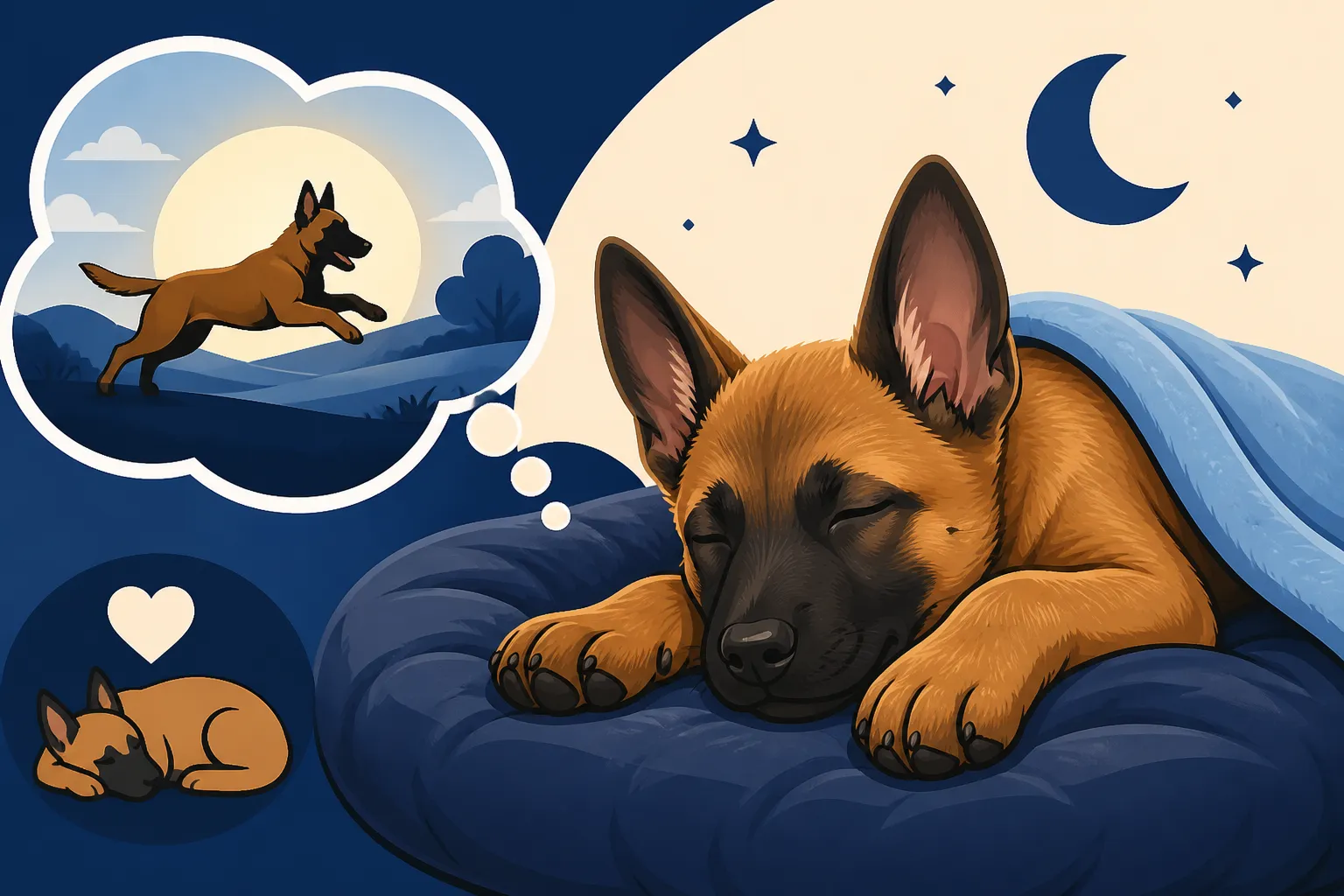
Sleep a Belgian Malinois Puppy Actually Needs
It's a common scene in a Belgian Malinois household: your new puppy, a bundle of seemingly endless energy, zooming around, mouthing everything in sight, and then suddenly, poof, they're out cold. You might look at them, sound asleep, and wonder if they're getting enough rest, or if their sporadic naps are truly restorative. This guide is going to dive deep into the crucial world of puppy sleep, helping you understand just how much shut-eye your Malinois youngster needs to thrive, grow, and develop into the magnificent dog they're destined to be.
Why Quality Sleep is Non-Negotiable for a Malinois Puppy
Let's be real, a Malinois puppy isn't like other puppies. Their minds are constantly whirring, their bodies are mini powerhouses, and their drive is off the charts even at a young age. Because of this intense developmental period, quality sleep isn't just a nice-to-have; it's absolutely essential for their physical and mental well-being. Without it, you’re looking at a cranky, overstimulated, and potentially destructive puppy – and nobody wants that.
Physical Growth and Development
Imagine a tiny blueprint coming to life at lightning speed. That's your Malinois puppy. Their bones are growing, muscles are forming, and their immune system is rapidly developing to protect them from the world. All these complex processes require an incredible amount of energy, and much of this crucial work happens when they're sound asleep. Growth hormone is released, cells regenerate, and energy stores are replenished, preparing them for another day of boundless exploration and learning. Disruptions to this sleep can literally hinder their physical development, making them more susceptible to injury or illness.
Beyond just physical growth, their entire body is being fine-tuned. From their paws to their powerful jaws, everything is constantly changing. Sleep allows their tiny bodies to repair the micro-traumas of puppy play and solidify their rapidly developing musculature. Think of it as their system's overnight maintenance crew, working tirelessly to build a strong foundation for the athletic demands of a full-grown Malinois.
Cognitive and Emotional Processing
If you've ever felt foggy and irritable after a sleepless night, you know how vital sleep is for your brain. It's no different for your Malinois puppy, whose brain is experiencing an explosion of new information every single day. They're learning about their environment, soaking up your training cues, figuring out social dynamics with littermates or other pets, and simply processing the sheer volume of sensory input the world throws at them. Sleep is where all this data gets sorted, filed, and cemented into memory.
When a Malinois puppy is awake, especially a high-drive breed like this, they are constantly engaged. They're problem-solving, exploring, and pushing boundaries. This constant mental activity needs a significant period of downtime for their brains to consolidate memories, process experiences, and regulate emotions. A well-rested puppy is a puppy that can learn effectively, respond calmly to new situations, and isn't prone to the over-the-top reactions that come with fatigue. Think about teaching them a new command; if they haven't had enough sleep, their focus will be shot, and the lesson will be a struggle for both of you. This is also key for navigating phases like The Shark Phase Every Malinois Puppy Goes Through without extreme reactivity.
How Much Sleep Your Malinois Puppy Actually Needs
Okay, so we know sleep is important. But how much is "enough" for these energetic little land sharks? The truth is, it's a lot more than you might initially think, especially for a breed with such intense wiring. Malinois puppies, like all puppies, are essentially tiny sleep machines that have bursts of manic energy interspersed with deep slumber.
Age-Specific Sleep Requirements
The younger your Malinois puppy, the more sleep they're going to require. This isn't just about total hours but also about the distribution of those hours throughout the day. A newborn Malinois puppy might sleep 90% of the time, only waking to feed. As they grow, their awake periods lengthen, but their need for consistent, restorative naps remains high.
Here’s a general guideline for total daily sleep, including naps:
| Age Range | Approximate Daily Sleep (Hours) | Key Focus of Sleep |
|---|---|---|
| 0-8 Weeks | 18-20+ | Rapid physical growth, brain development |
| 8-16 Weeks | 16-18 | Learning, memory consolidation, immune system |
| 4-6 Months | 14-16 | Puberty, energy regulation, continued learning |
| 6-12 Months | 12-14 | Maturation, stamina building, emotional processing |
It's crucial to remember these are total hours. Your eight-week-old Malinois isn't going to sleep for 18 hours straight. Instead, they'll have short bursts of activity followed by long, deep naps. These naps are just as important as their nighttime sleep, if not more so, for handling the intensity of their developmental stages. They are literally recharging their batteries for the next round of learning and play. Think of it like a human toddler who still needs multiple naps to avoid becoming a screaming tyrant – your Malinois puppy is no different!
Recognizing Overtiredness
Because Malinois puppies are so driven, they often don't know when to quit. They'll push themselves past the point of exhaustion, which can manifest in behaviors that owners often mistake for more energy or defiance. An overtired Malinois puppy often becomes hyperactive, nippy, unruly, and seems unable to settle. They might zoom around the house, mouth harder than usual, or simply ignore commands they usually know. This isn't them being "bad"; it's a clear signal that they need a nap, and they needed it about 20 minutes ago. You'll see similar behaviors when trying to teach them to lie down and do nothing.
It can be really frustrating to see your puppy seemingly ramp up their energy when you know they should be tired. But this paradoxical behavior is a hallmark of an overtired Malinois. Instead of thinking they need more exercise, recognize these signs as an urgent plea for sleep. Gently guide them to their crate or designated quiet space, ensure it's comfortable, and enforce a nap. You'll often be amazed at how quickly they pass out and how much calmer they are when they wake up. This is also important to consider when you're trying to figure out whether a Malinois puppy's biting is aggression – often, it's just overtiredness talking.
Cultivating the Perfect Sleep Environment for Your Malinois Puppy
Setting up a consistent, comfortable, and secure sleep environment is one of the most important things you can do for your Malinois puppy. Their den should be a sanctuary, a place where they feel safe enough to completely let go and get the deep, restorative sleep they need. Without a proper setup, you might find yourself with a puppy that struggles to settle, leading to chronic overtiredness.
The Power of the Crate
For a Belgian Malinois puppy, a crate isn't just a convenience; it's a critical tool for successful puppy raising. It taps into their natural denning instinct, providing a safe, secure, and personal space where they can feel protected. This is especially important for a breed that can feel overstimulated in an open environment. A crate acts as their personal bedroom, a place where they know they can go to escape the chaos of the household and truly rest. Crate Work With a Malinois Puppy That Screams is a common challenge, but consistent positive association makes all the difference.
When choosing a crate, make sure it's appropriately sized – big enough for them to stand up, turn around, and lie down comfortably, but not so large that they can soil one end and sleep in the other. Many owners opt for a crate with a divider that can be adjusted as the puppy grows. Equip it with a comfortable, chew-proof bed (you can find many durable options on Amazon) and a favorite blanket. Place the crate in a quiet, low-traffic area of your home, perhaps in your bedroom during the night, to foster a sense of security. Consistency is key here; the crate should always be associated with positive experiences and a place of rest, never punishment. This helps in Building a Malinois's Place Command from an early age.
Establishing a Consistent Routine
Dogs thrive on routine, and a Malinois puppy, with their inherent need for structure, absolutely flourishes with a predictable schedule. This includes consistent feeding times, training sessions, play periods, and, yes, sleep times. When your puppy knows what to expect, their anxiety decreases, and they're better able to settle down when it's time for rest. This is especially crucial during The First Week With a Belgian Malinois Puppy.
Try to schedule enforced naps throughout the day, particularly after periods of high activity, training, or meals. For instance, after a vigorous play session or a short training burst, a one to two-hour nap in the crate is ideal. At night, aim for a consistent bedtime and stick to it as much as possible, even on weekends. Dimming the lights, playing soft music, or offering a quiet chew in their crate can help signal that it's time to wind down. A predictable routine helps regulate their internal clock and teaches them when to be awake and when to sleep, reducing restless nights and overtired days. Think of using puppy programs like BAXTER & Bella, which often emphasize routine as a cornerstone of successful puppy raising.
Troubleshooting Sleep Problems in Your Malinois Puppy
Even with the best intentions and a solid routine, Malinois puppies can sometimes struggle with sleep. Their high drive, intelligence, and sensitive nature can mean they're prone to being overstimulated or anxious, leading to sleep disturbances. Recognizing these issues and knowing how to address them is crucial for both your sanity and your puppy's well-being.
Addressing Nighttime Waking
It's normal for young puppies to wake during the night for potty breaks, especially when they're very young. However, if your Malinois puppy is waking up multiple times, crying excessively, or seeming unable to settle back down after a potty trip, it might be more than just a full bladder. Possible culprits include an uncomfortable crate, feeling isolated, hunger, or simply not being tired enough from sufficient daytime activity.
First, ensure their potty schedule is appropriate for their age – a good rule of thumb is they can hold it for roughly one hour per month of age, plus one hour. So a two-month-old might need a trip every three hours. Make sure their crate is comfortable, dark, and not too hot or cold. If they are truly isolated, moving their crate closer to your bed can sometimes provide enough comfort without encouraging bad habits. Before bed, ensure they've had a good potty break, a moderate play session, and a quiet wind-down period. If you suspect hunger, adjust their feeding schedule or consult your vet. Lastly, ignore attention-seeking whining; only respond to clear signals for a potty break. Responding to every whimper can inadvertently teach them that crying gets your attention, which prolongs the problem.
Preventing Overtired Meltdowns
We've talked about how overtiredness can make your Malinois puppy seem hyper. These "meltdowns" are often characterized by excessive nipping, uncontrolled zoomies, frantic barking, and general inability to focus. It's easy to get frustrated, but remember, this is a physiological response, not willful disobedience. They literally can't regulate themselves when they're past their sleep threshold.
The best defense against overtired meltdowns is a good offense: proactive enforced naps. If you see your puppy starting to get mouthy, easily distracted, or just generally "revved up" after a long period of activity, don't wait for them to crash. Gently but firmly guide them to their crate for a scheduled nap. Make it a positive experience with a treat or a quiet toy, then cover the crate to block out distractions. Sometimes, a short, calm cuddle session before placing them in the crate can help bring their energy levels down. The goal is to catch them before they hit that overtired wall, allowing them to rest before the chaotic behaviors begin. This proactive approach will save you countless headaches and help your puppy develop better self-regulation as they grow. Crate Rest as Training for a Belgian Malinois can be a lifesaver for these situations.
Environmental Factors Affecting Sleep
The environment your Malinois puppy sleeps in plays a huge role in the quality of their rest. Just like humans, dogs are sensitive to light, noise, and temperature. An overly bright room, constant household commotion, or an uncomfortable temperature can prevent your puppy from falling into a deep sleep or wake them prematurely.
Consider using a crate cover to block out light and create a darker, more den-like atmosphere. If your home is particularly noisy, consider white noise or a fan to block out sudden sounds that might startle them awake. Ensure their sleeping area is neither too hot nor too cold; a comfortable room temperature is ideal. If they're sleeping outside in a kennel, make sure it's well-insulated for Cold Tolerance in a Short Coated Belgian Malinois and has adequate shade and ventilation for hotter climates. The goal is to create a calm, consistent, and distraction-free zone for them to unwind. Remember, a Malinois is a highly alert breed, so minimizing environmental stimuli during sleep times is especially important to allow them to truly power down and get the rest they desperately need.
Disclaimer
This article is for general informational purposes only and does not constitute professional advice. Laws, prices and regulations vary by location and change over time. Consult a qualified professional for guidance on your specific situation.