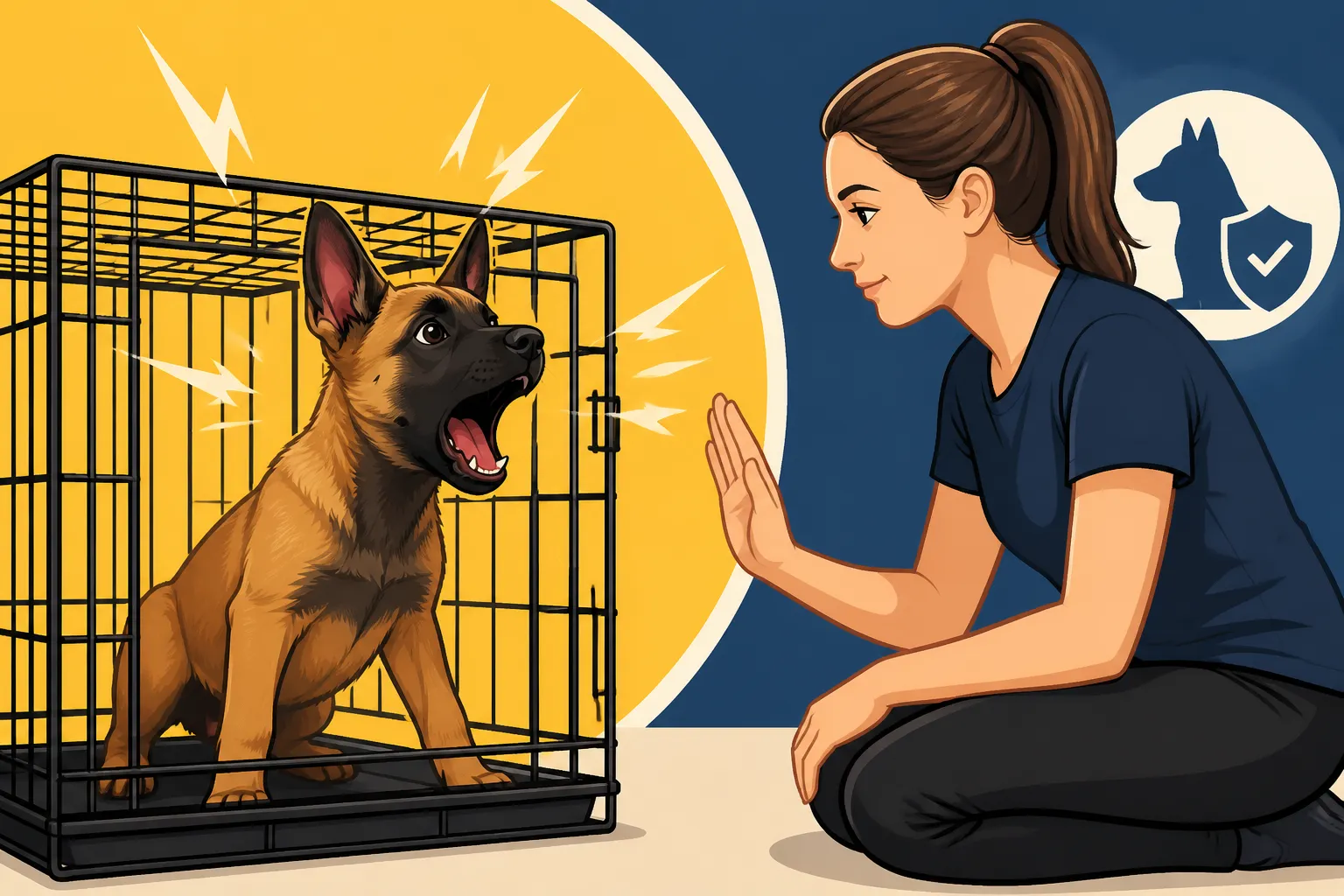
Crate Work With a Malinois Puppy That Screams
Oh, the sound of a Malinois puppy screaming in its crate. If you're currently living with this symphony of despair, you're not alone. It's a sound that can test the patience of even the most seasoned dog owner, making you question every decision you've ever made and seriously wondering if your neighbors are going to call animal control. This guide is here to walk you through understanding why your high-drive Malinois puppy might be protesting so vehemently and, more importantly, how to gently and effectively build a positive relationship with the crate, transforming that piercing cry into a peaceful snooze.
Understanding Why Your Malinois Puppy Screams in the Crate
It’s easy to feel frustrated, maybe even a little angry, when your Malinois puppy unleashes a torrent of barks, howls, and cries from within their crate. It feels like defiance, doesn't it? But behind that noise often lies a mix of natural instincts, fear, boredom, or a learned behavior that, from their perspective, makes perfect sense. These aren't malicious acts; they're communications. And with a breed as intelligent and vocal as the Belgian Malinois, those communications can be loud.
The Instinctual Need for Security and Den Behavior
Many people hear "crate" and immediately think "den." And while it's true that dogs, descended from den-dwelling canids, often seek out small, enclosed spaces for comfort and security, the modern crate doesn't automatically translate to a cozy den in a puppy's mind. For a Belgian Malinois puppy, particularly one new to your home, a crate can initially feel like an isolating, scary trap, especially if they haven't been properly introduced to it. Their natural instinct is to be with their pack – you – and being separated can trigger anxiety or a strong desire to rejoin.
Imagine being suddenly put into a small, unfamiliar room and the door closing behind you. Even if it's safe, the initial feeling might be one of confusion or alarm, right? For a Malinois, a breed that thrives on connection and purpose, this feeling can be amplified. They are highly attuned to their environment and their people. If the crate isn't introduced as a safe, positive space, it can feel like a punishment or an unwelcome isolation from their new family. Understanding this perspective is the first step in moving past the screaming. They're not trying to annoy you; they're expressing a very real, albeit loud, discomfort or confusion.
Separation Anxiety vs. Protest Barking: Spotting the Difference
It's crucial to distinguish between a puppy who is simply protesting confinement (which is common) and one experiencing true separation anxiety (which is more serious). While both can involve vocalizations, the underlying emotions and behaviors differ significantly.
Protest Barking/Crying:
This is typically a puppy's way of saying, "Hey! I don't like this! Let me out! I want to be with you!"
- Sounds: Usually loud, demanding barks, howls, or whines. The intensity might vary but often stops if you re-enter the room or if they hear you.
- Triggers: Often begins right after you leave the room or close the crate door. It's a reaction to the immediate confinement or separation.
- Behavior: The puppy might paw at the door, try to manipulate the crate, or simply sit and vocalize. They usually calm down relatively quickly if they realize their efforts aren't working, or if they eventually tire themselves out. They might engage with toys if offered high-value ones.
- Aftermath: When you return, they are usually excited and happy, showing no signs of severe distress. They typically haven't soiled the crate (unless they couldn't hold it), nor have they attempted to destroy it or themselves.
True Separation Anxiety:
This is a deeper emotional distress rooted in panic and fear of being alone.
- Sounds: Often a more frantic, high-pitched, distressed vocalization. It might be continuous and unwavering, or escalate quickly to a desperate pitch.
- Triggers: The distress begins before you even leave (anticipatory anxiety) or immediately as you start your departure routine. It's not just about the crate; it's about being alone.
- Behavior: Beyond vocalizing, you might see destructive chewing (often targeting exit points of the crate or door frames if left out), excessive drooling, frantic pacing, self-mutilation (licking or chewing paws until raw), or inappropriate urination/defecation in the crate or house. They might attempt desperate escapes, injuring themselves in the process. They often ignore high-value treats or toys.
- Aftermath: When you return, the puppy might be extremely clingy, almost frantic in their greetings, or they might appear exhausted and withdrawn. The crate might be a mess, or there could be evidence of severe attempts to get out.
With a Belgian Malinois, the lines can sometimes blur because their high drive and intensity mean their "protest" can sound incredibly urgent and dramatic. However, a Malinois puppy typically does not outgrow true separation anxiety without dedicated intervention. If you suspect genuine separation anxiety, it's crucial to address it promptly, ideally with the guidance of a professional behaviorist or a vet who specializes in behavior. The Hours a Malinois Tolerates Being Alone can really highlight the challenges if separation anxiety is a factor.
Laying the Foundation: Positive Crate Association
The key to stopping the screaming isn't to punish it, but to prevent it by making the crate such an amazing place that your puppy wants to be in it. This requires patience, consistency, and a whole lot of positive reinforcement. Remember, for a Malinois, everything is a game and an opportunity for engagement, so make the crate a winning proposition!
Making the Crate a Happy Place, Not a Punishment Zone
The crate should never be used for punishment. Ever. If your Malinois puppy associates the crate with negative experiences, they will fight it every step of the way. Instead, think of it as their private bedroom, their safe haven, their personal treasure chest.
Here's how to build that positive association:
- Comfort is Key: Start by making the crate as comfortable as possible. A soft, washable bed or blanket is essential. Some Malinois puppies might chew up bedding, so you might need a more durable option or a bare crate initially, but comfort is the goal once chewing isn't an issue.
- High-Value Rewards: Only offer the best treats and toys in the crate. This isn't the time for regular kibble. Think bully sticks, KONGs filled with peanut butter or cream cheese (frozen for longevity!), or puzzle toys. These special items should only appear when the puppy is in the crate. This helps them look forward to crate time. You can find a great selection of durable, engaging toys on Amazon that are perfect for keeping a busy Malinois puppy occupied.
- Mealtime in the Crate: Start feeding your puppy all their meals inside the crate. Leave the door open initially. As they get comfortable, gently close the door while they eat. Open it as soon as they finish. This builds a strong, positive link: "Crate = yummy food!"
- "Crate Games": Throw a favorite toy or treat into the crate and let your puppy go in to get it. Praise them enthusiastically. This makes entering the crate a fun, interactive game. Don't close the door yet. Just let them go in and out freely.
- Short, Sweet Stays: For the first few days, aim for very short, positive stays. Lure your puppy into the crate with a treat. Say your chosen crate command ("Crate up!" or "Kennel!"). Give them the treat and praise. Immediately let them out. Repeat this many times a day. The goal is positive repetition, not duration at this stage.
Remember, a Malinois puppy is always looking for a job, even if that job is "figure out this new thing!" Frame the crate as the source of all good things, and you're well on your way. The First Week With a Belgian Malinois Puppy can provide more general guidance on setting up your new home environment.
Gradual Introduction: Small Steps for Big Wins
You wouldn't expect a child to instantly love going to their room for long periods, so don't expect your Malinois puppy to either. The key is to build up tolerance slowly, incrementally increasing the time they spend in the crate. Rushing this process almost guarantees screaming and a negative association.
Here’s a step-by-step approach:
- Open Door, Delicious Treats: Place irresistible treats (like small pieces of cooked chicken or cheese) just inside the crate. Let your puppy walk in, grab the treat, and walk out. Repeat 10-20 times over several sessions throughout the day. Don't close the door. The goal is to make going into the crate a no-brainer.
- Eating Inside: Once they're comfortable entering, start feeding their meals in the crate with the door open. Gradually, while they're eating, gently close the door for a few seconds, then open it before they finish.
- Door Closed, You Present: When they're happily eating with the door closed for the entire meal, move to closing the door after they finish eating, but while you are still right there. Stay for a minute, give a soft verbal praise, then open the door and let them out. Increase this time slowly: 1 minute, 2 minutes, 5 minutes.
- Leaving the Room Briefly: Once they are calm in the crate with the door closed for a few minutes while you're in the room, take the next step. Crate them with a high-value, long-lasting chew or a frozen KONG. Leave the room for a few seconds. Return before they finish the treat or start to fuss. If they do fuss, return only when they are quiet for a second. Even a tiny pause in vocalization should be rewarded.
- Extending the Absence: Gradually increase the time you are out of sight. Start with seconds, then a minute, then two, then five, and so on. Continue to use those special crate-only treats. The trick is to return before they start to get distressed, not as a response to distress. If you consistently return while they are still calm, they learn that you always come back, and there's nothing to worry about.
- Nighttime Introduction: For nighttime, place the crate in your bedroom or a nearby area where your puppy can see and hear you. This proximity provides comfort and reassurance. You can slowly move the crate further away over weeks if desired, but for the initial period, being close helps prevent panic. Sleep a Belgian Malinois Puppy Actually Needs is a good resource for understanding their sleep patterns.
This entire process might take days, weeks, or even a couple of months for a Malinois, depending on their individual personality and previous experiences. Don't rush it. Every positive, calm experience in the crate builds confidence and reduces the likelihood of screaming.
| Crate Training Stage | Goal | Key Strategy | What to Avoid |
|---|---|---|---|
| Initial Introduction | Crate = Fun & Treats | Lure with high-value treats, feed meals in crate. | Forcing puppy in, closing door too soon. |
| Door Closed (Present) | Comfort with door closed | Close door for seconds during meals, extend slowly. | Opening door when puppy fusses. |
| Brief Absences | Trust you'll return | Crate with KONG, leave room for seconds, return. | Returning while puppy is screaming. |
| Extended Absences | Accepting solitude | Gradually increase time away, keep distractions. | Skipping steps, expecting too much too soon. |
| Nighttime Settling | Secure sleep space | Crate near owner, last potty break, ignore mild fuss. | Immediate attention for every whimper. |
Strategies for Quieting the Crate Screamer
Once you’ve established a positive foundation, you'll inevitably encounter moments where your Malinois puppy still decides to vocalize their displeasure. This is where active management and strategic responses come into play. It's about outsmarting them with consistency and positive reinforcement, rather than getting into a shouting match (which you will lose).
The Power of Desensitization and Counter-Conditioning
These are fancy terms for very simple, effective training techniques.
Desensitization means gradually exposing your puppy to something they dislike (being alone in the crate) at a level where they don't react negatively, and then slowly increasing the intensity. We already touched on this with the gradual introduction, but it applies to specific triggers too.
- Practice "Departure Cues": Your puppy learns your "I'm leaving" routine. Keys jingling, coat going on, grabbing your bag. These become triggers for anxiety. Practice these actions without leaving. Jingle your keys, sit back down. Put on your coat, take it off. This desensitizes them to the cues, so they don't automatically associate them with your departure.
- False Exits: Crate your puppy with a special treat. Walk to the door, open it, close it, and sit back down. Repeat this several times. Then, step outside for literally 1 second, come back in. Slowly increase the duration you're outside. The goal is to make your coming and going mundane and predictable, not a cause for panic.
Counter-Conditioning means changing your puppy's emotional response to something from negative to positive.
- Crate = Good Things: This is fundamental. Every time your puppy is in the crate, especially when you are leaving, they should have something amazing to do. A frozen KONG, a high-value chew, a puzzle toy. This counter-conditions their feeling about the crate. Instead of "Oh no, I'm alone!", it becomes "Yay! Deliciousness time!"
- Calm Departures, Calm Arrivals: Make your goodbyes and hellos incredibly boring. No dramatic farewells. Just put them in the crate with their treat, say a calm goodbye, and leave. When you return, ignore any excitement or fussing until they have been quiet for a few seconds. Then, calmly let them out. This prevents reinforcing frantic behavior.
Consistency is absolutely critical here. One slip-up where you let them out while they're screaming can undo hours of work, because you've just taught them that screaming works. Many online training platforms, such as those offered by BAXTER & Bella, provide structured courses that integrate these principles, offering guidance and support for owners. These programs can be incredibly helpful for a breed like the Malinois, which thrives on clear communication and consistent expectations.
Managing Nighttime Screaming: Routine and Environment
Nighttime is often when the screaming reaches its peak, simply because it's quiet and your puppy feels truly alone. Tackling this requires a solid routine and a comforting environment.
- Last Potty Break: Ensure your Malinois puppy has had a thorough potty break right before bed. This isn't just a quick dash outside; it's a real opportunity to empty their bladder and bowels. You don't want them screaming because they genuinely need to go out. How Fast a Malinois Puppy House Trains can give you an idea of what to expect for potty training progress alongside crate training.
- Proximity Matters: For the first few weeks, place the crate in your bedroom, right next to your bed. They can hear you, smell you, and feel your presence. This provides immense comfort. If they stir or whine lightly, a reassuring "Good puppy, quiet" or a gentle tap on the crate might be all they need to settle.
- White Noise: A fan, a white noise machine, or even a radio playing soft music can help muffle household sounds and create a consistent, calming auditory environment. This can prevent small noises from startling your puppy and triggering a full-blown screaming session.
- Cover the Crate: For some puppies, covering the crate with a light blanket creates a more den-like, secure feeling. Just ensure there's still good airflow. This can help block out visual distractions that might cause them to vocalize.
- Ignore Attention-Seeking Screams: This is the hardest part. If you know your puppy doesn't need to go potty, isn't in pain, and has been crated appropriately, you must ignore attention-seeking vocalizations. Any interaction – scolding, comforting, even looking at them – teaches them that screaming gets your attention. Wait for a lull, even a half-second of silence, before offering quiet praise or a brief, calm interaction. This teaches them that silence is what gets rewarded. If your Malinois puppy typically does not settle, Whether a Belgian Malinois Ever Truly Relaxes might offer some insights into their breed-specific needs.
What NOT to Do When Your Malinois Puppy Screams
Just as important as knowing what to do is knowing what not to do. These common mistakes can sabotage your crate training efforts and solidify the screaming behavior.
- Do NOT Scold or Punish: Yelling at your puppy, hitting the crate, or otherwise punishing them for screaming will only make them more fearful and anxious of the crate. They won't understand "don't scream"; they'll understand "the crate is a scary place where scary things happen." This can lead to serious behavioral issues and a complete breakdown of trust.
- Do NOT Let Them Out While They're Screaming: This is the biggest mistake. If you let them out while they are actively vocalizing, you've just taught them: "Screaming works! If I make enough noise, I get what I want!" They will learn to scream louder and longer next time. Wait for a brief moment of quiet before opening the door. Even a single second of silence is enough to reward.
- Do NOT Make a Big Deal Out of Departures or Arrivals: Overly emotional goodbyes ("Oh, my poor baby, I'm so sorry to leave you!") or overly excited greetings ("Oh my goodness, I missed you so much!") reinforce the idea that your departure is a big, dramatic event and your return is a huge relief. Keep it low-key.
- Do NOT Use the Crate as Punishment: We covered this, but it bears repeating. If the crate becomes the "naughty corner" for A Malinois Puppy That Bites Everything Including You or other misbehaviors, your puppy will dread it, making any calm association impossible.
- Do NOT Ignore Potty Needs: If your puppy is young (under 4-5 months) or has been in the crate for a long stretch, they might legitimately need a potty break. Learn to distinguish between a "potty scream" (often urgent, distinct from a protest) and an "attention scream." Always take them out calmly, with minimal fuss, to a designated potty spot, then immediately back into the crate if their scheduled time isn't up.
When to Seek Professional Help and Resources
While Malinois puppies are known for their intensity, there's a point where persistent screaming moves beyond typical puppy protest and signals a deeper issue. Knowing when to reach out for professional guidance can save you (and your puppy) a lot of stress and prevent more serious problems from developing.
Recognizing When It's More Than Just Puppy Protest
Sometimes, despite your best efforts with positive association and gradual introduction, the screaming persists, escalates, or is accompanied by other concerning behaviors. This is a sign that you might be dealing with something more than just a typical puppy's dislike of confinement.
Look for these red flags:
- Self-Harm: If your puppy is actively attempting to chew or scratch at the crate until they injure themselves (bloody paws, rubbed-raw nose), this is a serious sign of panic, not just protest.
- Extreme Destruction: While Malinois puppies are chewers, if they are systematically destroying their crate, bedding, or anything within reach in a frantic way, it suggests high anxiety. What a Malinois Destroys in One Unsupervised Hour can give you a benchmark for normal puppy destruction.
- Incontinence: If your puppy consistently urinates or defecates in the crate despite being taken out frequently and having an empty bladder/bowel before crating, it can be a sign of extreme stress or anxiety, not just a lack of house-training.
- Constant, Unrelenting Vocalization: If the screaming doesn't stop, even after extended periods, and shows no sign of calming down, it might indicate a higher level of distress.
- Aggression or Fear: If your puppy becomes aggressive when approached while in the crate, or shows extreme fear of the crate itself, this is a clear sign that a professional needs to intervene.
- Lack of Progress: You've been diligent for weeks, following all the steps, and there's simply no improvement. In fact, things might be getting worse. This is when you need an outside perspective.
Additionally, always rule out physical discomfort. A visit to your veterinarian is a crucial first step to ensure there's no underlying medical reason for your puppy's distress or inability to settle. Pain, digestive upset, or other health issues can certainly manifest as vocalization in the crate.
Leveraging Expert Guidance and Training Programs
Don't feel ashamed or embarrassed if you need help. Belgian Malinois are a challenging breed, and sometimes the best thing you can do for your puppy (and your sanity!) is to enlist the help of a qualified professional.
- Certified Professional Dog Trainer (CPDT-KA): A good trainer can observe your puppy's behavior, assess your techniques, and provide tailored strategies. They can guide you through desensitization and counter-conditioning specific to your puppy's needs. Look for trainers with experience with high-drive working breeds.
- Veterinary Behaviorist (Dip ACVB) or Certified Applied Animal Behaviorist (CAAB): If you suspect true separation anxiety, persistent phobias, or other complex behavioral issues, a veterinary behaviorist is the highest level of expert. They can prescribe medication if necessary (often used in conjunction with behavior modification for severe cases) and create a comprehensive treatment plan.
- Online Resources and Programs: As mentioned earlier, reputable online platforms can offer structured courses and community support. BAXTER & Bella, for example, offers an online puppy program that covers crate training, helping you implement consistent strategies from the comfort of your home. These programs can be invaluable for gaining confidence and learning the nuances of handling a Malinois puppy. The Age a Belgian Malinois Puppy Starts Training emphasizes that early, consistent training is key.
- Local Training Clubs: Joining a local dog training club, particularly one focused on working breeds or competitive dog sports, can provide not just training resources but also a community of experienced Malinois owners who can offer advice and support. Finding a Club That Will Take a Belgian Malinois is a good article to explore for this.
Remember, training a Belgian Malinois is a marathon, not a sprint. The early weeks and months, especially with crate training, lay the groundwork for a lifetime of successful partnership. Investing in proper guidance now will pay dividends in a calm, confident, and well-adjusted adult Malinois later.
Disclaimer
This article is for general informational purposes only and does not constitute professional advice. Laws, prices and regulations vary by location and change over time. Consult a qualified professional for guidance on your specific situation.