How Fast a Malinois Puppy House Trains
Bringing a new Belgian Malinois puppy home is an exhilarating adventure, but let's be honest, the idea of house training can feel like staring down a marathon after a sprint. Many new owners feel a deep frustration when their intelligent, energetic Mal pup seems to struggle with the very basic concept of "potty outside." This guide aims to cut through the confusion and provide realistic expectations and a solid action plan for effectively house training your Malinois puppy, helping you understand how quickly—or not so quickly—this journey unfolds.
Setting Realistic Expectations for Malinois Puppy House Training
When you bring home a Belgian Malinois puppy, you're not just getting any dog; you're getting a canine athlete, a thinking machine, and a creature brimming with energy. This unique combination means house training, while absolutely achievable, comes with its own set of considerations that differ from other, less intense breeds. Understanding these nuances from the start can save you a lot of headaches and wet spots on the carpet.
Why Malinois Puppies Aren't "Average" Learners
Malinois are undeniably intelligent. They pick up new commands with astonishing speed, often dazzling their owners with their quick grasp of concepts. However, "intelligence" in terms of learning complex tasks isn't quite the same as "impulse control" or "bladder maturity." A Malinois puppy, especially in the early weeks, operates largely on instinct and immediate needs. Their high energy levels mean they're constantly moving, playing, exploring – and thus, their digestive system is also highly active. More activity equals more opportunities for accidents.
Think about it: a less active puppy might wake up, go out, come in, nap for a couple of hours, and then repeat. A Malinois puppy, on the other hand, might wake up, go out, come in, play intensely for 30 minutes, drink a lot of water, and then need to go out again before you've even had your coffee. Their powerful drive, while incredible for sport and work, means they can sometimes be so engrossed in play or exploration that they simply "forget" or ignore the signals their body is sending until it's too late. It’s not a lack of understanding; it's a momentary lapse in focus because something else is more exciting. This requires a much more proactive and vigilant approach from you, the handler, to ensure you're always one step ahead of their biological needs.
The Age Factor and Developmental Stages
The age at which you bring your Malinois puppy home significantly impacts the initial house training timeline. A tiny 8-week-old puppy is essentially a baby. Their bladder and bowel control are still very much underdeveloped. They simply cannot "hold it" for long periods. Expecting them to is like expecting a human toddler to go hours without a diaper. As they grow, their physical control matures, allowing them to hold it for longer.
- 8-12 weeks: This is the "frequent flyer" stage. They might need to go out every 20-30 minutes when awake, and immediately after eating, drinking, or waking from a nap. Consistency here is paramount.
- 3-6 months: Control improves, and they might be able to hold it for 1-2 hours during the day, possibly longer overnight if crated. This is often when real progress starts to become evident.
- 6 months and beyond: Many Malinois puppies are becoming quite reliable by this point, with longer stretches between potty breaks. However, adolescent lapses can occur, and full adult reliability often isn't achieved until 8-12 months or even later.
It's a gradual process, and patience is your most valuable tool. Every pup is an individual, but understanding these general developmental milestones can help you set appropriate expectations. Don't compare your 10-week-old Mal to your friend's 6-month-old Labrador; they're in completely different stages of physical and mental development.
What "Fast" Really Means for a Malinois
For a Malinois, "fast" house training usually means consistent progress over a relatively short period, rather than instant perfection. You might see significant improvement in recognizing the cues and going outside within 2-4 weeks, especially if you're diligent with crate training and a strict schedule. However, "solid reliability"—meaning very few or no indoor accidents for an extended period, even when you slightly relax vigilance—can take anywhere from 3 to 6 months. Achieving true, adult-level bladder and bowel control, where they can genuinely be trusted for several hours, often takes a full year.
It's a marathon, not a sprint. The "speed" isn't about how quickly they learn the concept; it's about how consistently you manage their environment and schedule to allow them to build the habit and the physical control. A Malinois thrives on structure and routine, and house training is essentially building one of the most important routines of their lives. Don't be discouraged if you have a few setbacks; they are part of the process.
The Core Pillars of Effective Malinois House Training
Successful house training isn't magic; it's a methodical approach built on a few fundamental principles. For a Belgian Malinois puppy, these principles need to be implemented with unwavering consistency and an understanding of their specific breed traits. Without a solid foundation, you’ll find yourself constantly cleaning up messes and feeling frustrated.
The Power of Crate Training for Malinois Puppies
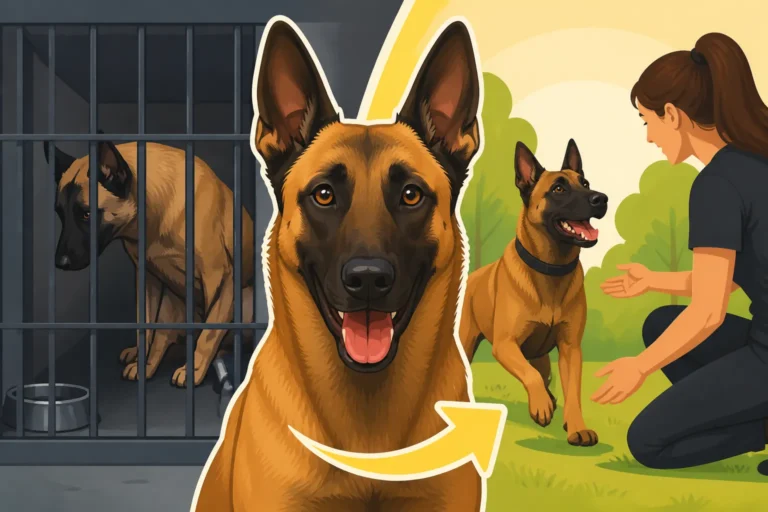
Crate training is, without a doubt, one of the most powerful tools in your house training arsenal, especially with a Belgian Malinois. Despite what some might think, a crate is not a punishment or a cage; it's a den, a safe space, and a vital aid in teaching a puppy bladder control. Malinois, like most dogs, have an innate instinct not to soil their sleeping area. By providing a properly sized crate, you leverage this natural inclination.
A crate for a Malinois needs to be robust. These are powerful dogs, even as puppies, and flimsy crates won't hold up to their determination or sharp puppy teeth. Look for heavy-duty wire crates or even airline-style plastic crates that are durable and secure. The crate should be just large enough for your puppy to stand up, turn around, and lie down comfortably. If it’s too big, they might use one end as a bedroom and the other as a bathroom, defeating the purpose. You can use a divider to adjust the size as your puppy grows.
Establish a consistent routine: crate time means quiet time, nap time, or overnight sleep. Always take your Malinois puppy directly from their crate to their designated potty spot outside. This creates a strong association: "I just woke up/came out of my den, now it's time to potty outside." If your Malinois puppy is prone to making noise in their crate, you might find some guidance in Crate Work With a Malinois Puppy That Screams. Remember, consistent positive association with the crate will make it their sanctuary, not a place of dread.
Consistent Schedule and Frequent Potty Breaks
This is where the rubber meets the road. A consistent, frequent potty schedule is non-negotiable for a Malinois puppy. Their high metabolism and active nature mean they simply need to go out more often than many other breeds. You need to be proactive, not reactive. Don't wait for your puppy to tell you they need to go; anticipate it.
Here's a general guideline for a Malinois puppy's potty schedule:
- First thing in the morning: IMMEDIATELY outside.
- After every meal: Within 5-15 minutes of finishing.
- After every drink of water: Especially after a long drink.
- After waking from every nap: Immediately.
- After every play session: Or even mid-session if it's vigorous.
- Before bed: The last thing you do.
- Every 30-60 minutes otherwise: When awake and not in a crate.
Choose a specific "potty spot" in your yard and always take your puppy there. The scent of previous eliminations will encourage them to go. When they do potty successfully outside, praise them enthusiastically and reward them with a high-value treat. Make it the biggest party ever! This positive reinforcement is crucial for them to understand that outside is the right place.
Here’s a sample table to help visualize a very young puppy's schedule:
| Time Slot | Activity |
|---|---|
| 7:00 AM | Wake up, IMMEDIATELY Potty Break |
| 7:15 AM | Breakfast |
| 7:30 AM | Potty Break (after eating) |
| 7:30 – 8:30 AM | Playtime, short training session |
| 8:30 AM | Potty Break (after play) |
| 8:30 – 10:00 AM | Crate time / Quiet time |
| 10:00 AM | Wake up from nap, IMMEDIATELY Potty Break |
| 10:15 – 11:15 AM | Playtime, water available |
| 11:15 AM | Potty Break (after play/drink) |
| 11:30 AM | Lunch |
| 11:45 AM | Potty Break (after eating) |
| …and so on throughout the day, ending with a final potty break before bed. |
This might seem intense, but consistency in The First Week With a Belgian Malinois Puppy sets the stage for rapid learning.
Supervised Freedom and Preventing Accidents
This pillar ties directly into the consistent schedule. For a Malinois puppy, unsupervised freedom is an open invitation for an accident. If you're not actively watching them, they're probably having an accident or about to. Think of it this way: every time your puppy has an accident inside, it reinforces the idea that it's an acceptable place to go. Our goal is to prevent these opportunities entirely.
When your puppy is out of their crate, they should be tethered to you, kept in an enclosed puppy-proofed area with a baby gate, or actively engaged with you. This "umbilical cord" method allows you to constantly observe their behavior. You'll start to recognize their pre-potty signals: sniffing the ground intently, circling, suddenly walking away from play, or a sudden quietness (often a very deceptive sign for a Malinois!). The moment you see these, it’s a dash outside to the potty spot.
If an accident happens indoors, do NOT scold or punish your puppy. They don't understand why they're being punished, only that you're angry. This can lead to fear and secretive peeing/pooping in hidden spots. Instead, calmly interrupt them (a quick clap or "ah-ah!"), scoop them up, and rush them outside to their potty spot. Even if they don't finish outside, praise them for being outside. Clean the soiled area thoroughly with an enzymatic cleaner (you can find many effective options on Amazon) to eliminate all traces of odor. If the scent remains, your Malinois will be drawn back to that spot for future eliminations. Remember, preventing the accident is far more effective than reacting to it.
Troubleshooting Common House Training Hurdles with a Malinois
Even with the best intentions and a rigorous schedule, house training a Malinois puppy can present its unique challenges. Their high drive, intelligence, and sometimes stubborn nature mean you might hit a few bumps in the road. It’s crucial to know how to identify these hurdles and adjust your approach effectively, rather than getting discouraged.
When Accidents Keep Happening Indoors
If you’re sticking to a schedule, using a crate, and accidents are still frequent, it’s time for a methodical review of your process. Don't assume your Malinois puppy is "stubborn" or "not getting it" right away.
First, re-evaluate your schedule and supervision. Are you genuinely taking them out every 30-60 minutes when awake? Are you letting them have too much unsupervised freedom? Often, the solution is simply to tighten up the schedule and increase vigilance. Sometimes, owners unintentionally expand their puppy's freedom too quickly, only to face setbacks. Are you staying outside long enough for them to fully empty? Some Malinois puppies get distracted easily and might only do a small pee, then hold the rest until they're back inside. Be patient and wait them out.
Second, consider potential medical causes. While less common, persistent accidents could indicate a urinary tract infection (UTI), parasites, or another underlying health issue. A quick trip to the vet for a check-up, especially a urine sample test, can rule out these possibilities. It's always wise to rule out medical issues before assuming it's purely behavioral.
Third, ensure thorough cleanup of previous accidents. As mentioned earlier, if any scent of urine or feces remains, your Malinois's powerful nose will guide them back to that spot. Regular household cleaners might mask the smell for humans but don't eliminate it for dogs. Invest in a good quality enzymatic cleaner. Spray the area generously, let it sit, and then blot it up. This breaks down the organic matter that causes the odor, preventing your puppy from identifying it as a bathroom zone. The right cleaning products are essential to avoid issues where What a Malinois Destroys in One Unsupervised Hour includes your floors and carpets.
Malinois Puppy Biting and House Training Overlap
Ah, the "shark phase" – a term well-known among Malinois owners! These puppies are mouthy, and they use their teeth to explore, play, and communicate. This can make house training an even more intense experience, especially when you're trying to rush them outside for a potty break and they decide your shoelaces or pants leg are fair game.
It's vital to address the biting, but not in a way that creates a negative association with going outside. If your puppy latches on as you're heading out for a potty break, try to redirect their bite to an appropriate toy immediately. Keep a small, high-value tug or chew toy by the door for this exact purpose. As you pick them up or walk them outside, offer the toy. Teach them that teeth belong on toys, not on you.
Consistency in redirection and positive reinforcement for appropriate chewing will slowly teach them bite inhibition. For more detailed strategies on managing this challenging phase, you might want to read A Malinois Puppy That Bites Everything Including You. The key is not to get frustrated and snap back, as that can erode trust. A calm, consistent approach to both potty training and bite inhibition will yield the best long-term results.
Managing High Drive and Distraction Outdoors
One of the biggest hurdles with house training a Malinois is their intense drive and easily distractible nature. You take your puppy out, desperate for them to potty, and instead, they're intensely sniffing a blade of grass, staring at a distant bird, or trying to dig for buried treasure. The drive to explore can completely override the drive to eliminate, at least temporarily.
To combat this, make the initial potty routine outdoors incredibly boring. Go to the potty spot, stand still, and wait. Don't talk, don't play, don't engage. The moment they potty, then you can unleash the praise, treats, and perhaps a short, fun play session as a reward. This teaches them: "First, business. Then, fun." This focused approach ensures they understand the primary purpose of going outside.
High-value treats are crucial here. These aren't just any treats; these are the irresistible, super-special treats they only get for outdoor potty success. Think small pieces of cooked chicken, cheese, or specialized training treats. The value of the reward needs to be high enough to break through any external distractions. Building solid foundational obedience, even with simple commands like "look" or "focus," can also help your Malinois maintain attention in stimulating environments. Resources like BAXTER & Bella, with their structured training programs, can be incredibly helpful for building this engagement and focus from a young age, laying groundwork that supports not just house training but all future learning. Their methods often emphasize positive reinforcement and engagement, which is exactly what a high-drive Malinois needs. Building Engagement With a Belgian Malinois is a fantastic resource if you find your pup easily distracted.
Long-Term House Training Success and Beyond
House training isn't just about getting through the puppy months; it's about building a reliable foundation that lasts a lifetime. For a Belgian Malinois, this means acknowledging their unique needs as they grow and mature, and understanding that while the initial intensity might wane, consistency remains key.
Transitioning to More Freedom
Once your Malinois puppy has been consistently accident-free for a significant period—say, a month or more—you can gradually start to grant them more freedom. "Gradually" is the operative word here. Don't go from full-time supervision to leaving them alone for hours.
Start by increasing their unsupervised time in a confined, puppy-proofed area. Use baby gates to expand their safe zone from just a crate to a small room, then perhaps two rooms. Observe them closely with this new freedom. Are they still seeking out the door to go outside? Are there any near-misses? If they handle these small increases in freedom well, slowly expand.
A true sign that your Malinois is trustworthy with full house freedom is when they actively ask to go outside. This might be scratching at the door, bringing you their leash, or staring intently at the exit. Until they consistently demonstrate this communication, continued supervision or confinement (crate or gated area) when you can't actively watch them is the safest bet. It might feel like a long road, but the investment in early confinement pays dividends in long-term reliability.
Maintaining Habits Throughout Adolescence
Just when you think you've got it all figured out, your Malinois will hit adolescence. This period, roughly between 6 months and 18-24 months, is often characterized by testing boundaries, selective hearing, and sometimes, a regression in previously mastered behaviors – including house training. It’s not uncommon for an adolescent Malinois to have a seemingly random accident indoors, despite being perfectly house-trained for months.
This is not a sign that they've forgotten everything or that your training failed. It's often a combination of hormonal changes, increased confidence (leading to boundary pushing), and perhaps an owner relaxing the rules too much. Your Malinois is testing to see if the rules still apply. For more on navigating this phase, see The Adolescent Malinois That Tests Everything.
During adolescence, it's crucial to return to the basics if accidents occur. Briefly revert to a stricter schedule, increase supervision, and reinforce the positive habit of outdoor elimination with renewed enthusiasm. Consistency is paramount during this phase. Don't let their newfound "teenage" attitude derail months of hard work. Remind yourself that they're still learning and maturing, and your firm, patient guidance is still needed.
The Mental Fortitude Required from the Handler
Let's be real: house training a Belgian Malinois puppy is not for the faint of heart. It demands a level of commitment, vigilance, and patience that can sometimes feel exhausting. There will be days when you feel like you’re taking your puppy out every five minutes, or when you’ve just cleaned up yet another puddle. It's easy to feel frustrated, overwhelmed, or even to question if you made the right choice bringing home such an intense dog.
It's important to acknowledge these feelings and give yourself grace. Remember that Why a Belgian Malinois Is the Wrong First Dog is often stated because of challenges like this. This breed is not for everyone, and their intensity applies even to basic manners. But with persistence, you will get through it. Every successful potty break outside, every stretch of accident-free time, is a step towards your goal. Celebrate the small victories, and don't dwell on the occasional setback.
The reward for your diligence is a highly intelligent, dedicated companion who understands expectations and lives harmoniously in your home. A well-house-trained Malinois frees you up to engage in the more exciting aspects of their training and life. They demand a lot of time and effort – far more than just taking them out for a few quick walks. Understanding that they need Two Hours and a Job a Belgian Malinois Demands Daily helps put the initial house training efforts into perspective. This early effort lays the groundwork for a lifetime of partnership, so keep your chin up, stay consistent, and remember the incredible dog you're shaping.
Disclaimer
This article is for general informational purposes only and does not constitute professional advice. Laws, prices and regulations vary by location and change over time. Consult a qualified professional for guidance on your specific situation.