Whether a Belgian Malinois Should Be Kenneled Outdoors
It’s a common scenario: you have a high-energy Belgian Malinois, maybe a working dog or a very active companion, and you’re looking at your outdoor space, wondering if a dedicated kennel run could be the solution for their boundless energy and need for space. Many owners grapple with the idea of outdoor kenneling, picturing their Malinois happily patrolling a secure area, but the reality is often far more complex than just providing shelter. This guide will dive deep into the considerations for housing a Belgian Malinois outdoors, exploring the challenges, necessities, and why, for most Mals, an outdoor kennel isn't a simple set-it-and-forget-it solution.
The Belgian Malinois and Their Need for Human Connection
One of the most fundamental aspects of a Belgian Malinois is their intense desire to be with their people. These aren't dogs that thrive in isolation; they are highly social, intelligent, and form incredibly strong bonds with their families. Leaving a Malinois alone in an outdoor kennel for extended periods can have significant negative impacts on their mental and emotional well-being, regardless of how robust the structure might be.
Separation Anxiety and Isolation
Many Malinois develop separation anxiety when not properly acclimated or when left alone too long. This isn't just about destructive chewing or barking; it's a deep-seated distress that manifests in various ways. An outdoor kennel, while providing physical security, often exacerbates feelings of isolation, leading to chronic stress. You might come home to a dog that's not only chewed through its bedding but also developed obsessive behaviors like pacing, spinning, or self-mutilation.
Imagine your Malinois, wired to be constantly aware of its surroundings and its pack, suddenly cut off from the sights, sounds, and smells of its human family. For a breed that thrives on shared activity and interaction, this can be incredibly detrimental. A dog bred for intense work needs to feel like it has a job, and that job is often linked to its handler. The Hours a Malinois Tolerates Being Alone is a crucial consideration, and for many, that limit is surprisingly short without proper engagement.
Behavioral Problems Stemming from Neglect
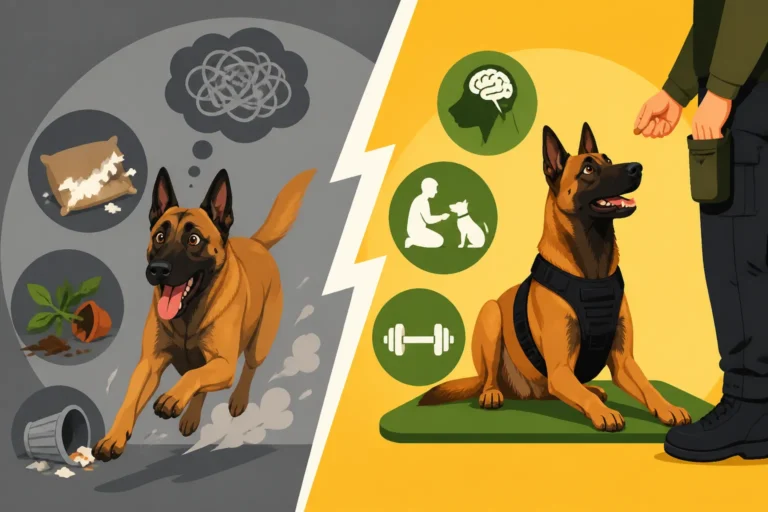
A Malinois that is regularly kenneled outdoors without sufficient human interaction and mental stimulation is a ticking time bomb for behavioral issues. What starts as barking can escalate into fence fighting, reactivity towards passersby, or even aggression towards family members when they do finally interact, simply because the dog is overstimulated and undersocialized from its solitary confinement. These dogs need a rich environment, not just a space.
Owners often report a noticeable difference in their Malinois's temperament when they transition from an isolated outdoor setup to a more integrated indoor/outdoor routine. Dogs that were once anxious or destructive often calm down significantly when they feel more connected to their family. This isn't about coddling; it's about meeting the profound social and cognitive needs of a highly intelligent and sensitive working breed.
Environmental Challenges and Safety Concerns
Beyond the psychological toll, keeping a Belgian Malinois in an outdoor kennel presents a unique set of environmental and safety challenges that require careful planning and constant vigilance. These dogs are incredibly athletic and resilient, but they are not impervious to the elements, nor are they immune to the determined efforts of those who might wish them harm.
Extreme Weather Exposure
Belgian Malinois have a relatively short coat, which makes them less tolerant of extreme cold compared to their longer-coated cousins like the German Shepherd. While they have a dense undercoat, prolonged exposure to freezing temperatures without adequate shelter, heating, and insulated bedding can lead to hypothermia and other health issues. Conversely, their high drive and tendency to overexert themselves make them highly susceptible to heatstroke in warmer climates. Heat Stroke in a Belgian Malinois in a Patrol Car is a serious concern, and an outdoor kennel can easily become a deathtrap if not properly shaded and cooled.
It's not enough to simply provide a doghouse. You need to consider insulation, proper ventilation for airflow, and perhaps even supplemental heating or cooling, depending on your climate. A simple wooden box might protect from rain, but it won't keep a Malinois safe through a blistering summer day or a sub-zero winter night. Think about emergency scenarios: power outages, sudden weather shifts, or if you're delayed getting home.
Security Against Theft and Escape
A Belgian Malinois is a highly sought-after breed, particularly those with working bloodlines. This unfortunately makes them targets for theft. An outdoor kennel, even a seemingly robust one, can be compromised by determined individuals. Simple padlocks and chain-link fencing are often not enough to deter someone intent on stealing a valuable dog. Beyond theft, the sheer athleticism and intelligence of a Malinois means they are master escape artists. If there's a weakness in your Fencing That a Belgian Malinois Cannot Clear, they will find it.
Consider the physical build of your kennel: heavy-gauge wire, solid steel frames, and concrete bases are often necessary to prevent digging or chewing through. Locking mechanisms need to be robust and hidden. Furthermore, adding security cameras or motion sensors can provide an extra layer of protection. It’s a sad reality, but for a breed like the Malinois, security must be paramount, not an afterthought.
Essential Components of a Safe and Stimulating Outdoor Kennel
If, despite the challenges, you determine an outdoor kennel is absolutely necessary for certain periods, it must be constructed and maintained to the highest standards, focusing on both physical and mental well-being. This isn't just about putting up a fence; it's about creating a miniature environment that addresses the Malinois's complex needs.
Shelter and Comfort
The shelter within an outdoor kennel must be more than just a place to hide from the rain. It needs to provide adequate protection from all elements – sun, rain, wind, heat, and cold. This means a fully enclosed, insulated structure that can maintain a comfortable temperature inside. In colder climates, a heated dog house might be necessary, while in warmer regions, shade, fans, and misters are critical. Insulating a Belgian Malinois's Outdoor Kennel is often overlooked but vital for year-round comfort.
| Feature | Requirement |
|---|---|
| Size | Large enough for the Malinois to stand, turn around, and stretch out comfortably. Typically, much larger than standard crates, allowing for movement. |
| Insulation | Double walls with insulation (e.g., rigid foam, straw packed between layers) to regulate temperature. Elevated off the ground to prevent moisture wicking and provide air circulation. |
| Ventilation | Adjustable vents to allow for airflow without creating drafts. Essential to prevent stagnant air and heat buildup. |
| Bedding | Chew-proof, weather-resistant bedding that provides cushioning and insulation. Think heavy-duty cot-style beds or thick rubber mats, rather than blankets that will get wet or destroyed. Brands like Kuranda offer durable options. |
| Shade | Crucial for preventing overheating. Overhead covers, shade cloths, or natural tree cover must block direct sunlight throughout the day. |
| Water Access | Constant access to fresh, clean water. Heavy, tip-proof bowls or automatic waterers are ideal. In winter, heated bowls prevent freezing. |
| Flooring | Concrete for easy cleaning and security, but with a non-slip finish. Ensure proper drainage to prevent standing water. Areas for soft ground are also beneficial for paws. |
Enrichment and Stimulation
An outdoor kennel should not be a sensory deprivation chamber. For a Belgian Malinois, mental stimulation is just as important as physical exercise. Without it, they will create their own "fun," which often translates to destructive behaviors like chewing, digging, or incessant barking. Toys, puzzles, and rotating activities are non-negotiable.
Consider heavy-duty puzzle toys that can withstand a Malinois's powerful jaws and high drive. Fill them with their daily kibble ration to make mealtime a working activity. Things like Kongs, or other sturdy chew toys available on Amazon, can keep them occupied for a while. Regular rotation of these items can keep things fresh and interesting. Some owners even install "flirt poles" within a secure run, allowing the dog to engage its prey drive in a safe and structured way when supervised.
Furthermore, integrating training sessions into their outdoor time is vital. Even if kenneled, daily interaction, obedience refreshers, and engagement exercises are crucial. Consider platforms or elevated surfaces within the kennel to provide different vantage points and encourage climbing, which engages their body and mind. This kind of structured engagement helps build focus, and a program like BAXTER & Bella, while focused on puppy training, emphasizes engagement principles that are transferable to dogs of all ages and settings. Keeping an Old Belgian Malinois Mentally Busy applies to Malinois of all ages, not just seniors.
The Indoor-Outdoor Balance for a Belgian Malinois
Ultimately, for most Belgian Malinois owners, the ideal living arrangement is a balance between secure outdoor access and significant indoor time as a cherished family member. This breed thrives when integrated into daily household life, with outdoor time serving as a supplement for exercise, training, and secure "alone" time when absolutely necessary, not as their primary residence.
Why Indoor Living is Often Best
Bringing your Malinois inside allows for constant supervision, immediate intervention for behavioral issues, and fulfills their profound need for companionship. Indoor living facilitates closer bonding and makes them an integral part of the family "pack." It also shields them from extreme weather conditions and external threats like theft or wildlife encounters.
Having your Malinois indoors means you're more likely to notice subtle changes in their health or behavior early on. It also makes it easier to manage their exercise and mental stimulation needs throughout the day, whether through short training sessions, indoor games, or simply having them settle near you while you work. For this breed, constant proximity to their people is often the most important form of enrichment. Whether a Belgian Malinois Can Live in an Apartment demonstrates that even in smaller spaces, if the human-dog bond and routine are strong, indoor living can be highly successful.
Responsible Use of Outdoor Kennels
If an outdoor kennel is part of your overall management plan, it should be used responsibly and thoughtfully. This means:
- Limited Duration: Outdoor kennel time should be for specific purposes and limited durations, such as during yard work, while guests are over, or for short breaks between training sessions. It should not be for hours on end, day in and day out.
- Supervision: Whenever possible, supervise your Malinois in their outdoor kennel. This allows you to monitor their behavior, ensure their safety, and intervene if they become distressed or bored.
- Rotation: Rotate toys and activities regularly to prevent boredom.
- Enrichment: Always provide ample mental and physical enrichment, even for short stints.
- Comfort Checks: Regularly check on your Malinois to ensure they are comfortable, have fresh water, and are not showing signs of stress or overheating/chilling.
- Training Integration: Use the outdoor kennel as a place for structured training, such as "place" commands or independent toy engagement, rather than just confinement. Building a Malinois's Place Command is incredibly useful for teaching a dog to settle, even in a kennel.
In conclusion, while a well-built outdoor kennel can be a useful tool in the comprehensive management of a Belgian Malinois, it should never be seen as a substitute for integration into the home and family. These magnificent dogs crave connection, mental challenge, and a shared life with their humans. Denying them that, even with the best physical setup, risks undermining their very nature and leading to a host of avoidable problems.
Disclaimer
This article is for general informational purposes only and does not constitute professional advice. Laws, prices and regulations vary by location and change over time. Consult a qualified professional for guidance on your specific situation.