Whether a Malinois Is Ever Safe Off Leash
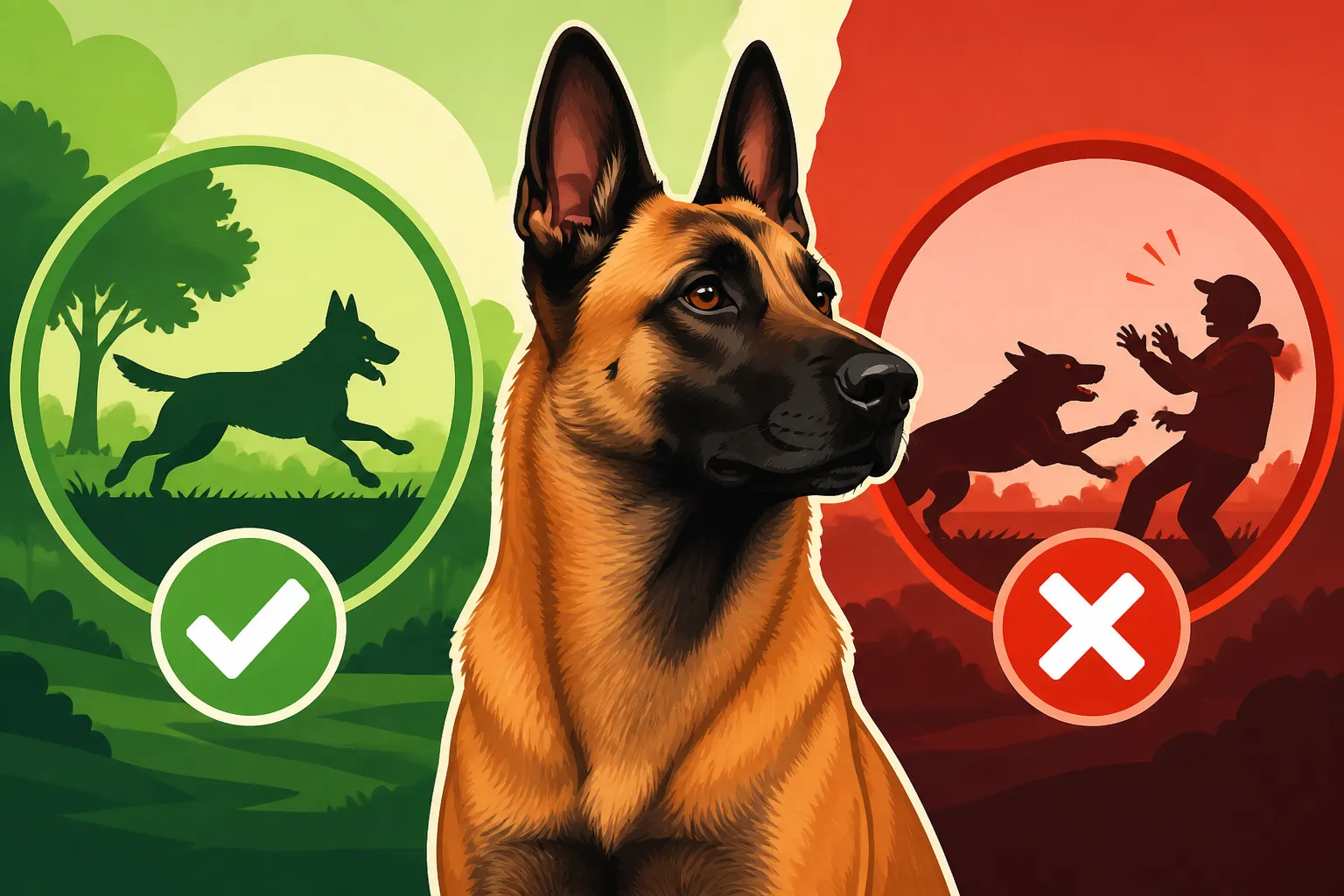
It’s a dream many of us share as Malinois owners: seeing our incredible dogs run freely, soaring across a field, coming instantly when called, no leash in sight. We envision that perfect bond, that unspoken understanding. But then reality hits, often hard. That squirrel makes a dash, a distant dog barks, or a kid on a bike zooms by, and suddenly, our highly trained, intensely focused Maligator is a blur of motion, deaf to our frantic calls. The question "Whether a Malinois Is Ever Safe Off Leash" isn't just about training; it's about deeply understanding the breed's intrinsic nature and making realistic, responsible choices for their safety and the safety of others. This guide will explore the unique challenges and possibilities of off-leash work with a Belgian Malinois.
Understanding the Malinois Drive: Why "Off-Leash" Isn't Simple
Let's be honest, owning a Belgian Malinois is an experience unlike almost any other. These aren't your average Golden Retrievers or Labradors, eager to please and generally content with whatever comes their way. Malinois are a different breed entirely, literally and figuratively, and that distinct makeup profoundly influences how they operate in the world, especially when unleashed.
The Instinctual Hardwiring of a Belgian Malinois
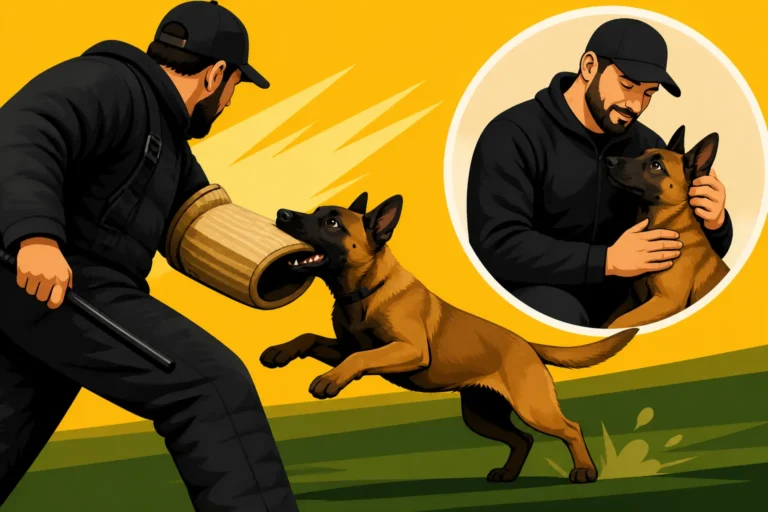
The core of a Malinois's being is its drive. Not just some drive, but an intense, often overwhelming drive that was meticulously bred into them for generations. These dogs were developed to be working machines—herding, protecting, detecting, performing tasks with unwavering focus and boundless energy. This means they are hardwired with a powerful prey drive, an incredible sense of vigilance, and an innate desire to do something, to engage with their environment in a very active way.
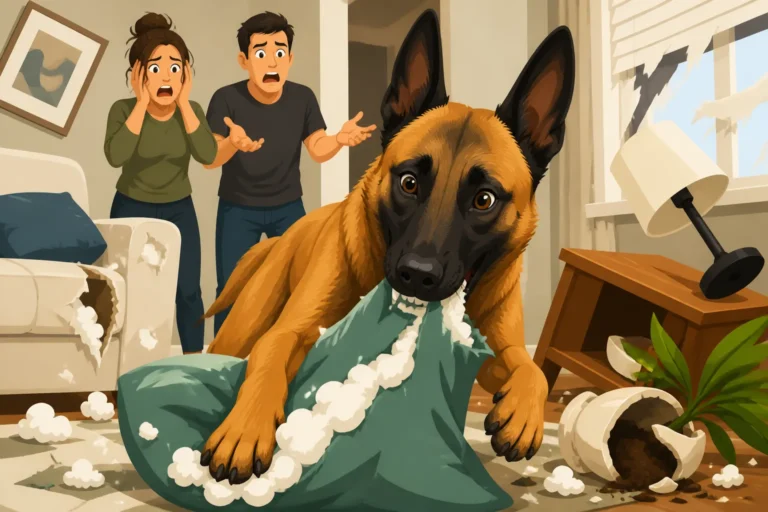
When you take a Malinois off-leash, you're essentially asking them to suppress centuries of selective breeding. That flash of a rabbit, the scent of a deer, the sudden movement of a bird—these aren't just minor distractions to a Malinois; they are deeply ingrained calls to action. Even the most well-trained dog can have its sophisticated obedience overridden by these primal instincts in a split second. It's not a failure of training, but a testament to the power of their genetic programming. We talk about The Shark Phase Every Malinois Puppy Goes Through, and while they mature, that intensity and predatory focus never truly disappears; it just gets channeled.
Environmental Triggers and High-Stakes Scenarios
The world is a busy, unpredictable place, and for a Malinois, almost anything can become a trigger. Imagine you're in what seems like a safe, open field. Your Malinois is trotting along, seemingly enjoying the freedom. Then, over a distant hill, a cyclist appears. Or maybe a child, laughing and running, comes into view. To a Malinois, these moving objects can activate that deep-seated prey drive or even their protective instincts, transforming them from a calm companion into a rocket with a single mission.
I’ve heard countless stories, and experienced a few close calls myself, where an unexpected stimulus sends a Malinois bolting. A sudden gust of wind rattling a trash can, a car backfiring, another dog appearing seemingly out of nowhere – these aren't just nuisances; they're potential catalysts for a high-speed chase or an unwanted interaction. The consequences can range from a lost dog to a tragic accident with traffic or an altercation with an unprepared person or dog. This isn't to say your Malinois is inherently aggressive, but their sheer speed, intensity, and deep focus on a target can create dangerous situations before you even realize what's happening.
The Unique Bonding and Handler Focus
One of the most defining traits of a Belgian Malinois is their intense bond with their handler. They are often described as "Velcro dogs," rarely straying far from their person and constantly seeking direction or engagement. This deep connection is a huge asset in training and partnership, and it's what makes them so incredibly responsive when they are focused on you. They thrive on working with you. Whether a Malinois Attaches to a Single Person is a common question, and for many, the answer is a resounding "yes."
However, this laser-like focus can be a double-edged sword. While it allows for incredible precision in controlled environments, it also means that when their focus shifts from you to something else – that perceived threat, that irresistible chase object – it can be almost impossible to regain their attention in the moment. They become completely absorbed in whatever has captured their interest. This isn't a lack of love or respect; it's the manifestation of a dog bred to commit fully to a task or target. Their desire to please you might be strong, but their innate drives, once activated, can be even stronger.
Building a Reliable Off-Leash Foundation (and Its Limits)
So, with all that powerful drive, is off-leash freedom even possible for a Malinois? The short answer is: reliable off-leash behavior is built on a very strong foundation, and even then, it often comes with caveats and requires ongoing vigilance. It's less about letting them run wild and more about creating carefully managed opportunities.
The Pillars of Off-Leash Reliability: Engagement and Obedience
Before you even think about unclipping that leash, you need to dedicate serious time to foundational obedience and, crucially, engagement. For a Malinois, engagement is the engine that drives all successful training. This means being the most interesting, most rewarding thing in their world, even when distractions loom.
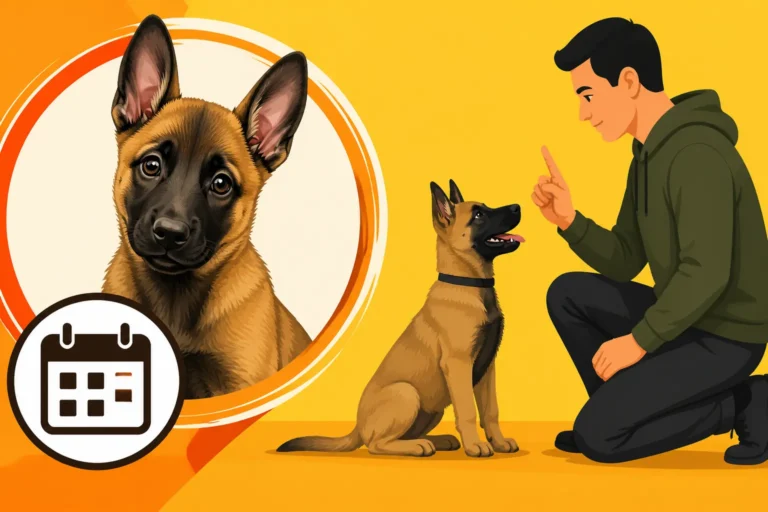
Start with rock-solid basics: a reliable "sit," "down," and especially a lightning-fast "come" or "here" cue. These commands need to be practiced in increasingly distracting environments, starting in your quiet living room and slowly moving to your backyard, then a quiet park, and so on. Your recall, in particular, must be non-negotiable. It needs to be proofed under all sorts of conditions. Using high-value rewards and making yourself exciting are paramount. Platforms like BAXTER & Bella can offer structured approaches to building this foundational engagement, helping you learn how to make training a game your Malinois wants to play, turning that immense drive into a partnership rather than a liability. Remember, Recall on a Belgian Malinois in Full Drive is the ultimate goal, but it takes thousands of repetitions.
The Role of Tools and Controlled Environments
Let's be clear: no tool is a substitute for training. However, certain tools, when used correctly and ethically, can provide an invaluable layer of communication and safety. For many Malinois handlers, a remote training collar (often mistakenly called a "shock collar") becomes an extension of their leash, a way to communicate at a distance. This isn't about punishment; it's about providing consistent, clear communication when your voice might get lost in the wind or your dog is highly focused on something else. But it must be introduced after your Malinois understands the commands on a long line and under controlled circumstances. Improper use can ruin your dog's trust and create negative associations. Understanding E-Collar Timing on a Belgian Malinois is critical; it's a precise art, not a blunt instrument.
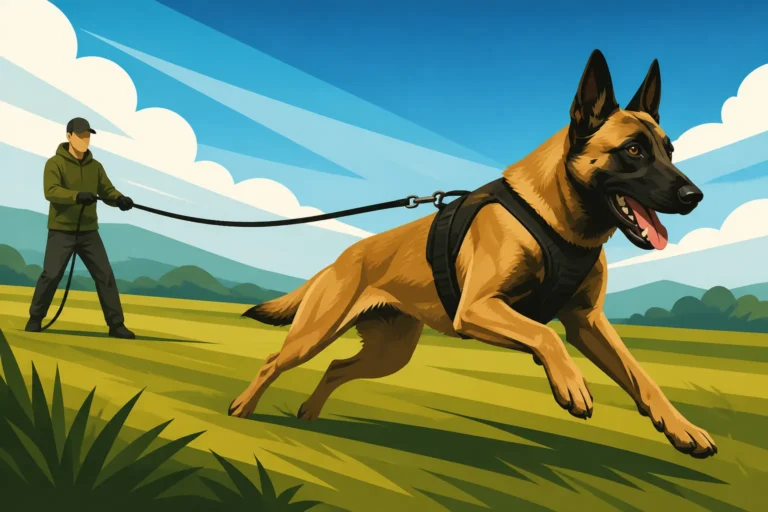
Before ever venturing into a truly open space, practice extensively in controlled environments. A securely fenced tennis court, a private dog park rental, or a friend's large, fully enclosed yard are ideal starting points. These spaces allow you to test your dog's recall and attention without the immediate threat of traffic or unknown variables. Start with a long line attached, letting it drag so you can step on it if needed. This slowly builds trust in both your dog and yourself. Long Line Work With a Malinois in Open Ground is often the bridge between leashed freedom and true off-leash reliability, allowing you to give them more space while still maintaining a physical connection if needed.
Training for Distraction: The Ultimate Test
The true measure of off-leash reliability for a Malinois isn't how well they respond in your living room; it's how well they respond when the world throws everything at them. This means systematically training with distractions. Start small: a toy rolling by, someone walking past at a distance. Gradually increase the intensity: a person jogging, another dog playing far away, controlled exposure to livestock (if that's a real-world scenario for you).
The goal is to teach your Malinois that even with all these exciting things happening, listening to you is always the most rewarding choice. This requires patience, consistency, and a deep understanding of your dog's limits. Be realistic. There will likely always be some distractions that are simply too powerful for even the most perfectly trained Malinois to resist 100% of the time. A wild deer sprinting across their path, a large dog fight unfolding nearby, or something truly terrifying could still break their focus. Acknowledging this reality is key to responsible ownership.
Mitigating Risks and Making Responsible Choices
Given the high-drive nature of a Belgian Malinois, "off-leash safe" is rarely an absolute state; it's more often a conditional one. It hinges on your assessment of your dog, the environment, and your ability to manage potential risks.
Assessing Your Malinois and Your Environment
Before you even consider letting your Malinois off-leash, you need to conduct a brutally honest self-assessment. How strong is your dog's prey drive? Can they ignore a bird or squirrel at close range? How reliable is your recall in the face of significant distractions? What is your dog's temperament like with strange dogs or people? If there's any hesitation in your answers, then the environment needs to be even more controlled.
Next, assess the environment. Is it truly free of hazards? Are there roads nearby? Is there dense brush where wildlife might hide? Are there other dog owners who may not appreciate a high-drive Malinois approaching their pet? Are there children playing? Even a friendly Malinois can accidentally knock over a small child with their energy. What kind of Fencing That a Belgian Malinois Cannot Clear is around? Remember, what's "safe" for a Labrador might be a disaster for a Malinois. A Malinois off-leash in a wide-open park with unknown variables is a very different proposition from a Malinois working a tracking exercise in a contained field.
| Scenario for Off-Leash Time | Malinois Considerations | Risk Level | Best Practices |
|---|---|---|---|
| Secure, Private Fenced Yard | Familiar, contained. Low external triggers. | Low | Excellent for zoomies, training drills. Ensure fence is truly Malinois-proof. |
| Dedicated Private Dog Park Rental | Controlled access. No unknown dogs/people. Still distractions. | Medium | Ideal for practicing recall with distractions you introduce. Confirm security. |
| Remote Wilderness Trail/Beach (Leash Laws Apply) | High wildlife/unknown dog potential. Expansive. | High | Only for Malinois with phenomenal recall, e-collar proficiency. Use a long line initially. Be aware of hidden hazards. |
| Public Park/Green Space | High unpredictable elements (kids, bikes, dogs, traffic). | Very High | Generally NOT recommended for unsupervised off-leash. |
| Sports Arena/Training Field | Designed for work. Handlers are engaged. | Low (during organized event) | Excellent for specific training tasks. Follow facility rules. |
Legal and Social Implications of Off-Leash Management
Beyond safety, there are legal and social ramifications to consider. Many municipalities have strict leash laws, and violating them can lead to fines, or worse, legal action if your dog causes an incident. The public perception of powerful breeds like the Malinois can also be skewed, and an off-leash Malinois, even a friendly one, might be perceived as a threat. This can lead to complaints, misunderstandings, and unnecessary stress for you and your dog.
It's your responsibility as a Malinois owner to protect your dog and others. Having Liability Insurance for a Belgian Malinois Owner is a prudent step, but prevention is always better than damage control. A single unfortunate incident can have lasting consequences, not just for your dog but for the reputation of the breed as a whole. Sometimes, the most responsible choice is to keep your Malinois on a leash, even if you feel their recall is impeccable.
Alternative Ways to Provide Freedom and Exercise
If true off-leash freedom in open public spaces feels too risky, don't despair! There are many fantastic ways to give your Malinois the exercise and mental stimulation they crave without jeopardizing safety.
- Securely Fenced Property: If you have a backyard, invest in Fencing That a Belgian Malinois Cannot Clear. Six feet is a minimum, and many Malinois can clear that with ease, so consider higher or coyote rollers. This allows for safe exercise and play within known boundaries.
- Long Line Work: As mentioned, a 30-50 foot long line can offer a tremendous sense of freedom while still maintaining a physical connection. Practice Hiking With a Belgian Malinois Off Leash in appropriate, low-traffic areas, but always with that long line giving you ultimate control. It's a fantastic training tool for building distance recall and proofing commands.
- Private Rentals: Many communities now have private dog parks or fields available for rent by the hour. These offer secure, controlled environments where you can truly let your Malinois run without worry about other dogs or people.
- Structured Sports and Activities: Channel that incredible Malinois drive into a sport like IGP, agility, dock diving, or scent work. These activities provide immense physical and mental engagement within a controlled, goal-oriented environment. Puzzle Work for a Belgian Malinois Indoors can also be a wonderful way to provide mental enrichment and tire them out without needing vast amounts of space. Remember, The Structure a Belgian Malinois Needs Every Day is paramount for their well-being.
Ultimately, whether a Malinois is "safe" off-leash is a nuanced question with no simple yes or no answer. It depends entirely on the individual dog, the handler's commitment to continuous, high-level training, and a realistic assessment of the environment. For many, true off-leash freedom is best reserved for highly controlled, private, or exceptionally low-risk settings. It’s about understanding their power, respecting their instincts, and always prioritizing safety.
Disclaimer
This article is for general informational purposes only and does not constitute professional advice. Laws, prices and regulations vary by location and change over time. Consult a qualified professional for guidance on your specific situation.