Whether a Belgian Malinois Suits a Multi Dog Home
Bringing a Belgian Malinois into a home that already has one or more dogs is a decision that can make even the most seasoned dog owner pause. You envision a harmonious pack, all playing together in a sun-drenched yard, but the reality can often be a challenging tightrope walk. This guide aims to thoroughly explore the complexities of integrating a Malinois into a multi-dog household, offering realistic insights and actionable strategies to help you understand if this intense breed truly fits into your existing canine family.
Understanding the Belgian Malinois Temperament in a Pack
When you consider adding a Belgian Malinois to a multi-dog home, it's absolutely crucial to start by understanding the foundational temperament of the breed itself. These aren't your average, go-with-the-flow companion dogs. Malinois are a powerhouse of drives and instincts, and how these manifest will directly impact their interactions with other canines. Ignoring these innate traits is like building a house without a foundation – it’s bound to crumble.
Natural Drives and Their Impact on Other Dogs
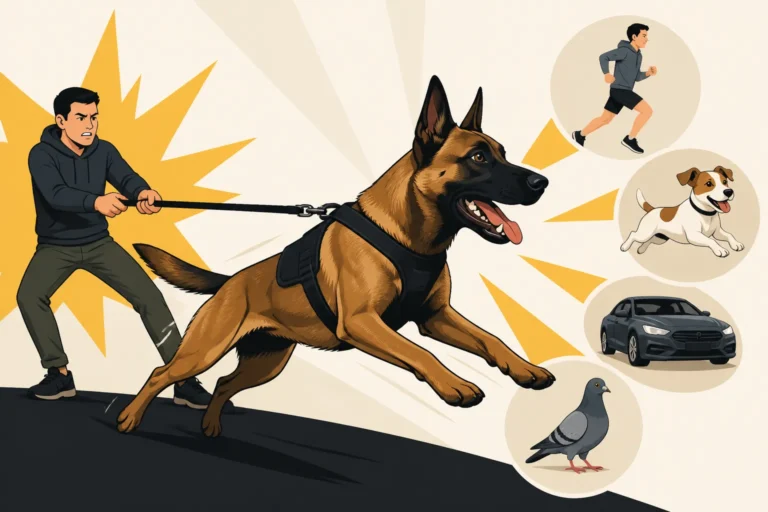
Belgian Malinois possess a unique cocktail of drives that, while invaluable in their working roles, can be a handful in a casual multi-dog setting. First and foremost, their prey drive is often incredibly high. This isn't just about chasing a ball; it can translate to a strong urge to pursue anything that moves quickly, including other dogs, especially smaller, faster breeds or those with erratic play styles. A Malinois might see a Chihuahua zipping across the yard not as a playmate, but as something to "catch," which can be terrifying for the smaller dog and perceived as outright aggression.
Then there's their inherent herding instinct. While they might not be rounding up sheep in your living room, this drive can manifest as an attempt to control the movement of other dogs. They might nip at heels, body-check, or bark persistently to get another dog to move where they want them to. This can lead to frustration and conflict, as other dogs may resent being "managed" in this way. They might simply want to play, but the Malinois's intensity can turn casual interaction into a high-stakes herding exercise.
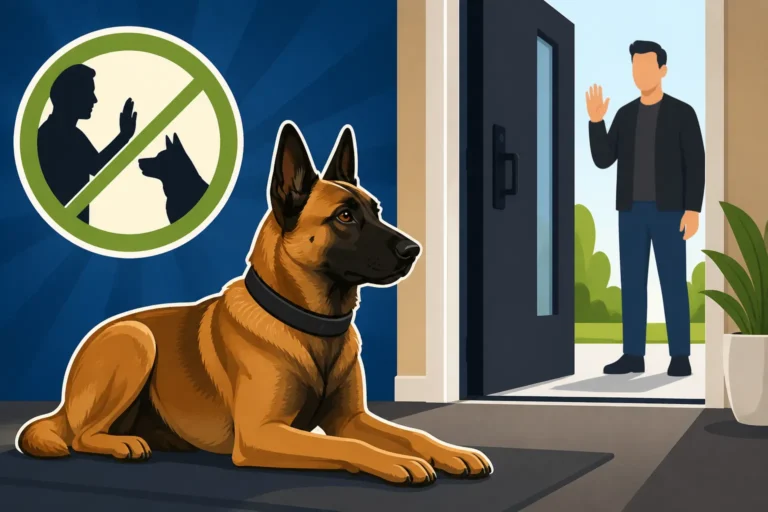
Finally, their territoriality and protective nature can extend to their canine companions, but also to their perceived "resources" within the home, including you, their handler. While they may bond fiercely with their pack, they can also be quick to correct or guard against perceived threats or transgressions from other dogs, particularly when those dogs approach something the Malinois deems theirs, be it a favorite toy, a sleeping spot, or even your lap. This isn't necessarily malice, but a strong sense of ownership and the desire to maintain order as they see fit, which can be a constant source of tension in a multi-dog dynamic.
Socialization and Its Lifelong Importance
The word "socialization" gets thrown around a lot, but for a Belgian Malinois, it's not just about puppy playdates. It's a lifelong, intentional process of exposure and positive reinforcement that shapes how they view and interact with the world, including other dogs. For a Malinois, simply going to a dog park and letting them "figure it out" is often a recipe for disaster. Their intensity, speed, and sometimes blunt communication style can quickly overwhelm or intimidate other dogs, leading to negative encounters.
Effective socialization for a Malinois means controlled, positive interactions with a variety of calm, stable dogs of different sizes and breeds. It's about teaching them appropriate greeting rituals, how to disengage, and how to tolerate proximity without escalation. This isn't something you do for a few months and then stop; it needs to be maintained throughout their life. Even a well-socialized Malinois may prefer the company of known, trusted dogs over strangers, especially as they mature. The focus should be on quality, not quantity, of interactions.
It's about ensuring that every experience they have with another dog is managed carefully to build confidence and appropriate behavior, rather than allowing unchecked chaos that can lead to reactivity or even aggression. Remember, a Malinois learns from every interaction, and bad experiences can be deeply ingrained. This is why it’s so vital to approach Socializing a Belgian Malinois Puppy Safely with a clear plan and consistent effort, setting them up for success in a multi-dog environment, rather than hoping for the best.
The Alpha Myth vs. Reality of Leadership
Many traditional ideas about "alpha" dogs and pack hierarchy are outdated and can actually be detrimental when trying to manage a Malinois in a multi-dog home. While Malinois do thrive on clear structure and leadership, this doesn't mean your dog needs to be the "alpha" over other dogs, nor do you need to physically dominate your Malinois. Instead, it means you, the human, must provide consistent, calm, and authoritative leadership.
A Malinois will constantly test boundaries and look for clarity in their environment. If they perceive a vacuum in leadership from you, they are likely to step into that role themselves, and that often means attempting to control other dogs in the household through their intense drives. This can lead to incessant corrections, resource guarding, or even physical altercations between your dogs. The issue isn't necessarily the Malinois being "dominant" by nature, but rather responding to a lack of human guidance by trying to create order themselves.
Your role is to be the benevolent leader, dictating appropriate interactions, managing resources, and ensuring fair treatment for all dogs. This involves teaching your Malinois impulse control, a solid "leave it," and a reliable recall, even when other dogs are present. When you demonstrate strong, fair leadership, your Malinois learns to defer to you for guidance, rather than taking matters into their own paws. This is the foundation for a peaceful multi-dog home with such a driven breed.
Introducing a Belgian Malinois to an Existing Pack
Introducing a new dog, especially a Malinois, to an established pack is an art form, not a science. There's no one-size-fits-all formula, but there are fundamental principles that dramatically increase your chances of success. Rushing this process is the most common mistake and can set the stage for long-term tension or outright conflict. Think of it as a delicate dance, where every step needs to be carefully considered.
Initial Introductions: Slow and Controlled
Forget the idea of just opening the door and letting them meet in the living room. That's a recipe for disaster with a high-drive Malinois. The initial introductions must be deliberate, measured, and always under control. Start with neutral territory, a place where neither dog feels territorial or possessive. A local park, an empty parking lot, or a quiet trail can work well.
Begin with parallel walks, maintaining enough distance so that neither dog feels overwhelmed or threatened. The goal is for them to become aware of each other's presence, smell each other's scent on the environment, and associate that presence with a calm, positive experience. Keep leashes loose, and if either dog shows signs of stress or over-excitement, increase the distance. Over several sessions, you can gradually decrease the distance, allowing them to walk side-by-side, still without direct interaction. This allows them to acclimate without the pressure of a face-to-face greeting.
Once they appear comfortable, controlled, on-leash greetings can be attempted, but keep them brief and positive. Look for relaxed body language, loose tails, and sniffing. Avoid prolonged stares or stiff body postures. If things go well, you can move to a securely fenced neutral area for off-leash introductions, always ready to intervene immediately if tension arises. Never leave them unsupervised during these initial stages. This methodical approach is critical for Introducing a New Malinois to the Dog You Have.
Managing Resources and Space
One of the biggest flashpoints in a multi-dog home is resource guarding. A Belgian Malinois, with their intense drives, can be particularly prone to guarding high-value items, whether it's their food, favorite chew toy, a prime napping spot, or even your attention. To prevent conflicts, you must meticulously manage all resources and provide ample, clearly defined personal space for each dog.
This means separate feeding areas – each dog should eat their meals in their own crate, a separate room, or at a significant distance from one another. Pick up all food bowls as soon as they're finished. Similarly, high-value toys and chews should only be given when dogs are separated or individually supervised. It's often safer to simply remove these items from general circulation when multiple dogs are together. Think of durable enrichment toys like those found on Amazon, but ensure they are used individually.
Provide individual resting spaces such as crates or dog beds in different areas of the house. A Malinois often benefits immensely from a dedicated crate where they can decompress and feel safe. This also ensures that each dog has a retreat if they feel overwhelmed or just need some alone time. This principle extends to human attention too; ensure you're giving individual time and affection to each dog, so no one feels overlooked or jealous. Consistency here is key to preventing squabbles and fostering a sense of security for everyone.
Establishing Individual Relationships and Fair Treatment
It's easy to fall into the trap of treating all your dogs the same, but in a multi-dog household, especially with a Malinois, recognizing and respecting their individual personalities and needs is vital. This doesn't mean playing favorites, but rather tailoring your interactions and training to each dog. Your Malinois might thrive on intense training sessions, while your older Golden Retriever might prefer a calm walk and cuddles.
Make an active effort to spend one-on-one quality time with each dog every single day. For your Malinois, this might be a dedicated training session, a long run, or a game of fetch. For your other dogs, it could be a solo walk, grooming time, or just quiet time together on the couch. This helps reinforce your bond with each individual, reducing any feelings of competition for your attention and strengthening their sense of security within the home.
Maintaining your existing dog's routine as much as possible is also crucial when a new Malinois arrives. Their world has already been turned upside down by the newcomer, and consistency in their daily schedule, their meal times, and their usual interactions with you can provide much-needed stability. Show your established dogs that their place in the family is secure, and that the Malinois is an addition, not a replacement. This thoughtful approach helps integrate the Malinois into the pack while preserving the emotional well-being of your resident canines.
Common Challenges and Solutions in a Multi-Malinois Household
Even with the best intentions and careful introductions, living with a Belgian Malinois alongside other dogs can present ongoing challenges. These are not insurmountable, but they require vigilance, consistent management, and often, a willingness to adjust your expectations about what a "normal" multi-dog home looks like. Being proactive and understanding potential pitfalls will be your greatest asset.
Same Sex Aggression and Dominance Struggles
One of the most frequently reported issues in multi-dog households, especially with powerful breeds like the Malinois, is same-sex aggression. This can be particularly prevalent between intact males, but it's not uncommon to see it between females as well. This isn't always about outright fighting; it can manifest as subtle, escalating tension, resource guarding, incessant corrections, or even a sudden, explosive fight over a perceived slight. This is often an issue that breeders will try to minimize through careful selection, but it can still emerge.
While early neutering or spaying (always in consultation with your vet about the right age for health and maturity, keeping in mind issues like Whether Spay Timing Changes a Malinois's Joints) can sometimes reduce hormonal influences on aggression, it's rarely a magic bullet. Behavioral factors and ingrained personalities play a huge role. If you observe any signs of Same Sex Aggression in Belgian Malinois, your primary solution must be management. This means separating the dogs when unsupervised, rotating their access to common areas, and ensuring all interactions are closely supervised and positive. You may need to use crates, baby gates, or even separate rooms to prevent conflicts. Professional behaviorists can be invaluable in creating a management plan specific to your dogs.
Energy Mismatches and Play Styles
The Belgian Malinois is an athletic dynamo, a high-octane dog built for speed, agility, and endless work. Their play style often mirrors this intensity: fast, physical, mouthy, and relentless. This can be a huge mismatch for other dogs in the household, especially those of different breeds, ages, or temperaments. A Malinois's idea of "play" might involve body slams, chasing, and constant wrestling, which can easily overwhelm a more sedate or sensitive dog.
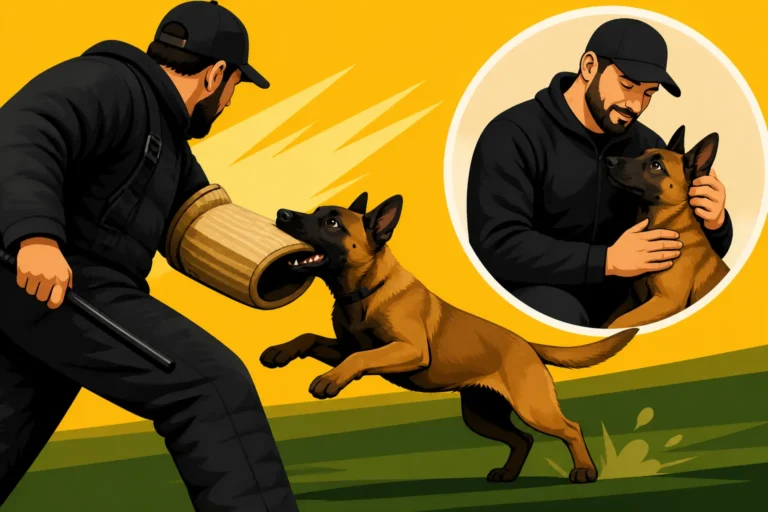
Imagine a Malinois trying to engage an older Labrador in a game of chase and tackle. The Labrador might quickly become annoyed, scared, or even injured. This isn't necessarily aggression from the Malinois, but a lack of understanding boundaries and a boundless need to exert energy. The solution here lies in providing the Malinois with appropriate outlets for their energy that don't involve bothering the other dogs. This means dedicated training sessions, long runs, flirt pole games, or bite work with you, not their housemates. Referencing articles like Two Hours and a Job a Belgian Malinois Demands Daily highlights the sheer volume of exercise and mental stimulation required.
Ensure your other dogs also get their individual exercise and enrichment that matches their needs, not just what the Malinois dictates. Sometimes, managing energy mismatches means literally separating play, allowing the Malinois to "go hard" in a separate space or with you, and then ensuring quieter, calmer interactions when all dogs are together.
Preventing Escalation: Recognizing Warning Signs
Living with multiple dogs, especially high-drive breeds, means becoming a master interpreter of canine body language. Dogs rarely go from zero to fight without giving off a multitude of subtle (and sometimes not-so-subtle) warning signs. Learning to recognize these cues is paramount to preventing conflicts and maintaining peace in your home.
Look for behaviors such as lip licks, yawning (when not tired), head turns, turning away, stiff body posture, whale eye (where the whites of the eyes are visible), low growls, or a sudden freezing of movement. These are all signals of discomfort, stress, or an impending escalation. A Malinois might also exhibit intense staring, guarding a toy by standing over it rigidly, or leaning into another dog to control their movement. Spotting the Moment a Malinois Goes Over Threshold is a vital skill to develop.
When you see these warning signs, it's your cue to intervene immediately and calmly. This doesn't mean punishing the dogs, but rather redirecting their attention, creating distance, or removing the source of tension. For example, if two dogs are staring each other down over a chew, calmly call one away, or simply pick up the chew. Management tools like leashes, crates, and baby gates become invaluable here. Consistent observation and swift, quiet intervention will teach your dogs that you are on top of things, and that you will resolve potential conflicts before they boil over. Prevention is always easier than repair.
When a Multi-Dog Home Works (and Doesn't)
Ultimately, the question of whether a Belgian Malinois suits a multi-dog home isn't a simple yes or no. It depends on a multitude of factors, from the specific temperament of the Malinois, to the personalities of your existing dogs, and perhaps most importantly, to your own experience and dedication as a handler. It's about building a sustainable ecosystem, not just throwing dogs together and hoping for the best.
Ideal Canine Companions for a Malinois
If you're considering a Malinois for a multi-dog home, the existing dogs in your household play a huge role in the potential for success. The "ideal" companion for a Malinois isn't necessarily another Malinois, but rather a dog that can either match their intensity or perfectly complement it.
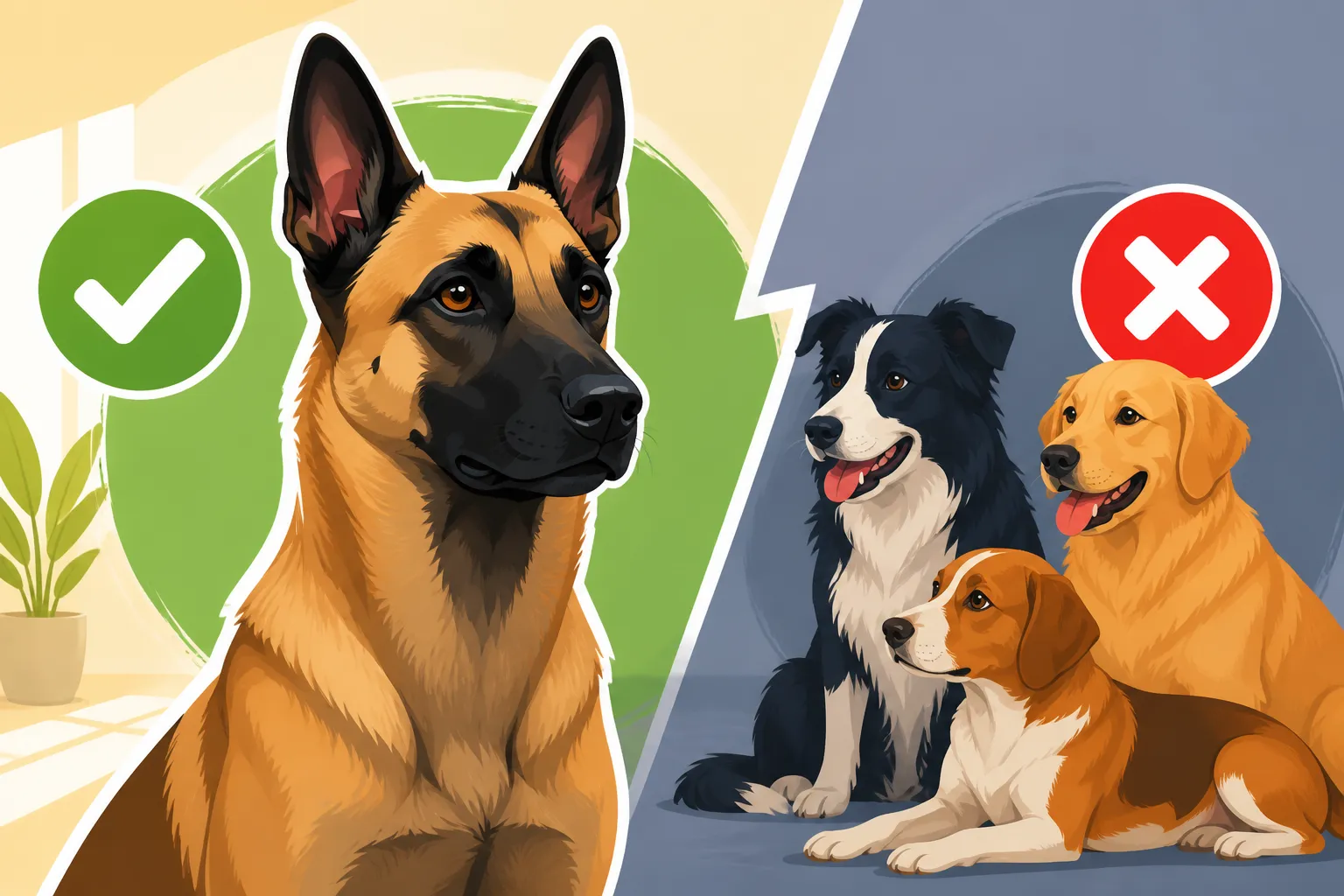
Generally, a good match for a Malinois would be another confident, resilient dog with a similar energy level and social skills, or one that is very tolerant and secure in itself. Another working breed, such as a well-socialized German Shepherd or Dutch Shepherd, might be able to handle the Malinois's play style. Dogs that are clear communicators, able to tell the Malinois "no" when needed, but also willing to engage in robust play, can often do well.
On the flip side, very small, delicate, or fearful dogs may struggle significantly. The Malinois's sheer size, speed, and intensity can be terrifying and overwhelming, potentially leading to anxiety or even defensive aggression from the smaller dog. Similarly, very dominant or equally intense dogs that are prone to challenging behavior can lead to constant power struggles and potential fights. The age of the existing dogs also matters; an elderly, arthritic dog might not appreciate a young, bouncy Malinois constantly wanting to play.
The Importance of Handler Experience
Let's be blunt: a Belgian Malinois is absolutely not a beginner dog, and integrating one into a multi-dog household magnifies the challenge exponentially. This is where your handler experience truly becomes the make-or-break factor. A seasoned, knowledgeable handler understands canine behavior, can read subtle cues, and is prepared to dedicate significant time and effort to training and management. The Handler Experience a Belgian Malinois Needs cannot be overstated.
You need to be someone who is comfortable providing firm, consistent leadership without being heavy-handed. You must be committed to ongoing training, socialization, and providing structured exercise that fulfills the Malinois's immense needs. This isn't a "set it and forget it" kind of dog; they require daily engagement and mental stimulation. If you're struggling to manage one dog, adding a Malinois to the mix will likely create an untenable situation.
Furthermore, managing multiple dogs means being adept at conflict resolution, resource management, and understanding individual dog dynamics. It requires a significant investment of time, patience, and often, financial resources for training, equipment (like crates from a reputable brand like Ruffland, or tough toys from a variety of retailers on Amazon), and potentially professional guidance. The idea of Whether One Person Can Handle Two Belgian Malinois is often a question of the handler's skill, not just the dogs'. Without a highly experienced and dedicated handler at the helm, a multi-dog home with a Malinois can quickly become a stressful and chaotic environment for both humans and canines.
Making the Right Decision for Your Household
Ultimately, the decision to bring a Belgian Malinois into a multi-dog home rests entirely on a brutally honest self-assessment of your capabilities, the temperaments of your current dogs, and your lifestyle. This isn't a breed to acquire on a whim, especially when other canine lives are involved.
Ask yourself these critical questions:
- Can you truly meet the Malinois's immense exercise and mental stimulation needs daily, in addition to your other dogs' needs?
- Do your existing dogs have stable, resilient temperaments that can tolerate a high-drive, intense companion? Are they clear communicators of their boundaries?
- Are you prepared to manage resources (food, toys, attention) meticulously to prevent conflict? This often means separate feeding and supervising all interactions.
- Do you have the experience and confidence to provide consistent, fair leadership to all dogs, and intervene calmly and effectively if tensions arise?
- Are you willing to invest in professional training and behaviorist consultations if challenges emerge?
- Do you have the physical space, both indoors and out, to allow for separation and individual decompression for each dog when needed?
Sometimes, after careful consideration, the honest answer is that a multi-dog home isn't the right environment for a Malinois, or that a Malinois isn't the right addition to your specific multi-dog home. There's no shame in recognizing this. It's far kinder to make a realistic choice than to force a situation that leads to stress, conflict, and potential rehoming down the line. A single, well-adjusted Malinois in the right home is infinitely better than a chaotic multi-dog household. Perhaps Whether a Belgian Malinois Suits a Family Home is a broader question that also needs considering in conjunction with the presence of other pets.
| Factor | Positive Impact on Multi-Dog Home | Potential Negative Impact on Multi-Dog Home |
|---|---|---|
| Malinois Energy/Drive | Can engage other high-energy dogs | Overwhelm, intimidate, or injure lower-energy dogs |
| Handler Experience | Consistent leadership, proactive management | Lack of control, missed cues, escalating conflicts |
| Existing Dog Temperament | Resilient, tolerant, clear communicators | Fearful, dominant, easily overwhelmed, sensitive |
| Resource Management | Clear rules, separate feeding/toys | Resource guarding, competition, fights over items |
| Socialization | Appropriate interactions, good manners | Reactivity, rough play, inappropriate corrections |
| Space & Environment | Ample personal space, safe zones | Cramped, constant proximity, no escape routes |
| Training Investment | Well-behaved, responsive individuals | Unruly, chaotic, difficult to manage group |
Disclaimer
This article is for general informational purposes only and does not constitute professional advice. Laws, prices and regulations vary by location and change over time. Consult a qualified professional for guidance on your specific situation.