Same Sex Aggression in Belgian Malinois
It's a really tough spot to be in when you love your Belgian Malinois fiercely, but you're constantly walking on eggshells because of tensions with another dog in your home, especially if they're the same sex. Many owners find themselves grappling with same-sex aggression, a problem that often feels deeply frustrating and isolating because these dogs are otherwise so brilliant and devoted. This guide is here to walk you through understanding what same-sex aggression looks like in a Malinois, why it might be happening, and practical, empathetic strategies to manage and hopefully mitigate it, helping you navigate these challenging waters with your high-drive companion.
Understanding Same-Sex Aggression in Belgian Malinois
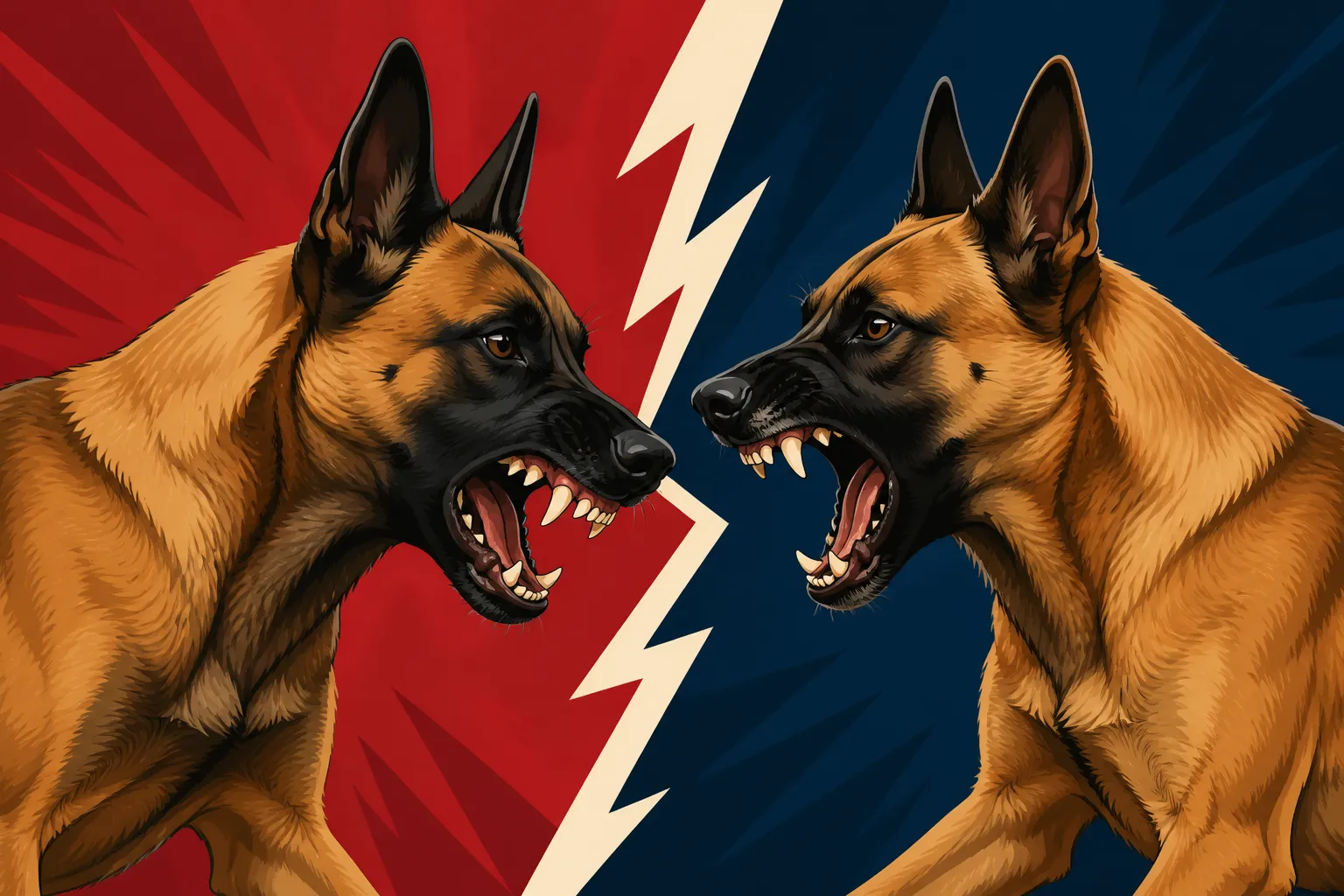
Same-sex aggression (SSA) in Belgian Malinois isn't just a simple squabble over a toy; it's a deep-seated behavioral issue that can manifest in various ways, from subtle intimidation to outright, dangerous fights. When we talk about SSA, we're usually referring to aggression directed by one dog towards another dog of the same biological sex, and it's particularly prevalent in certain breeds known for their strong personalities, high drives, and guarding instincts – characteristics that Belgian Malinois possess in spades. It’s not a reflection of a "bad" dog or a "bad" owner, but rather a complex interplay of genetics, early experiences, and environmental factors.
The Nuances of Malinois Same-Sex Aggression
What makes SSA in Malinois particularly challenging is its intensity and often sudden onset. Unlike some breeds where a spat might be loud but rarely results in serious injury, a Malinois engaging in SSA can escalate quickly and inflict significant harm. Their prey drive, coupled with their protective nature and immense physical capability, means that a disagreement can turn into a serious incident in the blink of an eye. You might see subtle signs at first: a hard stare, stiff body language, a low growl, or a sudden snark over resources like food, toys, or even access to a favorite human. Over time, if unchecked, these minor incidents can build into more pronounced displays of aggression, including lunging, snapping, or full-blown fights. It's often worse between two intact males or two intact females, but it can absolutely manifest even after dogs are spayed or neutered. The underlying competitive drive remains, sometimes just simmering beneath the surface until a trigger ignites it.
Imagine having two female Malinois, both otherwise well-behaved and loving with their humans. For months, they’ve coexisted, perhaps with a minor grumble now and then. Then, one day, one of them comes into season, or perhaps a new, exciting chew toy is introduced, or even just one dog dares to lie on the "best" dog bed. Suddenly, what seemed like a minor tension explodes into a fight that leaves both dogs shaken and you wondering what went wrong and how to pick up the pieces. This isn't uncommon, and the key is to recognize the early warning signs and understand the potential severity before it escalates to that point. This breed thrives on structure and clear communication, and ambiguity in their social hierarchy or resource allocation can fuel these conflicts. For more on what it means to live with this kind of intensity, you might find The Handler Experience a Belgian Malinois Needs insightful.
Why Malinois Are Prone to This Specific Challenge
There are several contributing factors that can make Belgian Malinois more susceptible to same-sex aggression. Firstly, their strong guarding instincts, bred into them from generations of working as protectors and herders, can lead to resource guarding not just of physical items, but also of space, people, and even attention. When two dogs of the same sex, especially those with strong personalities, compete for these perceived valuable resources, conflict can arise. It's a primal instinct, and in a breed as powerful and driven as the Malinois, these instincts are amplified. They are not dogs that back down easily, and a challenge from a perceived rival of the same sex can be met with significant force.
Secondly, a lack of adequate socialization during critical developmental periods can play a huge role. While Malinois puppies need to learn to navigate the world and interact with various dogs and people, "socialization" doesn't mean just throwing them into a dog park free-for-all. It means carefully curated, positive experiences that teach appropriate canine manners and how to disengage from conflict. If a Malinois puppy only experiences rough play or negative interactions with other dogs, especially those of the same sex, it can develop a defensive or aggressive posture later in life. Even subtle cues missed by an inexperienced owner can lead to misinterpretations between the dogs themselves. This is why foundational training, like that offered by programs like BAXTER & Bella, can be so critical in setting a young Malinois up for success, teaching them to listen to their human even when other dogs are present, and promoting good manners from an early age.
Finally, genetics and individual temperament cannot be overlooked. Some lines of Malinois may simply be predisposed to higher levels of dog-on-dog aggression, just as some are predisposed to stronger prey drive or environmental sensitivities. A responsible breeder will often screen for temperament issues in their breeding stock, but even with the best intentions, genetics are complex. Combined with their inherent intensity and powerful physical presence, these dogs are simply built to defend and assert themselves, which can, unfortunately, spill over into challenging same-sex relationships within a household.
Identifying the Triggers and Warning Signs
Catching same-sex aggression early, or even preventing it, relies heavily on your ability to read your dogs' body language and understand what might be setting them off. Malinois are incredibly intelligent and often subtle in their initial communications, meaning a small shift in posture or a fleeting glance can speak volumes before a full-blown confrontation erupts. Being a vigilant observer is your first line of defense.
Subtle Cues and Escalating Behaviors
Before a full-on fight, dogs will almost always offer a series of warning signals. These might be so subtle you'd miss them if you weren't looking, especially in the fast-paced world of a Malinois. Look for:
- Hard Stares: One dog fixating on the other with unblinking eyes.
- Stiff Body Language: A rigid posture, tucked tail, or raised hackles, even slightly.
- Lip Licks and Yawns (in context): These can be appeasement signals, indicating stress or discomfort.
- Blocking: One dog physically positioning itself between the other dog and a resource (you, a toy, a doorway).
- Resource Guarding: Growling or snapping when another dog approaches food, toys, or even their bed. This is a huge red flag and needs immediate, careful management.
- Exaggerated Movements: Overly boisterous play that seems to target the other dog, or conversely, one dog completely shutting down or trying to disappear when the other is near.
If these signs are ignored, the behavior will often escalate. You might start seeing more frequent snarks, posturing (standing over the other dog, leaning into them), air snapping, or even minor scuffles that seem to resolve quickly but leave tension in the air. These are not "just playing" or "working it out"; these are clear indicators that the relationship is strained and that a more serious incident is likely if interventions aren't made. Pay close attention to these interactions, especially around high-value items or during exciting moments like coming home or meal times. It's not just about the moment of the fight, but all the small interactions leading up to it. For deeper insight into how a Malinois expresses itself around other dogs, consider reading A Belgian Malinois That Reacts to Other Dogs.
Common Triggers for Same-Sex Aggression
Identifying the specific triggers for your Malinois’s same-sex aggression is crucial for effective management. These triggers can be incredibly varied, but some patterns emerge:
- Resources: This is perhaps the most common trigger. Food bowls, high-value chews, favorite toys, prime sleeping spots, and even human attention can become points of contention. One dog might guard their bowl, but another might guard you from the other dog.
- Space: Small, confined spaces can heighten tension. A narrow hallway, a shared crate, or even passing too closely in the living room can spark an issue. Sometimes, simply one dog entering another's perceived "personal bubble" can be enough.
- Excitement and Arousal: High-arousal situations, such as coming home from a long day, guests arriving, or intense playtime with a ball, can lower inhibition and increase reactivity. The dogs might be fine 99% of the time, but that one moment of high energy pushes them over the edge.
- Hormonal Changes: Intact dogs are more prone to SSA. Females in heat can elicit aggression from other females, and intact males can be highly competitive. Even after spaying/neutering, residual hormones or established competitive patterns can persist.
- Lack of Structure/Leadership: In a multi-dog household, a clear hierarchy and consistent rules from the human leader can help prevent many conflicts. If the dogs perceive ambiguity in leadership, or if rules aren't consistently enforced, they may try to sort it out themselves, often violently. The Structure a Belgian Malinois Needs Every Day delves into how important consistent structure is for this breed.
- Pain or Illness: A dog experiencing chronic pain or an acute injury might become irritable and less tolerant of other dogs, leading to aggressive outbursts. Always rule out medical causes for sudden behavioral changes.
- New Dogs or Changes in Household Dynamics: Introducing a new dog, even a puppy, can upset the established social order and trigger SSA in existing residents. Similarly, significant changes in routines or living arrangements can stress dogs and make them more reactive.
Keeping a journal of when and where conflicts occur, and what seemed to precede them, can be incredibly helpful in pinpointing your specific triggers. Knowing these triggers allows you to proactively manage the environment and prevent escalation.
Management Strategies for Same-Sex Aggression
Living with same-sex aggression, especially with powerful dogs like Belgian Malinois, requires a commitment to proactive management. This isn't about "fixing" your dog overnight; it's about creating a safe, predictable environment that minimizes conflict and prevents dangerous situations. It's a lifestyle adjustment, not a quick fix.
Environmental Management and Prevention
The most immediate and critical step is to manage the environment to prevent direct confrontations. This often means separating the dogs completely when you cannot actively supervise them.
- Crate and Rotate: This is a common and highly effective strategy for households with SSA. When you are home and supervising, the dogs might be out together (with strict rules, of course). When you leave, or when supervision is impossible (like overnight), they are securely crated in separate areas or rotated between different secure zones of the house. This prevents unsupervised interactions that could lead to fights. Ensure both dogs have positive associations with their crates; they should be safe havens, not punishment zones. For secure, comfortable crates, you can often find a good selection on Amazon that fits a Malinois's size and strength.
- Resource Guarding Prevention: Identify all high-value resources and ensure they are never accessible to both dogs simultaneously.
- Feeding: Feed dogs in separate rooms, behind closed doors, or in their individual crates. Remove bowls immediately after eating.
- Toys/Chews: Only give high-value toys or chews when dogs are separated. Pick them up before reintroducing the dogs. Consider toys that can be kept entirely separate, preventing any competition.
- Attention: Be mindful of how you give attention. Avoid one dog monopolizing your affection in front of the other. Spread it out, or better yet, give attention to each dog individually when they are separated.
- Spatial Separation: Use baby gates, closed doors, or even exercise pens to create physical barriers in your home. This might mean one dog is in the living room while the other is in the kitchen, or they alternate access to certain areas. This reduces the opportunities for casual friction that can escalate.
- Leash Management: Even indoors, having one or both dogs on a leash (with you holding it, not dragging) can provide an immediate safety measure if tension arises. A quick, calm redirection can prevent a lunge or snap.
Remember, prevention is always better than reaction when it comes to aggression. These management strategies are not a sign of failure; they are responsible choices that prioritize the safety and well-being of all members of your household, canine and human.
Structured Interactions and Training
While management is key for immediate safety, training is essential for building better behavioral patterns and communication between you and your Malinois. This isn't about forcing the dogs to be "friends," but about teaching them to coexist peacefully under your guidance.
- Individual Training: Each Malinois needs dedicated one-on-one training time away from the other dog. Focus on solid obedience commands like "sit," "stay," "down," and a bomb-proof "recall" and "leave it." These are indispensable tools for interrupting and redirecting unwanted behaviors. Building a strong bond and reliable obedience with each dog individually strengthens your leadership role and their responsiveness. You'll want to build engagement with each dog so they look to you for direction.
- Controlled Introductions: If the aggression is not severe enough to warrant complete avoidance, practice controlled introductions under strict supervision. This might involve parallel walks where dogs are on opposite sides of a street, slowly decreasing distance as long as both dogs remain calm. Keep these sessions short and positive, ending before either dog shows signs of stress.
- Positive Reinforcement: Reward calm behavior heavily. If your dogs are in the same room and one ignores the other, praise and treat them lavishly. The goal is to make good choices (ignoring the other dog, relaxing) highly rewarding. Avoid punishing growling or snapping, as this can suppress warning signals, making the aggression more unpredictable. Instead, interrupt and redirect the behavior before it escalates.
- Muzzle Conditioning: This is a non-negotiable step for any dog with a bite history or potential for severe aggression, especially Malinois. Muzzle conditioning should be a positive process, teaching your dog to willingly and happily wear a muzzle. A well-fitted basket muzzle allows the dog to pant, drink, and take treats, but prevents bites. This provides an invaluable safety net during controlled interactions, vet visits, or any situation where conflict might arise. You can find durable, comfortable basket muzzles on Amazon.
- Desensitization and Counter-Conditioning: This involves gradually exposing your Malinois to the triggers at a low intensity while simultaneously pairing the trigger with something positive. For example, if a certain dog of the same sex triggers your Malinois, you might start by having that dog appear at a distance where your Malinois notices but doesn't react, then immediately give your Malinois a high-value treat. Over time, you slowly decrease the distance, always ensuring your Malinois remains under threshold and associates the other dog with positive experiences. This is a long, slow process that requires immense patience.
Consistency is paramount. Every interaction, every rule, every command needs to be enforced consistently by everyone in the household. Ambiguity can quickly unravel progress, especially with a breed as discerning as the Malinois. For more on creating effective training strategies, checking out Building Engagement With a Belgian Malinois could be really helpful.
When to Seek Professional Help and Rehoming Considerations
Dealing with same-sex aggression in Belgian Malinois is incredibly challenging, and there's no shame in admitting you need expert help. In fact, for a breed as powerful and intense as the Malinois, professional guidance is often essential for both safety and progress. There are also times when, despite your best efforts, the situation might not be resolvable, and difficult decisions about rehoming must be considered.
Consulting a Qualified Professional
If you are experiencing any level of same-sex aggression in your Malinois, especially if it involves biting or poses a risk to household safety, your first step should be to consult a qualified professional. Not just any trainer will do; you need someone experienced with high-drive working breeds and aggression cases.
- Veterinary Behaviorist: This is a veterinarian with specialized training in animal behavior. They can rule out any underlying medical conditions contributing to the aggression and can prescribe medication if appropriate, to help manage anxiety or reactivity, creating a window for behavioral modification.
- Certified Professional Dog Trainer (CPDT-KA) or Certified Applied Animal Behaviorist (CAAB): Look for trainers with certifications that indicate a strong foundation in positive reinforcement and modern, ethical training methods. Be wary of anyone who promises quick fixes, uses punitive methods that could escalate aggression, or suggests your dog needs to be "dominated." A good professional will assess your specific situation, help identify triggers, and develop a tailored management and training plan. They can provide invaluable hands-on guidance, demonstrating techniques and helping you read your dogs' nuanced body language.
- Understanding the Process: A behavior modification plan often involves a combination of environmental management, medication (if prescribed), and systematic desensitization and counter-conditioning. It's a marathon, not a sprint, and requires consistent effort from you. They might even recommend specific online programs like BAXTER & Bella for a solid foundation of obedience and handling, which can complement in-person behavior work by ensuring you're using consistent language and cues at home.
The right professional can help you objectively evaluate the situation, implement effective strategies, and support you through what can be a very stressful journey. It’s an investment in the safety and well-being of all involved. For serious behavioral issues like this, avoiding a Whether a Board and Train Ruins a Belgian Malinois scenario is critical, as you need a highly individualized approach.
Making the Difficult Decision to Rehome
Sometimes, despite every effort, time, financial investment, and professional guidance, same-sex aggression may not be manageable or safe to live with. This is a heartbreaking reality for many dedicated Malinois owners, and the decision to rehome is never taken lightly.
- Safety First: The primary consideration must always be safety—for the dogs, other pets, and especially for any humans in the household. If there is a risk of serious injury, or if you are constantly living in fear of the next incident, it might be time to consider alternatives. No one should have to live under constant stress in their own home.
- Quality of Life: Is either dog truly happy or thriving in the current environment? Constant stress, fear, or vigilance can significantly impact a dog's quality of life. If one or both dogs are perpetually anxious or reactive, a different living situation might be kinder for them.
- Realistic Expectations: Aggression is often managed, not cured. You might be able to prevent fights, but the underlying propensity for aggression may always be present, requiring lifelong vigilance and management. If you cannot maintain the necessary level of management long-term due to lifestyle, physical limitations, or mental exhaustion, it's okay to acknowledge that.
- Finding the Right Fit: If rehoming is the chosen path, it's crucial to work with a reputable breed-specific rescue organization that has experience with Malinois and behavioral challenges. Organizations like this often have foster networks and adopters who are specifically equipped to handle dogs with unique needs. They will be honest about the dog's history and ensure it goes to a home that understands and can manage its specific challenges, potentially as a single dog or with a very carefully selected opposite-sex companion. Be honest and transparent about the dog's issues; it's the only way to ensure a safe and successful placement.
The decision to rehome is one of the hardest an owner can face, especially with a breed as devoted as the Malinois. It signifies an unwavering commitment to the dog's well-being, even if it means acknowledging that your home isn't the best place for them. There are often Malinois in rescues that need specialized care and experienced homes; exploring What Malinois Rescues Charge and Require or even Rehabilitating a Belgian Malinois That Was Kenneled might offer insights into how these organizations operate and what becomes of dogs facing these challenges.
| Aggression Type | Description | Common Triggers | Management Strategies |
|---|---|---|---|
| Same-Sex Aggression | Aggression directed towards dogs of the same biological sex, ranging from stiff postures to severe fights. | Resources (food, toys, attention), territory, hormonal status, lack of structure, high arousal, pain. | Crate & rotate, separate feeding, muzzle conditioning, parallel walks, professional help. |
| Resource Guarding | Aggression over valuable items like food, toys, resting spots, or even people. | Presence of another dog near a guarded item; dog feels threatened over possession. | Separate dogs when high-value items are present, feed separately, teach "leave it." |
| Territorial Aggression | Aggression towards perceived intruders in the dog's home or yard. | Strangers, other animals, mail carriers approaching the home. | Management of windows/doors, positive reinforcement for calm behavior, professional input. |
| Fear Aggression | Aggression stemming from fear or perceived threat, often seen when a dog feels trapped or cornered. | Unfamiliar people/dogs, loud noises, sudden movements, vet visits. | Build positive associations, controlled exposure, increase confidence, avoid triggers. |
| Prey Drive Aggression | Aggression driven by the instinct to chase and capture, often directed at smaller, fast-moving targets. | Small animals (squirrels, cats), children running, bicycles. | Leash control, strong recall, channeling drive into appropriate outlets (flirt pole). |
Disclaimer
This article is for general informational purposes only and does not constitute professional advice. Laws, prices and regulations vary by location and change over time. Consult a qualified professional for guidance on your specific situation.