Hiking With a Belgian Malinois Off Leash
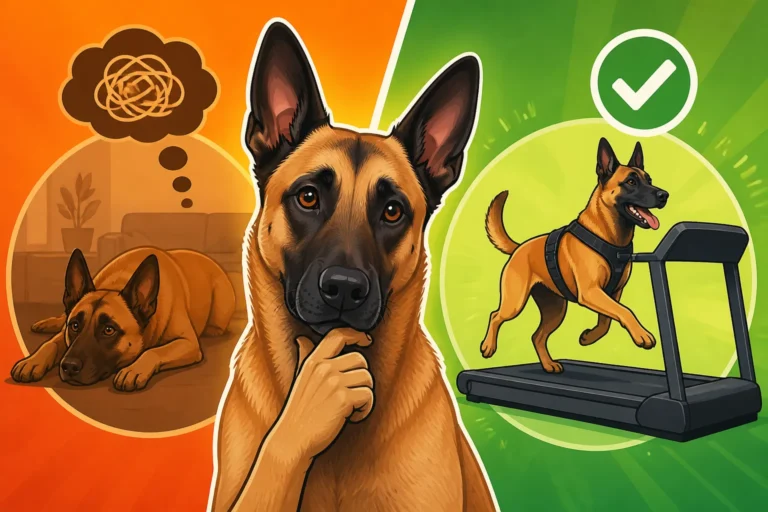
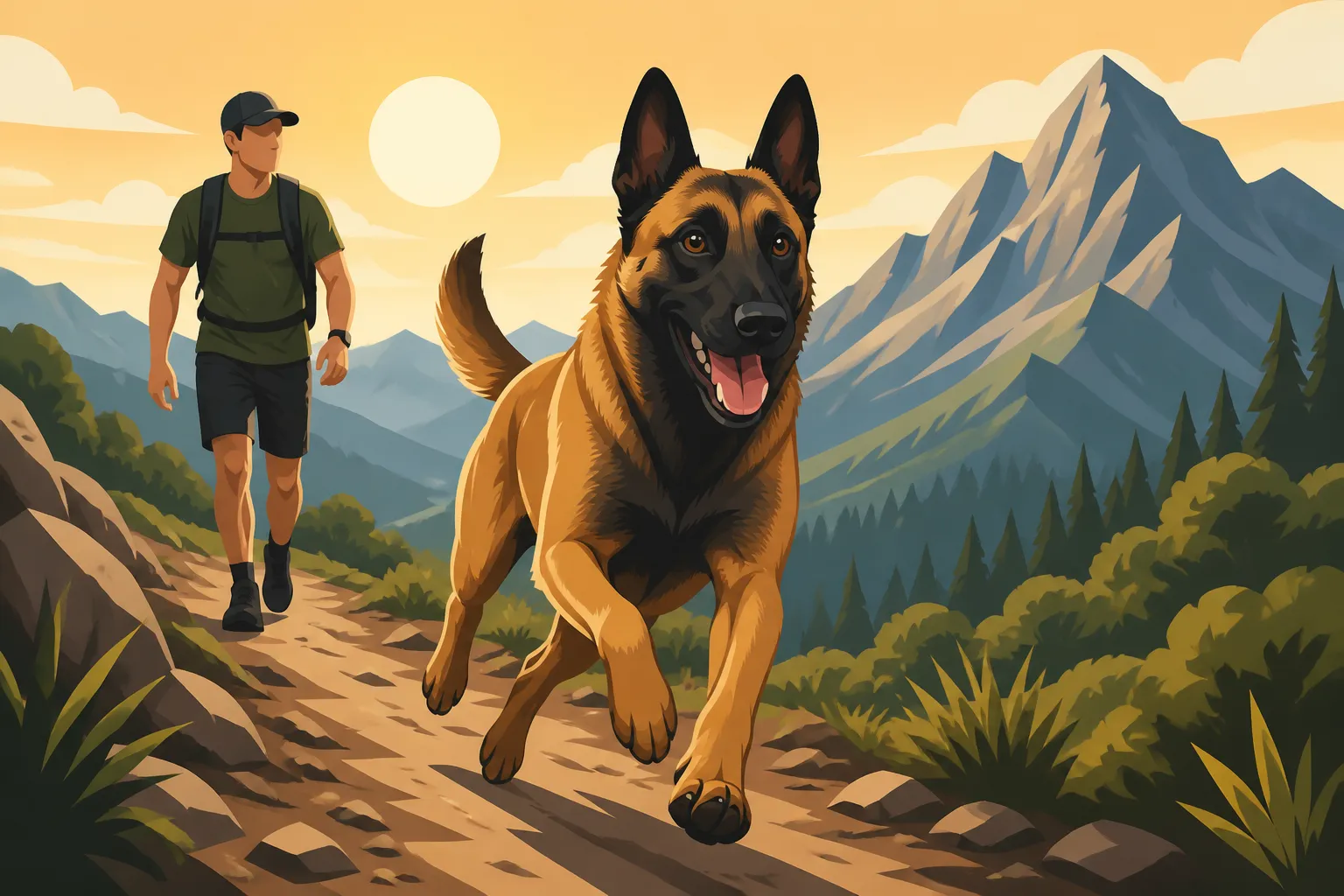
The dream of hiking with your Belgian Malinois, free and untethered, bounding through nature, is a powerful one for many owners. However, the reality of a Malinois's intense drive, coupled with the unpredictable environment of a hiking trail, often turns this dream into a stressful, anxiety-inducing nightmare. This guide is here to help you bridge that gap, providing realistic, actionable strategies to achieve reliable off-leash hiking with your Malinois, ensuring safety and enjoyment for everyone involved.
The Allure and the Challenge of Off-Leash Malinois Hiking
There’s something truly magical about seeing a dog truly unleashed in nature, their senses alight, moving with boundless energy. For a Belgian Malinois, a breed built for work, speed, and endurance, the open trail seems like the ultimate playground. They thrive on movement, on scents, on challenges. But this very intensity, the same drive that makes them incredible working partners, is also what makes off-leash hiking a significant undertaking, fraught with potential dangers if not managed correctly.
Why Off-Leash Freedom is a Double-Edged Sword for Malinois
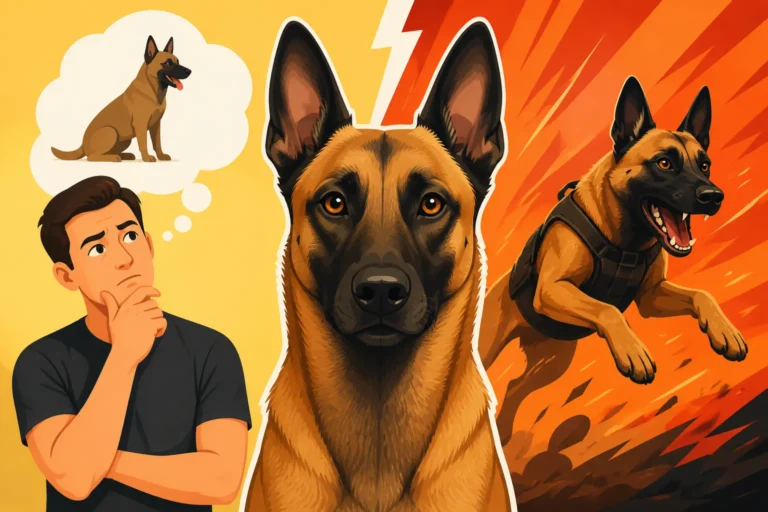
You look at your Malinois, a picture of athleticism and boundless energy, and you just want to let them go. Their powerful legs, keen nose, and alert eyes seem perfectly suited for navigating trails, scaling rocks, and exploring every new scent. It’s easy to romanticize the idea of them running freely, burning off that endless energy. However, that freedom comes with immense responsibility, and for a Malinois, it’s a much bigger gamble than for many other breeds. Their independence, coupled with their incredible prey drive, means that a squirrel, a deer, or even a blowing leaf can trigger an immediate, instinctual chase response that overrides any prior training if it's not absolutely solid.
Imagine hiking a beautiful, quiet trail when suddenly a rabbit darts across the path. In a split second, your Malinois, who was just trotting calmly by your side, is a blur disappearing into the underbrush, deaf to your frantic calls. This isn't just about losing your dog; it's about potential injury to them, disturbing wildlife, or startling other hikers and their dogs. The very traits we admire in Malinois – their drive, speed, and tenacity – are precisely what make off-leash control so challenging and, frankly, vital to master. It’s a delicate balance between allowing them to express their natural instincts and ensuring they remain safe and respectful of their surroundings.
Understanding Your Malinois's Drive on the Trail
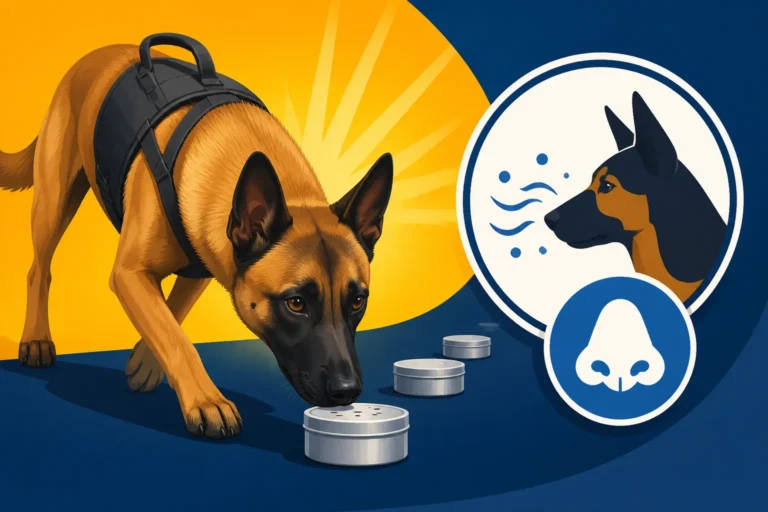
To successfully hike off-leash with a Malinois, you have to truly understand what's going on inside their head when they hit the trail. It's not just a walk; it's a sensory overload. Their highly developed senses are constantly scanning, processing, and reacting. That rustle in the leaves could be a deer. That faint scent on the wind? A coyote passed through here hours ago. Their brains are wired to identify and pursue, and the trail provides an endless buffet of stimuli for these instincts. Unlike many companion breeds, a Malinois often processes these environmental cues as a job or an invitation to engage.
This inherent drive means that "distraction" for a Malinois isn't just a minor blip; it's a powerful force competing directly with your commands. Their focus can shift from you to a distant sound or scent in an instant, and once that primal urge kicks in, getting their attention back can feel impossible if your recall isn't truly bulletproof. It’s not a matter of them being disobedient; it’s a matter of their genetics kicking into high gear. This is why a simple "come" often fails on the trail, because the reward of chasing that deer, for example, is inherently more reinforcing than whatever treat you might have in your pocket, unless you've systematically stacked the odds in your favor. Recognizing this fundamental difference is the first step in building a reliable off-leash relationship on the trail.
Building the Unbreakable Off-Leash Recall
The cornerstone of safe and enjoyable off-leash hiking with any dog, especially a Belgian Malinois, is an absolutely flawless recall. It’s not just a command; it’s a lifeline, a safety net, and the ultimate test of your bond and training. You need a recall that works in all situations, under all distractions, and that your Malinois views as the most rewarding thing they can do. This takes time, consistency, and a systematic approach, starting small and building up.
Foundations: From the Backyard to the Trailhead
Building a truly bomb-proof recall starts in the most boring of environments: your quiet backyard or a securely fenced area with minimal distractions. The goal here is to instill a deep, positive association with the recall cue. Start with your Malinois on a leash, or better yet, a long line. Use a clear, consistent verbal cue like "Come!" or "Here!" and immediately make yourself incredibly exciting. Drop to one knee, open your arms wide, use an excited voice, and when your Malinois reaches you, shower them with high-value treats (think boiled chicken, cheese, or hot dogs) and enthusiastic praise. Make it a party every single time they come to you. You want them to think that coming to you is the best thing that could possibly happen.
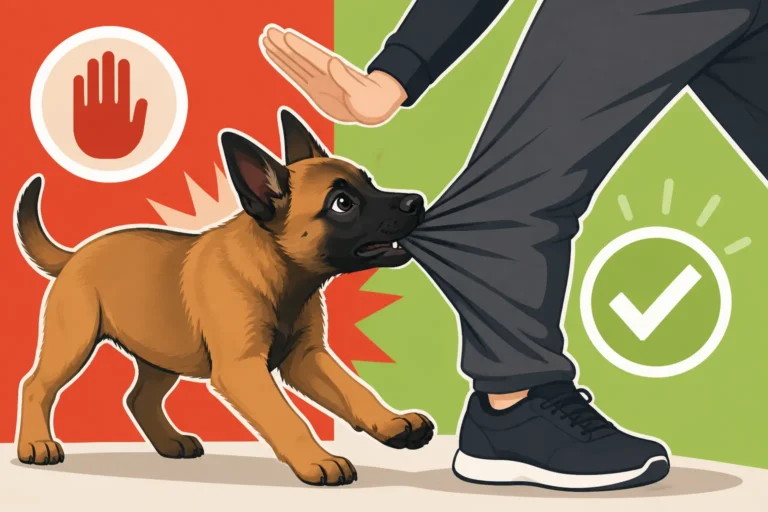
Practice this many, many times a day, in short, fun sessions. As they become reliable in the backyard, start introducing very minor distractions. Have a friend walk by, or toss a low-value toy a short distance. Gradually increase the distance you call them from and the level of distraction. Never call them if you don't think they'll come, especially in these early stages, as every failed recall weakens the command. Use a long line, perhaps a 30-foot or 50-foot one from Amazon, to ensure success. This tether allows you to gently guide them in if they get distracted, ensuring they still "succeed" in coming to you, allowing you to reward them. Remember, for a Malinois, Starting Malinois Recall the Week It Comes Home is crucial; consistent, early work lays the groundwork for later success.
Advanced Recall: Adding Distractions and Distance
Once your Malinois is reliably coming to you in a fenced, low-distraction environment, it's time to incrementally crank up the difficulty. This is where the long line truly becomes your best friend. Take your Malinois to a park during off-peak hours, or a large field, keeping them on the long line. Practice your recall cue while they are sniffing interesting patches of grass, watching distant people, or even observing other dogs from afar. The long line gives you control, allowing you to reel them in if they get too distracted, ensuring they still get rewarded for reaching you. This prevents them from practicing "ignoring" your calls.
As they improve, gradually introduce more challenging scenarios. Practice around moderate foot traffic, near children playing, or where other dogs are present (but not interacting directly, yet). This systematic exposure builds their understanding that "come" means come, no matter what. For a Malinois, learning to tune out the world and refocus on you is a learned skill that goes against some of their natural instincts. This phase also includes teaching them to respond to Recalling a Belgian Malinois Off a Moving Target, like a thrown ball or a person jogging by, which is a vital skill for trail safety. Consistency, patience, and high-value rewards remain paramount. Don't rush, and always set your Malinois up for success.
Here's a breakdown of the recall training progression:
| Stage | Environment | Distraction Level | Key Tool | Goal |
|---|---|---|---|---|
| Foundation | Quiet backyard, empty room | Minimal | Leash, High-Value Treats | Establish positive association with recall cue |
| Intermediate | Large, fenced park (off-peak), quiet field | Low to Moderate | Long Line (Amazon) | Introduce mild distractions, build distance |
| Advanced | Busy park, nature trail, dog-friendly areas | Moderate to High | Long Line, E-Collar (conditioned) | Reliability amidst high stimuli, emergency recall |
| Maintenance | Various real-world scenarios | Variable | Occasional refresher | Generalize and sustain recall in all contexts |
Remember to keep working on Long Line Work With a Malinois in Open Ground to build confidence in both you and your dog that they can be controlled even when further away.
Essential Gear and Safety Protocols for Off-Leash Adventures
Even with the most meticulously trained Malinois and a rock-solid recall, off-leash hiking demands more than just a well-behaved dog. It requires the right equipment, a deep understanding of trail etiquette, and a preparedness for the unexpected. For a breed as driven and intelligent as the Malinois, having the right tools isn't a crutch; it's a responsible extension of your training and commitment to their safety.
Harnessing Technology: E-Collars and GPS
When we talk about off-leash reliability for a Belgian Malinois, especially on trails, the discussion often turns to e-collars. It's important to clarify: an e-collar is not a punishment device, but a communication tool that, when introduced and conditioned correctly, can provide clear, consistent, and long-distance feedback. For a Malinois, whose prey drive can take them out of earshot in seconds, an e-collar can be invaluable for reinforcing a recall or a "leave it" command before they get too far. The key is proper conditioning, where the e-collar stimulation is paired with a known command and followed by a reward, rather than being used to shock a dog into submission. Programs like BAXTER & Bella offer guidance on how to properly introduce and condition these tools, ensuring a humane and effective application. Understanding E-Collar Timing on a Belgian Malinois is paramount to its ethical and successful use.
Beyond communication, technology offers another critical layer of safety: GPS tracking. A Belgian Malinois can cover incredible distances in a short amount of time, especially if they catch a scent or spot something intriguing. Losing them on a vast trail system, particularly in unfamiliar territory, is a terrifying prospect. A reliable GPS collar ensures that even if they do get out of sight or wander too far, you can quickly locate them. It's not just about preventing loss, but about peace of mind. While they represent an initial investment, the ability to quickly track your dog can be priceless. Many owners debate Whether a GPS Collar Is Worth It on a Malinois, but for those who hike off-leash, the consensus often leans towards a resounding yes. These devices integrate seamlessly into a regular collar and can provide real-time location updates, often via a smartphone app.
Trail Etiquette, Local Laws, and Emergency Preparedness
Even if your Malinois has an Oscar-worthy recall, off-leash hiking isn't a free-for-all. Respecting local leash laws is non-negotiable. Many popular trails, especially those in national or state parks, have strict leash requirements for good reason – to protect wildlife, other trail users, and dogs alike. Ignoring these rules not only puts you at risk of fines but also erodes public trust in responsible dog owners. Always research the specific regulations for the trails you plan to visit before you go. When encountering other hikers, especially those with dogs, it's always best practice to call your Malinois back to your side, or even leash them temporarily, to avoid any potential conflict or perceived threat. Not everyone understands or appreciates the intensity of a Malinois, and even a friendly greeting can be misinterpreted.
Beyond etiquette, preparedness is key. Always carry a basic first-aid kit for yourself and your dog, including paw protection, antiseptic wipes, and bandages. Hydration is crucial; bring ample water for both of you, especially during warmer months. Remember, a Malinois can easily overheat if they're constantly running. A whistle can be an effective long-distance recall cue, as its sound carries further and is less likely to be perceived as an angry human voice than yelling. Knowing basic emergency commands like "leave it" and "stay" can literally save your Malinois's life if they encounter something dangerous, like a snake or hazardous plant material. The more you explore, the more you’ll find that Whether a Malinois Is Ever Safe Off Leash depends heavily on your continuous effort in training and preparation.
Common Pitfalls and Troubleshooting Off-Leash Challenges
The journey to reliable off-leash hiking with a Belgian Malinois is rarely a straight line. There will be setbacks, unexpected challenges, and moments where you feel like you've gone backward. Understanding these common pitfalls and having strategies to troubleshoot them is just as important as the initial training. Your Malinois is a living, breathing creature driven by powerful instincts, and the environment is constantly changing, so adaptability is key.
When the Environment Overwhelms Your Malinois
One of the biggest hurdles for Malinois owners on the trail is when the sheer volume of environmental stimuli becomes overwhelming, leading to what we call "over-threshold" behavior. This might manifest as your Malinois becoming completely fixated on a scent, ignoring your commands, or even exhibiting reactivity towards other dogs or people. Their high drive means they can quickly become tunnel-visioned, unable to break focus from an interesting (or perceived threatening) stimulus. This isn't defiance; it's their brain being flooded, and their instinctual responses taking over. For a breed often focused on moving things, the dynamic nature of a trail can be a constant challenge.
The key to managing this is prevention and early intervention. Before you even head out, consider the trail conditions: Will it be crowded? Is there a lot of wildlife activity? Choose trails that match your Malinois's current training level. While on the trail, constantly observe your dog. Look for subtle signs that they're approaching their threshold: stiffening body, hyper-focus, sniffing excessively without responding to their name, or a slight raise in their hackles. When you notice these signs, immediately intervene by calmly redirecting their attention, giving a known command (like "look at me"), or simply changing direction. Sometimes, the best solution is to put them back on the long line or leash to give them a moment to decompress and refocus. Understanding Spotting the Moment a Malinois Goes Over Threshold is a vital skill for safe off-leash excursions.
Maintaining Off-Leash Reliability Over Time
You've put in the countless hours, the high-value treats, the long line work, and your Malinois is performing beautifully off-leash on your regular trails. Fantastic! But the work doesn't stop there. Maintaining off-leash reliability, especially with a Belgian Malinois, is an ongoing process, not a destination. These dogs are intelligent and adaptable, but they can also revert to old habits or test boundaries if training becomes stagnant. Complacency is truly the enemy here; if you stop actively reinforcing that stellar recall, it can slowly erode over time.
To keep that recall sharp, continue to practice it regularly, even when you don't "need" to. Vary your locations – go to new parks, different trails, and even urban environments (where appropriate and safe, of course). This helps your Malinois generalize the command, understanding that "come" means "come" regardless of where you are or what distractions are present. Don't always rely on the same high-value reward; occasionally use a favorite toy or a quick game of tug instead of food. Keep it fun and unpredictable! Remember, for a Malinois, daily mental and physical stimulation is crucial. Two Hours and a Job a Belgian Malinois Demands Daily often involves these types of rigorous training sessions. Actively Building Engagement With a Belgian Malinois even outside of direct recall training will strengthen your bond and their desire to work with you, making them more inclined to respond when called, even in high-stakes situations.
Disclaimer
This article is for general informational purposes only and does not constitute professional advice. Laws, prices and regulations vary by location and change over time. Consult a qualified professional for guidance on your specific situation.