Running a Belgian Malinois Beside a Bike
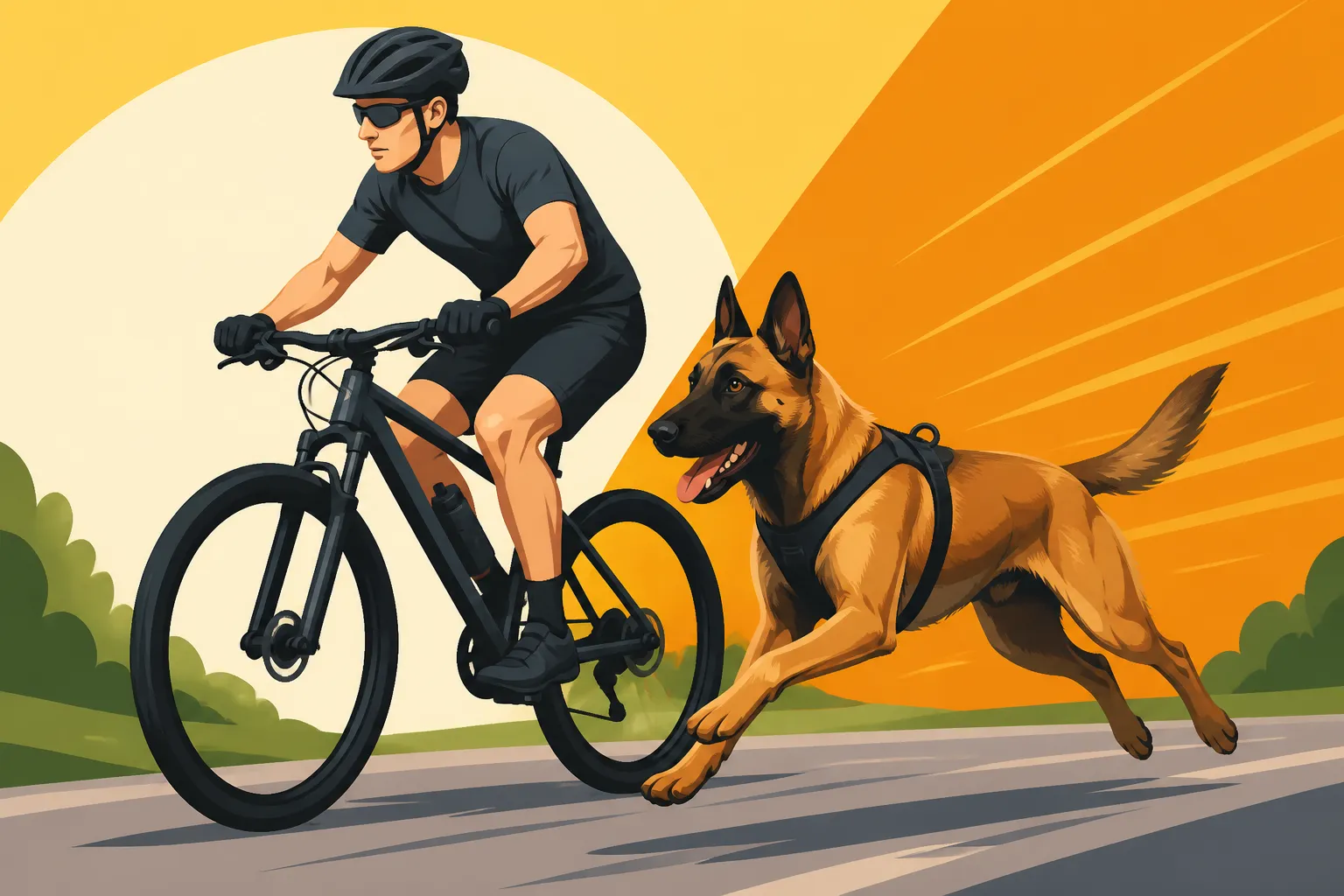
If you've ever felt like a regular walk or even a strenuous run just isn't enough to truly tire out your high-drive Belgian Malinois, you're not alone. These dogs are incredible athletes with boundless energy, and finding outlets for that drive can be a real challenge. This guide dives into a fantastic, high-intensity activity: running your Belgian Malinois alongside a bike, commonly known as bikejoring, offering both physical exertion and mental engagement that can make a huge difference in their well-being.
Why Running with Your Malinois Beside a Bike is an Excellent Workout
Let's be honest, living with a Belgian Malinois means perpetually seeking ways to burn off that incredible energy. They aren't content to be couch potatoes, and frankly, expecting them to be is a recipe for disaster in the form of chewed furniture, incessant barking, and general chaos. Biking with your Malinois can be a game-changer, providing a sustained, high-impact workout that many other activities simply can't match.
The Intense Exercise Needs of a Belgian Malinois
A Belgian Malinois isn't just a dog; it's a finely tuned athletic machine, bred for intense work and endurance. They thrive on having a job, and that job often involves covering vast distances and maintaining focus under pressure. Just throwing a ball in the yard for twenty minutes or taking a leisurely walk around the block simply won't cut it. Many owners find themselves asking How Many Hours a Belgian Malinois Should Work Daily because the typical recommendations for other breeds fall so short.
Their metabolism is geared for activity, and their minds are constantly seeking engagement. When these needs aren't met, frustration builds, leading to undesirable behaviors. You might notice them pacing, barking excessively, or becoming destructive. It's not because they're "bad dogs," but because they are bored and under-stimulated. They need significant physical exertion combined with mental tasks to truly feel satisfied. This is why you'll often hear that Why Walks Alone Do Nothing for a Belgian Malinois—they need more than just a stroll.
Advantages of Biking Over Just Running Together
While running alongside your dog on foot is great, biking offers several distinct advantages, especially for a breed like the Malinois. Firstly, it allows you to maintain a consistent, faster pace for much longer than you could by running yourself. A Malinois can easily outpace a human runner, and trying to keep up with their natural speed on foot can be exhausting and, frankly, impossible for most of us. With a bike, you can match their cadence and allow them to stretch out into a true working trot or gallop, utilizing their powerful hindquarters and efficient stride.
Secondly, bikejoring provides a structured and sustained effort. Unlike intermittent ball throwing, which can lead to bursts of activity followed by periods of waiting, biking offers continuous movement. This sustained effort not only builds endurance but also helps them develop a strong work ethic. It's a form of Structured Work Against Random Running for a Malinois, which is far more beneficial for their physical conditioning and mental satisfaction. Plus, the constant forward motion and the need to follow commands while moving can be incredibly mentally stimulating, helping them to engage their brains as much as their bodies. This combination of physical and mental engagement is key to getting a Malinois truly tired and fulfilled, hitting that sweet spot where The Mental Work That Finally Tires a Malinois Out actually occurs.
Essential Gear for Safe Bikejoring with Your Malinois
Before you even think about hitting the trail, setting yourself and your Malinois up with the right gear is paramount. This isn't just about comfort; it's about safety for both of you. Cutting corners here can lead to accidents, injuries, and a very unpleasant experience for everyone involved. Investing in quality equipment is a non-negotiable step for any serious bikejoring enthusiast.
Understanding Hands-Free Leash Systems
Attempting to hold a regular leash while steering a bike with a powerful Malinois pulling alongside you is a recipe for disaster. One sudden lunge, one squirrel sighting, and you could easily lose control, leading to a fall for you and potentially injuring your dog. This is where hands-free leash systems, often called "bikejoring attachments" or "running attachments," come into play. These systems typically involve a rigid arm that extends from the bike's frame, keeping the towline away from your front wheel.
The towline itself usually has some bungee or shock-absorbing material integrated into it. This is crucial because it dampens sudden pulls or changes in speed, preventing jarring forces on both your dog's harness and your bike. Without this bungee effect, every little tug from your Malinois would feel like a sharp jerk, which can be uncomfortable for them and unstable for you. When looking on sites like Amazon, search specifically for "bikejoring attachment" or "dog bike leash attachment" to find reputable options designed for safety and durability. Avoid anything that just clips to your handlebars and allows a loose leash to dangle near the wheel.
The Right Harness Makes All the Difference
Just as important as the hands-free leash is the correct harness for your Malinois. A standard walking harness or a collar is absolutely unsuitable for bikejoring. These can put undue pressure on your dog's neck, throat, and joints when they are pulling, leading to discomfort, choking, or even long-term injury. What you need is a specialized pulling harness, often called an X-back harness or a sled dog harness.
These harnesses are designed to distribute pressure evenly across your dog's chest and shoulders, allowing them to pull efficiently and comfortably. The attachment point for the towline is typically at the very back of the harness, near the base of the tail, ensuring that their entire body can engage in the pulling motion without restriction or harm to their sensitive throat area. A properly fitted harness will allow full range of motion in their shoulders and legs and won't rub or chafe during extended periods of work. It’s an investment, but a crucial one for your Malinois's health and performance.
Safety Gear for Both You and Your Dog
Your safety is just as important as your dog's. Always wear a helmet, no exceptions. Padded cycling gloves can also be a good idea, offering better grip and protection in case of a fall. For your bike, ensure it's in good working order: brakes are responsive, tires are properly inflated, and chain is lubricated. Consider adding a bell or a loud horn to alert others to your presence, especially on shared trails. Headlights and taillights are essential if there's any chance you'll be out around dawn, dusk, or in dimly lit areas.
For your Malinois, consider protective booties, especially if you'll be on rough terrain or hot pavement. While their pads are tough, constant impact on certain surfaces can still cause wear and tear. Pad Toughening for a Belgian Malinois can certainly help, but booties offer an extra layer of protection against sharp rocks or scorching surfaces. A reflective vest for your dog is also highly recommended, increasing their visibility to others, whether you're on a trail or a quiet road. And, of course, always carry water for both yourself and your Malinois. Hydration is non-negotiable during intense physical activity, especially in warmer weather.
Here's a quick look at essential gear:
| Item | Purpose | Key Features | Where to Find (Examples) |
|---|---|---|---|
| Bikejoring Arm | Keeps towline away from wheels, prevents tangling | Rigid, attaches to bike frame, quick-release | Online sporting goods, Amazon |
| Bungee Towline | Absorbs shock, prevents jarring pulls | Integrated bungee, strong clips, appropriate length (often 6-8 ft) | Specialized dog sport retailers |
| Pulling Harness | Distributes pulling force comfortably | X-back or H-back style, padded, non-restrictive, rear attachment point | Dog mushing/canine sport shops |
| Cycling Helmet | Head protection for rider | Certified for cycling, good fit | Any bike shop, Amazon |
| Dog Booties (Optional) | Paw protection on rough/hot surfaces | Durable soles, secure fit, breathable material | Pet supply stores, Amazon |
| Reflective Vest (Dog) | Increases visibility, especially in low light | High-visibility fabric, reflective strips, comfortable fit | Pet supply stores, Amazon |
| Water Bottle/Bowl | Essential hydration for both of you | Portable, spill-proof dog bowl, human water bottle | Any outdoor store, Amazon |
Training Your Malinois to be a Bike Companion
Jumping straight onto a bike with an untrained Malinois is a recipe for chaos and potential injury. Like any demanding activity, bikejoring requires careful preparation, clear communication, and a gradual introduction. Your Malinois needs to understand what's expected of them, and you need to be confident in your ability to control them. This training process is not only about physical conditioning but also about solidifying your bond and building trust.
Laying the Foundation: Leash Manners and Commands
Before the bike even enters the picture, your Malinois needs impeccable leash manners. They should be able to walk calmly on a loose leash, respond instantly to directional cues like "left," "right," "straight," and a solid "whoa" or "stop." A strong "leave it" command is also absolutely critical, given the distractions you'll encounter on trails – squirrels, other dogs, even trash. Programs that emphasize clear communication and positive reinforcement, like those found with BAXTER & Bella, can be invaluable for establishing these foundational skills. Without these basics, attempting to control a powerful dog from a bike becomes incredibly dangerous.
Practice these commands in various environments, gradually increasing distractions. Start in a quiet park, then move to areas with more activity. Your dog needs to be able to focus on you even when there are tempting scents or exciting sights. Remember, your voice will be your primary means of control when you're on the bike, so their response to verbal cues must be automatic and reliable. This foundational obedience ensures that when you add the bike, your Malinois understands their role and can respond to your guidance.
Introducing the Bike and Movement
Once your Malinois has stellar leash manners, it's time to introduce the bike. Start slow, with the bike stationary. Let your dog sniff it, get comfortable around it. Walk them beside the bike while you push it, keeping the leash loose. The goal is for them to associate the bike with pleasant walks, not something scary or confusing. Do this in a quiet area, free from distractions. Reward calm behavior generously.
As they become comfortable walking next to the pushed bike, you can gradually introduce yourself riding it. Start with very short distances, still walking your dog on a regular leash held by hand (while you ride slowly). This allows them to get used to the movement and the sound of the bike. Once they're confident with this, you can then attach the hands-free system. Begin with just a few minutes of very slow riding in a familiar, safe area. The key is to make every step positive and stress-free. If your dog shows any signs of fear or anxiety, go back a step and work on building their confidence.
Gradual Progression and Troubleshooting Common Issues
The training should always be a gradual progression. Start with short distances on easy, flat terrain. Slowly increase the duration and intensity as your Malinois's stamina and confidence grow. Don't push them too hard too fast. Observe their body language carefully. Are they still enjoying it? Are they showing signs of fatigue? Remember, The Age a Belgian Malinois Can Start Real Conditioning is important, too—don't begin intense bikejoring with a young puppy whose joints are still developing.
Common issues include pulling inconsistently, getting distracted, or lagging. If they pull inconsistently, reinforce the "pull" or "forward" command with praise and continue moving. If they get distracted, use your "leave it" command and redirect their focus back to the path. If they lag, a gentle verbal encouragement might be enough. Never drag them or punish them for lagging; instead, slow down or stop and encourage them to move forward positively. Consistency in your commands and positive reinforcement are your best tools. Building good habits early will make for a much more enjoyable and safer experience in the long run.
Key Safety Considerations and Best Practices
Bikejoring is an exhilarating activity, but the speed and power involved mean that safety must always be your top priority. Ignoring potential risks can lead to serious consequences for both you and your loyal companion. Thinking ahead about environmental factors and continually monitoring your dog's condition are crucial for a long and enjoyable bikejoring career.
Environmental Factors: Terrain and Weather
Choosing the right terrain is vital. Smooth, well-maintained dirt trails are often ideal. Paved roads can be an option, but be mindful of traffic and, more importantly, the impact on your dog's joints and paw pads. Concrete and asphalt are hard and unforgiving, and prolonged running on them can lead to soreness or even injury over time. Rocky or uneven trails, while offering varied stimulation, also increase the risk of sprains, cuts, or falls. Always scout your route beforehand if possible.
Weather conditions are another major consideration. Malinois, with their short coats, are generally quite tolerant of cold, but extreme heat is a serious danger. These dogs will often push themselves to the point of overheating if allowed. Avoid biking in the midday sun during summer. Early mornings or late evenings are best in warmer climates. Always check the ground temperature; if it's too hot for your bare hand, it's too hot for your dog's paws. Be acutely aware of the risk of Heat Stroke in a Belgian Malinois in a Patrol Car – the same principles apply to intense exercise like bikejoring. Always bring plenty of water and know the signs of overheating: excessive panting, drooling, weakness, or stumbling.
Monitoring Your Malinois for Fatigue or Injury
Your Malinois might be a super-athlete, but they aren't machines. It's your responsibility to monitor them constantly for signs of fatigue or injury. They will often try to please you and keep going even when they're tired, so you need to be proactive. Look for changes in their gait, excessive panting, lagging behind, or a reluctance to maintain pace. If you notice any of these, it's time to stop and rest.
Regularly check their paw pads, especially after sessions on rougher surfaces. Look for cuts, abrasions, or excessive wear. Pay attention to any limping or favoring of a limb. While Joint Supplements for a Working Belgian Malinois can help support their body, consistent heavy impact without proper rest can still take its toll. After each session, make it a habit to perform a quick "once over," gently feeling their legs, shoulders, and back for any tenderness or swelling. This diligent Checking a Belgian Malinois Over After a Session can catch minor issues before they become major problems. Always carry a basic first-aid kit for both yourself and your dog when out on the trails.
Rules of the Road (or Trail)
When bikejoring, you're sharing space with others, whether they are hikers, runners, other cyclists, or equestrians. Always be courteous and respectful. Keep your dog under control and on the correct side of the trail. Announce your presence clearly when approaching others from behind with a friendly "On your left!" or "Dog on the left!" Give other trail users ample space and time to react.
If passing other dogs or people, consider slowing down or even stopping and having your Malinois sit patiently. This demonstrates good manners and prevents potential conflicts or accidents. Your Malinois should be able to calmly tolerate other dogs and people passing by without lunging or barking. A strong "heel" command for these moments is invaluable. Never assume everyone is comfortable around dogs, especially one as powerful and intense as a Malinois. Being a responsible and considerate bikejoring team will ensure trails remain open and welcoming for all users, including those with dogs.
Disclaimer
This article is for general informational purposes only and does not constitute professional advice. Laws, prices and regulations vary by location and change over time. Consult a qualified professional for guidance on your specific situation.