Teaching a Malinois Puppy to Take Food Gently
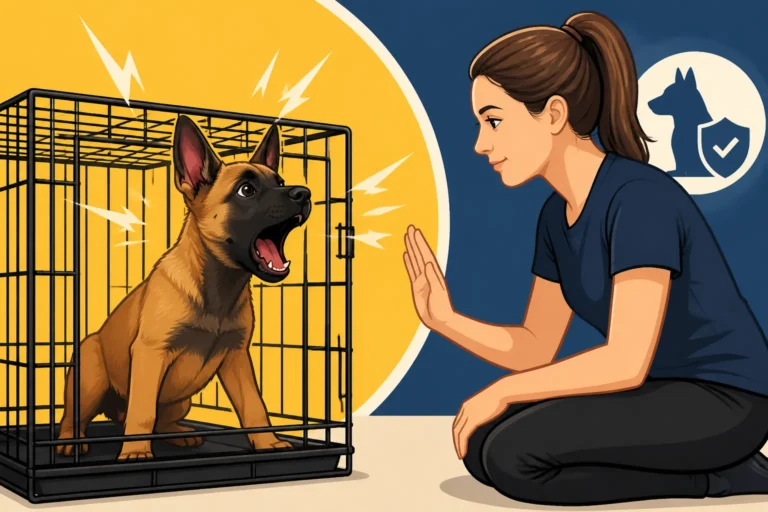
That lightning-fast snap and surprising pressure when your Malinois puppy takes a treat isn't just annoying, it's a genuine safety concern and a signal that you need to establish clear boundaries around their mouth. Malinois are known for their intensity, and while this drive is fantastic for work, it needs careful shaping in daily interactions, especially when it comes to hands and food. This guide is here to walk you through practical, empathetic strategies to teach your high-drive Malinois puppy to take food gently, ensuring a safer and more harmonious relationship for everyone in the household.
Understanding the Malinois Puppy's Mouthiness
It’s easy to feel frustrated, or even a little scared, when your Malinois puppy latches onto a treat or your fingers with surprising force. Many new Malinois owners assume this is a sign of aggression or a dominant personality, but more often than not, it's simply a natural expression of their breed's inherent drive and an unrefined understanding of how to interact with human skin. Your puppy isn't trying to be mean; they're just being a Malinois puppy, full of energy and exploring the world with their mouth.
The Instinct Behind the Bite
Belgian Malinois puppies are born with an incredible amount of prey drive and a strong desire to use their mouths. They were originally bred as herding dogs, which involves nipping and nudging livestock, and later, their protective instincts were honed for police and military work, where a strong, full bite is highly valued. This means your Malinois puppy's mouth is a primary tool for interaction, exploration, and problem-solving. They don't differentiate between a toy, a hand, or a piece of kibble initially; everything is fair game for their sharp puppy teeth. This intense mouthiness is part of The Shark Phase Every Malinois Puppy Goes Through, a perfectly normal developmental stage, but one that absolutely needs guidance. They are testing boundaries, learning bite inhibition, and figuring out how their powerful jaws work.
Developmental Stages and What to Expect
Puppies typically go through several stages of mouthing. In the early weeks, it's mostly about exploration. As they grow, their play bites become stronger, and around 8-16 weeks, their needle-sharp teeth are at their peak "ouch" factor. This is precisely when you need to be most diligent about teaching them proper bite inhibition. They're also teething during this period, which can make them even more prone to nipping and wanting to chew on anything and everything to relieve discomfort. Many owners get a Malinois puppy around eight to ten weeks old, and that's often when the really intense mouthing starts. Knowing that this is a normal, albeit challenging, phase can help you approach the training with patience rather than panic. It's a critical window for them to learn that human skin is fragile and that a soft mouth is always rewarded. The age you bring your puppy home and begin these lessons is crucial, which highlights the importance of understanding The Age a Belgian Malinois Puppy Starts Training.
Building a Gentle Mouth Through Hand Feeding
The most effective way to teach your Malinois puppy to take food gently is by turning every feeding opportunity into a training session. This isn't about punishment; it's about clear communication and rewarding the behavior you want to see. Consistency from everyone in the household is absolutely paramount.
The "Soft Mouth" Technique
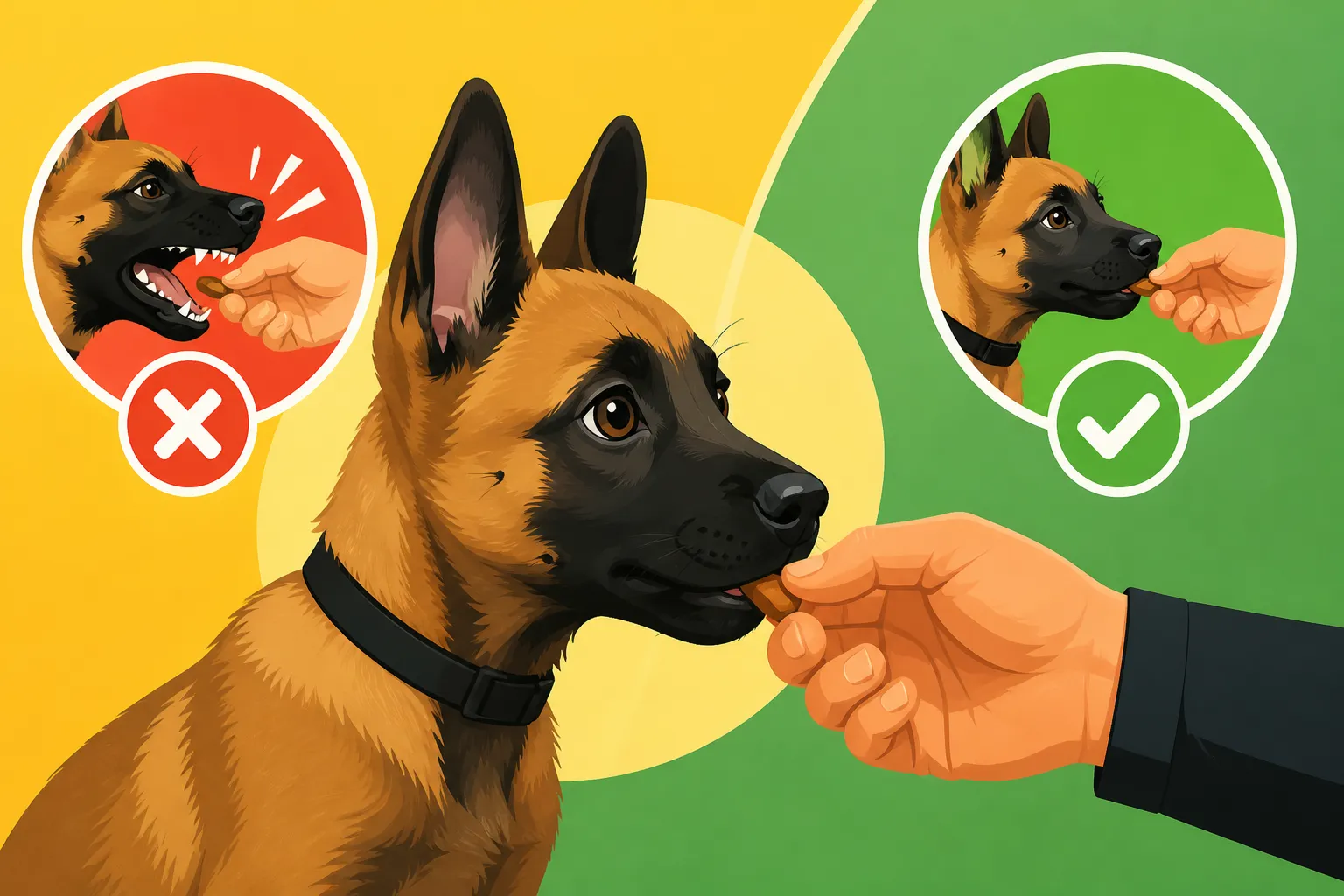
This technique is all about positive reinforcement and immediate feedback. Start with small, high-value treats that are easy for your puppy to grab without much fuss. Hold the treat between your thumb and forefinger. As your puppy approaches, observe their mouth. If they try to lunge or nip hard, quickly withdraw your hand. Give a verbal marker like "oops" or a soft "too hard" and try again. The moment they approach with a soft, gentle mouth – where their lips might touch your fingers but their teeth don't make hard contact – immediately say your chosen positive marker (like "yes!" or "good!") and offer the treat. They need to learn that gentleness makes the treat appear. Repeat this, repeat it, repeat it. Don't let them have the treat if they're being overly rough. It might take many repetitions, but Malinois are smart and quickly pick up on patterns. You'll be amazed how quickly they connect the dots between a gentle mouth and a delicious reward. Building a Marker System With a Malinois is a fantastic resource for deepening this kind of communication.
Using Lick Mats and Food Puzzles
While direct hand-feeding teaches the crucial interaction skill, tools like lick mats and food puzzles can also be incredibly beneficial for a Malinois puppy. These items slow down their eating, engage their brains, and reduce the frantic energy often associated with meal times. Spreading a thin layer of wet food, peanut butter (xylitol-free!), or plain yogurt on a lick mat can provide a calming, self-rewarding activity. For mental stimulation, consider puzzle feeders where your puppy has to work to get their kibble. These don't directly teach gentle oral interaction with your hands, but they can redirect that intense mouth-focused energy in a productive way, making your puppy less likely to be overly eager when a treat eventually comes from your hand. You can find a wide variety of these helpful items on platforms like Amazon, making it easy to experiment and see what your Malinois puppy enjoys most.
Addressing Stronger Behaviors and Over-Excitement
Sometimes, a Malinois puppy's drive can be so high that simple "oops" and withdrawal isn't enough to curb their enthusiasm for food, especially if they are highly aroused. This requires a bit more strategic thinking and perhaps a change in how you approach the initial interaction.
When Gentle Turns to Hard: Managing the Lunge
If your Malinois puppy is consistently lunging and trying to grab the treat with too much force, even after repeated attempts with the "soft mouth" technique, you might need to introduce a tiny bit of "prevention" before the reinforcement. Instead of holding the treat right out, hold it in a closed fist. Only open your fist a tiny bit when your puppy's mouth is calm and gentle. The second you feel teeth, close your fist immediately. Your puppy needs to learn that the treat only appears when they are not biting hard. This is a subtle difference from just withdrawing, as it provides a clear, immediate consequence (the treat disappears from view and access) for the undesired behavior. For those moments when their intensity means they latch onto something inappropriate, learning how to handle Handling a Malinois Puppy That Latches Onto Clothing can be a valuable related skill to master.
Calming Before Feeding Sessions
A key element in teaching a Malinois to be gentle with food is managing their overall excitement levels. A Malinois puppy that is overstimulated, overtired, or simply hasn't had enough appropriate mental and physical exercise is far more likely to be frantic at feeding time. Before starting any hand-feeding session, take a few minutes to engage your puppy in a calming activity. This could be a short training session focusing on known, easy commands like "sit" or "down" for calm duration, or even just some gentle petting. The goal is to bring their arousal level down a notch or two before you even introduce the food. If they are bouncing off the walls, they are in no state to learn nuanced mouth control. Remember, consistency in your daily routine and providing sufficient, structured mental exercise will help reduce overall frantic behavior, preventing situations where What a Malinois Destroys in One Unsupervised Hour becomes a regular occurrence.
Integrating Training and Long-Term Consistency
Teaching a Malinois puppy to take food gently isn't a one-and-done lesson; it's an ongoing process that requires daily reinforcement and a united front from everyone who interacts with your dog. This isn't just about treats either; it's about developing a generally soft mouth and respectful interaction with human hands.
The Household Has to Be on Board
Every single person who offers your Malinois puppy food or engages in play must be consistent with these rules. If one family member allows rough grabbing, it undermines all the hard work everyone else is putting in. This includes children; they must be taught how to safely and gently offer treats, or perhaps be limited to using a long-handled spoon or simply observing until the puppy has truly mastered the soft mouth technique. Clear, concise communication within your family is essential. If your puppy still gets a bit overzealous, using training treats from Amazon that are designed to be broken into smaller, less exciting pieces can sometimes help manage the drive initially.
Expanding Gentle Skills Beyond Treats
Once your Malinois puppy reliably takes treats gently from your hand, start expanding these gentle mouth skills to other interactions. This means teaching them to release toys gently (the "out" command), to take toys without nipping your fingers, and eventually, to accept your hands around their mouth and face for grooming or veterinary examinations. This is where the concept of a soft mouth becomes truly ingrained. You want your Malinois to understand that human skin is sensitive and that they must always be mindful of their teeth, regardless of the situation. This foundation also makes future necessities, like Muzzle Conditioning Before a Malinois Ever Needs One, much easier and less stressful for your dog. For a comprehensive program that guides you through all these stages, an online resource like BAXTER & Bella can offer structured lessons and support.
When to Seek Professional Guidance
While many Malinois puppies can learn to take food gently with consistent effort, some may present more significant challenges, especially if they have higher levels of frustration or resource guarding tendencies. If you are struggling, feel overwhelmed, or notice any signs that their biting is escalating beyond typical puppy nipping, don't hesitate to consult with a professional dog trainer or a veterinary behaviorist. They can assess your puppy's individual temperament, help identify any underlying issues, and provide tailored strategies. Investing in guidance from an experienced professional early on can save you a lot of heartache and ensure your Malinois develops into a well-mannered companion. Sometimes, a fresh pair of eyes can spot something you've missed, offering a breakthrough.
Below is a table summarizing the progressive steps and recommended approaches for teaching your Malinois puppy to take food gently.
| Stage | Goal | Key Techniques & Focus | Recommended Tools & Resources |
|---|---|---|---|
| Phase 1: Awareness & Basic Inhibition | Puppy understands hard bites/nips mean no treat. | Hold treat in closed fist, open for soft approach. Quick withdrawal for hard contact. Verbal marker for gentle. | High-value, small treats; treat pouch; "ouch" or "too hard" verbal marker. |
| Phase 2: Reinforcement & Consistency | Puppy consistently offers a soft mouth. | Release treat immediately for soft lips/tongue. All family members must follow rules. Short, frequent sessions. | Variety of treats (from Amazon); clicker or verbal "yes!" marker; patience. |
| Phase 3: Redirection & Engagement | Redirects intense mouthiness to appropriate items. | Introduce lick mats, food puzzles, and appropriate chew toys during feeding. Ensure sufficient exercise. | Lick mats, Kongs, puzzle feeders; durable chew toys; varied kibble. |
| Phase 4: Generalization & Advanced Control | Gentle mouth in various situations; accepts handling. | Practice with different food textures, environments. Teach "leave it" and "take it". Practice accepting hands near mouth. | Long-lasting chews; BAXTER & Bella online programs; professional trainer if needed. |
Ultimately, teaching a Malinois puppy to take food gently is an exercise in patience, consistency, and understanding their unique blend of intelligence and drive. It's a foundational skill that will impact all your future interactions and help your Malinois become a respected and safe member of your family.
Disclaimer
This article is for general informational purposes only and does not constitute professional advice. Laws, prices and regulations vary by location and change over time. Consult a qualified professional for guidance on your specific situation.