Whether a Malinois Needs Its Foot Hair Trimmed
Many Belgian Malinois owners assume that because their dogs have such short, utilitarian coats, they're mostly set when it comes to grooming. We often focus on the powerful musculature, the intense drive, and the endless energy, but neglect the tiny, critical details that keep them moving smoothly. One such often-overlooked area is the hair between their paw pads, which, if left untended, can silently accumulate debris, cause discomfort, and even lead to more significant issues for these active working dogs. This guide will walk you through the nuances of Malinois foot hair, helping you understand when and why trimming might be necessary, and how to do it safely to support your dog's optimal health and performance.
Why Foot Hair Becomes a Problem for a Belgian Malinois
While a Malinois's overall coat is short and sheds year-round, the hair between their paw pads can grow surprisingly long and dense. This often goes unnoticed until problems start to arise, impacting their gait, comfort, and even their ability to work effectively. Unlike the sleek body coat, this foot hair has a very specific function and location, making its maintenance unique and important.
Trapping Debris and Environmental Irritants
Imagine walking barefoot through various terrains all day, every day. That's essentially what your Malinois does. When the hair between their paw pads gets too long, it acts like a miniature broom, sweeping up all sorts of external irritants. This isn't just a matter of aesthetics; it's a genuine functional concern. Seeds, burrs, small pebbles, dirt, bits of stick, and even sticky substances like tar or chewing gum can become deeply embedded in this matted hair.
Consider a Malinois working in varied environments, perhaps tracking through a grassy field or navigating an urban training ground. Long foot hair provides the perfect trap for foxtails, which are notorious for burrowing deep into skin, causing painful infections and abscesses. If your Malinois is also training in areas with ice melt or road salt during colder months, those irritating chemicals can cling to the excess hair, causing chemical burns or severe dryness and cracking. Furthermore, pollen and other allergens from outdoor environments can get caught in this hair, leading to persistent paw licking, chewing, and subsequent skin infections if your dog is prone to allergies. Regularly checking and cleaning their paws, particularly after outdoor activity, is a must, but if the hair is too long, the effectiveness of even the most diligent cleaning is severely diminished. You'll find yourself fighting an uphill battle to keep their feet healthy.
Reduced Traction and Uncomfortable Walking
A Belgian Malinois is a dog built for speed, agility, and precision. Their paw pads are designed to provide maximum grip and shock absorption across diverse surfaces. When the hair between these pads grows excessively long, it can cover the natural traction surfaces of the pads themselves, essentially creating a slippery barrier. This is akin to trying to run in socks on a polished floor – not ideal for a dog that needs to execute sharp turns, explosive jumps, or maintain solid footing on slippery surfaces.
For working dogs involved in sports like IGP, Mondioring, or even police work, compromised traction can be more than just an inconvenience; it can be a safety hazard. A dog with poor grip might slip during an apprehension, injure itself during a jump, or simply lose confidence in its footing. This can lead to muscle strains, joint pain, or more serious injuries like Torn Cruciates in a Jumping Belgian Malinois if they compensate for instability. Even for a pet Malinois, navigating hardwood floors or slick tiles in your home can become a nerve-wracking experience, leading to tentative movements, falls, and unnecessary stress on their joints. The goal is to ensure their natural paw pads are in direct contact with the ground, providing them with the stable foundation they need to move with their characteristic power and grace.
Assessing Your Malinois's Foot Hair: When to Trim
Deciding whether to trim your Malinois's foot hair isn't a "one size fits all" situation. It depends on several factors, including their activity level, the environments they frequent, and individual hair growth patterns. A careful assessment is key to making the right decision for your dog.
Visual and Tactile Inspection
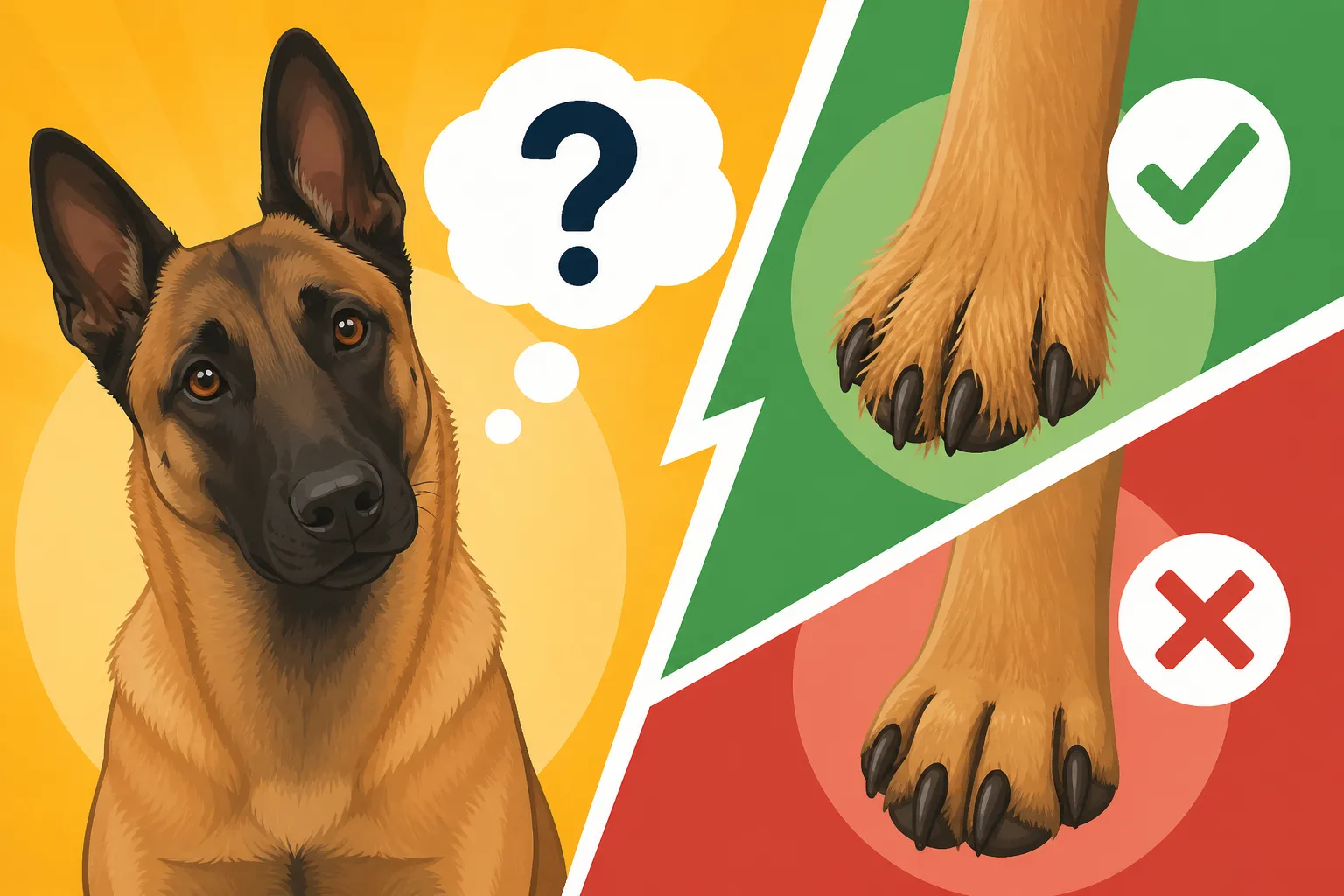
The first step is always to get hands-on with your Malinois's paws. Pick up each paw and spread the toes apart, carefully inspecting the hair growth between the pads. You're looking for several indicators that might suggest trimming is needed. Is the hair visibly protruding past the paw pads? Does it form dense mats or clumps? Can you easily see all four main paw pads and the smaller toe pads, or are they obscured by a carpet of hair? Run your fingers through the hair, checking for any hidden debris, burrs, or matting. Pay close attention to the hair around the nails as well, ensuring it's not so long that it impedes comfortable nail growth or traps dirt.
Another crucial check is the "floor test." Have your Malinois stand on a flat, hard surface like tile or wood. Look at their paws from the side and from above. Can you see their actual paw pads making firm contact with the floor, or is there a halo of hair preventing full contact? If the hair is pushing out from between the pads and touching the floor before the pads do, it's a strong sign that it's too long. This tactile and visual inspection should be a regular part of your grooming routine, perhaps weekly or bi-weekly, especially if your dog is very active outdoors. Don't just glance; really get in there and feel what's going on with their feet. It's often the subtle changes you notice first.
Activity Levels and Environmental Factors
Your Malinois's lifestyle plays a huge role in how often, or even if, their foot hair needs trimming. A Malinois that spends most of its time on clean indoor surfaces might need less frequent trimming than one regularly engaged in rigorous outdoor activities. For working dogs, foot health is paramount. A police K9 or sport dog that's constantly running on varied terrain, including grass, dirt, gravel, and concrete, will benefit greatly from well-maintained paw hair. These dogs are more prone to picking up debris, and excessive hair can quickly become a hindrance, creating hotspots or ingrown material.
Consider the climate where you live. In snowy or icy conditions, long foot hair can accumulate ice balls between the pads, causing extreme discomfort and even frostbite. In muddy or wet environments, the hair can stay damp, leading to skin irritation or fungal infections. Conversely, in very dry or sandy environments, long hair can trap abrasive particles, irritating the skin. If your Malinois regularly trains in fields or brush, trimming the foot hair can significantly reduce the amount of plant material they drag into the house and help prevent painful Grass Seeds in a Belgian Malinois's Coat from burrowing into their feet. It's about proactive care to prevent problems before they impact their ability to perform or simply enjoy their daily life.
Safe and Effective Trimming Techniques for Malinois Feet
Once you've determined that your Malinois's foot hair needs attention, the next step is to tackle the trimming itself. This isn't a task to rush; patience and the right tools are crucial for a safe and positive experience for both you and your dog. Remember, their paws are sensitive, and a bad experience can make future grooming challenging.
Choosing the Right Tools
When it comes to trimming paw hair, the tools you choose make all the difference. You'll want quiet, sharp, and appropriately sized instruments.
- Small, blunt-nosed scissors: These are often favored for beginners because they offer a good degree of control. Look for grooming scissors with rounded tips to minimize the risk of accidentally poking your dog's sensitive paw pads. Quality scissors stay sharp longer and make cleaner cuts, reducing pulling. Many reputable brands offer these, and you can find a good selection on platforms like Amazon or Chewy.
- Electric Paw Trimmers/Clippers: For dogs that are tolerant of the sound and vibration, small, quiet electric trimmers are excellent. They are often specifically designed for delicate areas like paws and faces, offering precision and reducing the risk of nicks that scissors might cause. Battery-operated options are convenient and often quieter. These are particularly useful if your Malinois has very dense or coarse hair between their pads. Always ensure the blades are clean and sharp to prevent tugging.
- Nail clippers/Grinder: While not for hair, these are essential for a complete paw grooming session. Overgrown nails can cause just as much, if not more, discomfort and gait issues than long hair. Getting a Malinois to Hold Still for Nail Trims is a skill worth developing, and incorporating nail care into your foot hair routine makes it more efficient.
Avoid using large human clippers or scissors, as they are often too bulky and can be dangerous for such a small, intricate area. Always have styptic powder or cornstarch on hand in case of a minor nick, though with careful technique, you should rarely need it.
Step-by-Step Trimming Process
Before you begin, ensure your Malinois is calm and comfortable. A short play session or a good walk can help burn off some of their energy, making them more amenable to holding still. Some owners find success with a chew toy or a lick mat smeared with peanut butter to distract their dog during the process.
- Gather Your Supplies: Have your chosen trimming tool, styptic powder, and any treats ready.
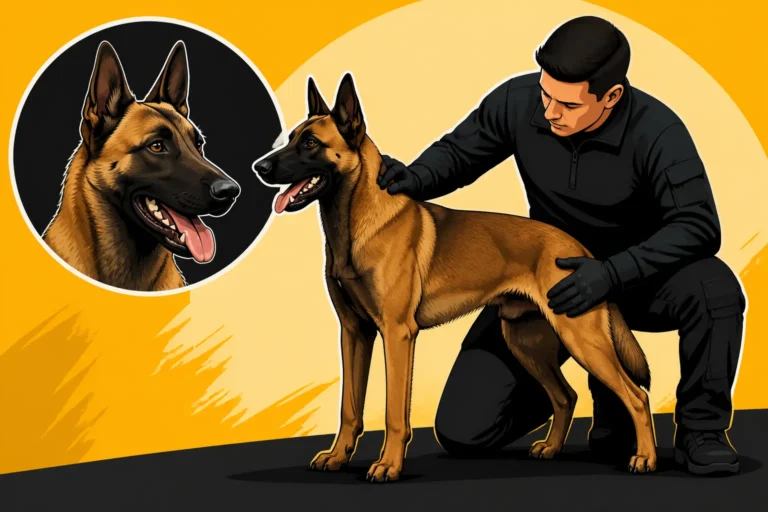
- Position Your Dog: For smaller dogs, you might hold them in your lap. For a Malinois, having them lie on their side or stand comfortably on a non-slip surface works well. You might need an assistant to help hold them still and offer treats, especially if they are new to this.
- Inspect Each Paw: Start with one paw. Gently take it in your hand and spread the toes apart. This allows you to clearly see the hair you need to trim.
- Trim with Caution:
- With Scissors: Hold the scissors parallel to the paw pad, never pointing them directly into the pad. Carefully snip away the hair that extends beyond the pads. Always keep the blunt tips facing outwards. Trim small sections at a time. Work slowly, lifting the hair away from the skin before cutting. Imagine you're trimming a tiny, fluffy carpet on their foot.
- With Electric Trimmers: Gently press the trimmer blade flat against the paw pad, moving it slowly from the base of the toes towards the end of the pads. The flat blade makes it less likely to cut skin, but still proceed with care. Lift the foot and trim from the top of the paw down to the pads, being mindful of the dewclaws and toes.
- Clean Up: Once the hair is trimmed, wipe the paw clean of any loose hairs. Give your Malinois praise and a reward for their cooperation.
- Repeat: Move on to the next paw, taking breaks if your dog becomes restless. Consistency and positive reinforcement are key to building a good association with grooming.
Remember, the goal isn't to remove all the hair down to the skin, but to trim it flush with the paw pads, allowing the pads to make full contact with the ground and preventing debris accumulation. If you're unsure or uncomfortable, a professional groomer or your veterinarian can provide guidance or demonstrate the technique.
| Trimming Tool | Pros | Cons | Best For |
|---|---|---|---|
| Small, Blunt-Nosed Scissors | Precise control, quiet, no vibration | Can accidentally snip skin if not careful | Beginners, sensitive dogs, light trimming |
| Electric Paw Trimmers | Fast, safer against nicks, even cut | Can be noisy/vibrating, requires charging | Experienced users, dense hair, quick touch-ups |
| Nail Clippers/Grinder | Essential for overall paw health | Not for hair, risk of cutting the quick | Complementary to hair trimming, nail care |
Beyond the Clippers: Holistic Foot Care for Your Working Dog
Trimming foot hair is just one piece of the puzzle when it comes to maintaining your Malinois's overall paw health. A comprehensive approach ensures their feet remain tough, resilient, and ready for whatever work or adventure comes their way. It’s about supporting the entire structure of their foot, not just the hair.
Regular Paw Inspections and Cleaning
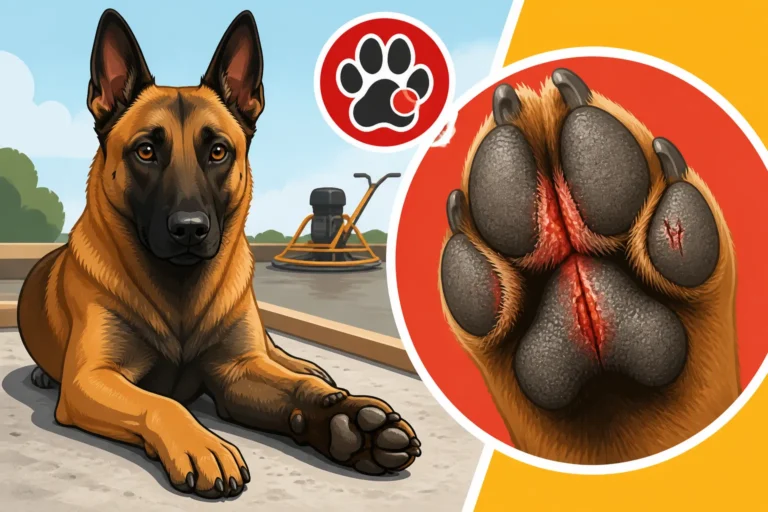
Even with trimmed foot hair, regular paw inspections are absolutely vital for a Belgian Malinois. Think of it as a daily check-up for their most important tools. After every walk, training session, or outdoor excursion, take a few moments to thoroughly examine each paw. Look for cuts, scrapes, punctures from sharp objects, redness between the toes, swelling, or any signs of irritation. Pay particular attention to the paw pads themselves – are they cracked, dry, or excessively worn? This is also the time to check between the toes for any lodged debris you might have missed during trimming.
For active dogs, a quick rinse with water can remove dirt, mud, and environmental irritants. In situations where your Malinois might have been exposed to chemicals or allergens, a more thorough paw bath with a mild, dog-specific shampoo can be beneficial. Drying their paws completely after cleaning is crucial to prevent moisture-related skin issues. Many sport dog handlers keep a small towel readily available for this purpose. This routine not only helps prevent problems but also allows you to catch minor issues before they escalate into something more serious. Timely intervention can prevent a small cut from becoming a full-blown infection that sidelines your dog.
The Role of Nutrition and Supplements in Paw Health
While often overlooked, a high-quality diet plays a significant role in the health and resilience of your Malinois's paws, just as it does for their entire body. A diet rich in essential fatty acids, particularly Omega-3s, can contribute to healthy skin and coat, including the skin on their paw pads. Healthy skin is less prone to cracking, dryness, and irritation, which can be exacerbated by long, matted hair. Brands like Ollie focus on fresh, whole ingredients that are often more bioavailable, supporting overall skin and coat health from the inside out. While Ollie doesn't directly trim paw hair, the nutritional foundation it provides helps create a robust canvas for external grooming efforts.
Beyond diet, certain supplements can further support paw health, especially for working or aging Malinois. Glucosamine and chondroitin, often found in Joint Supplements for a Working Belgian Malinois, are beneficial for joint health, but they also support the connective tissues throughout the paw. Biotin and zinc supplements can improve skin and nail quality, making paw pads tougher and nails stronger and less prone to cracking or tearing. If your Malinois's pads are frequently dry and cracked, a high-quality paw balm, available through retailers like Chewy or Amazon, can provide much-needed moisture and protection, forming a barrier against harsh elements. Just ensure any balm you use is dog-safe, as they will inevitably lick it. These internal and external support systems work hand-in-hand with good grooming to keep your Malinois literally on its feet.
Protective Measures and Environmental Management
Sometimes, trimming and cleaning aren't enough, and additional protective measures are needed, especially for a high-drive Malinois facing specific environmental challenges. Dog boots or paw coverings can be invaluable in certain situations. For instance, if your Malinois works or walks on extremely hot pavement, sharp gravel, or in deep snow and ice, boots can provide a crucial barrier against injury and irritation. They can also protect healing paw injuries, allowing the foot to recover without constant re-injury from the environment. Similarly, if you live in an area with a lot of thorny brush or abrasive terrain, boots can prevent cuts and punctures.
Consider the surfaces your Malinois regularly encounters. If they spend a lot of time on concrete, their pads will naturally toughen, but they're also more prone to wear and tear. On softer surfaces, their nails might not wear down as quickly, necessitating more frequent trimming of both nails and foot hair. Managing their environment can also mean ensuring their primary living and training spaces are free of sharp objects, excessive debris, or anything that could get tangled in their paw hair. This might involve sweeping concrete runs, regularly checking yards for hazards, or choosing appropriate training locations. Thinking preventatively about their environment saves a lot of trouble down the line and contributes significantly to their long-term paw health and comfort. Pad Toughening for a Belgian Malinois is an ongoing process that involves a combination of exposure, care, and sometimes, protection.
Disclaimer
This article is for general informational purposes only and does not constitute professional advice. Laws, prices and regulations vary by location and change over time. Consult a qualified professional for guidance on your specific situation.