Grass Seeds in a Belgian Malinois’s Coat
It's incredibly frustrating, isn't it? You spend time outdoors with your high-drive Belgian Malinois, watching them revel in their element, only to come home and discover those tiny, insidious grass seeds buried deep in their coat or, worse, already starting to burrow into their skin. These aren't just annoying burs; they're barbed invaders that can cause serious pain and costly veterinary issues. This guide will walk you through understanding why these seemingly harmless seeds are such a threat to your active Malinois and how you can prevent, detect, and safely remove them to keep your furry partner healthy and comfortable.
Why Grass Seeds Are Such a Menace for Your Malinois
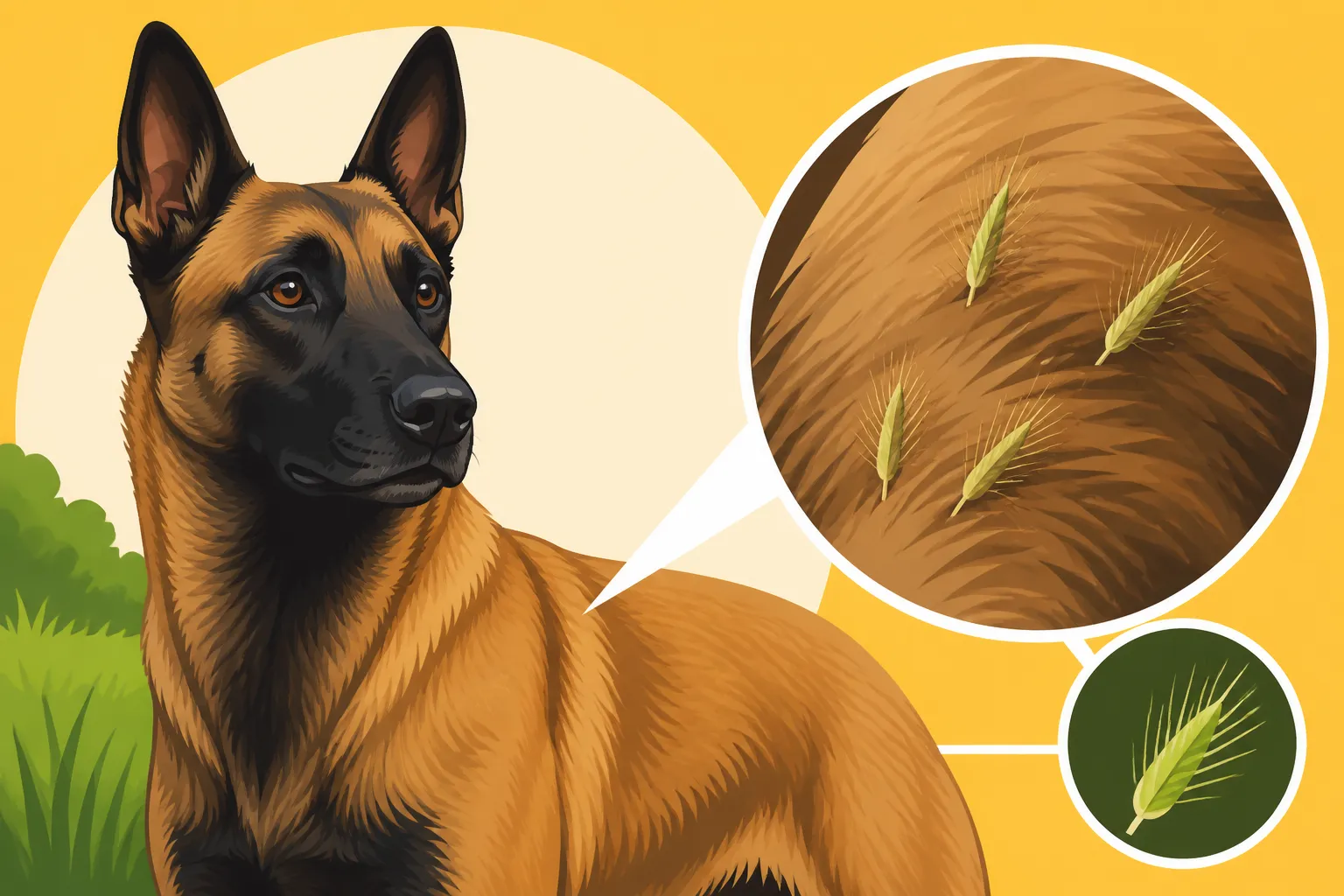
The natural world is full of wonders for our Belgian Malinois, but it also presents its fair share of hazards, and grass seeds are a prime example. These aren't just any seeds; many common types, often called "foxtails" or "grass awns," are specifically designed by nature to hitch a ride and burrow. Their unique, arrow-like shape and tiny barbs allow them to easily cling to fur and then, with every movement your dog makes, migrate deeper into the coat, skin, or even orifices.
The Malinois's Active Lifestyle and Coat Type
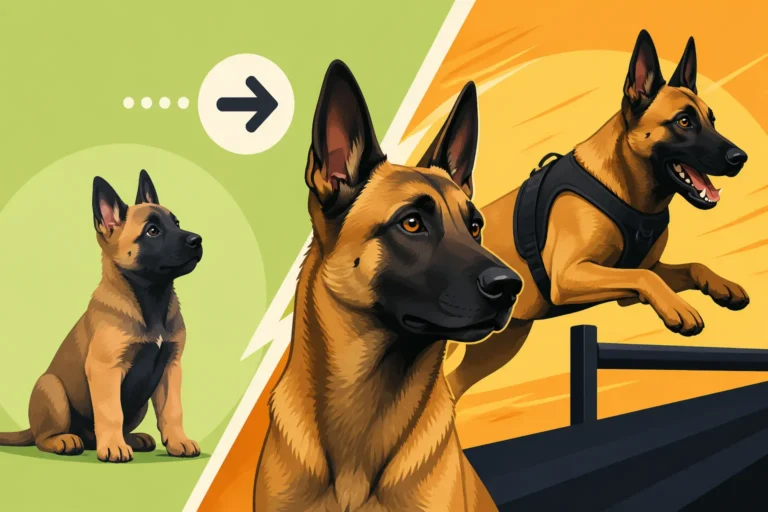
Your Belgian Malinois is a whirlwind of energy, constantly running, jumping, and exploring. Whether they're tracking through a field during training, patrolling a yard, or just enjoying an energetic walk in a grassy park, their active nature puts them at high risk for collecting these seeds. They dive into tall grass, brush past weeds, and roll around with gusto, inadvertently becoming a magnet for these barbed hitchhikers.
Beyond their activity level, the Malinois's coat, while often described as "short," actually has a dense double layer. This double coat, especially in areas like the armpits, groin, between the toes, and behind the ears, can act like a net, trapping seeds. The outer coat is harsh and resilient, but the softer, denser undercoat can hold onto these seeds, making them difficult to spot and even harder to remove without careful inspection. It's not like dealing with a long-haired dog where you can clearly see a bur on the surface; these seeds can disappear quickly beneath the top layer.
The Sneaky Dangers of Migrating Seeds
The real danger with grass seeds isn't just that they cling to the coat; it's their ability to migrate. Those tiny barbs act like microscopic fishhooks, always moving forward, never backward. Once embedded in the skin, they can travel surprisingly far. We've seen cases where a seed entered a paw and ended up near the elbow, or went in an ear and caused an abscess in the neck.
Imagine your Malinois constantly moving: walking, shaking their head, scratching. Each motion helps the seed burrow further. This migration can lead to abscesses, serious infections, and even damage to internal organs if a seed enters the body through the nose, ears, or eyes. They can penetrate ear drums, travel down nasal passages, get stuck in tear ducts, or even enter the lungs if inhaled. This is why a simple grass seed can escalate from a minor nuisance to an emergency veterinary visit, requiring surgical removal or extensive treatment. It's a terrifying thought for any Malinois owner, knowing how quickly these situations can turn serious.
Spotting the Sneaky Seeds: Early Detection is Key
Finding grass seeds quickly is absolutely vital to preventing them from burrowing and causing more severe problems. It requires a diligent and thorough approach, especially after any outdoor adventures. You can’t just give your Malinois a quick pat and call it a day; these seeds demand a detailed inspection.
Routine Checks: Where to Look and What to Feel For
Every time your Malinois comes in from a grassy or brushy area, make a full-body inspection part of your routine. This isn't just about what you see; it's very much about what you feel. Run your hands over their entire body, paying close attention to specific "hot zones" where seeds love to hide.
High-Risk Areas for Grass Seed Accumulation:
| Body Area | Why Seeds Get Trapped Here | What to Look/Feel For |
|---|---|---|
| Paws & Toes | Constantly in contact with grass; seeds get lodged between pads. | Redness, swelling, lameness, licking, tiny black/brown specks. |
| Ears | Open canal provides easy entry, especially with floppy ears (though Malinois usually have erect ears, seeds can still fall in). | Head shaking, pawing at ears, tilting head, discharge, pain. |
| Armpits & Groin | Skin folds and friction-prone areas trap seeds. | Lumps, bumps, redness, sensitivity to touch, excessive licking. |
| Eyes & Eyelids | Exposure during running, rolling; thin skin around eyes. | Redness, discharge, squinting, excessive tearing, pawing at face. |
| Nose | Inhalation risk when sniffing the ground. | Sudden, violent sneezing, nasal discharge (sometimes bloody), pawing at nose. |
| Coat (general) | Dense undercoat and friction points on the body. | Tiny, sharp, stick-like objects, sometimes with a feathery end. Feel for small bumps or matting. |
Don't forget the inside of the ear flaps, around the edges of their mouth, and under their tail. These areas are often overlooked but are just as susceptible. If your Malinois has recently been Wiping a Belgian Malinois Down After Field Work, that's a perfect time to do a thorough inspection.
Behavioral Cues: When Your Malinois Tells You Something Is Wrong
Your Malinois is incredibly stoic, often pushing through discomfort, but even they will give subtle (and sometimes not-so-subtle) clues when a grass seed is causing trouble. Learning to recognize these behavioral changes can be the earliest alert system.
- Excessive Licking or Chewing: If they're suddenly fixating on a paw, flank, or groin area, licking or chewing persistently, it's a huge red flag. A seed might already be irritating or puncturing the skin.
- Head Shaking or Ear Pawing: This is a classic sign of something in the ear canal. Don't assume it's just an ear infection; a seed could be the culprit.
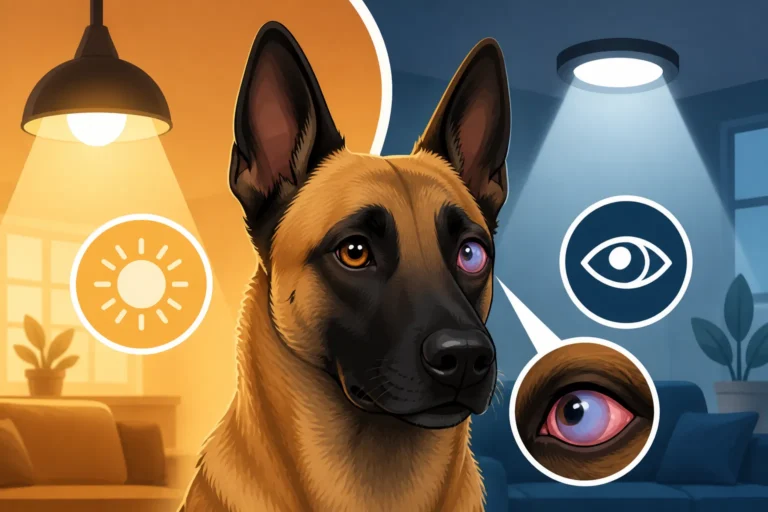
- Squinting, Tearing, or Pawing at Face: These behaviors suggest irritation or pain in the eye. A seed could be trapped under an eyelid or have caused a corneal scratch.
- Sudden Sneezing Fits or Nasal Discharge: If your Malinois starts sneezing violently and repeatedly after being outside, especially with clear or bloody discharge, a seed might have entered a nostril.
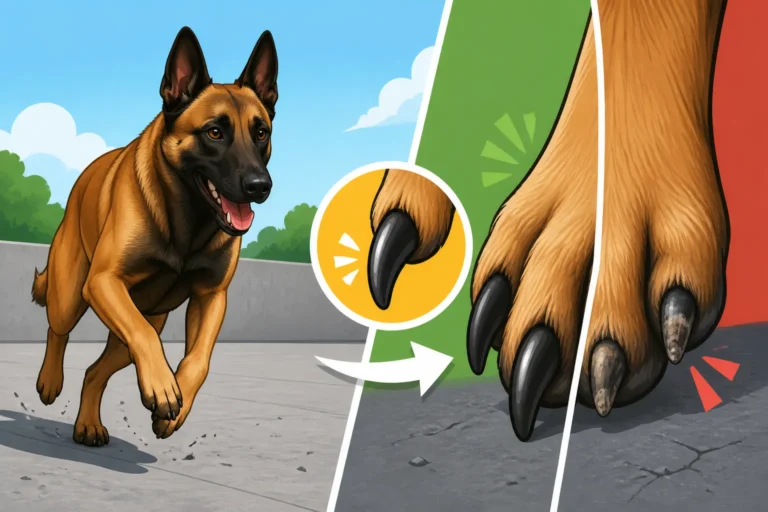
- Lameness or Reluctance to Walk: A seed burrowing into a paw pad or between the toes can cause significant pain, leading to a limp or refusal to put weight on a particular foot. Keep an eye out for The Shifting Limp in a Six Month Malinois and ensure grass seeds aren't a contributing factor.
- Unexplained Lumps or Swelling: Sometimes, a seed can cause a localized inflammatory reaction or abscess under the skin. Feeling a small, firm lump that seems sensitive to touch warrants immediate investigation.
Never ignore these signs. A quick trip to the vet can prevent a minor irritation from becoming a complex, painful, and expensive ordeal.
Safe and Effective Grass Seed Removal Techniques
Once you've spotted a grass seed, the goal is safe and complete removal. Your approach will depend on how deeply the seed is embedded and your comfort level. For anything beyond surface-level, a vet visit is always the safest bet.
Surface-Level Removal: DIY with Caution
If the grass seed is still clearly visible on the surface of the coat, not yet embedded in the skin, you might be able to remove it yourself.
- Gather Your Tools: You'll need good lighting, a fine-toothed comb (a flea comb works wonderfully), a pair of tweezers with a fine point, and perhaps a magnifying glass. Having some antiseptic wipes or spray on hand for aftercare is also a good idea. Brands like Chewy or Amazon offer a wide variety of grooming tools that can be incredibly useful for this task.
- Secure Your Malinois: Get your Malinois in a comfortable, relaxed position. You might need a second person to help hold them steady, especially if they're squirmy or if the area is sensitive. Talk to them calmly and offer treats.
- Part the Hair: Gently part the hair around the seed to get a clear view. Use the fine-toothed comb to try and brush the seed out from the coat, following the direction of the barbs if possible to avoid pushing it further in.
- Tweezers for Stubborn Seeds: If combing doesn't work, carefully grasp the seed with tweezers as close to the skin as possible. Pull it out slowly and steadily, following the direction it entered. Crucially, ensure you get the entire seed. Even a tiny piece left behind can continue to migrate and cause infection.
- Clean the Area: Once the seed is removed, clean the area with an antiseptic wipe or dilute antiseptic solution to prevent infection. Keep an eye on the spot for the next few days for any signs of redness, swelling, or discharge.
When to Call the Vet: Don't Hesitate
There are clear instances where a DIY approach is risky and a trip to the veterinarian is non-negotiable.
- Embedded Seeds: If the seed has already penetrated the skin, even slightly, or you can't get a good grasp of the whole seed, do not attempt to dig it out. You risk pushing it deeper, breaking it, or causing more trauma and infection.
- Seeds in Orifices: Any seed that has entered an ear canal, nostril, or is causing eye irritation needs professional attention immediately. These areas are delicate and highly susceptible to damage. An ear seed, for example, can quickly perforate the eardrum.
- Signs of Infection or Abscess: If you notice a painful lump, pus, excessive redness, heat, or persistent lameness, the seed has likely already caused an infection or abscess. Your vet will need to open and drain the area, potentially prescribing antibiotics and pain relief.
- Recurrent Symptoms: If your Malinois continues to shake their head, lick a paw, or show other symptoms even after you think you've removed a seed, it's possible a piece was left behind or there's another seed you missed. Get them checked out.
Your vet has specialized tools, like otoscopes for ears or endoscopes for nasal passages, and the expertise to safely locate and extract these tricky invaders under sedation if necessary. They can also properly treat any resulting infections. Sometimes, The Vet Bills a Bite Sport Belgian Malinois Runs Up can include procedures for seed removal.
Preventing Future Invasions: Keeping Your Malinois Seed-Free
An ounce of prevention is worth a pound of cure, especially when it comes to grass seeds. While you can't eliminate all risks for an active Malinois, you can significantly reduce their exposure and impact.
Strategic Grooming and Protective Gear
Regular grooming is your first line of defense. After every outing in grassy areas, thoroughly brush your Malinois. A rubber curry comb or a deshedding tool can help dislodge surface seeds, followed by a fine-toothed comb to catch anything deeper. Pay special attention to the belly, armpits, and leg feathering, as these are prime seed collection zones. Getting a Brush Through a Malinois's Undercoat after every run can save you a lot of trouble.
Consider protective gear for specific situations:
- Paw Protection: For Malinois working or playing in areas with known grass seed issues, protective dog boots can be a lifesaver. While it might take some conditioning for your Malinois to accept them, they create a physical barrier against seeds entering between the toes or paw pads. Look for durable, well-fitting options on platforms like Amazon or Chewy.
- Ear Covers: If you're in an area with very prevalent seed heads, ear covers or snoods can prevent seeds from entering the ear canal, especially when your Malinois is crashing through brush. Again, this requires positive reinforcement and gradual introduction.
Smart Exercise Locations and Environmental Management
Being mindful of where you exercise your Malinois can drastically reduce exposure to grass seeds.
- Avoid Tall, Dry Grass: When grass goes to seed and dries out, it becomes a major hazard. Opt for mown lawns, paved paths, or areas where the vegetation is short and less likely to shed seeds. If you can't avoid grassy areas, try to stick to paths rather than letting your Malinois plow through tall growth.
- Regular Property Maintenance: If you have a yard, keep the grass mown short, especially around fences and commonly used play areas. Regularly weed out any plants that produce barbed seed heads. This reduces the source of the problem right at home.
- Timing of Outings: In some climates, grass seeds are worse during specific seasons, often late spring through fall when grasses dry out. Be extra vigilant during these times, or adjust your outdoor routine to avoid peak seed dispersion.
- Check Local Conditions: Keep an eye on local park conditions or ask other dog owners in your area about grass seed prevalence. Sometimes, a known problem area can be avoided entirely for a few weeks until the danger subsides.
By combining diligent post-outing checks with smart grooming and environmental management, you can greatly reduce the risk of grass seeds causing discomfort and serious health problems for your incredible Belgian Malinois. It’s a bit of extra work, but your Malinois's health and comfort are absolutely worth it.
Disclaimer
This article is for general informational purposes only and does not constitute professional advice. Laws, prices and regulations vary by location and change over time. Consult a qualified professional for guidance on your specific situation.