Whether a Belgian Malinois Needs Its Dewclaws Trimmed
It's a common dilemma for Belgian Malinois owners, especially those with incredibly active dogs: you meticulously trim those front and back nails that hit the ground, but what about those little ones higher up on the leg? Many of us wonder if those seemingly out-of-the-way dewclaws really need attention, often overlooking them until they become a painful problem. This comprehensive guide will explain exactly why dewclaw trimming is not just optional but crucial for your Malinois's health and comfort, and how to make it a stress-free part of their routine.
Understanding the Belgian Malinois Dewclaw
Dewclaws are often misunderstood appendages, sometimes seen as vestigial or unnecessary. However, for a breed as athletic and driven as the Belgian Malinois, understanding their structure and potential impact is vital for preventing injury and maintaining overall foot health.
What Exactly is a Dewclaw?
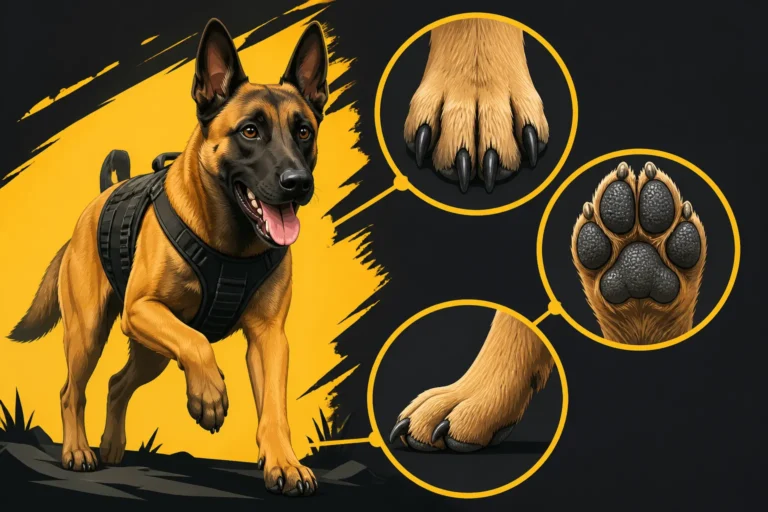
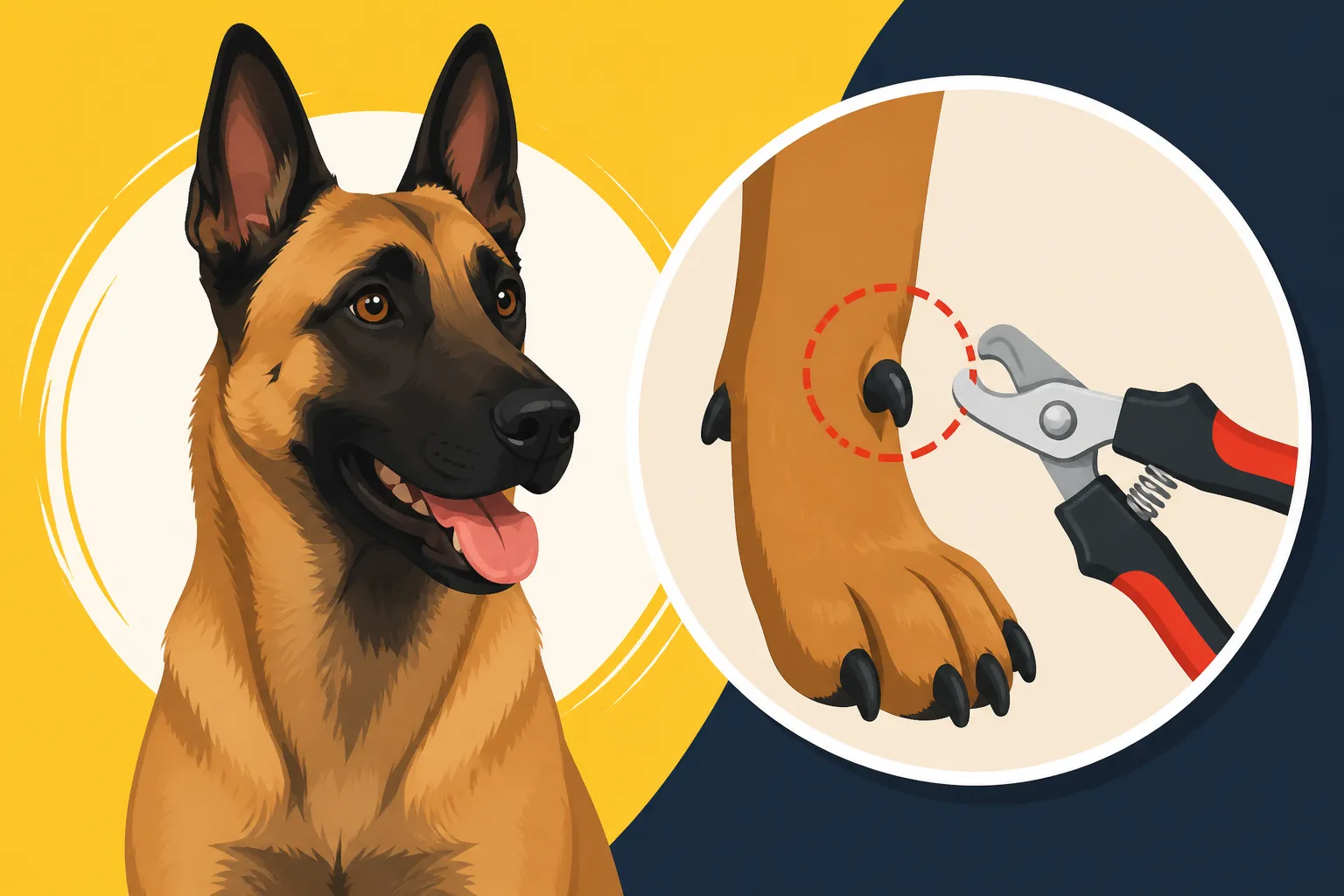
To put it simply, a dewclaw is essentially a dog's "thumb" or "big toe," located on the inside of the leg, higher up than the other four toes. Unlike the main nails, which typically make contact with the ground and get some natural wear during walks and runs, the dewclaw usually sits higher and doesn't bear weight or make regular contact with hard surfaces.
There are two main types of dewclaws: front dewclaws and rear dewclaws. Almost all dogs, including Belgian Malinois, have front dewclaws. These are generally attached by bone and muscle, making them quite sturdy. They can sometimes be used by the dog for extra grip when climbing, holding toys, or navigating uneven terrain. Think of your Malinois using their dewclaws almost like little grappling hooks when they are scrambling up a steep bank during a search and rescue exercise, or when they are trying to hold onto a favorite chew item.
Rear dewclaws are a different story. While some breeds are expected to have them (like Great Pyrenees, who often have double dewclaws), they are less common in Belgian Malinois. When a Malinois does have rear dewclaws, they are often only attached by skin and tissue, not bone, making them much more flexible and prone to snagging. These are the ones that really worry many owners, and for good reason. They can flop around more, catch on things, and often offer no functional benefit for the dog. Breeders will often remove these non-attached rear dewclaws in puppies, but front dewclaws are almost always left intact due to their bony attachment and potential, albeit minor, utility.
The Role (or Lack Thereof) of Dewclaws in an Active Malinois
You might hear arguments that dewclaws serve a purpose, especially for working breeds. For a Belgian Malinois, whose life is often defined by intense physical activity, quick turns, and high-impact movements, it's worth considering this. While front dewclaws can provide a tiny bit of extra traction when a Malinois is really digging in, making a tight pivot, or scrambling up an incline, their overall contribution is usually minimal compared to the main paw pads and nails. Some believe they help stabilize the wrist joint during high-speed turns, preventing torsion, but this benefit is often debated among canine sports veterinarians.
The reality is, the potential for injury often outweighs any minor functional advantage, especially if the dewclaws are not meticulously maintained. Imagine your Malinois making an explosive bite on a sleeve, driving into the decoy with full force. Their body is twisting, their legs are churning, and suddenly, a dewclaw catches on the sleeve or the ground. Or picture them tearing through dense brush during a tracking exercise; that dewclaw can easily snag on a branch, leading to a nasty tear. The sheer speed and intensity of a Malinois's movements mean that an overgrown or neglected dewclaw is a serious accident waiting to happen. It's not like a casual stroll where the nails might naturally wear a bit. A Malinois is performing at an elite athletic level, and every part of their body needs to be in prime condition.
Why Dewclaw Trimming is Essential for Belgian Malinois
When you own a Belgian Malinois, you're not just caring for a pet; you're often caring for a canine athlete. Their physical well-being directly impacts their ability to perform their job, whether that's sport, police work, or just being an incredibly active family companion. Neglecting dewclaws can have serious consequences.
The Dangers of Overgrown Dewclaws in Active Dogs
An overgrown dewclaw is a disaster waiting to happen for any active dog, but especially for a Malinois. Because they don't typically make ground contact, these nails grow continuously, often curling around and into the paw pad or the skin of the leg. This can be excruciatingly painful, causing lameness and potential infection.
Consider these scenarios:
- Snagging and Tearing: A Malinois in full drive, whether chasing a bite sleeve or navigating an agility course, makes rapid, powerful movements. An elongated dewclaw can easily catch on equipment, fabric, thick brush, or even just another limb during a tight turn. This can result in a partial or complete avulsion (tear-off) of the nail, which is incredibly painful, bleeds profusely, and usually requires veterinary attention, including pain medication and antibiotics. In severe cases, it can even damage the underlying tissue or bone. I've seen more than one working dog come off a field with a shredded dewclaw, putting a halt to their training for weeks. These aren't just minor inconveniences; they are serious injuries that can require time off and Physical Therapy Prices for a Belgian Malinois down the line.
- Ingrown Nails: If the dewclaw curls back far enough, it can pierce the skin of the leg or pad, embedding itself. This is akin to an ingrown toenail in humans, but often much worse due to the dog's constant movement and the potential for dirt and bacteria to enter the wound. Infections are common, leading to swelling, pus, and intense pain. Your Malinois might start limping, licking the area excessively, or even snapping if you try to examine it.
- Altered Gait and Joint Strain: An ingrown or painfully overgrown dewclaw can cause a Malinois to alter their gait to avoid discomfort. This compensatory movement can put undue stress on other joints, ligaments, and tendons, leading to secondary issues like Muscle Strains in a Belgian Malinois in the wrist, elbow, or even shoulder over time. A seemingly small issue can domino into larger musculoskeletal problems for a dog built for intense work.
Prevention is Key: Regular Maintenance Schedule
The good news is that preventing these painful scenarios is relatively straightforward with consistent care. For a Belgian Malinois, "regular" maintenance means truly regular – often more frequent than you might expect for a less active breed.
Here's what a good schedule looks like:
- Weekly Checks: Make it a habit to check your Malinois's dewclaws (and all their other nails, and their Nails, Pads and Feet on a Working Belgian Malinois) at least once a week. Feel the length, look for any curling, check for redness or swelling around the base. This quick check can save you a lot of heartache.
- Bi-Weekly Trims (or more): For many Malinois, especially those not working on surfaces that provide any natural wear, trimming every two weeks is ideal. Some dogs with particularly fast-growing nails might even need it weekly. The goal is to keep the dewclaw short enough that it doesn't extend past the level of the paw pad when the foot is relaxed, and certainly not long enough to start curving. You can use traditional guillotine or scissor-style nail clippers, or a dremel tool. Many owners find that a dremel allows for more precise, gradual trimming, reducing the risk of cutting the quick and causing bleeding. Remember, consistency is more important than taking off a lot at once. Small, frequent trims are always better.
Practical Tips for Trimming Your Malinois's Dewclaws
Let's be real, nail trimming isn't usually a Malinois's favorite activity, and it can be a wrestling match if not approached correctly. But with patience, positive reinforcement, and the right technique, you can make it a manageable, even calm, routine.
Getting Your Malinois Comfortable with Nail Care
The key to successful dewclaw trimming (and all nail care) for a high-drive Malinois is desensitization and positive association. Don't just spring the clippers on them one day. Start early, ideally when they're a puppy, and make it a good experience.
- Handle Their Paws Constantly: From day one, gently handle your Malinois's paws and dewclaws. Touch them, squeeze them, rub them. Do this when they are relaxed, like when they are cuddling or sleepy. Pair it with praise and high-value treats.
- Introduce Tools Gradually: Let your Malinois see and sniff the clippers or dremel. Turn the dremel on, let them hear the sound and feel the vibration (away from their paw) while feeding them amazing treats. Slowly work up to touching the tool to their dewclaw for a second, then immediately rewarding. Use an elevated surface or a grooming table if that helps them feel more secure and limits wiggling.
- Break it Down: Don't try to do all the dewclaws at once if your dog is uncomfortable. Maybe you do one dewclaw today, another tomorrow. Or just touch the tool to the nail on four separate occasions, rewarding each time. The goal is to build a positive history, not to get the job done at all costs.
- High-Value Rewards: This is where brands like Ollie come in handy. Their fresh, human-grade food can be an incredibly motivating treat for a Malinois. Or you can find fantastic, high-value training treats on Chewy or Amazon. Something they only get during nail time can be a powerful motivator. A lick mat smeared with peanut butter or plain yogurt can also be a fantastic distraction tool to keep them still and happy during the process. For more tips, check out Getting a Malinois to Hold Still for Nail Trims.
Step-by-Step Dewclaw Trimming Guide
Once your Malinois is more comfortable, you can start the actual trimming.
- Gather Your Tools: You'll need sharp, appropriately sized nail clippers (guillotine or scissor style, depending on your preference) or a pet-specific dremel with a fine-grit sanding band. Crucially, have styptic powder or a styptic pencil (easily found on Amazon) on hand. This stops bleeding quickly if you accidentally cut the quick. Also, have those high-value treats ready!
- Choose Your Position: Some owners prefer to have their Malinois lie down, others prefer them standing, or even on a grooming table if they're used to it. The best position is one where both you and your dog are comfortable and safe, and you have good visibility and control of the paw.
- Identify the Quick: The quick is the pink fleshy part inside the nail that contains blood vessels and nerves. Cutting into it is painful and will cause bleeding. On light-colored nails, it's easier to see. On dark nails, you'll need to trim small slivers at a time until you see a small grey or black dot appear in the center of the cut surface – that's the beginning of the quick. For dewclaws, which are often light, it's generally easier to spot.
- Trim the Dewclaw:
- Clippers: Hold the paw firmly but gently. Isolate the dewclaw. Position the clippers below the quick, aiming for a straight cut or a slight angle that keeps the nail from touching the skin. Make quick, confident snips.
- Dremel: Hold the dremel firmly. Touch the spinning tip to the very end of the dewclaw, grinding it down in small bursts. This allows you to gradually reduce the length and "see" the quick receding. It also creates less concussive force than clippers, which some dogs prefer.
- Reward and Praise: After each successful trim (or even just touching the tool to the nail), offer praise and a treat. End on a positive note. If your dog gets stressed, take a break and try again later.
- If You Cut the Quick: Don't panic! It happens to the best of us. Apply styptic powder directly to the bleeding nail and apply gentle pressure. The bleeding should stop quickly. Reassure your dog and try to end the session positively if possible, or take a break. Don't punish them for a mistake that was yours.
When to Seek Professional Help
There are absolutely times when it's best to call in the professionals. Don't feel like a failure if you need help!
- Extreme Fear or Aggression: If your Malinois is genuinely terrified or becomes aggressive during nail trims, it's safer for everyone to have a professional groomer or veterinarian handle it. They have specialized tools, techniques, and experience with difficult dogs. In some cases, light sedation might even be recommended by your vet to safely get the nails back to a manageable length without causing further trauma or fear. You might want to discuss Sedating a Belgian Malinois That Will Not Settle with your vet.
- Ingrown or Injured Dewclaws: If a dewclaw is already ingrown, infected, or has been torn, do not attempt to fix it yourself. This requires veterinary attention. They can safely remove the ingrown portion, treat the infection, or properly clean and bandage a torn nail. Trying to extract an ingrown nail at home can cause more pain and worsen the infection.
- Lack of Confidence: If you simply don't feel confident and are constantly worried about hurting your dog, that anxiety can transfer to your Malinois. A professional can demonstrate the correct technique and give you tips, or you can rely on them for regular maintenance. It's often worth the cost for peace of mind and your dog's comfort.
Common Misconceptions and Special Considerations
There's a lot of folklore and misinformation out there about dog care. Let's clear up some common myths surrounding dewclaws and discuss unique considerations for our active Malinois.
"They'll Wear Down Naturally" – Why This Doesn't Apply to Dewclaws
This is perhaps the most common misconception. Many owners believe that because their Malinois runs, walks, and plays so much, their nails will naturally wear down, just like a wild canine's. And to some extent, the main nails on the paw pads do get some abrasion from concrete, asphalt, and hard-packed trails. This is why you should always be checking your Malinois's overall Nails, Pads and Feet on a Working Belgian Malinois.
However, this simply doesn't apply to dewclaws. Remember, they are located higher up on the leg and generally don't make contact with the ground.
- No Ground Contact: The position of the dewclaw means it rarely, if ever, touches the surfaces your dog walks on. There's no natural friction to keep it short.
- Continuous Growth: Like all nails, dewclaws continuously grow. Without any natural wear, they will just keep getting longer and longer, curling into a spiral.
- The Active Dog Paradox: Ironically, the more active your Malinois is, the greater the risk an overgrown dewclaw poses. A couch potato might have long, curled dewclaws that are inconvenient but rarely snag anything. A working Malinois, however, is constantly at risk of injury due to their explosive movements and interaction with various environments and equipment. So, if you're thinking, "My Malinois runs for hours, surely their nails are fine," pause and specifically check those dewclaws. They are an exception to the rule.
Dewclaw Removal: Is it Ever Necessary?
Dewclaw removal, or "declawing" in dogs, is a surgical procedure, usually performed on puppies between 3-5 days old, but it can also be done on adult dogs. It's a topic with varying opinions among breeders, veterinarians, and owners.
When is it typically done?
- Puppies: For non-attached rear dewclaws, many breeders choose to have them removed shortly after birth. At this age, the procedure is quick, simple, and the puppies recover rapidly with minimal discomfort. This is often done to prevent future injury, as these floppy dewclaws are particularly prone to snagging.
- Adult Dogs: Removal of dewclaws in an adult Malinois is a more involved surgical procedure, requiring general anesthesia, stitches, and a recovery period. It's typically only recommended in specific circumstances:
- Repeated Injury: If your Malinois consistently tears or injures a dewclaw despite diligent trimming, removal might be considered to prevent chronic pain and repeated veterinary visits.
- Chronic Ingrown Nails/Infection: If a dewclaw repeatedly grows into the skin or becomes chronically infected, and consistent trimming isn't solving the issue, removal may be advised.
- Breed Standard (Less Common for Malinois): Some breed standards require dewclaws (especially rear ones) to be removed, but this is less of a concern for Malinois, where front dewclaws are generally accepted and rear ones are usually absent or, if present, removed as puppies.
Pros of Dewclaw Removal:
- Eliminates the risk of future snagging, tearing, or ingrown nails.
- Reduces the need for regular trimming of those specific nails.
Cons of Dewclaw Removal:
- It's a surgical procedure with associated risks (anesthesia, infection, pain).
- For adult dogs, recovery can involve pain management, restricted activity, and careful wound care for several weeks.
- Some argue that attached front dewclaws provide minor stability to the wrist, and removing them might theoretically increase the risk of wrist injury, though scientific evidence for this is limited and debated.
- The appearance of the leg will be altered, though this is usually a minor concern compared to the dog's well-being.
Ultimately, the decision to remove a Malinois's dewclaws, especially in an adult, should be made in consultation with your veterinarian, weighing the risks and benefits for your individual dog's lifestyle and history of injury. For most Belgian Malinois, consistent, proper trimming is a far less invasive and equally effective solution for preventing problems.
| Dewclaw Type | Location | Attachment | Malinois Prevalence | Trimming Need | Risk of Injury if Untrimmed |
|---|---|---|---|---|---|
| Front | Inside front leg | Bone & muscle | Almost all | High | High |
| Rear | Inside rear leg | Skin/tissue only | Rare, often removed | High | Very High |
Disclaimer
This article is for general informational purposes only and does not constitute professional advice. Laws, prices and regulations vary by location and change over time. Consult a qualified professional for guidance on your specific situation.