Supplements a Working Belgian Malinois Owner Buys
It's no secret that owning a Belgian Malinois, especially one that's actively working or engaged in high-level sport, is a lifestyle. These incredible dogs push their bodies and minds to the absolute limits, and as their dedicated handlers, we constantly worry about keeping them sound, healthy, and performing at their best. The supplement aisle can feel like a minefield of promises and potions, leaving us wondering what our driven companions truly need. This comprehensive guide will cut through the noise, detailing the essential supplements many working Malinois owners consider, why they might be beneficial, and how to approach their use thoughtfully.
Understanding the Unique Needs of a Working Malinois
When we talk about a "working" Belgian Malinois, we're not just referring to a dog that gets a couple of walks a day. We're talking about an athlete, a dedicated partner in protection sports like IGP or Ring, a K9 officer, a search and rescue specialist, or a detection dog. Their lives are characterized by intense physical exertion, sharp mental focus, and often, high-stakes situations that can place immense stress on their systems. This rigorous lifestyle means their nutritional and physiological needs go far beyond those of a typical companion dog.
High-Energy Demands and Metabolic Stress
Imagine the explosive power a Malinois generates during a long bite sequence, the sustained pace of a tracking exercise, or the sudden, precise movements required in agility. This isn't just a casual trot; it's a full-body workout that taxes their muscles, joints, cardiovascular system, and even their mental resilience. Such high-intensity, demanding activities burn through calories at an astonishing rate, requiring a diet that provides readily available energy and supports rapid recovery. But it's not just about calories; it's about the intricate biochemical processes occurring within their bodies.
This constant high-level performance also leads to increased metabolic stress. Their bodies are generating more free radicals, which can cause cellular damage over time. They're repairing micro-tears in muscles, rebuilding glycogen stores, and constantly adapting to physical challenges. This places extra demands on their natural detoxification systems and nutrient reserves. When you have a dog that works every single day, whether it's full-time police work or intense training sessions several times a week, their requirements for specific nutrients to support these processes become critical. We want to give them every advantage to recover efficiently and maintain their incredible drive without burning out their bodies.
The Impact of Performance on Their Physiology
The sheer physical forces a working Malinois experiences are incredible. Landing from a jump over a six-foot wall, impacting a decoy's arm at full speed, or rapidly changing direction during a scent search all put tremendous strain on their skeletal and muscular systems. These aren't just isolated incidents; they're repeated actions, sometimes multiple times within a single training session. The cartilage in their joints, the integrity of their ligaments and tendons, and the strength of their bones are under constant pressure. We constantly monitor for issues like "Torn Cruciates in a Jumping Belgian Malinois," understanding that even a perfectly executed movement carries risk over time.
Beyond the obvious physical strain, the mental aspect of their work also impacts their physiology. The stress of competition, the drive to please, or the focused concentration required for detection work can trigger hormonal responses that, while necessary for performance, can also take a toll. This constant state of heightened arousal, even positive arousal, can affect digestion, immune function, and overall systemic balance. This is why just a high-quality kibble, while crucial, often isn't enough to fully support the unique physiological blueprint of these canine athletes. We're looking for ways to bolster their natural resilience and give their bodies the extra building blocks they need to withstand the demands we place upon them.
Joint Health: A Cornerstone for Active Malinois
If there's one area that consistently concerns working Malinois owners, it's joint health. These dogs are explosive, agile, and powerful, and they use their bodies in ways that put tremendous strain on their joints. Protecting their cartilage and cushioning is paramount for a long, productive working life.
Glucosamine and Chondroitin: The Building Blocks
Glucosamine and chondroitin sulfate are probably the most well-known joint supplements, and for good reason. Think of them as the fundamental building blocks for healthy cartilage. Glucosamine plays a vital role in forming and repairing cartilage, while chondroitin helps maintain the elasticity and water retention of cartilage, acting like a shock absorber in the joints. For a Malinois constantly performing high-impact activities like jumping, running, and biting, maintaining robust cartilage is critical.
A dog with healthy cartilage experiences less friction in the joint, which means less inflammation and pain. As they age, or with years of hard work, the natural production of these compounds can slow down, leading to wear and tear. Supplementing can help replenish these essential components, supporting the body's natural repair mechanisms and helping to keep those joints moving smoothly. It’s a proactive step many owners take, long before any signs of issues, in the hopes of preventing or delaying conditions like arthritis. We want to keep those working dogs comfortable and agile for as long as possible, avoiding the pain that can slow them down prematurely.
Omega-3 Fatty Acids for Inflammation Support
While glucosamine and chondroitin focus on structural support, omega-3 fatty acids, particularly EPA (eicosapentaenoic acid) and DHA (docosahexaenoic acid), are superstars when it comes to managing inflammation. Intense physical activity inevitably leads to some level of inflammation in the joints and muscles as a natural part of the healing and recovery process. However, chronic or excessive inflammation can be detrimental, leading to pain and further tissue damage.
Omega-3s work by influencing the body's inflammatory pathways, helping to reduce the production of pro-inflammatory compounds. This means less joint stiffness, reduced discomfort, and quicker recovery times after strenuous work. Sources like fish oil are highly concentrated in EPA and DHA, making them a popular choice. Many owners find that "Whether Omega Oils Calm a Malinois's Skin" is a secondary benefit, as these fatty acids also contribute to a healthy, lustrous coat and skin, but their primary role for working dogs is often inflammation management and joint comfort. Incorporating them can make a noticeable difference in how quickly your Malinois bounces back from a hard session.
Additional Joint Support Compounds
Beyond the dynamic duo of glucosamine and chondroitin and the anti-inflammatory power of omega-3s, several other compounds are frequently found in comprehensive joint supplements for working dogs. MSM (Methylsulfonylmethane) is a sulfur compound often included for its anti-inflammatory and pain-relieving properties, working synergistically with other joint aids. Green-lipped mussel (GLM) extract, derived from mussels found off the coast of New Zealand, is another popular ingredient. It's rich in omega-3s, glycosaminoglycans (like chondroitin), and other beneficial compounds that support joint health and reduce inflammation.
Hyaluronic acid (HA) is also gaining traction. It's a key component of synovial fluid, the viscous liquid that lubricates the joints and helps absorb shock. Supplementing with HA can improve the viscosity and elasticity of this fluid, enhancing joint cushioning and mobility. For a Malinois performing intricate movements and absorbing impacts, having optimally lubricated joints is invaluable. When considering "Joint Supplements for a Working Belgian Malinois," look for products that combine several of these ingredients for a multi-faceted approach to joint protection.
Gut Health and Digestion for Peak Performance
A healthy gut is often called the "second brain" and for good reason. It plays a pivotal role not just in nutrient absorption, but also in immune function and even mood. For a high-drive working Malinois, whose system is frequently under stress, optimizing gut health is critical for overall performance and well-being.
Probiotics and Prebiotics for a Healthy Microbiome
The canine gut is home to trillions of bacteria, collectively known as the microbiome. A balanced microbiome, with a healthy ratio of beneficial bacteria, is essential for efficient digestion, nutrient synthesis (like certain B vitamins), and a robust immune system. Probiotics are live, beneficial microorganisms that, when administered in adequate amounts, confer a health benefit to the host. Prebiotics, on the other hand, are non-digestible fibers that feed these beneficial bacteria, helping them to thrive.
Working Malinois are often exposed to various stressors: travel, new environments, intense training, and competition. All of these can disrupt the delicate balance of their gut flora, potentially leading to issues like loose stools, gas, or even reduced nutrient absorption. We've all seen a dog get "stress diarrhea" before a big event. Incorporating "Whether a Probiotic Settles a Malinois's Gut" can be a game-changer, helping to maintain gut integrity, support immune response, and ensure your dog is getting the most out of their high-performance diet. This can mean fewer digestive upsets and a more consistent energy level.
Digestive Enzymes for Nutrient Absorption
Even if you're feeding the highest quality performance kibble or raw diet, your Malinois still needs to be able to properly break down and absorb those nutrients. Digestive enzymes are proteins that facilitate the chemical reactions that break down food into smaller, absorbable molecules. There are specific enzymes for carbohydrates (amylase), proteins (protease), and fats (lipase).
For a working Malinois on a demanding schedule and a high-calorie diet, their digestive system is working overtime. Sometimes, due to individual variation, stress, or the processing of commercial foods, a dog might not be producing enough of these enzymes naturally. Supplementing with digestive enzymes can help ensure that the valuable proteins, fats, and carbohydrates in their diet are fully utilized, rather than passing through undigested. This can lead to better nutrient uptake, more consistent energy, and a reduction in digestive issues that stem from incomplete digestion, like gas or bloating. It's about maximizing every morsel of food you put in their bowl.
Managing Stress-Induced GI Upset
The life of a working Malinois is inherently stressful at times, even when it's positive stress like the excitement of a trial. Travel, unfamiliar surroundings, loud noises, and the sheer intensity of their work can all trigger gastrointestinal upset. We know the feeling of watching our dog, usually rock-solid, get "Diarrhea in a Stressed Belgian Malinois" right before they're supposed to perform. This isn't just unpleasant; it can dehydrate them, reduce their energy, and distract them from their task.
Beyond probiotics, some gut support supplements may contain ingredients like L-glutamine, an amino acid critical for the health and repair of the intestinal lining, or specific fibers that help solidify stools. These supplements, used strategically, can help fortify the gut against the effects of stress. By supporting the integrity of the intestinal barrier and ensuring a healthy microbial balance, we can help our Malinois maintain digestive calm even when their adrenaline is pumping, allowing them to focus on the job at hand.
Supporting Skin, Coat, and Overall Well-being
While joint and gut health often take center stage for working dogs, their skin, coat, and overall systemic well-being are equally important. A healthy outer layer is a critical barrier, and a robust immune system is vital for recovery and preventing illness.
Biotin and Zinc for Skin and Coat Integrity
A working Malinois is constantly exposed to various environmental elements – sun, rain, dirt, brush, and sometimes harsh kennel conditions. Their short, dense coat and resilient skin are their first line of defense. Biotin, a B vitamin, is well-known for its role in supporting healthy skin, coat, and nails. It's a key component in maintaining the integrity of skin cells and promoting healthy hair growth.
Zinc is another crucial trace mineral that plays a significant role in skin health, wound healing, and immune function. Deficiencies can manifest as dull coats, skin lesions, or even weakened immune responses. For dogs frequently running through fields, brush, or water during training, a strong skin barrier is essential to ward off minor irritations and infections. Addressing deficiencies or providing optimal levels of these nutrients can help prevent issues like dry, flaky skin, excessive shedding, or "Hot Spots on a Malinois After Water Training," ensuring their protective outer layer is as resilient as the dog within.
Antioxidants and Immune System Boosters
The intense physical demands placed on a working Malinois generate a significant amount of oxidative stress within their bodies. This is a natural byproduct of cellular metabolism and exercise, but an imbalance can lead to cellular damage over time. Antioxidants are compounds that neutralize these harmful free radicals, protecting cells from damage and supporting overall health. Vitamins C and E are powerful antioxidants, as are compounds like selenium and certain plant extracts.
Beyond combating oxidative stress, a strong immune system is non-negotiable for a working dog. They might be exposed to more pathogens through travel, group training, or public interactions. Supplements rich in antioxidants, along with other immune-supportive nutrients, can help bolster their natural defenses, ensuring they stay healthy and resilient. This means fewer missed training days due to minor ailments and a faster bounce-back from any illnesses. A healthy immune system is the silent partner in peak performance, allowing the Malinois to focus all their energy on their work.
The Power of Multivitamins
While targeting specific issues with individual supplements is important, sometimes a comprehensive approach is best. A high-quality multivitamin formulated for active dogs can provide a broad spectrum of vitamins, minerals, and trace elements that might be missing or insufficient in even a good diet. The strenuous life of a working Malinois means their needs for these micronutrients can be elevated.
Consider the complexity of metabolic processes involved in muscle repair, energy production, and nerve function—all requiring various cofactors that come from vitamins and minerals. A multivitamin acts as a nutritional safety net, ensuring there are no hidden deficiencies that could subtly impact performance, recovery, or long-term health. While it shouldn't replace a balanced diet, it can certainly complement it, especially during periods of intense training, travel, or stress. It's a way to ensure your Malinois has all the nutritional tools they need to thrive.
Evaluating Supplement Quality and Necessity
The world of canine supplements is vast and can feel overwhelming. With so many products on the market, understanding how to choose high-quality, effective supplements, and determining which ones are truly necessary for your Malinois, is crucial. It's not about blindly adding things; it's about making informed decisions.
The Importance of Third-Party Testing
Unlike prescription medications, dietary supplements for pets are not as strictly regulated. This means that what's on the label isn't always what's in the bottle, or the potency might vary significantly from batch to batch. This is where third-party testing comes in. Reputable manufacturers will often send their products to independent laboratories to verify the purity, potency, and safety of their ingredients.
Look for seals or statements on product labels indicating that the product has been tested by an independent organization. This provides an extra layer of assurance that you're getting what you pay for and that the product is free from contaminants. Choosing brands that invest in this level of quality control shows their commitment to transparency and efficacy. It's a critical step in separating the genuinely helpful supplements from those that are less reliable, ensuring that every dollar you spend is genuinely contributing to your Malinois's health.
Reading Labels and Understanding Ingredients
Navigating supplement labels can feel like deciphering a foreign language. It's not enough to just see "glucosamine" listed; you need to know the form of glucosamine (e.g., glucosamine hydrochloride or sulfate) and its concentration per serving. Proprietary blends can be particularly tricky, as they often don't disclose the exact amounts of each ingredient, making it hard to assess efficacy or compare products.
Always scrutinize the "active ingredients" section and compare the dosages listed against recommended guidelines for a dog of your Malinois's size and activity level. Also, look at the "other ingredients" to identify any unnecessary fillers, artificial colors, or flavors that might not be beneficial. Reputable retailers like Chewy often provide detailed ingredient lists and customer reviews, which can be invaluable resources for researching products and seeing what other working dog owners are using. Knowledge is power here – understanding what you're putting into your dog's body allows you to make more intelligent choices.
Consulting Your Veterinarian
Perhaps the most critical step in evaluating supplement necessity is consulting your veterinarian. Your vet knows your Malinois's medical history, current health status, and specific needs. They can help you determine if a particular supplement is even necessary, or if there might be an underlying issue that needs to be addressed first. For instance, if your Malinois is showing signs of joint stiffness, your vet can rule out injuries or more serious conditions before recommending a joint supplement.
They can also advise on potential interactions between supplements and any medications your dog might be taking, or help you understand if a specific ingredient might be contraindicated for your dog's health profile. Some insurance providers, such as Healthy Paws, emphasize proactive care, and your vet's guidance on preventative measures, including appropriate supplements, plays a key role in maintaining your dog's long-term health. Think of your vet as your primary guide in the complex world of canine health and nutrition, ensuring that your supplement strategy is safe, appropriate, and truly beneficial.
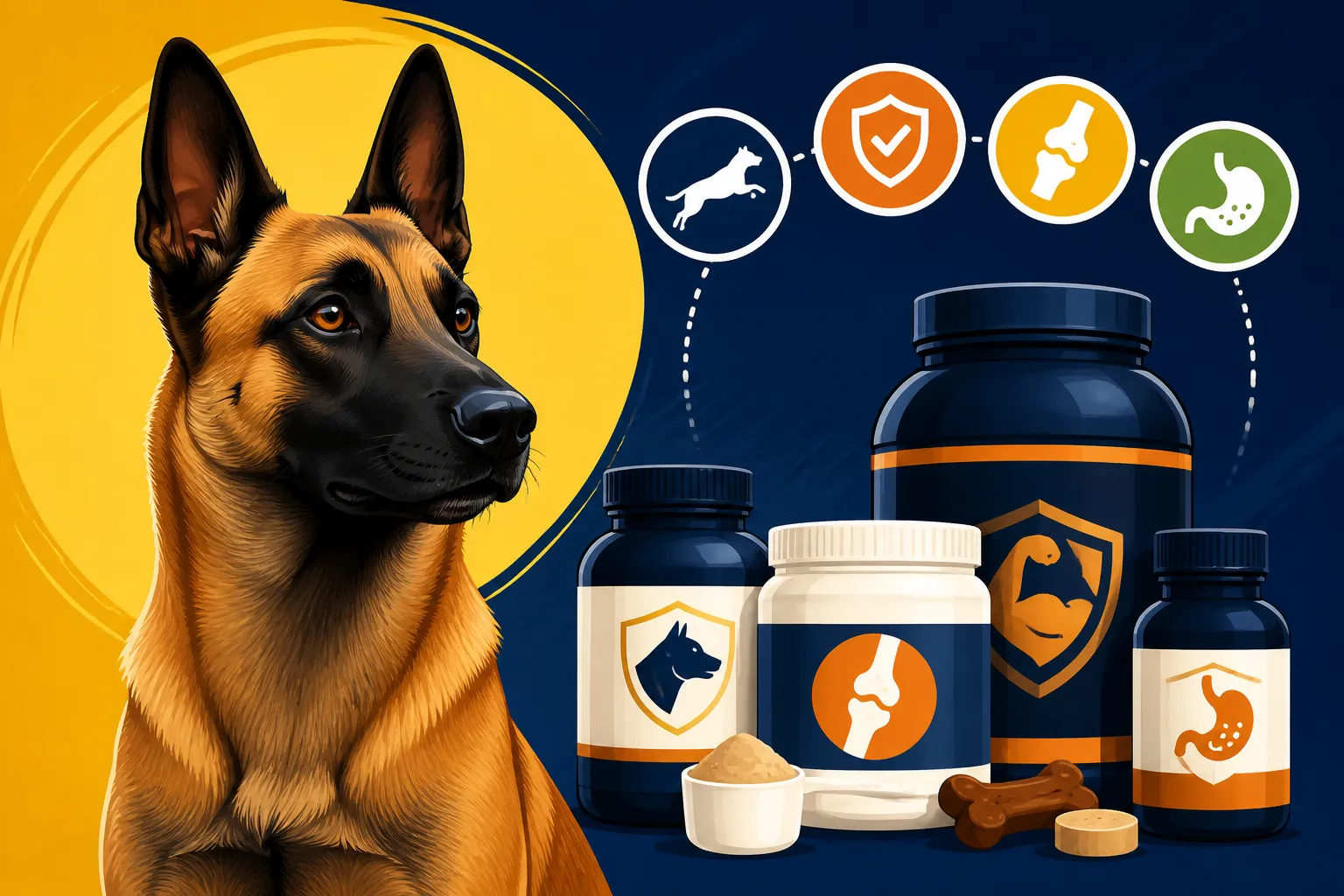
Here's a quick overview of some common supplements for working Malinois:
| Supplement Type | Primary Benefit | Key Ingredients (Examples) |
|---|---|---|
| Joint Support | Cartilage repair, joint lubrication, inflammation reduction | Glucosamine, Chondroitin, MSM, Green-Lipped Mussel, Hyaluronic Acid |
| Omega-3 Fatty Acids | Anti-inflammatory, skin/coat health | EPA, DHA (from fish oil, krill oil) |
| Probiotics/Prebiotics | Gut health, immune support, digestion | Lactobacillus, Bifidobacterium, FOS, Inulin |
| Digestive Enzymes | Enhanced nutrient absorption | Amylase, Protease, Lipase |
| Multivitamins | Broad nutritional insurance, overall well-being | Vitamins A, B complex, C, D, E, Minerals (Zinc, Selenium) |
The Role of a Balanced Diet and Veterinary Guidance
It's easy to get caught up in the allure of supplements, hoping they'll be a magic bullet. However, it’s vital to remember that supplements are just that—supplementary. They are meant to fill nutritional gaps or provide extra support where a standard diet might fall short, not to replace a foundational, high-quality feeding regimen.
Diet as the Foundation
Before you even think about adding supplements, ensure your Belgian Malinois is on an excellent, species-appropriate diet. For a working dog, this typically means a high-quality performance formula, rich in protein and healthy fats, to fuel their immense energy needs and support muscle maintenance and repair. Look for diets with real meat as the first ingredient and avoid excessive fillers. The quality of the ingredients directly impacts the bioavailability of nutrients, meaning how well your dog's body can absorb and utilize them.
If your dog's diet isn't providing the basic building blocks, no amount of supplementation will truly compensate. Consider consulting a canine nutritionist if you're unsure about the best diet for your dog's specific workload, age, and any existing health concerns. Some owners even explore fresh food options, like those offered by Ollie, as they believe these provide a more natural and easily digestible nutrient profile. Ultimately, a solid diet forms the bedrock of your Malinois's health; supplements merely enhance it. Understanding "The Daily Ration a Working Belgian Malinois Eats" is a crucial first step.
Regular Vet Check-ups and Bloodwork
Beyond annual wellness exams, working Malinois benefit significantly from regular veterinary check-ups tailored to their intense lifestyle. These check-ups aren't just for catching problems; they're for proactive health management. Your vet can perform physical examinations, assess joint health, and monitor overall condition. For an active dog, "The Bloodwork a Working Malinois Should Have Annually" can be particularly insightful.
Routine bloodwork can detect subtle imbalances or deficiencies before they escalate into noticeable problems. For example, it might reveal early signs of inflammation, organ stress, or nutrient deficiencies that could impact performance. This information is invaluable when deciding which, if any, supplements might be beneficial. Your vet can also screen for genetic predispositions or conditions that might require specific nutritional support, giving you a clearer picture of your dog's individual needs and helping you make truly informed decisions about their care.
Tailoring Supplements to Individual Needs
Every Belgian Malinois is an individual, with unique genetics, workload, stress levels, and even dietary sensitivities. What works wonders for one working Malinois might be unnecessary or even detrimental for another. A young, healthy dog training in IGP may have different needs than an older K9 still on the job, or a retired Malinois dealing with the onset of "Arthritis in a Belgian Malinois at Nine."
It's crucial to tailor your supplement choices to your specific dog. Consider their age, current activity level, breed-specific predispositions (like certain joint issues), and any existing health conditions. Start slowly with new supplements and observe your dog for any changes, positive or negative. Keep a log of what you're giving, the dosage, and any effects you notice. Working closely with your veterinarian to develop a personalized supplement plan ensures that you're addressing your Malinois's unique requirements, rather than just following trends or generic advice. This individualized approach is the most effective way to support your incredible canine athlete throughout their working career and into their golden years.
Disclaimer
This article is for general informational purposes only and does not constitute professional advice. Laws, prices and regulations vary by location and change over time. Consult a qualified professional for guidance on your specific situation.