Whether a European Malinois Needs a Quarantine Period
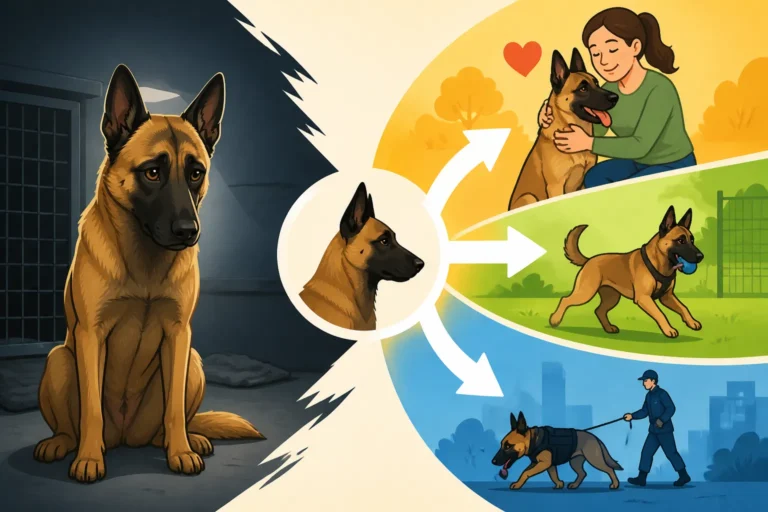
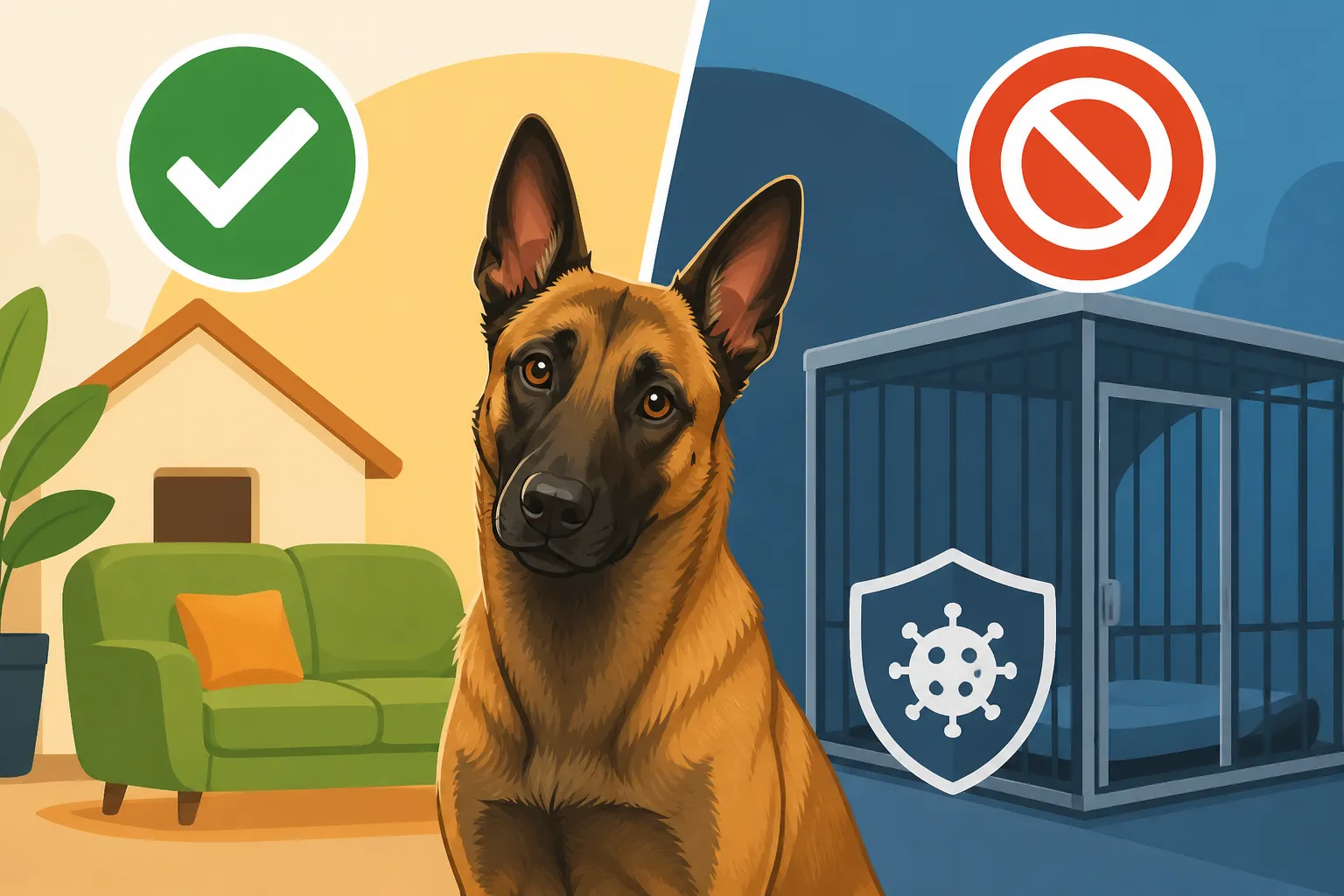
Bringing a Belgian Malinois from Europe, whether it's a puppy from a highly sought-after KNPV line or a started dog ready for advanced training, often comes with a heap of excitement – and a healthy dose of anxiety. One of the biggest concerns I hear from prospective owners is the dreaded "quarantine period." The thought of your high-drive, sensitive Malinois stuck alone for weeks or months in an unfamiliar facility is enough to make anyone reconsider their plans. But here's the good news: for most common destinations, a mandatory quarantine period for a healthy, properly documented European Malinois is actually quite rare. This guide will walk you through the real requirements, helping you understand exactly what you need to do to bring your new canine partner home smoothly and without unnecessary delays.
Understanding International Pet Travel Regulations for Your Malinois
When you're planning to import a European Malinois, you're not just buying a dog; you're navigating a complex set of international rules designed to protect public health and animal populations from disease. It can feel like deciphering a secret code, but once you understand the core principles, it becomes much less intimidating. The key is meticulous planning and attention to detail.
The Role of Rabies Vaccination and Titers
It's the big one, folks, the absolute cornerstone of international pet travel documentation: rabies. You simply cannot even begin to think about importing your European Malinois without rock-solid proof of rabies vaccination. This isn't just about a simple shot; it's about timing, specific types of vaccines, and often, a follow-up test. Most countries require that the primary rabies vaccination be administered to a puppy that is at least 12 weeks old, and then a waiting period of at least 21 days must pass before the animal is eligible to travel. This waiting period ensures that the vaccine has had enough time to stimulate an immune response.
Beyond the initial shot, some countries demand a rabies titer test. This is a blood test that measures the level of rabies antibodies in your Malinois's system, essentially proving that the vaccination was effective. Countries within the European Union, for instance, often require this test, and there's usually a specific waiting period (sometimes up to three months) after the blood sample for the titer test is taken before your dog can enter. This can add significant time to your planning, so it's critical to start this process well in advance of your desired travel date. Always confirm the exact timing and requirements with the official government animal health agency of your destination country. This step is non-negotiable and skipping it is often the primary reason dogs face lengthy delays or even quarantine. Proper documentation of The Vaccines a Working Belgian Malinois Needs is paramount here.
Health Certificates and Veterinary Endorsements
Think of the health certificate as your Malinois's diplomatic passport to a new country. This isn't just a casual note from a local vet; it's a very specific document, often issued by an official government-accredited veterinarian in the dog's country of origin (e.g., Belgium, Netherlands). It attests that your Malinois has been examined, appears healthy, is free of external parasites, and meets all the specific health requirements of the destination country. These certificates usually have a very short validity period, often just 10 days, meaning the examination and issuance must happen within a tight window right before travel.
The complexity doesn't stop there. This health certificate then usually needs to be endorsed by a central government agency, such as the equivalent of the USDA in the country your Malinois is departing from. This endorsement verifies that the veterinarian who issued the certificate is indeed authorized to do so and that the document itself is legitimate. This can sometimes involve sending the certificate by mail or courier to a central office, adding another layer of coordination and time. Missing this endorsement or having an incorrectly filled-out certificate is another common pitfall that can lead to significant headaches and delays at customs. Ensure you understand The Bloodwork a Working Malinois Should Have Annually that might be required for these certificates.
Navigating Entry Requirements by Country
The question of "quarantine" isn't a one-size-fits-all answer; it truly depends on where your Malinois is coming from and, more importantly, where they are going. Different nations have vastly different approaches to animal imports, shaped by their biosecurity concerns and existing disease profiles.
The United States and Canada: Generally No Quarantine
For those of us bringing a Malinois to the U.S. or Canada, the good news is generally, if you've done your homework, you won't face a mandatory quarantine. The primary concern for both nations, as discussed, is rabies. As long as your European Malinois meets the age requirement (typically at least 16 weeks old at the time of entry) and has been properly vaccinated against rabies at least 21 days prior to arrival, and you have all the correct health certificates and any other required documentation, they can usually enter directly.
The U.S. Centers for Disease Control and Prevention (CDC) has specific requirements, which can occasionally change, so checking their official website is always the most up-to-date source. They require a valid rabies vaccination certificate signed by a licensed veterinarian. Similarly, Canada's Food Inspection Agency (CFIA) has its own clear guidelines for importing dogs. Both countries prioritize preventing the introduction of rabies, and if you can demonstrate that your Malinois poses no such risk through proper vaccination and paperwork, physical quarantine is typically avoided. It's still a good idea to consider The Import Paperwork Costs on a European Malinois as part of your budget, even without quarantine fees.
UK and EU Countries: Strict Protocols but No Mandatory Quarantine (Usually)
Now, if your Malinois is headed to the UK or most other EU nations, things get a little more intricate, but still, no traditional 'quarantine' if you dot all your i's and cross all your t's. These countries operate under the EU Pet Travel Scheme (or similar post-Brexit regulations for the UK), which focuses on a stringent set of sequential steps to ensure disease-free entry.
The critical steps for entry into the EU or UK from a non-EU country generally include:
- Microchipping: Your Malinois must be microchipped before any rabies vaccination. This chip must be ISO compliant.
- Rabies Vaccination: As before, at least 12 weeks old, then vaccinated, followed by a 21-day wait.
- Rabies Titer Test: A blood sample taken at least 30 days after the rabies vaccination.
- Waiting Period: A mandatory waiting period, often three months, after the successful titer test result before entry is permitted. This is a big one that many people miss!
- Health Certificate: An official EU or UK health certificate, issued by a government-approved veterinarian within a few days of travel, confirming all the above.
- Tapeworm Treatment (for UK/Ireland): For dogs entering the UK or Ireland, a specific tapeworm treatment must be administered by a vet between 24 hours and 5 days before scheduled arrival. This must be recorded on the health certificate.
If every single one of these steps is followed precisely, your Malinois will typically be cleared for entry without a physical quarantine period. The "quarantine" in this scenario is effectively the waiting period before travel. The strictness is designed to achieve the same biosecurity outcome without holding the animal in a facility.
Other Destinations: When Quarantine Can Be a Factor
While the U.S. and much of Europe have streamlined things, there are definitely places where a quarantine period is still very much a reality. Countries like Australia, New Zealand, Japan, Singapore, and many island nations have incredibly strict biosecurity measures due to their unique ecosystems and disease-free status. For these destinations, a mandatory quarantine period, often in a government-approved facility, is a standard part of the import process, even if your Malinois has perfect paperwork and vaccinations.
The duration of these quarantines can vary significantly, from a few days to several months, depending on the country, the origin of the animal, and the completeness of the pre-export preparations. For example, Australia requires a multi-stage process involving multiple vaccinations, blood tests, and extensive waiting periods, culminating in a mandatory 10-day quarantine stay in a government facility upon arrival. This is to protect their unique agricultural industries and native wildlife from diseases that might be common elsewhere but absent in Australia.
If your destination falls into this category, you must begin planning months, sometimes even a year or more, in advance. You'll need to contact the relevant government animal health authority in that specific country directly to get their most current and detailed import requirements. Overlooking this step can lead to your Malinois being denied entry, returned to its origin, or subjected to an extended, expensive, and stressful quarantine period. Planning to fly your Malinois from Europe, for instance, could involve significant effort, even before considering any potential quarantine at the destination. Flying a Belgian Malinois In From the Netherlands to one of these countries will involve a complex logistical dance.
Preparing Your European Malinois for International Travel
Beyond the piles of paperwork and vet visits, the journey itself can be incredibly taxing on a high-drive dog like a Malinois. Thoughtful preparation can make a world of difference for their comfort and your peace of mind.
Essential Preparations Before the Journey
Preparing your Malinois for international travel isn't just about making sure they're healthy; it's about conditioning them for the experience. The airplane ride, the strange noises, being in a crate for an extended period – these can all be incredibly stressful. Start early with extensive crate training. Your Malinois needs to view their travel crate not as a punishment but as a safe, comfortable den. This means gradually increasing the time they spend in it, making it a positive place with treats and toys. The crate itself must meet International Air Transport Association (IATA) regulations, which specify size, ventilation, construction, and labeling. Airlines are very strict about these standards, and a non-compliant crate means your dog doesn't fly. You might find some excellent options for travel-approved crates from retailers like Chewy.
Consider the temperament of your Malinois. A highly anxious dog might benefit from training to reduce stress, possibly with the guidance of a professional trainer, long before the travel date. While sedatives are often discouraged by airlines due to potential respiratory issues at altitude, discussing options for calming supplements with your vet is wise. Hydration is key; attach a water dispenser to the crate that your dog knows how to use. Freeze water in the bowl before travel so it melts slowly, providing water throughout the journey without immediately spilling. Don't forget that your Malinois will need a solid meal before travel, but not so close to departure that they might get sick during the flight. For a puppy, Crate Work With a Malinois Puppy That Screams should be a priority well before travel. Think also about Vehicle Crates for a Belgian Malinois for transport to and from the airport.
What to Expect Upon Arrival
The moment you land, you'll be eager to get your new Malinois, but there's still a bit of a process to go through. Upon arrival at your destination airport, your Malinois will typically be routed through a cargo facility or a designated animal import area, not directly to the passenger terminal. Customs officials and/or veterinary inspectors will review all the original paperwork you diligently prepared: the health certificate, rabies vaccination records, microchip details, and any titer test results. They will cross-reference these documents with the physical dog and its microchip. This process, while necessary, can take time, sometimes several hours, especially at busy international hubs or if there are any minor discrepancies in the paperwork. Patience is absolutely paramount here.
Once cleared, you'll be able to pick up your Malinois. Expect them to be stressed, possibly disoriented, and very eager to relieve themselves. Have a plan for a quiet, safe area away from the hustle and bustle of the airport where your dog can stretch its legs, drink water, and go to the bathroom. Schedule a vet check-up within a few days of arrival to ensure your Malinois is healthy after the journey and to establish care with a local veterinarian. This initial vet visit is also a great time to discuss local parasite prevention and any follow-up vaccinations. While your Malinois might not have faced a traditional quarantine, the stress of travel can be significant. Ensuring their well-being in the days and weeks after arrival is crucial. For potential future vet bills, having a monthly savings fund or looking into pet insurance from providers like Healthy Paws can provide peace of mind. You can also explore fresh food delivery services like Ollie if you want to provide a nutritious and palatable diet to help your Malinois settle in.
| Requirement | United States & Canada (most cases) | UK & EU (most cases) | Australia (example of strict) |
|---|---|---|---|
| Rabies Vaccination | Mandatory, at least 21 days prior | Mandatory, at least 21 days prior | Mandatory, specific timeline |
| Rabies Titer Test | Not usually required | Mandatory, 30 days post-vaccine, 3-month wait | Mandatory, 180-day wait post-sample collection |
| Microchip | Recommended, not always legally mandatory | Mandatory, before rabies vaccination | Mandatory |
| Health Certificate | Mandatory, often 10 days before travel | Mandatory, specific format and timing | Mandatory, extensive and timed |
| Tapeworm Treatment | Not required | Mandatory for UK/Ireland, 1-5 days before entry | Not required (different parasite protocols) |
| Quarantine Period | Generally NO | Generally NO (if all rules followed) | YES, mandatory 10-day facility quarantine |
Disclaimer
This article is for general informational purposes only and does not constitute professional advice. Laws, prices and regulations vary by location and change over time. Consult a qualified professional for guidance on your specific situation.