Cruciate Surgery Prices for a Belgian Malinois
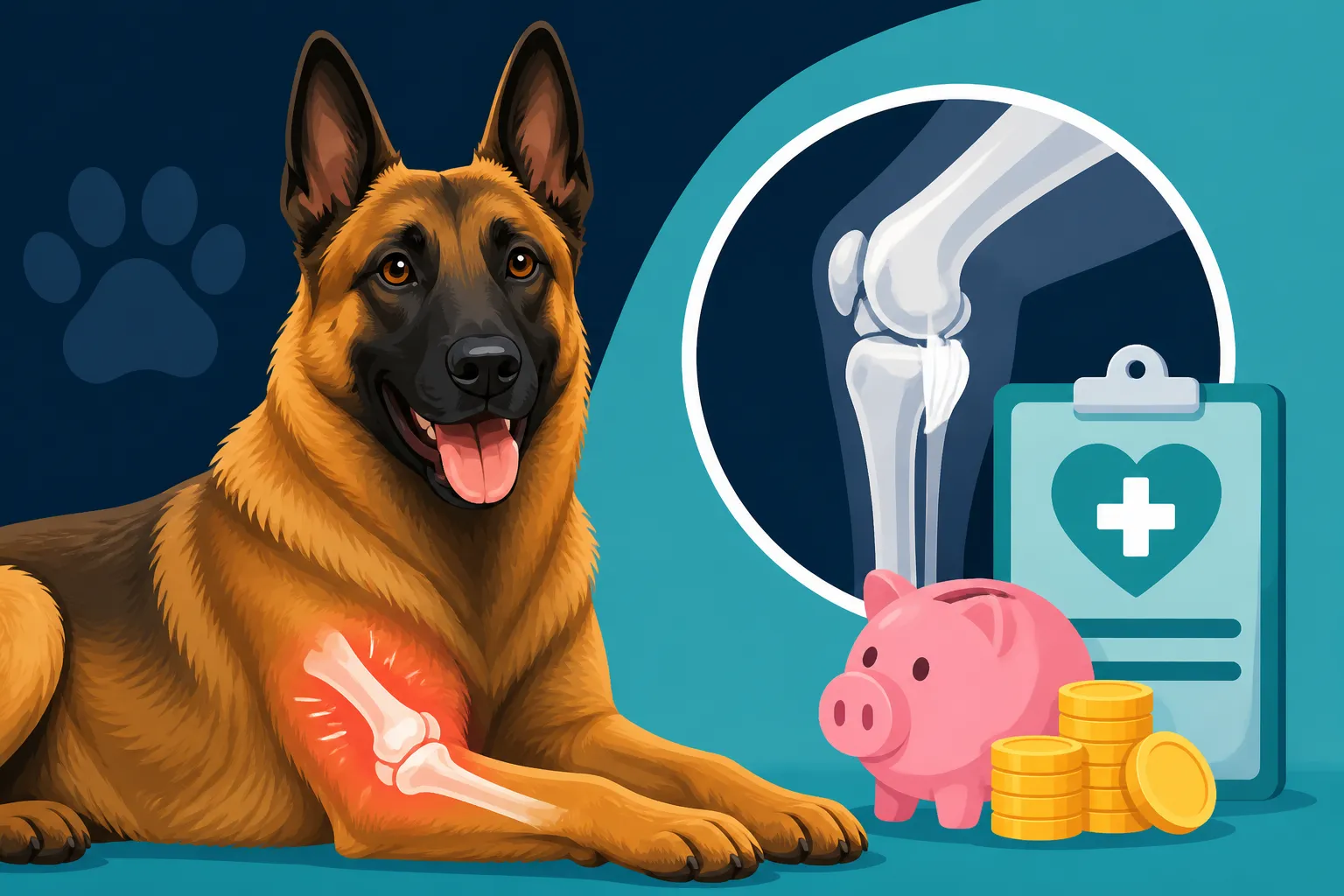
Finding out your beloved Belgian Malinois has torn their cruciate ligament is absolutely devastating. It’s a moment that hits hard, not just emotionally, seeing your active dog in pain, but also financially, as you immediately start to worry about the cost of getting them back on their feet. This guide is here to walk you through the various factors that influence the price of cruciate surgery for a Malinois, help you understand the options, and prepare you for the financial realities of their recovery.
Understanding Cruciate Ligament Injuries in Belgian Malinois
When your highly driven Belgian Malinois suddenly starts limping, or you notice a sudden shift in their gait, a torn cranial cruciate ligament (CCL) is often the culprit. This isn't just a simple sprain; it's a significant injury that usually requires surgical intervention, especially in active, muscular breeds like the Malinois.
Why Malinois Are Prone to Cruciate Tears
Belgian Malinois are incredible athletes, built for speed, agility, and powerful movements. They jump, they twist, they launch themselves into action with an intensity that few other breeds can match. This very athleticism, however, can make them more susceptible to certain injuries. The cranial cruciate ligament in a dog's knee is similar to the ACL in humans, stabilizing the joint. When a Malinois is performing explosive movements—chasing a ball, launching into a bite, or simply taking a bad step during a zoomie—that ligament can tear, either partially or completely. It's often not a single traumatic event but rather a culmination of wear and tear, coupled with a sudden twist or pivot that finally pushes it past its limit. Unlike some breeds where the tear might be a slow degeneration, in Malinois, it often manifests acutely due to their high impact activities. You might notice a sudden, severe limp, or a more subtle lameness that comes and goes before worsening significantly. This constant drive, even when injured, can complicate diagnosis and recovery, as they often try to push through pain. For more on specific injuries, you might want to read about Torn Cruciates in a Jumping Belgian Malinois.
Diagnosing the Injury and Initial Steps
The initial diagnosis for a suspected cruciate tear usually begins with a thorough physical examination by your veterinarian. They’ll perform specific manipulations, like the "cranial drawer test" and the "tibial compression test," to assess the stability of the knee joint. However, in very muscular or tense Malinois, these tests can sometimes be inconclusive. This is where diagnostic imaging, typically X-rays, comes into play. While X-rays don't show the ligament itself, they can reveal secondary signs of a cruciate tear, such as fluid in the joint or early arthritic changes. Sometimes, for a definitive diagnosis or to rule out other issues, your vet might recommend more advanced imaging like an MRI, though this is less common for straightforward cruciate tears. The faster the diagnosis, the sooner you can explore surgical options and prevent further damage or muscle atrophy. Ignoring the limp, hoping it will resolve, usually leads to worse outcomes and potentially more complicated, and expensive, surgery down the line.
Factors Influencing Cruciate Surgery Costs
When you’re facing cruciate surgery for your Belgian Malinois, it’s not just one big bill. The total cost is a patchwork of many different components, and each one can vary significantly depending on your location, the veterinary facility, and the specific needs of your dog.
Geographic Location and Clinic Type
Just like human healthcare, veterinary costs are highly influenced by where you live. A state-of-the-art veterinary surgical center in a major metropolitan area, like those in California or the Northeast, will almost always have higher operating costs—and therefore higher prices—than a smaller, rural practice in the Midwest. The cost of living, property values, and staff wages in your area all play a role. Beyond geography, the type of clinic matters too. A general practice veterinarian may perform certain types of cruciate repair, usually at a lower price point, but for more complex procedures like TPLO (Tibial Plateau Leveling Osteotomy) or TTA (Tibial Tuberosity Advancement), you'll likely be referred to a board-certified veterinary orthopedic surgeon at a specialty referral hospital. These specialists have advanced training, specialized equipment, and higher overhead, which naturally translates to higher fees for their expertise. It’s worth calling around to a few different clinics in your accessible area to get a range of estimates, but remember that the lowest price isn't always the best value when it comes to intricate surgery for your working dog.
Surgeon's Experience and Anesthesia Protocols
The surgeon's experience is a huge factor. An orthopedic specialist who performs cruciate surgeries multiple times a week will typically command higher fees than a general practitioner who does them less frequently. You're paying for their expertise, their precision, and their track record of successful outcomes. For a high-drive dog like a Malinois, who needs to regain full athletic function, a specialist is often recommended.
Anesthesia for a Malinois also requires careful consideration. These dogs are lean, highly sensitive, and sometimes prone to anxiety, which can complicate sedation. Your vet will conduct pre-anesthetic bloodwork to ensure their organs are functioning properly, and they'll likely use a tailored anesthesia protocol. This often includes advanced monitoring (ECG, blood pressure, oxygen saturation), pain management pre-, during, and post-op, and possibly an overnight stay for observation. All of these measures, while crucial for your Malinois's safety and comfort, add to the overall cost. For more on this, you might be interested in Anesthesia Protocols for a Lean Belgian Malinois.
Severity of the Injury and Bilateral Tears
The extent of the cruciate ligament tear will also impact the cost. A partial tear, if caught early, might sometimes be managed with less invasive techniques or rehabilitation, though this is less common for a Malinois. A complete tear, especially if accompanied by meniscal damage (damage to the cartilage pads in the knee), will require a more extensive surgical procedure and potentially higher costs. If both cruciates are torn—either simultaneously or sequentially (which is unfortunately common, as compensating for one bad leg often stresses the other)—you're looking at two separate surgeries, doubling your initial surgical expenses and prolonging recovery. This scenario is particularly daunting financially and physically for your dog, emphasizing the importance of a comprehensive approach to treatment and rehabilitation for the first injury.
Types of Cruciate Repair Surgery and Their Price Implications
There isn't a one-size-fits-all solution for cruciate repair. The type of surgery chosen for your Belgian Malinois will depend on several factors, including the surgeon's preference, your dog's size and activity level, and, of course, your budget. Each method has its own cost implications, recovery profile, and long-term prognosis.
Tibial Plateau Leveling Osteotomy TPLO
TPLO is arguably the most common and often recommended surgical technique for larger, active breeds like the Belgian Malinois. This procedure involves cutting the top part of the tibia (the shin bone), rotating it, and securing it with a bone plate and screws to change the angle of the tibial plateau. The goal is to eliminate the need for the cranial cruciate ligament by making the knee joint dynamically stable during weight-bearing. Because it's a more technically demanding procedure requiring specialized equipment and training, TPLO surgery typically falls at the higher end of the cost spectrum compared to other options. However, it boasts a high success rate, often allowing active dogs to return to a very high level of function, which is a significant consideration for a working Malinois. The initial investment is substantial, but many owners find it worth it for the long-term benefit and robust stability it provides.
Tibial Tuberosity Advancement TTA
TTA is another bone-cutting procedure, similar to TPLO in its approach to altering knee biomechanics, but different in its execution. In a TTA, the front part of the tibia (the tibial tuberosity) is cut and advanced forward, then secured with an implant and screws. This advancement changes the patellar tendon's angle, effectively neutralizing the shear force that the CCL normally counteracts. TTA is generally considered a good option for medium to large breed dogs and can offer excellent results. Its cost is usually comparable to TPLO, sometimes slightly less, but still represents a significant financial commitment due to its complexity and the specialized implants required. The choice between TPLO and TTA often comes down to the orthopedic surgeon's expertise and their assessment of your Malinois's specific anatomy and activity needs.
Lateral Suture Extracapsular Repair
Often referred to as the "traditional" or "fishing line" technique, lateral suture repair (or extracapsular repair) is generally the most affordable surgical option. This procedure involves placing a strong suture material outside the joint, typically around the fabella bone and through a tunnel drilled in the tibia, to mimic the function of the torn cruciate ligament. It essentially acts as a temporary stabilizer while the natural scar tissue forms to create long-term stability. While less expensive and less invasive than TPLO or TTA, it is generally considered more suitable for smaller, less active dogs, or those with lower activity expectations. For a high-drive Belgian Malinois, especially one intended for sport or working roles, the long-term stability and functional outcome might not be as robust as with the bone-altering procedures. However, for a pet Malinois with a quieter lifestyle, it can still be a viable and cost-effective solution.
Here's a quick overview of the surgical options:
| Surgical Procedure | Typical Cost Range (Shape) | Invasiveness | Recovery Time (Shape) | Ideal Candidate (Malinois) |
|---|---|---|---|---|
| TPLO | Higher | Moderate | Moderate to long | Active, working, large Malinois; excellent long-term function |
| TTA | High | Moderate | Moderate to long | Active, working, large Malinois; good long-term function |
| Lateral Suture | Lower | Less | Shorter | Less active, smaller Malinois; good for pets, may not hold up to intense work |
The Real Cost of Post-Operative Care and Rehabilitation
The surgical bill is only one part of the financial equation. The recovery period for cruciate surgery, especially for an active breed like the Belgian Malinois, is extensive and requires consistent commitment, both physically and financially. This phase is absolutely critical for ensuring a successful outcome and preventing re-injury or compensatory problems.
Medications and Follow-Up Appointments
After surgery, your Malinois will need a regimen of medications to manage pain and inflammation. This typically includes pain relievers, anti-inflammatory drugs, and sometimes antibiotics. These prescriptions can add up over weeks or months. Beyond medications, several follow-up appointments are crucial. There will be bandage changes, incision checks, and often X-rays around 6-8 weeks post-op to ensure bone healing if a TPLO or TTA was performed. These vet visits, each with their own consultation fees and potential imaging costs, are non-negotiable for monitoring your dog's progress and addressing any complications early. You'll also likely need to visit a certified rehabilitation specialist.
Physical Therapy and Home Care Equipment
This is where a significant chunk of the post-operative budget often goes. Professional physical therapy and rehabilitation are vital for a Malinois to regain strength, flexibility, and proper gait. These sessions, which can include hydrotherapy, therapeutic exercises, laser therapy, and massage, are usually performed multiple times a week for several weeks or even months. Each session has a cost, and the cumulative expense can be substantial. Many owners, especially those with working Malinois, find that investing in professional rehab dramatically improves their dog's recovery and long-term soundness. If you are looking into this, you might explore Physical Therapy Prices for a Belgian Malinois.
Beyond professional therapy, you'll need to implement strict home care. This includes carefully controlled leash walks, preventing jumping or running, and specific exercises prescribed by your rehab therapist. You might also need to invest in special equipment like a support harness, non-slip rugs for slick floors, or orthopedic bedding to help with comfort and mobility during recovery. Brands like Chewy often carry a wide range of these rehabilitation aids and joint supplements.
Long-Term Management and Potential Complications
Even after successful surgery and rehabilitation, a Malinois who has undergone cruciate repair may require ongoing joint support. This can include daily joint supplements, dietary adjustments, and maintaining a lean body condition to reduce stress on the joint. Products from brands like Ollie might be considered for a balanced diet that supports overall health and recovery. Regular check-ups with your vet to monitor for arthritis progression are also wise. Unfortunately, a common complication is that the other cruciate ligament may tear within a year or two, as the 'good' leg often takes on increased strain. This would mean another round of surgery and rehabilitation expenses. Additionally, post-surgical infections, implant complications, or inadequate healing can sometimes occur, requiring further veterinary intervention and adding to the overall cost. Preparing for these potential long-term needs is a realistic part of cruciate management for your Malinois.
Navigating Financial Options for Your Malinois's Surgery
The sticker shock of cruciate surgery can be overwhelming, but there are several avenues you can explore to make these essential treatments more manageable. No one wants to compromise their dog's health because of financial constraints.
Pet Insurance Coverage
Pet insurance can be an absolute lifesaver when facing unexpected veterinary emergencies like a cruciate tear. Policies typically cover a percentage of accident and illness costs, and cruciate surgery, being a common orthopedic issue, is usually included. However, there are crucial details to understand. Most policies have a waiting period before coverage kicks in, especially for orthopedic conditions, so it's best to enroll your Malinois before an injury occurs. Pre-existing conditions are almost always excluded, meaning if your dog shows signs of a limp related to the knee before you get insurance, that specific knee injury won't be covered. Different plans offer varying reimbursement percentages (e.g., 70%, 80%, 90%) and deductible options, which will affect your out-of-pocket costs. Companies like Healthy Paws are well-known for their comprehensive accident and illness plans. It’s vital to read the policy details carefully and understand what’s covered, what’s excluded, and how your reimbursement works. You can learn more about specific coverage in articles like What Pet Insurance Runs on a Working Malinois.
Payment Plans and Veterinary Financing Programs
Many veterinary hospitals understand the financial burden of major surgery and offer in-house payment plans or work with third-party financing companies. These companies, such as CareCredit, act like a credit card specifically for healthcare expenses, often offering deferred interest periods if the balance is paid within a certain timeframe. It's always worth asking your vet's office about their available payment options. They might have a social worker or a financial coordinator who can help you explore these avenues. Creating a clear financial plan before surgery can alleviate a lot of stress during an already challenging time. Don't hesitate to openly discuss your financial concerns with your veterinary team; they are often willing to help find solutions.
Emergency Funds and Fundraising
Having a dedicated emergency fund for your Malinois is ideal, but not always a reality for everyone. For those who don't have substantial savings set aside, community support can be incredibly impactful. Online fundraising platforms have become a common way for pet owners to seek help with large veterinary bills. Sharing your Malinois's story and the urgent need for surgery can rally friends, family, and even strangers to contribute. Additionally, some breed-specific rescues or national foundations occasionally offer grants or financial assistance for working or purebred dogs facing significant medical needs. While these resources aren't guaranteed, they are definitely worth exploring. It's an emotional journey, and reaching out for help is a sign of strength, not weakness, especially when your dog's well-being is at stake. Perhaps considering "How Much a Malinois Owner Should Bank Each Month" could help with future planning.
Preventing Future Cruciate Issues
While some injuries are truly accidental, there are proactive steps you can take as a Belgian Malinois owner to reduce the risk of cruciate ligament tears and promote overall joint health throughout your dog's life.
Maintaining Optimal Weight and Conditioning
One of the most impactful things you can do for your Malinois's joints is to keep them at a healthy, lean weight. Extra pounds put immense stress on all joints, including the knees, increasing the risk of injury and exacerbating existing conditions. Regular weigh-ins and consistent monitoring of their body condition are crucial. Beyond weight, proper conditioning is key. A Malinois needs strong, balanced musculature to support their joints. This means structured exercise that builds strength, flexibility, and cardiovascular fitness, rather than just random running around the yard. Think about activities that engage their core and hindquarters without excessive impact, especially in younger dogs. Gradual increases in intensity and duration are vital, especially if your Malinois is involved in high-impact sports. Remember, a fit Malinois is less likely to suffer injuries. You can find high-quality, balanced foods from brands like Ollie that support lean muscle mass and overall health.
Balanced Exercise and Joint Supplements
For a Belgian Malinois, consistent, appropriate exercise is paramount. Avoid the "weekend warrior" syndrome where your dog is sedentary all week and then asked to perform intense, prolonged activity on the weekend. This sudden burst of activity without proper conditioning is a recipe for injury. Instead, aim for daily, structured exercise that includes a mix of activities – obedience work, controlled runs, swimming, or mental enrichment games – that build endurance and strength incrementally. As your Malinois ages or if they are particularly active, joint supplements can play a supportive role. Ingredients like glucosamine, chondroitin, MSM, and omega-3 fatty acids are commonly used to support cartilage health and reduce inflammation. While not a cure-all, they can contribute to overall joint wellness. Products available on Chewy or at your local pet store can provide these supplements. It is worth investigating Joint Supplements for a Working Belgian Malinois as part of a preventative strategy.
Recognizing Early Signs and Regular Vet Checks
Being attuned to your Malinois's normal movement patterns is your best defense. Pay attention to subtle changes: a slight shift in weight, a momentary skip in their step, a reluctance to jump, or favoring a limb after activity. These can be early indicators of joint discomfort or a developing issue. Don't dismiss a slight limp; get it checked out by your vet. Regular veterinary check-ups are also crucial, allowing your vet to assess your dog's gait, palpate their joints, and catch any potential problems before they escalate into a full-blown injury requiring costly surgery. Early intervention often means less invasive and less expensive treatment, and a faster return to full function for your high-energy companion.
Disclaimer
This article is for general informational purposes only and does not constitute professional advice. Laws, prices and regulations vary by location and change over time. Consult a qualified professional for guidance on your specific situation.