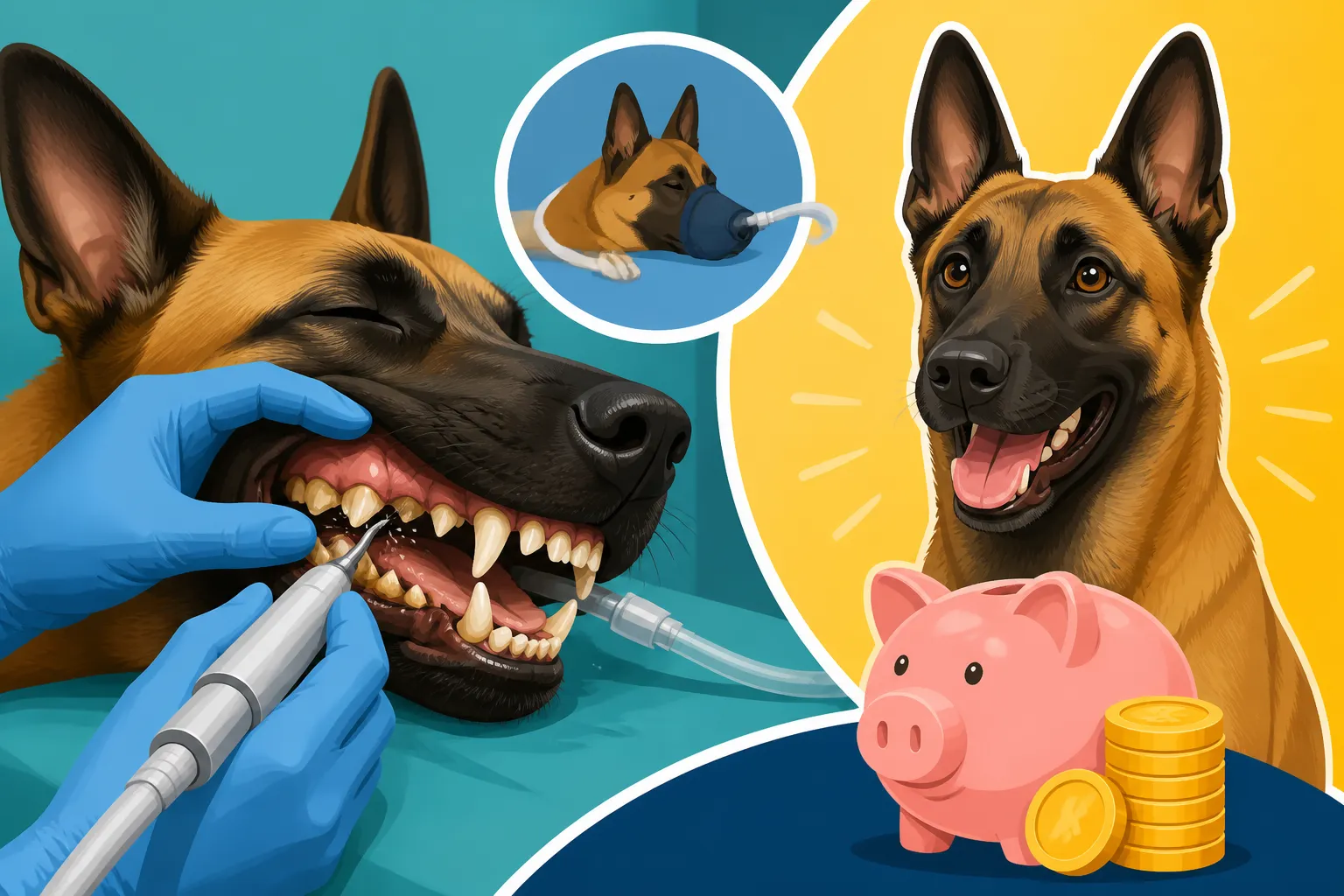
What Scaling a Malinois’s Teeth Costs Under Sedation
The thought of taking your high-drive Belgian Malinois to the vet for a dental cleaning can feel like a monumental task, especially when you start wondering about the price tag. It’s not just a quick brush-up; a full dental scaling for a Malinois almost always requires sedation, and that brings a whole host of considerations. This guide aims to pull back the curtain on what goes into that veterinary bill, helping you understand the real costs and why each component is so important for your dog's health and safety.
Understanding the Necessity of Sedated Dental Care for Malinois
Many dog owners, especially those with working breeds like the Malinois, might wonder why sedated dental care is even necessary. After all, isn't a good chew toy or some dental treats enough? The truth is, for most dogs, particularly as they age, professional dental scaling under anesthesia is not just a luxury; it’s a critical health intervention. Malinois are tough, but they aren't immune to dental disease, and ignoring it can have serious consequences that ripple through their entire body.
Why Sedation Isn't Optional for a Thorough Cleaning
Let's be real: trying to get a Malinois, with all their intense focus and powerful jaws, to sit perfectly still for a veterinarian to scrape tartar from every tooth surface, including under the gumline, is an impossible dream. Even the most compliant family pet isn't going to tolerate it, let alone a dog bred for protection work and independent thought. Sedation allows the vet team to perform a truly comprehensive cleaning, reaching areas that are otherwise inaccessible, like beneath the gumline where periodontal disease really takes hold. Without sedation, a vet can only do a superficial cleaning of the visible tooth surfaces, which unfortunately, doesn't address the root cause of dental disease. It's like sweeping dirt under the rug; it looks clean on the surface, but the problem is still there, brewing.
Furthermore, dental scaling involves sharp instruments and a noisy ultrasonic scaler. A sudden movement from an awake dog could result in injury to the dog or the veterinary staff. Sedation mitigates these risks, ensuring a safe procedure for everyone involved. It also reduces the stress on your Malinois, who would likely find the experience terrifying and uncomfortable if awake.
The Hidden Dangers of Untreated Dental Disease
You might think dental disease is just about bad breath, but it's far more insidious. Plaque and tartar buildup don't just sit there; they lead to gingivitis, which is inflammation of the gums, and eventually progress to periodontitis, which attacks the supporting structures of the teeth. This can cause pain, tooth loss, and even bone loss in the jaw. Imagine trying to work, train, or even just eat comfortably with a constant ache in your mouth or infected gums. For a Malinois, whose physical performance and mental focus are paramount, this pain can significantly impact their quality of life and work ethic.
Beyond the mouth, the bacteria from severe dental infections can enter the bloodstream and travel to major organs, causing serious health issues. We're talking about potential damage to the heart, kidneys, and liver. This is a crucial point that often gets overlooked. A healthy mouth contributes to a healthy body, and for a dog like a Malinois, whose athleticism and longevity are often pushed to the limits, keeping their internal systems sound is absolutely vital. This is why regular professional dental care is an investment in their overall well-being, not just their pearly whites.
Components of a Sedated Dental Cleaning Bill
When you get that estimate from your vet for a sedated dental cleaning, it's often a multi-page document with various line items. It can feel overwhelming, but each part of that bill contributes to the safety and thoroughness of the procedure. It's not just a single "dental cleaning" fee; it’s a detailed breakdown of the medical care your Malinois receives.
Pre-Anesthetic Workup and Anesthesia Administration
Before any Malinois goes under, a pre-anesthetic workup is absolutely essential. This typically includes blood tests to assess organ function, check for underlying health issues, and ensure your dog can safely metabolize and excrete the anesthetic drugs. Given how intensely some Malinois push themselves, and their predispositions to certain conditions, these tests are critical for flagging any potential risks. Pre-Anesthetic Bloodwork on a Belgian Malinois is a conversation you need to have with your vet. Some vets might also recommend an ECG to check heart function, especially for older dogs or those with suspected cardiac issues.
The cost of anesthesia itself covers the drugs used to sedate your dog and keep them safely unconscious during the procedure. This includes induction agents, maintenance gases, and pain management medications. For a lean, athletic breed like the Malinois, careful titration of anesthetic agents is crucial, as their metabolism can differ from other breeds. Why Anesthesia Needs Discussing Before a Malinois Goes Under is a really important article to review, as understanding the nuances of anesthesia for your particular dog is key.
Dental Scaling, Polishing, and Extractions
This is the core of the procedure: the actual cleaning. A veterinary technician or veterinarian will use an ultrasonic scaler to remove plaque and tartar from above and below the gumline. This is then followed by hand scaling for precision, and polishing, which smooths the tooth surface, making it harder for new plaque to adhere.
However, often during this thorough cleaning, the vet discovers issues that weren't visible when your Malinois was awake. This could include severely infected teeth, fractured teeth (especially common in dogs that do bite work – see The Cost of Repairing a Malinois's Broken Canine), or deep periodontal pockets. In these cases, tooth extractions become necessary. These extractions are typically charged separately, as they require more time, additional anesthetic depth, specialized tools, and often local nerve blocks. The more teeth that need to be removed, especially if they are multi-rooted or difficult, the higher this portion of the bill will be.
Anesthesia Monitoring, Pain Management, and Post-Procedure Care
Throughout the entire procedure, your Malinois will be carefully monitored by a veterinary technician or nurse. This involves checking heart rate, respiratory rate, blood pressure, oxygen saturation, and body temperature. This constant vigilance is paramount to ensuring your dog's safety while under anesthesia, making adjustments as needed. This monitoring equipment and the trained personnel who use it are a significant part of the cost.
After the cleaning and any extractions, pain management is critical. Your vet will likely send your Malinois home with pain medication and possibly antibiotics, especially if extractions were performed or significant infection was present. This post-procedure care helps ensure a comfortable recovery and prevents secondary infections. The cost of these medications will be added to your bill. You might even find yourself picking up these prescriptions from places like Chewy's online pharmacy for convenience, though always consult your vet first.
Factors Influencing the Overall Cost
It’s never a one-size-fits-all when it comes to vet costs, and dental procedures are no exception. Several factors can significantly sway what you end up paying for your Malinois’s sedated dental cleaning. Understanding these can help you manage your expectations and ask the right questions when getting an estimate.
Geographic Location and Clinic Type
Just like human healthcare, veterinary costs vary widely depending on where you live. A dental cleaning in a bustling metropolitan area, say near Los Angeles or New York City, will almost certainly be more expensive than the same procedure in a rural setting in the Midwest. The cost of living, overhead for the clinic, and local competition all play a role.
Furthermore, the type of veterinary clinic makes a difference. A state-of-the-art veterinary hospital with specialists and advanced diagnostic equipment will likely charge more than a smaller, general practice clinic. While a general practice can handle routine cleanings and straightforward extractions, if your Malinois has complex dental issues or requires specialist intervention, visiting a boarded veterinary dentist could be significantly more expensive. However, for severe cases, the expertise they offer might be invaluable.
Age, Health, and Severity of Dental Disease
A young, healthy Malinois with minimal tartar buildup might have a relatively quick and uncomplicated dental cleaning. This will naturally be less expensive. However, an older Malinois, or one with pre-existing health conditions (like a heart murmur or kidney issues), will require a more intensive pre-anesthetic workup and closer monitoring during the procedure. This adds to the cost.
The severity of your dog's dental disease is perhaps the biggest variable. A Malinois with moderate tartar and gingivitis will simply need scaling and polishing. But if they have advanced periodontal disease, multiple infected teeth, or broken teeth, the procedure becomes far more involved. Extractions, especially of large, multi-rooted teeth, can take significant time, require specialized surgical techniques, and often demand additional pain management post-operatively. The more extensive the disease, the longer the procedure, the more drugs used, and the higher the final bill. This is why addressing dental health early can save you a lot of heartache and money down the line.
Inclusions and Exclusions in the Estimate
When you get an estimate from your vet, it's crucial to understand what's included and what might be an additional charge. Typically, an estimate for a sedated dental cleaning will include:
| Service Component | Description | Typical Inclusion | Potential Additional Cost |
|---|---|---|---|
| Pre-anesthetic Bloodwork | Tests to assess organ function and anesthetic suitability. | Often included, or a mandatory separate fee. | Extensive panels, additional diagnostics (e.g., ECG). |
| Anesthesia & Monitoring | Drugs, gases, and technician monitoring throughout the procedure. | Almost always included. | Longer anesthesia time for complex procedures. |
| Dental Scaling & Polishing | Ultrasonic and hand scaling, followed by polishing of teeth. | Usually included as the base "dental cleaning" fee. | None, this is standard. |
| Dental Radiographs (X-rays) | Images of teeth roots and bone structures beneath the gumline. | Increasingly included, or highly recommended. | Per-film or full-mouth series pricing. |
| Tooth Extractions | Removal of diseased or fractured teeth. | Quoted as an additional fee per tooth/complexity. | Surgical extractions, bone grafts, specialized closures. |
| Post-operative Medications | Pain relief, anti-inflammatories, antibiotics sent home. | Often included, or listed as separate pharmacy items. | Extended medication courses, specific drug brands. |
| IV Fluids | Intravenous fluids to maintain hydration and blood pressure during anesthesia. | Often included, or a separate daily fluid fee. | Extended fluid administration. |
Always ask for a detailed breakdown and clarify what happens if unexpected issues, like multiple extractions, are discovered. Some clinics provide a range for estimated costs, explaining that the final figure depends on the actual work performed.
Managing and Preparing for Dental Expenses
Understanding the costs is one thing; actually managing them is another. Vet bills for a Malinois, especially a working one, can add up quickly. Having a plan for dental expenses, just like for any other potential health issue, is a smart move.
Pet Insurance and Payment Plans
One of the best ways to soften the blow of unexpected veterinary bills, including those for extensive dental work, is pet insurance. Plans like Healthy Paws often cover a percentage of unexpected veterinary costs, and some comprehensive plans may even cover routine dental cleanings. It's crucial to read the policy details carefully to understand what's covered, what the deductible is, and what reimbursement percentage you can expect. Remember, pet insurance generally doesn't cover pre-existing conditions, so enrolling your Malinois when they are young and healthy is ideal. This is a topic worth exploring further in What Pet Insurance Runs on a Working Malinois.
If pet insurance isn't an option, or if the costs exceed your coverage, many veterinary clinics offer payment plans or work with third-party financing options. These can help break down a large bill into more manageable monthly payments. It's always worth asking your vet what options are available before the procedure to avoid financial stress. Don't be afraid to discuss payment expectations upfront; good clinics understand that pet care is an investment.
Preventative Care and At-Home Maintenance
The absolute best way to keep dental cleaning costs down over your Malinois's lifetime is through diligent preventative care at home. This means regular tooth brushing. Yes, with a Malinois, it sounds like a battle, but even a few minutes a day can make a huge difference. Start when they're puppies and make it a positive experience. You can find specialized dog toothbrushes and toothpastes (never use human toothpaste!) at pet stores or online at places like Chewy. Consistency is key! Daily Tooth Brushing for a Malinois That Bites offers great tips on how to approach this.
Beyond brushing, dental-specific diets recommended by your vet can help reduce plaque buildup. There are also dental chews and water additives that can play a supplementary role, though they are never a substitute for brushing or professional cleaning. Just be cautious with hard chews; while tempting for a Malinois, some can be so hard they fracture teeth, leading to costly extractions. Look for chews that are veterinary approved for dental health and aren't rock-hard. Some owners even explore fresh food options, like those offered by Ollie, with the belief that a natural, less processed diet contributes to overall oral health, but always discuss with your vet before making significant dietary changes.
Getting Detailed Estimates and Asking Questions
Never be shy about asking for a detailed estimate before any procedure. A reputable veterinary clinic will be happy to provide one. When you receive it, go through it line by line. Ask questions like:
- "What exactly is included in the 'anesthesia' fee?"
- "Are dental X-rays included, or are they an additional charge?"
- "What is the estimated cost per extraction, and how is complexity factored in?"
- "What medications will my Malinois go home with, and what is their cost?"
- "What happens if unexpected issues are found during the procedure?"
The more information you have, the better prepared you'll be. Don't hesitate to ask for an estimated range, especially if your Malinois has significant dental disease, as unexpected extractions can dramatically increase the final cost. Knowing the potential high end of the spectrum allows you to budget or prepare for it.
The Long-Term Value of Investing in Dental Health
While the cost of scaling a Malinois's teeth under sedation might seem steep, it’s an investment in their long-term health, comfort, and performance. Think about it: a dog in pain from a fractured tooth or raging gum disease isn’t going to perform optimally in training, protection work, or even just as an active family companion. Their drive might diminish, their focus could wander, and their overall demeanor could change.
By addressing dental issues promptly and proactively, you are preserving your Malinois's ability to live life to the fullest. You're preventing potential systemic health problems that could lead to even more expensive vet bills down the road. Furthermore, you're ensuring your dog is comfortable and pain-free, which truly is priceless. A healthy mouth contributes to a healthier, happier, and more engaged Belgian Malinois for years to come.
Disclaimer
This article is for general informational purposes only and does not constitute professional advice. Laws, prices and regulations vary by location and change over time. Consult a qualified professional for guidance on your specific situation.