Whether a Belgian Malinois Should Live Indoors
It's a common dilemma for anyone considering a highly driven breed like the Belgian Malinois: can this powerhouse of a dog truly thrive living inside your home? Many people mistakenly believe a large yard or an outdoor kennel is sufficient, leading to frustrated owners and unhappy dogs. This guide will dive deep into the Malinois's unique needs to help you understand why indoor living isn't just an option, but often a critical component for their well-being and your peace of mind.
Understanding the Malinois's Core Needs and Instincts
When you bring a Belgian Malinois into your life, you're not just getting a dog; you're getting a commitment to a lifestyle. These aren't your average couch potatoes, and their fundamental instincts and drives dictate a living situation far more integrated than many realize.
The Drive That Demands More Than a Backyard
Let's be brutally honest: a large, fenced backyard, no matter how expansive, is not a job. For a Belgian Malinois, being relegated to a yard without direct human engagement and structured activity is akin to a human being locked in a room with nothing to do. Their drive, their inherent need to work and be useful, is immense. It's built into their DNA from generations of herding and protection work. They need Two Hours and a Job a Belgian Malinois Demands Daily – and that job isn't just self-entertaining in the grass.
Imagine a highly intelligent, physically capable athlete who is denied any form of training, competition, or even just consistent exercise. They'd become restless, frustrated, and likely destructive. A Malinois is no different. Simply existing in a yard, even if it's ample, doesn't fulfill their genetic programming for complex tasks, problem-solving, and intense physical exertion. It leads to boredom, which then manifests in behaviors we often associate with "bad dogs" – digging craters, barking incessantly, chewing through fences, or even attempting to scale walls to find something, anything, to do. They need that connection to their human handler to channel that incredible energy.
Hardwired for Connection, Not Isolation
Despite their formidable appearance and intense work ethic, Malinois are deeply social animals. They thrive on interaction with their human "pack." This isn't just about cuddles (though many Malinois are affectionate with their chosen people); it's about direction, purpose, and bonding. They want to be with you, observing, participating, and awaiting their next command.
Leaving a Malinois alone outside for extended periods can severely impact their development and temperament. They can become disconnected, anxious, and develop behavioral issues rooted in isolation and a lack of clear leadership. A common misconception is that outdoor dogs are more independent. With a Malinois, isolation often leads to insecurity and a desperate need to self-soothe, which can look like frantic barking, destructive chewing, or obsessive behaviors. They are not naturally independent in the way some guardian breeds might be; their independence comes from confidence in their handler and their training, not from being left to their own devices.
The "Off Switch" Myth and Reality
Many people dream of a Malinois that can "turn it on" for work and then "turn it off" the moment they step back inside. While Building an Off Switch Into a Belgian Malinois is a crucial part of training and management, it's a learned behavior, not an inherent trait, especially in a young or unfulfilled Malinois. It's a skill that requires consistent effort and a suitable environment.
If a Malinois is constantly over-stimulated or under-stimulated by being left outside without proper engagement, they struggle immensely with settling down. The "off switch" isn't a magical button; it's the result of fulfilling their physical and mental needs, teaching them what calm looks like, and providing a quiet, safe space where they can genuinely relax. Expecting them to settle after a brief outdoor run if they've spent hours alone and unengaged is unrealistic. They need the structure and calm of an indoor environment to practice and solidify that relaxation.
The Practicalities of Indoor Living for a Malinois
Bringing a Belgian Malinois indoors isn't about letting them run wild; it's about integrating them into your life in a way that provides structure, security, and consistent connection. It requires mindful management and proactive solutions.
Managing Their Energy in a Home Environment
"But my Malinois will tear up the house!" This is a legitimate concern, and it's why managing their energy before they come inside is paramount. Indoor living doesn't mean less exercise; it means more thoughtful exercise. High-intensity outdoor sessions are crucial – think fetch, running, structured training, or bite work. Afterward, coming indoors should be a time for mental stimulation that doesn't involve tearing apart your sofa.
Puzzle toys, like those found on Chewy or Amazon, where they have to work for their kibble, can be fantastic for engaging their minds while burning minimal physical energy. Short, focused obedience sessions indoors, practicing commands like "place" or "down-stay," further reinforce calmness. Sniffing games, where you hide treats around the house, tap into their natural scent drive and provide mental enrichment without zoomies. The goal is to bring a dog inside that is tired, both mentally and physically, so they can practice being calm and quiet, rather than creating their own (often destructive) fun.
The Importance of a Dedicated "Safe Space" Inside
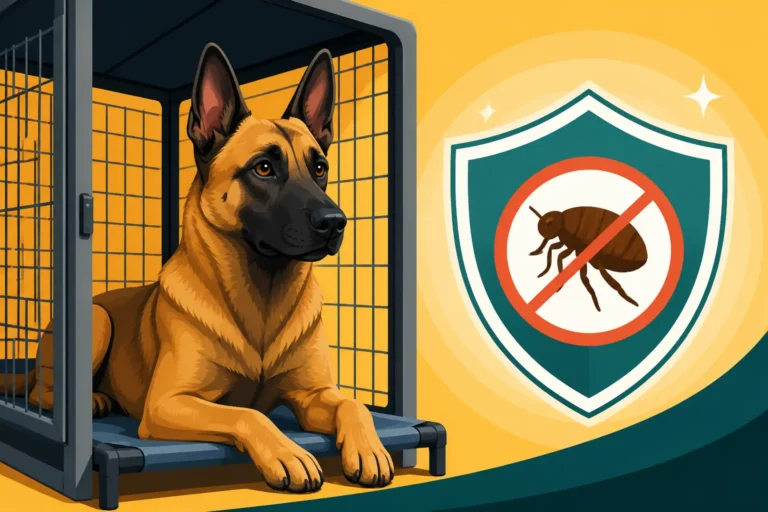
For a Malinois to truly thrive indoors, they need their own dedicated safe space. This isn't just about putting a bed in a corner; it's about providing a den – a place where they feel secure, can decompress, and aren't constantly on alert. A robust crate is often the best solution. Not only is it invaluable for housetraining a puppy, but for an adult Malinois, it becomes their sanctuary. The Crate Dimensions a Grown Malinois Needs are generous, ensuring they can stand, turn around, and stretch out comfortably.
This crate, positioned in a high-traffic area (but not in the traffic flow), allows them to be part of the family without being overwhelmed or underfoot. It’s their private room where they can chew a Benebone, nap, or just observe the household chaos from a secure vantage point. It’s also an essential tool for management, especially when guests are over or when you simply need an hour of peace without a Malinois shadowing your every move. A comfortable, durable bed inside the crate, perhaps sourced from Amazon, will make it even more inviting.
Protecting Your Home from a Malinois's Enthusiasm
Let's face it: an unfulfilled or unsupervised Malinois can wreak havoc. What a Malinois Destroys in One Unsupervised Hour can be truly impressive, from baseboards to couch cushions. This isn't malice; it's boredom and an outlet for pent-up energy. To prevent this, strict management, consistent training, and appropriate outlets are key.
- Puppy-Proofing: Just like with human toddlers, everything chewable should be out of reach. Bitter sprays can deter chewing on furniture.
- Structured Play: Provide appropriate chew toys – tough rubber or nylon chews are often preferred over flimsy fabric toys. Rotate them to keep things interesting.
- Supervision: Until your Malinois has proven they can be trusted, close supervision or crating is necessary. Don't set them up for failure by leaving them alone with tempting items.
- Training: A strong "leave it" command is your best friend indoors. This teaches them to ignore enticing items around the house.
Remember, a Malinois that lives indoors and receives appropriate exercise and mental stimulation is far less likely to be destructive than one left to their own devices in a yard.
The Risks and Downsides of Outdoor-Only Living for a Malinois
While some might argue for outdoor-only living for a Malinois, it comes with a host of significant drawbacks that often outweigh any perceived benefits, particularly for a breed so dependent on human interaction and purpose.
Behavioral Problems Stemming from Isolation
An outdoor-only Malinois, especially one without constant, dedicated interaction, is a recipe for behavioral disaster. The boredom and frustration of isolation can manifest in deeply ingrained and difficult-to-resolve issues:
- Excessive Barking: They bark at everything – squirrels, leaves, distant noises, or just out of sheer loneliness. This isn't just annoying; it can lead to neighbor complaints and stress for the dog.
- Destructive Behavior: Digging, chewing, and destroying anything within reach are common outlets for pent-up energy and anxiety. Your beautiful landscaping? Gone. That sturdy fence? Compromised.
- Barrier Frustration: Constantly seeing things they cannot access can lead to extreme frustration, causing fence fighting, lunging, and reactivity towards people or dogs passing by.
- Resource Guarding: Without proper socialization and integration, they may become possessive of their limited space or resources (food, toys) in their outdoor environment.
- Lack of Socialization: Being isolated limits their exposure to various sights, sounds, and experiences, leading to fear or aggression towards novelty when they are eventually exposed to it. This makes Whether a Belgian Malinois Should Meet Strange Dogs much harder to navigate later on.
These behaviors are not inherent "Malinois traits" but rather symptoms of an unfulfilled dog.
Health and Safety Concerns in an Outdoor Kennel
Beyond behavioral issues, outdoor-only living exposes a Malinois to numerous physical risks and health challenges.
- Environmental Exposure: Malinois have a relatively short coat. While they handle Heat, Cold and a Belgian Malinois on the Job with appropriate acclimation, constant exposure to extreme temperatures without adequate shelter can lead to heatstroke in summer or hypothermia in winter. Their thin coats don't provide the same insulation as some other northern breeds.
- Parasites and Pests: Constant outdoor living increases the risk of fleas, ticks, mosquitoes, and other parasites, which can transmit diseases.
- Theft and Escape: A high-value, highly driven dog like a Malinois is a target for theft. Furthermore, a bored Malinois is an escape artist. No fence is truly "Malinois-proof" if they have enough motivation and time to figure it out. They can dig under, chew through, or scale heights with surprising agility. This directly contradicts the idea that Why a Fenced Yard Does Nothing for a Malinois alone to contain them or fulfill them.
- Lack of Immediate Supervision: Injuries, sudden illness (like bloat, which can be life-threatening), or poisoning can go unnoticed for crucial hours if your Malinois is not with you. Prompt attention is critical for many canine emergencies.
- Loneliness and Depression: While hard to measure, a dog designed for connection and partnership can experience significant emotional distress from consistent isolation. Whether Kennel Stress Ruins a Belgian Malinois is a very real concern, as prolonged stress can lead to physical ailments and deep behavioral issues.
The Erosion of the Human-Canine Bond
Perhaps the most significant downside of an outdoor-only Malinois is the weakening of the bond between dog and owner. The Malinois thrives on partnership. Shared experiences, subtle cues, and constant communication are the bedrock of their training and relationship. When a dog lives outside, these opportunities are drastically reduced.
You miss out on observing their subtle communication, their moods, and early signs of illness. They miss out on being an integral part of your daily life, learning household rules, and developing the nuance that comes from constant interaction. This distance can make training harder, as the dog doesn't see you as the central figure in their world, and it can erode the trust and loyalty that make the Malinois such a magnificent partner. The Hours a Malinois Tolerates Being Alone are limited, and even then, those hours are best spent with the dog secure and comfortable indoors after appropriate exercise and bonding time.
Striking the Right Balance: Indoor Access with Outdoor Work
The ideal scenario for a Belgian Malinois is not an either/or situation. It's about blending the best of both worlds: the mental and emotional security of indoor living with the essential physical and mental stimulation of dedicated outdoor work.
Seamless Transition Between Work and Rest
A well-adjusted Malinois should be able to transition smoothly from intense outdoor activity to calm indoor relaxation. This takes deliberate training and consistent effort. They need vigorous exercise – long runs, focused training sessions, bite work, or agility – to truly tire them out. Following these sessions, bringing them inside should be a signal to settle. This is where true relaxation becomes a real possibility.
Think of it like an athlete coming home after a grueling workout. They need to cool down, eat, and then rest. Your Malinois is no different. Providing a comfortable spot (like their crate or a sturdy dog bed from Chewy) where they can chew a Kong filled with frozen peanut butter, or simply nap, helps them physically and mentally decompress. This structured routine teaches them when it's time to be "on" and when it's time to be "off."
Creating a Hybrid Environment That Works
For many Malinois owners, a hybrid living situation is the most practical and beneficial. This involves the dog primarily living indoors as part of the family, with ample, supervised access to a secure outdoor space for exercise and potty breaks.
- Indoor Integration: The dog sleeps indoors, spends downtime inside with the family, and is integrated into daily routines. This fosters the deep bond they crave.
- Secure Outdoor Space: A yard should be seen as an extension of their living area for exercise and supervised play, not as their primary residence. Ensure the fencing is robust, at least six feet high, and regularly checked for weaknesses. Remember that a Malinois can easily scale or dig under inadequate fencing.
- Outdoor Kennels (as a tool, not a home): If you need an outdoor kennel, perhaps for specific training or temporary containment when direct supervision isn't possible (e.g., during yard work where tools are present), it must be exceptionally secure, weather-protected, and used for limited periods. Housing a Belgian Malinois in a Kennel or a Crate should always prioritize their safety and well-being. It should never replace their primary role as an indoor companion.
Training for Success in Any Environment
Ultimately, the success of where your Malinois lives boils down to consistent, clear training. A well-trained Malinois, with a solid foundation in obedience and an understanding of boundaries, will adapt much better to an indoor environment.
- Foundation Obedience: Commands like "sit," "stay," "down," and "place" are non-negotiable for an indoor Malinois. "Place" training, in particular, teaches them to go to a designated spot and remain calm, even with distractions.
- Crate Training: As discussed, a crate is a vital tool. Start early, make it a positive experience, and ensure it's seen as a safe haven, not a punishment.
- Leash Manners: Even if you have a yard, walking your Malinois on a leash is crucial for their mental stimulation and exposure to the outside world. This also provides an opportunity to work on polite manners in public.
- Socialization: Proper, controlled socialization to various people, places, and situations will help your Malinois be a calm, confident member of society, whether they're at home or out and about.
- Consistency: Malinois thrive on routine and predictability. The Structure a Belgian Malinois Needs Every Day helps them understand what is expected of them, whether they are working or relaxing indoors.
In conclusion, while a Malinois certainly needs vast amounts of outdoor activity and work, expecting them to live exclusively outdoors ignores their fundamental need for companionship, mental engagement, and integration into a human family. For both their well-being and yours, a Belgian Malinois absolutely should live indoors, as a cherished, albeit high-energy, member of your household.
Disclaimer
This article is for general informational purposes only and does not constitute professional advice. Laws, prices and regulations vary by location and change over time. Consult a qualified professional for guidance on your specific situation.