Whether a Belgian Malinois Should Ever Be Clipped
The relentless shedding and the struggle to keep a high-drive dog cool in warmer climates can lead many Belgian Malinois owners to consider what seems like a simple solution: clipping their dog's coat. However, what feels like an immediate fix can often create more problems than it solves, leaving your Malinois vulnerable and its coat irrevocably damaged. This guide aims to thoroughly explain why clipping a Belgian Malinois is generally not recommended and offers better, healthier ways to manage their coat and comfort.
Why Owners Even Consider Clipping a Belgian Malinois
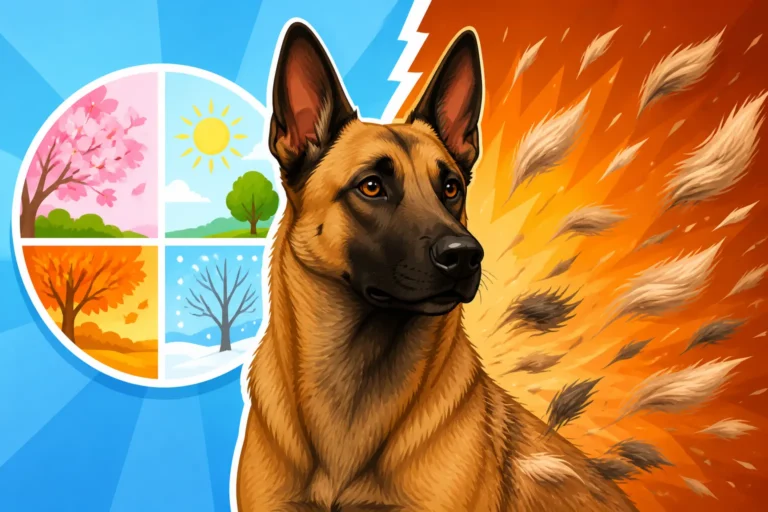
Let's be honest, living with a Belgian Malinois means living with hair. A lot of hair. Even though they have what's considered a "short coat," the sheer volume of shedding, especially during seasonal blows, can be absolutely overwhelming. You find it on your clothes, in your food, woven into your carpets, and even clinging to places you swear the dog has never been. This constant battle with fur is often the primary driver for owners thinking about taking clippers to their beloved dog. The thought process is simple: less hair on the dog, less hair everywhere else.
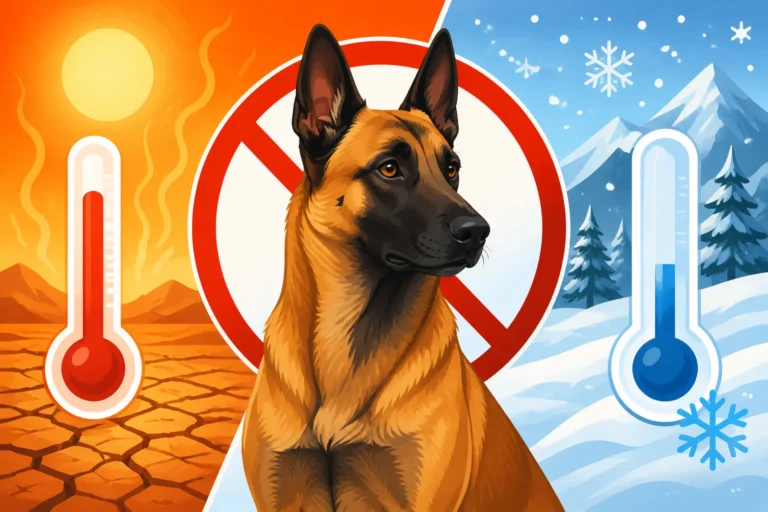
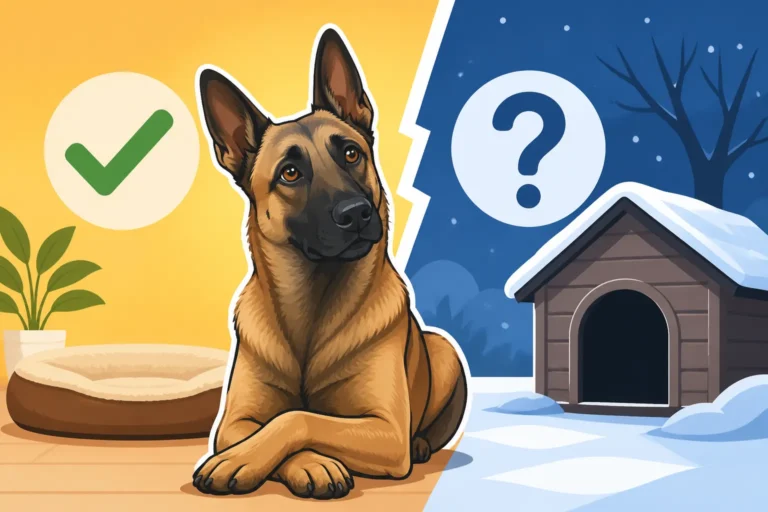
Then there's the heat. Malinois are incredibly active dogs, often working or training outdoors in various conditions. When summer rolls around, or if you live in a perpetually warm region, seeing your dog panting after a session, even a short one, can trigger a desire to help them cool down. Many owners mistakenly believe that by removing the coat, they are providing a lighter, cooler option for their dog, allowing the heat to escape more easily from their skin. They visualize a sleek, comfortable dog, free from the burden of its fur, and think they're doing the best thing for their companion's well-being.
Sometimes, the idea of clipping stems from a desire for perceived cleanliness or even to deal with minor matting, though a Malinois's short, harsh coat rarely mats significantly unless neglected or if there are underlying skin issues. The hope is often to simplify grooming, reduce the amount of dirt and debris that can cling to the fur, and make bath times quicker. It’s an understandable instinct to seek an easy button for common canine challenges, especially with a breed as demanding as a Malinois.
The Unique Structure of a Belgian Malinois's Double Coat
To understand why clipping isn't the answer, we first need to delve into the marvel that is a Belgian Malinois's coat. Unlike single-coated breeds, Malinois possess a double coat, a brilliant evolutionary adaptation designed to protect them in a multitude of environments. This isn't just "hair"; it's a complex system of insulation, protection, and sensory input.
The outer layer, known as the guard coat, consists of coarse, somewhat stiff hairs. These hairs are designed to be water-repellent, shedding rain and snow, and acting as a barrier against dirt, debris, and UV radiation. They provide the first line of defense against scrapes and punctures during intense work or play. Think of it as a natural, built-in raincoat and armor all in one. This is the part of the coat that gives the Malinois its characteristic "harsh" feel. You can learn more about The Harsh Outer Coat a Malinois Should Carry.
Beneath this protective outer layer lies the undercoat. This is where the magic really happens. The undercoat is made up of dense, soft, downy hairs that are much shorter than the guard hairs. Its primary function is insulation. In cold weather, it traps warm air close to the dog's body, preventing heat loss. In warm weather, it does the exact opposite: it traps cooler air, preventing the sun's direct heat from reaching the skin. It acts like a natural thermal regulator, keeping your dog comfortable in varying temperatures. Without this intricate system, your Malinois is actually less able to cope with environmental extremes. This undercoat is also responsible for the bulk of the shedding you experience, particularly during seasonal coat blows. Owners often grapple with The Undercoat Hidden in a Malinois's Short Coat.
The Detrimental Effects of Clipping a Malinois's Coat
Now that we understand the purpose of each layer, it becomes clearer why clipping a Belgian Malinois is almost universally discouraged by veterinarians and experienced handlers. When you shave or clip a double-coated breed, you disrupt this natural system, leading to several unintended and often irreversible negative consequences.
Firstly, you destroy the natural insulation. Many people assume shaving a dog helps it stay cooler in summer. In reality, you're removing the very mechanism designed to keep them cool. The undercoat provides an air-conditioned layer, keeping hot air away from the skin. Without it, your dog's skin is directly exposed to the sun's harsh rays, leading to overheating, even heatstroke, and severe sunburn. Imagine trying to stay cool in the desert without clothes; it's a similar principle. This can be especially dangerous for a dog as active and prone to Heat Stroke in a Belgian Malinois in a Patrol Car as a Malinois.
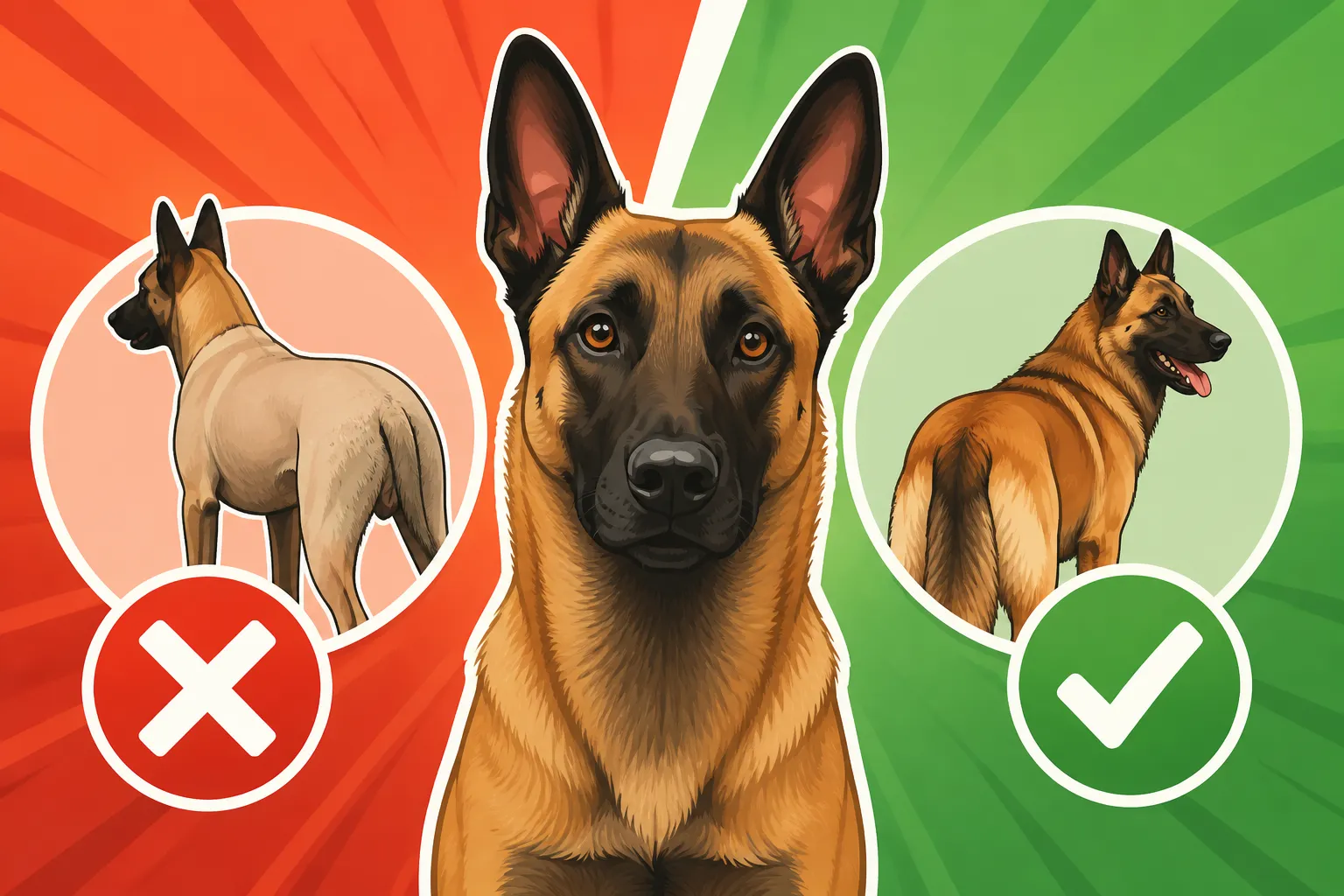
Secondly, the coat often grows back incorrectly. When clipped, especially with very short blades, the undercoat tends to grow back faster and thicker than the guard hairs. This can lead to a condition called "coat funk" or "post-clipping alopecia," where the coat becomes dull, patchy, and feels soft or cottony instead of harsh. The guard hairs, which protect the undercoat and skin, may never fully regain their original texture or length, leaving the dog permanently vulnerable. This altered coat then sheds even more poorly, becoming prone to matting and holding onto dirt, effectively making the very problem you tried to solve much worse.
Lastly, a clipped coat offers no protection against the elements or potential injuries. The guard hairs shield the skin from UV radiation, preventing sunburn and reducing the risk of skin cancer. They also provide a physical barrier against minor abrasions, insect bites, and irritants encountered during outdoor activities. Removing this protection exposes your Malinois's delicate skin to all these hazards. Skin irritations, infections, and allergic reactions can become more prevalent. It’s like stripping away their natural armor, leaving them exposed and uncomfortable.
Better Alternatives to Clipping for Coat Management and Comfort
So, if clipping is out, what can you do to manage your Malinois's coat and keep them comfortable year-round, especially when the shedding feels never-ending or the temperatures climb? The good news is there are plenty of effective, coat-safe methods.
Regular and Thorough Grooming
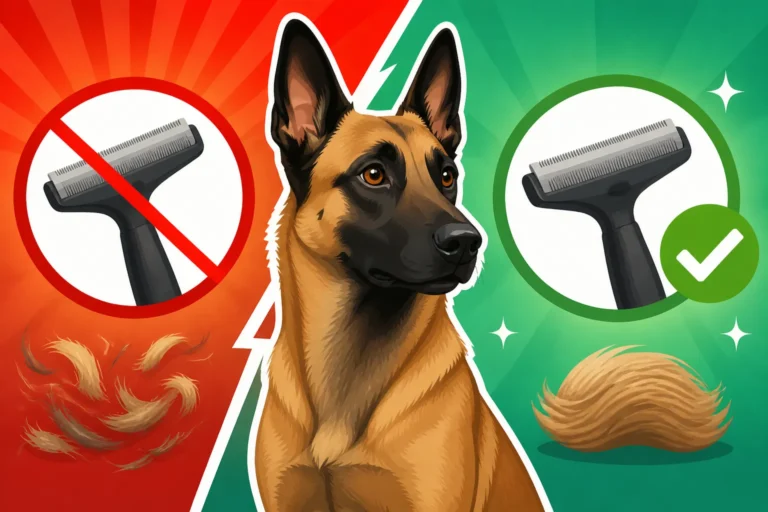
The absolute best way to manage shedding and maintain a healthy coat is through consistent, thorough grooming. This means investing in the right tools and dedicating time to brushing, especially during seasonal coat blows. A good deshedding brush, like those found on Chewy or Amazon, can work wonders in removing the loose undercoat before it ends up all over your house. A slicker brush followed by a rake can effectively penetrate the dense undercoat without damaging the guard hairs. During heavy shedding, daily brushing might be necessary. This process not only removes dead hair but also distributes natural oils, keeping the skin healthy and stimulating new, strong hair growth. Remember, the goal is to remove the loose hair, not to cut or shave it. Regularly removing the dead undercoat will help your dog regulate its temperature more effectively and reduce the amount of hair you find on your furniture.
A proper bath, when needed, can also help to loosen and release dead undercoat. Just be sure to rinse thoroughly and dry your Malinois completely, especially in cooler weather, to prevent skin issues. While Malinois don't need frequent baths, a well-timed one during a heavy shed can be incredibly effective. You can refer to How Rarely a Malinois Coat Needs Washing for more details.
Smart Cooling Strategies for Hot Weather
Instead of stripping your dog of its natural defense, focus on environmental management and smart cooling strategies when the mercury rises.
- Provide Shade and Water: Always ensure your Malinois has access to ample shade when outdoors and a constant supply of fresh, cool water. This seems obvious, but it's often overlooked. Consider portable shade structures or bringing them inside during the hottest parts of the day. For more on this, check out Keeping a Belgian Malinois Out of Midday Sun.
- Cooling Gear: There are many excellent cooling vests, bandanas, and mats available (often found on Amazon). These can significantly help lower your dog's core temperature without resorting to clipping.
- Timing Exercise: Adjust your exercise schedule to avoid the peak heat of the day. Early mornings and late evenings are ideal for training and strenuous activity.
- Water Activities: Many Malinois love water! A kiddie pool, sprinklers, or a swim in a safe lake can be a fantastic way to cool down and provide mental and physical exercise. Just be sure to dry them properly, especially around the ears, to prevent issues like Ear Infections in a Malinois With Erect Ears.
- Grooming for Airflow: While you don't clip, ensure the coat is free of mats (again, rare in Mals) and excess dead undercoat. A well-maintained coat, free of trapped dead hair, allows for better air circulation against the skin.
Nutritional Support for Coat Health
Believe it or not, what you feed your Malinois plays a huge role in the health and manageability of their coat. A diet rich in essential fatty acids, particularly Omega-3s and Omega-6s, can lead to a healthier, shinier coat and potentially reduce excessive shedding. Quality protein sources are also vital for strong hair follicles.
Consider consulting with your vet about adding supplements if you notice persistent coat issues. Many high-quality dog foods, including some premium options available through Chewy or even fresh-prepared options like Ollie, often include ingredients specifically formulated to support skin and coat health. A healthy coat is a resilient coat, less prone to issues and better equipped to do its job of protecting your dog.
Addressing Specific Concerns
If you're dealing with specific skin or coat problems, like excessive scratching, hot spots, or unusual hair loss, it's crucial to consult your veterinarian. These can be signs of underlying health issues, allergies, or parasites, which clipping will only mask or potentially exacerbate. Your vet can accurately diagnose the problem and recommend appropriate medical treatments or dietary changes. Never assume that clipping will solve a dermatological issue; it rarely does and can often complicate diagnosis.
Clipping a Belgian Malinois's coat might seem like an appealing shortcut to managing shedding or keeping them cool, but it ultimately undermines their natural defenses and can lead to long-term coat and skin health problems. By embracing regular grooming, smart cooling strategies, and a healthy diet, you can support your Malinois's magnificent double coat, allowing it to perform its job exactly as nature intended – keeping your loyal companion comfortable, protected, and healthy.
Coat Management Comparison
Here's a quick look at why proper grooming trumps clipping for a Belgian Malinois:
| Feature | Clipping (Shaving) | Proper Grooming (Brushing, Bathing) |
|---|---|---|
| Heat Regulation | Removes insulating layer, increases overheating risk | Maintains natural insulation, aids cooling |
| Sun Protection | Exposes skin to UV, severe sunburn risk | Guard hairs protect against UV radiation |
| Coat Health | Disrupts growth, can lead to coat funk/alopecia | Promotes healthy growth, distributes natural oils |
| Shedding Control | Temporary reduction, worse shedding later | Removes loose undercoat, prevents matting |
| Skin Protection | Exposes skin to scrapes, bites, irritants | Guard hairs offer barrier against elements |
| Maintenance | Requires ongoing clips, potential permanent damage | Regular, consistent brushing and occasional baths |
Disclaimer
This article is for general informational purposes only and does not constitute professional advice. Laws, prices and regulations vary by location and change over time. Consult a qualified professional for guidance on your specific situation.