Tooth Care for a Belgian Malinois That Bites for Sport
Owning a Belgian Malinois is an incredible journey, especially if you're involved in bite sports. These dogs live to work, and their mouths are their primary tool, but this constant, high-impact activity can take a serious toll on their dental health, leading to pain, infection, and even career-ending injuries. This comprehensive guide will walk you through everything you need to know about caring for your sport Malinois's teeth, from daily routines to emergency interventions and long-term care, ensuring their bite remains strong and healthy.
The Unique Dental Challenges of a Sport Malinois
Let's be honest, a Malinois involved in bite sports isn't just a pet; they're an athlete. And like any athlete, their most critical equipment needs special attention. For our Mals, that often means their teeth, which are subjected to incredible forces and stresses during training and trials. It’s not just about aesthetics; it’s about function, comfort, and preventing debilitating issues that could sideline your partner.
The Intensity of the Bite and Its Impact
When a Belgian Malinois locks onto a sleeve or suit, it's not a gentle grasp. It's a full-power, focused grip, generating immense pressure. Think about the impact forces involved: a dog accelerating into a decoy, twisting, holding, and shaking. Each of those actions sends shockwaves through their jaw, teeth, and supporting structures. This isn't your average dog chewing on a soft toy; this is highly specialized, intense work. This constant high-impact use can lead to microscopic fractures that accumulate over time, weakening the tooth structure until a noticeable chip or break finally appears. It's a slow wear-and-tear process that handlers often don't see until it's too late.
Furthermore, the materials of bite sleeves and suits, while designed for protection, are also quite robust. Repeated contact with these tough fabrics acts like sandpaper on enamel, gradually eroding the protective outer layer of the teeth. This wear can make teeth more susceptible to cavities and sensitivity, similar to how a human might experience issues with constant grinding. It's a different kind of wear than, say, chewing on a bone, but equally damaging in its own way. Many handlers will tell you they inspect their dog’s teeth after every session for any immediate signs of trouble, because a small crack can quickly become a big problem.
Common Dental Issues in Working Dogs
Beyond the obvious fractures, working Malinois are prone to a range of other dental woes. Gingivitis, an inflammation of the gums, can creep in silently, exacerbated by tiny food particles or debris getting trapped between teeth and gums, especially if the dog isn't getting adequate oral hygiene. This can escalate to periodontitis, a more severe infection that can lead to bone loss around the teeth, ultimately resulting in tooth mobility and even loss. Tartar buildup, while not as dramatic as a broken tooth, is a persistent enemy. It starts as soft plaque that hardens, creating a rough surface where more bacteria can cling, further promoting gum disease.
Additionally, some working Mals develop what's called "slab fractures," particularly on the premolars. This happens when the dog bites down on something hard at an odd angle, shearing off a section of the tooth, often exposing the sensitive pulp inside. Root abscesses are another painful reality. If a fracture goes unnoticed or untreated, bacteria can invade the pulp cavity, leading to a deep infection at the root tip. This can cause significant pain, swelling, and can even spread to other parts of the body if not addressed promptly. The Vet Bills a Bite Sport Belgian Malinois Runs Up can quickly become astronomical when dental emergencies arise.
The "Shark" Phase and Puppy Teeth
Even before they hit the field, Malinois puppies present their own set of dental challenges, particularly during the infamous "shark phase." This isn't just cute puppy nipping; a Malinois puppy’s needle-sharp deciduous (baby) teeth can feel like a thousand tiny pins, and they explore everything with their mouth. While this is normal puppy behavior, it's also a critical time for developing good bite inhibition. These baby teeth, while temporary, can still get chipped or broken, and sometimes they don't fall out when they should, leading to what's called retained deciduous teeth.
Retained baby teeth are more than just a nuisance; they can cause serious problems for the developing adult teeth. When a baby tooth doesn't fall out, the adult tooth is forced to erupt in an abnormal position, often leading to crowding, misalignment, and an improper bite. This creates nooks and crannies where food and bacteria can easily accumulate, increasing the risk of periodontal disease from a very young age. It can also cause discomfort as the adult tooth tries to push past its baby counterpart. Early intervention, often involving veterinary extraction, is crucial to ensure proper adult tooth alignment. What a Malinois Puppy's Vaccine Series Costs might be your first vet bill, but soon enough, dental checks will be on the horizon.
Establishing a Proactive Dental Hygiene Routine
Preventative care is always easier and less costly than reactive treatment, especially when it comes to your Malinois’s teeth. Building a consistent routine from a young age is paramount. It’s not just about brushing; it’s about a multi-faceted approach that tackles plaque and tartar before they become major problems. Think of it as part of their daily conditioning, just like their physical training.
Daily Brushing: The Cornerstone of Oral Health
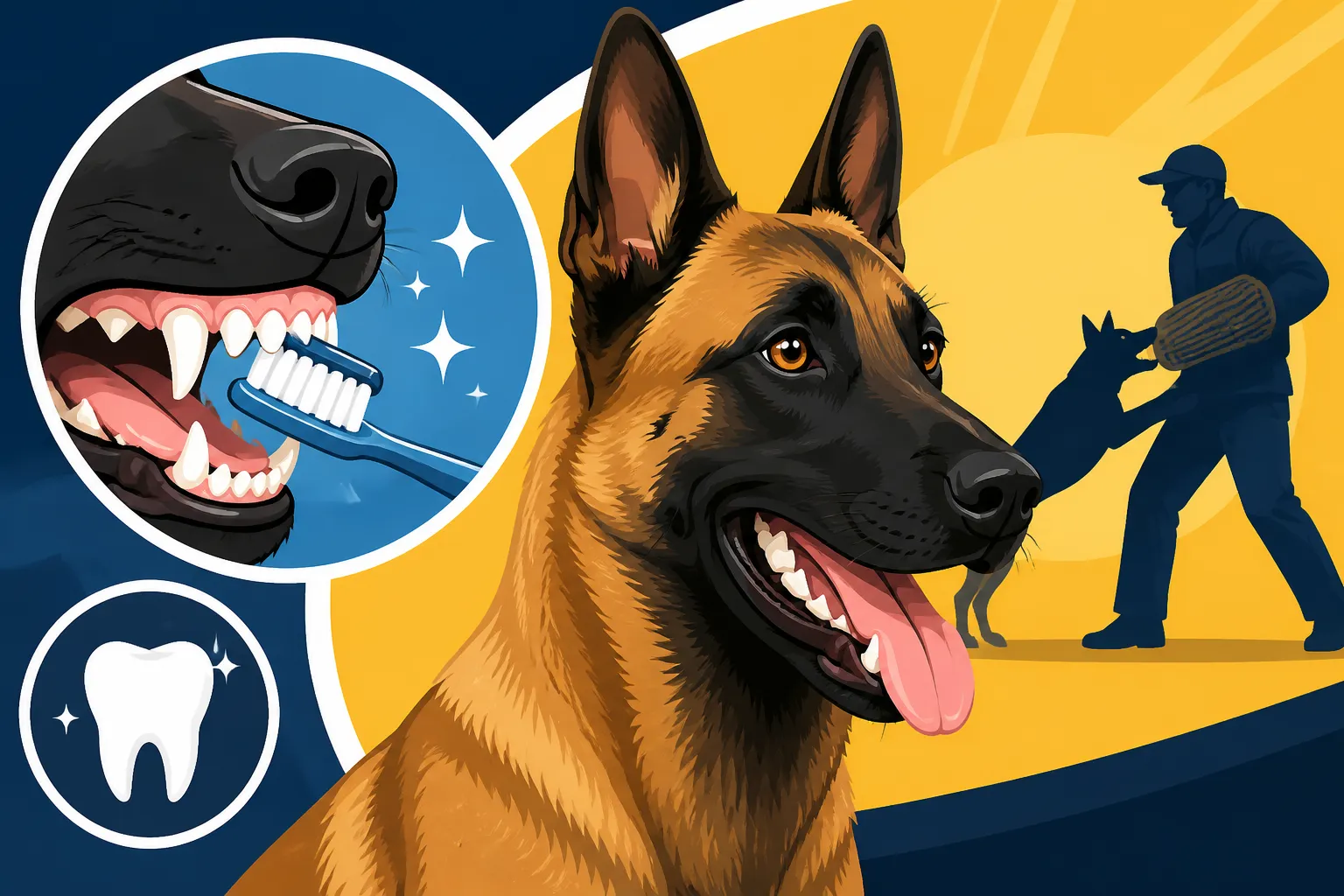
There's no getting around it: daily tooth brushing is the single most effective way to prevent plaque and tartar buildup. I know, I know, the thought of wrestling a high-drive Malinois to brush its teeth sounds like a nightmare to some. But with patience, positive reinforcement, and starting early, it’s absolutely achievable. Begin with just getting your Malinois used to having its mouth handled, then introduce a finger brush with a tiny bit of dog-specific toothpaste (never human toothpaste!). Gradually progress to a regular pet toothbrush as they become more comfortable. Focus on the outside surfaces of the teeth, especially the canines and molars, as these are most prone to plaque.
Consistency is key here. Make it a calm, predictable part of your routine, maybe after their last training session of the day when they’re settling down, or right before bed. Keep it short and positive, ending with praise and a small, desirable reward. Even just a minute or two of brushing can make a massive difference over their lifetime. It physically removes the sticky plaque before it has a chance to harden into tartar, which can only be removed by a professional dental cleaning under anesthesia. Daily Tooth Brushing for a Malinois That Bites is a skill you absolutely must master as a handler.
Advanced Oral Care Products and Additives
While brushing is king, other products can complement your efforts. Dental wipes are great for a quick clean or for dogs who are resistant to brushing, though they aren’t as thorough. Oral rinses or sprays containing antiseptic agents can help reduce bacteria in the mouth and freshen breath. These can be particularly useful on days when a full brush isn't feasible, or as an extra layer of protection. Many popular brands offer these, and you can often find them on platforms like Amazon or Chewy.
Another option is water additives. These tasteless solutions are simply added to your Malinois’s drinking water and work by releasing enzymes or other compounds that help break down plaque and tartar as the dog drinks throughout the day. While they won’t replace brushing, they can contribute to overall oral hygiene, especially for the back teeth that might be harder to reach with a brush. Always look for products specifically formulated for dogs and approved by veterinary dental organizations to ensure safety and efficacy. Remember, these are aids, not replacements for mechanical cleaning.
Regular At-Home Mouth Inspections
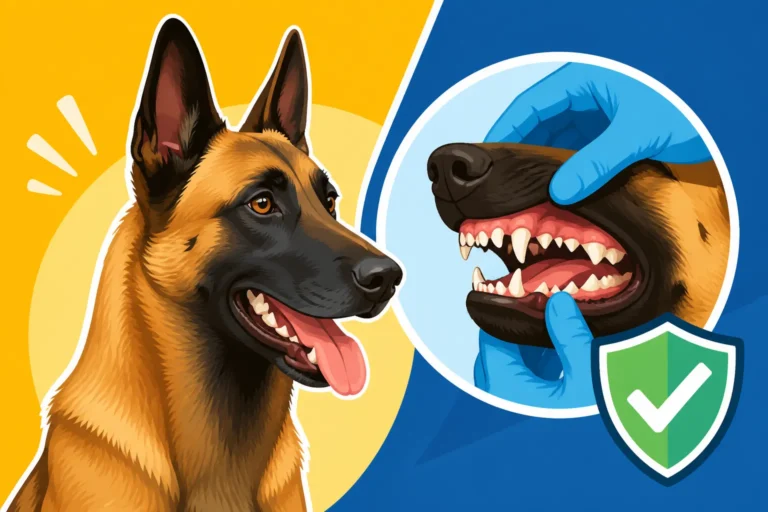
Beyond brushing, you should get into the habit of regularly inspecting your Malinois’s mouth. This isn't just about spotting problems; it's about familiarity. Knowing what a healthy mouth looks and smells like will help you quickly identify any changes. Get your dog comfortable with you lifting their lips, opening their jaw, and gently examining their gums, tongue, and the surfaces of all their teeth. Do you see any redness or swelling along the gum line? Are there any broken, chipped, or discolored teeth? Does their breath have an unusually foul odor?
Pay close attention to the canines and the large premolars and molars in the back of the mouth, as these are the ones most heavily used in bite work. Look for any signs of wear, particularly on the chewing surfaces. Check for any growths, bumps, or sores on the gums or tongue. Even subtle changes can be indicators of underlying issues that need veterinary attention. The sooner you catch a problem, the easier and less invasive the treatment often is. A quick peek after a training session can reveal a Chipped Canines on a Malinois From Sleeve Work before it becomes an infected abscess.
Recognizing and Addressing Dental Injuries from Bite Work
Despite your best preventative efforts, accidents happen. The nature of bite sports means that dental injuries are an unfortunate but very real risk for a Malinois. Knowing how to spot these injuries and what to do when they occur is critical for your dog’s comfort and their ability to continue working.
Chipped, Fractured, and Broken Teeth
This is probably the most common and immediate concern for sport Malinois. A chipped tooth might just be a small, cosmetic flaw, but a fractured or broken tooth can expose the sensitive pulp chamber, leading to intense pain, infection, and eventually a root abscess. You might notice your dog suddenly shaking their head, pawing at their mouth, dropping food, or showing a reluctance to engage with bite equipment. Sometimes, the only sign is a subtle discoloration of the tooth (a purple or grey hue) indicating nerve damage, or a small crack that you only find upon close inspection.
If you suspect a fractured tooth, especially if the pulp is exposed (it might look like a dark spot or a hole in the center of the tooth), it’s a veterinary emergency. Time is of the essence to prevent bacterial invasion and infection. Treatment options range from a vital pulpotomy (if caught very early, saving the tooth), a root canal, or extraction. For very valuable working dogs, a root canal followed by a Titanium Crowns on a Working Malinois's Teeth is often the preferred route to preserve the tooth's structural integrity and function. This is a specialized procedure that will involve a veterinary dental specialist.
Gum and Soft Tissue Trauma
It's not just the hard tooth structure that takes a beating; the soft tissues of the mouth – the gums, tongue, and inner cheeks – can also suffer trauma during bite work. Rough contact with equipment, accidental bites to the tongue or cheek during an intense grip, or even abrasive materials can cause lacerations, bruising, or punctures. You might notice bleeding, swelling, or your dog might be reluctant to open their mouth wide or chew normally.
Most minor cuts and abrasions inside the mouth will heal on their own, given the rich blood supply. However, deeper lacerations, significant bleeding, or any signs of infection (like pus, foul odor, or persistent swelling) warrant a trip to the vet. They may need stitches or antibiotics. Regularly checking your dog's gums for redness, swelling, or bleeding that isn't related to brushing can also flag early signs of gingivitis or periodontitis, which can be exacerbated by tissue trauma. Checking a Belgian Malinois's Canines After Training isn't just about the teeth, but the surrounding gum tissue too.
Jaw Injuries and Luxations
While less common than tooth fractures, jaw injuries are severe and require immediate veterinary attention. The immense force exerted during bite work, especially if there's an awkward land or a sudden twist, can potentially lead to jaw fractures or luxations (dislocations). Symptoms would be very obvious: severe pain, inability to close the mouth properly, drooling, swelling, and refusal to eat or drink. Your Malinois might be visibly distressed and unable to perform any mouth-related activities.
If you ever suspect a jaw injury, handle your dog with extreme caution as they will likely be in significant pain and may even snap. Get them to an emergency veterinarian immediately. Diagnosis typically involves X-rays, and treatment can range from reduction of a luxation (manually putting the jaw back into place) to surgical repair of a fracture, often involving wiring or plating. Recovery can be lengthy and will definitely put a halt to any sport activities for an extended period. These are serious injuries that underscore the raw power these dogs exert with their mouths.
Nutritional Support for Strong Teeth and Gums
Just as with any other aspect of their athletic bodies, a Malinois’s dental health is deeply intertwined with their overall nutrition. What goes into their bowl plays a significant role in the strength of their teeth, the health of their gums, and their ability to resist dental disease. It’s not a magic bullet that replaces brushing, but it’s a crucial supporting player.
Diet's Role in Dental Health
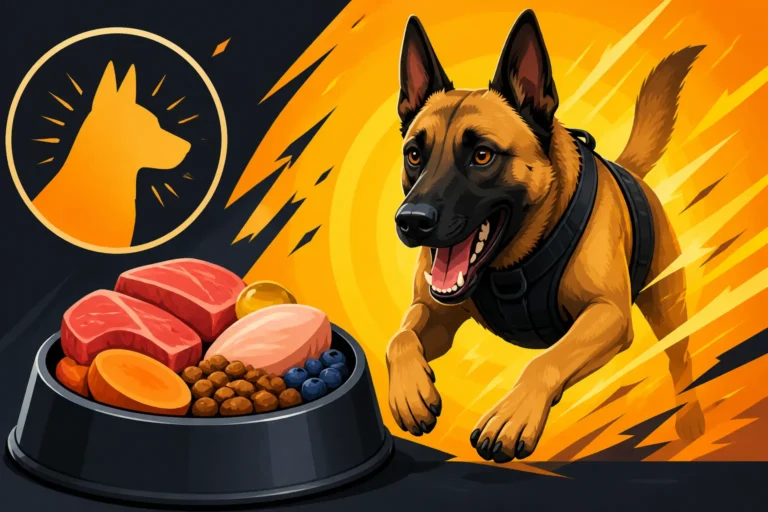
A high-quality, balanced diet provides the essential nutrients for strong bones, including the jaw, and healthy soft tissues like gums. Look for dog foods that list real meat as the first ingredient and contain a balanced profile of vitamins and minerals. Calcium and phosphorus, in the correct ratios, are vital for tooth structure. Vitamin D helps with calcium absorption, while Vitamin C is important for gum health. Many premium kibbles, like those found from Ollie or available on Chewy, are formulated with these considerations in mind. Avoid diets heavy in sugars or unnecessary starches, as these can contribute to plaque formation.
Some owners opt for a raw or fresh food diet, believing it can contribute to better dental health by providing a more natural chewing experience and reducing processed carbohydrates. While there can be benefits, it's crucial to ensure a raw diet is nutritionally complete and balanced, which can be challenging to achieve without expert guidance. For all diets, consider the texture: while dry kibble can offer some abrasive action against plaque, its effectiveness is often overstated. It’s not a substitute for brushing.
Supplements for Oral Integrity
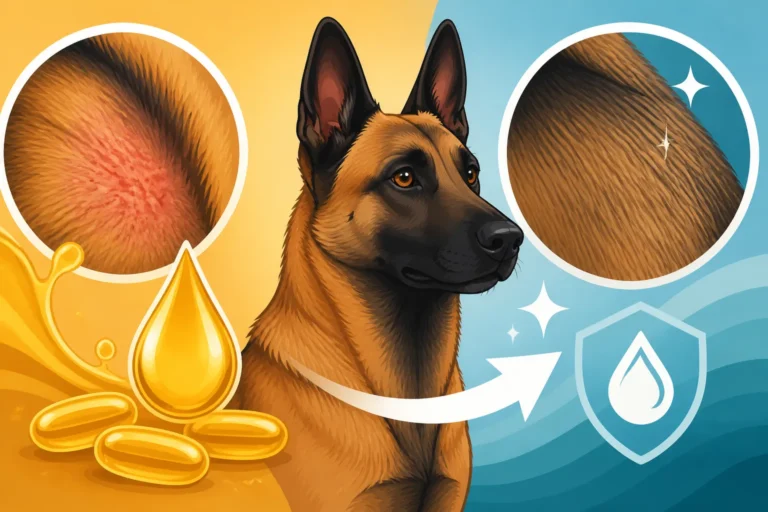
Beyond a balanced diet, certain supplements can offer additional support for oral health. Omega-3 fatty acids, commonly found in fish oil, have anti-inflammatory properties that can benefit gum health and reduce inflammation associated with gingivitis. Glucosamine and chondroitin, often used for joint support, also contribute to the health of connective tissues, including those in the gums. A robust immune system, bolstered by a good diet and potentially probiotics, can also help the body fight off oral infections.
Always discuss any supplements with your veterinarian before adding them to your Malinois’s regimen, especially for working dogs who might have other specific dietary needs or medical conditions. Not all supplements are created equal, and some can interact with medications or cause adverse effects if given improperly. Focus on a whole-food approach first, then consider targeted supplements as directed by your vet or a canine nutritionist. The Protein a Working Malinois Actually Needs should be the primary focus, with dental supplements as a thoughtful addition.
Hydration and Saliva Production
Good hydration is incredibly important for oral health, though it's often overlooked. Saliva plays a crucial role in maintaining a healthy mouth. It helps wash away food particles, neutralizes acids produced by bacteria, and contains enzymes and antibacterial compounds that protect teeth and gums. A well-hydrated dog will produce ample saliva, which acts as a natural cleaning mechanism. Conversely, a dehydrated dog may have a drier mouth, making them more susceptible to plaque buildup and gum issues.
Ensure your Malinois always has access to fresh, clean water, especially before, during, and after training sessions. During intense work, they might be too focused to drink, so offer water breaks. Some dogs are picky about water, so try different bowls (stainless steel, ceramic) or even a doggy drinking fountain to encourage consumption. Keeping them well-hydrated is a simple, yet powerful, way to support their natural oral defenses and contribute to overall well-being.
Professional Dental Care and Specialized Treatments
Even with the most diligent at-home care, a working Malinois will almost certainly require professional dental attention at some point. These interventions are crucial for addressing issues that at-home brushing can't resolve and for catching problems before they become critical. Think of it as specialized maintenance for a high-performance vehicle.
Annual Veterinary Dental Examinations
Just like their annual physicals, your Malinois needs regular dental check-ups, even if you’re brushing daily. Your regular veterinarian can perform an oral exam during routine visits, checking for signs of disease, injuries, or other abnormalities. They’ll look for tartar buildup, gingivitis, loose teeth, fractured teeth, and any suspicious growths. They might also discuss your dog’s diet and chewing habits to identify any potential risks.
For working dogs, these exams are even more vital due to the stress their teeth endure. Early detection of issues like minor cracks or subtle gum inflammation can prevent them from escalating into painful and costly problems. Your vet can recommend a schedule for professional cleanings or refer you to a veterinary dental specialist if they spot something that requires more advanced care. Don't skip these exams; they're your first line of defense against serious oral health issues. Whether a Malinois's Bite Should Be Checked Yearly is a question every sport handler should answer with a resounding "yes."
Anesthesia-Free vs. Anesthetized Cleanings
When tartar builds up, it forms a hard, cemented layer that cannot be removed by brushing alone. This requires a professional dental cleaning. You might hear about "anesthesia-free" dental cleanings. While these might sound appealing because they avoid general anesthesia, they are largely cosmetic and often misleading. Anesthesia-free procedures typically only address the visible surfaces of the teeth and cannot thoroughly clean under the gum line, where periodontal disease truly takes root. They also don't allow for probing of gum pockets, dental X-rays (which are crucial for assessing tooth roots and bone health), or addressing any painful conditions.
For a thorough and effective cleaning, an anesthetized dental procedure performed by a veterinarian is the gold standard. This allows the vet to perform a comprehensive oral exam, scale off tartar above and below the gum line, polish the teeth to smooth the enamel, and conduct full mouth dental X-rays. Crucially, it allows them to identify and address issues like root abscesses, bone loss, or unerupted teeth. While anesthesia always carries a small risk, modern protocols and careful monitoring make it very safe for most healthy dogs. What Scaling a Malinois's Teeth Costs Under Sedation is an investment in their long-term health.
Advanced Procedures: Root Canals and Crowns
When a Malinois fractures a tooth, especially a canine or a major premolar/molar, and the pulp is exposed, advanced procedures may be necessary to save the tooth. A root canal is a procedure where the infected pulp tissue is removed from the root canal system, the canal is cleaned and disinfected, and then filled and sealed. This saves the tooth from extraction and allows it to remain functional. For a working dog, preserving these critical teeth is paramount, as extractions can alter their bite mechanics and potentially impact their ability to perform.
Following a root canal, or for structurally weakened but otherwise healthy teeth, a crown might be recommended. Crowns, often made of titanium or other strong materials, cover the entire tooth, providing protection and reinforcement. This is particularly common for canines that endure significant impact in bite sports. These procedures are performed by board-certified veterinary dentists and are a significant investment, but they can extend the working life and comfort of a high-value Malinois. Whether a Belgian Malinois Needs a Root Canal or a crown depends on the severity and location of the fracture.
Equipment and Chews to Protect Your Malinois's Teeth
Beyond routine care and professional interventions, the tools and toys you provide your Malinois also play a significant role in their dental health. Choosing the right equipment for bite work and selecting safe, beneficial chews can prevent injuries and support strong teeth.
Quality Bite Sleeves and Tugs
The quality and condition of your bite equipment are surprisingly important for dental health. Well-maintained, properly padded bite sleeves and tugs absorb impact and provide a consistent, full grip surface, which is better for your dog's teeth than a worn, uneven, or hard surface. Cheap, poorly made, or degraded equipment can present sharp edges or hard spots that are more likely to cause chips, fractures, or gum trauma. Regularly inspect all your training equipment for wear and tear, and replace items that are no longer suitable.
Furthermore, ensure that the decoy or trainer is presenting the equipment in a way that encourages a full, firm bite rather than a shallow or awkward one. A good bite technique distributes pressure evenly across the teeth and jaw, minimizing stress on individual teeth. While Tugs and Bite Pillows a Malinois Destroys quickly, investing in durable, high-quality gear from reputable manufacturers is an investment in your dog’s dental well-being and longevity in the sport. Don't cut corners on the tools that your Malinois uses to do its job.
Safe Chews for Dental Health and Enrichment
Chewing is a natural and necessary behavior for dogs, and providing appropriate outlets can be beneficial for dental health by scraping away soft plaque. However, not all chews are created equal, and many popular options can be detrimental to a Malinois's teeth. Look for chews that are flexible enough to give slightly when bent but firm enough to provide mechanical abrasion. Veterinary dental associations often recommend the "thumbnail test": if you can't indent it with your thumbnail, it's probably too hard for your dog's teeth.
Good options include certain veterinary dental chews (like those often stocked by vets or found on Chewy or Amazon), raw marrow bones (supervised and for short durations to avoid fracture), and some types of rubber or nylon chew toys designed for heavy chewers. These can help satisfy your Malinois's innate need to chew while providing some plaque removal. Rotate chews to maintain interest and always supervise your dog, especially with new or unfamiliar items, to ensure they aren't trying to break off and swallow large pieces.
Avoiding Risky Chews and Toys
Just as important as choosing safe chews is knowing which ones to avoid. Unfortunately, many popular dog chews pose a significant risk to your Malinois's teeth. Items like real bones (especially cooked bones, which splinter easily), antlers, hooves, nylon bones that are too hard, and ice cubes can be like rocks to your dog's teeth. Biting down on these can easily cause slab fractures, chipped canines, or even tooth avulsions (when a tooth is knocked clean out).
Tennis balls, while seemingly innocuous, can also act like sandpaper on tooth enamel over time due to their abrasive felt covering, particularly if your Malinois is a "ball junkie" and constantly grinding them. Tug-of-war is fine with appropriate, soft tugs, but avoid anything that encourages overly aggressive, uncontrolled lateral movements that could strain the jaw. Educate yourself on what constitutes a safe chew. Whether Bones Crack a Malinois's Working Teeth is a definitive yes, and avoiding them is crucial to preserving your dog's oral health.
| Chew Type | Pros | Cons | Dental Risk (Fracture/Wear) | Recommendation |
|---|---|---|---|---|
| Raw Marrow Bones | Natural, satisfying, some plaque removal | Can be too hard, can fracture teeth, choking hazard | High | Supervised, short sessions; avoid weight-bearing bones |
| Antlers/Hooves | Long-lasting | Extremely hard, very high risk of fracture | Very High | Avoid completely |
| Dental Chews (Vet-Approved) | Designed for dental health, digestible | Can be consumed quickly, some are too soft | Low-Medium | Good supplement to brushing, choose appropriate size/hardness |
| Rubber Chew Toys | Durable, mentally stimulating, flexible | Can be destroyed, some too hard for teeth | Low-Medium | Choose firm but flexible rubber; avoid hard plastic |
| Nylon Bones (Hard) | Long-lasting | Too hard for many dogs, can wear/fracture teeth | High | Use with caution, check for flexibility; avoid overly rigid ones |
| Rawhide (Compressed) | Long-lasting | Digestibility issues, choking hazard | Low-Medium | Supervise closely; choose reputable, digestible brands |
| Ice Cubes | Hydrating, refreshing | Too hard, significant fracture risk | Very High | Avoid giving as chew; use frozen treats in soft toys |
Long-Term Dental Health for a Retired Sport Malinois
Even after your Malinois hangs up their harness and retires from the field, their dental health remains a critical aspect of their overall well-being. In fact, as they age, new dental challenges often emerge, and adapting your care routine is essential to ensuring their comfort and quality of life in their golden years.
Adapting Dental Care as They Age
As Malinois get older, their dental needs can change. Years of wear and tear, even with the best care, can take a toll. They may develop more significant tartar buildup, increased gum recession, or have existing dental work (like crowns or fillings) that needs monitoring. Your daily brushing routine may need to become even more diligent, or you might switch to softer brushes if their gums become more sensitive. Older dogs also tend to be more prone to other health issues, and poor oral health can exacerbate these, as oral bacteria can enter the bloodstream and affect organs like the heart and kidneys.
Veterinary dental check-ups become even more important for senior Malinois. Your vet might recommend more frequent cleanings, even every six to twelve months, to manage tartar and monitor for age-related dental diseases. Anesthesia protocols for older dogs are often tailored to their specific health status, with more extensive pre-anesthetic bloodwork and closer monitoring during the procedure. Don't assume an old dog can't undergo dental work; often, addressing painful dental issues can significantly improve their quality of life. Caring for a Belgian Malinois After Ten truly involves a holistic approach, with dental care being a cornerstone.
Recognizing Age-Related Oral Diseases
Senior Malinois are more susceptible to certain oral conditions that may not have been present in their prime working years. Periodontal disease, the progressive destruction of the tissues supporting the teeth, often worsens with age. It can lead to loose teeth, painful abscesses, and chronic infection. Oral tumors, both benign and malignant, are also more common in older dogs. These can appear as lumps or bumps on the gums, tongue, or inside the cheeks. Any new growth in the mouth should be examined by a vet immediately, as early detection is key for successful treatment of cancerous lesions.
Other issues like tooth resorption, where the tooth structure breaks down, can also occur, causing significant pain. This is often an insidious process, difficult to detect without dental X-rays. Additionally, some older Malinois may develop dry mouth (xerostomia), which reduces the protective effect of saliva and increases the risk of tooth decay and gum disease. Being vigilant for changes in eating habits, bad breath, or pawing at the mouth can help you catch these age-related problems early.
Maintaining Oral Comfort in Senior Years
The goal for an older Malinois is to ensure they remain comfortable and can eat without pain. Untreated dental disease can severely impact a senior dog's appetite, leading to weight loss and a decline in overall health. If your older Malinois is reluctant to eat hard kibble, consider switching to softened food, a wet diet, or even fresh food options that are easier to chew. Many senior dogs thrive on food from brands like Ollie, which often come in softer, more palatable forms.
Pain management for chronic dental issues can also be a consideration. Your vet might prescribe pain relief or anti-inflammatory medications to improve their comfort while you work towards definitive dental treatment. Ensuring their mouth is healthy and pain-free will allow them to enjoy their meals, engage in gentle chewing, and simply live out their retirement years with dignity and comfort. Their working life might be behind them, but their need for a healthy mouth certainly isn't.
Disclaimer
This article is for general informational purposes only and does not constitute professional advice. Laws, prices and regulations vary by location and change over time. Consult a qualified professional for guidance on your specific situation.