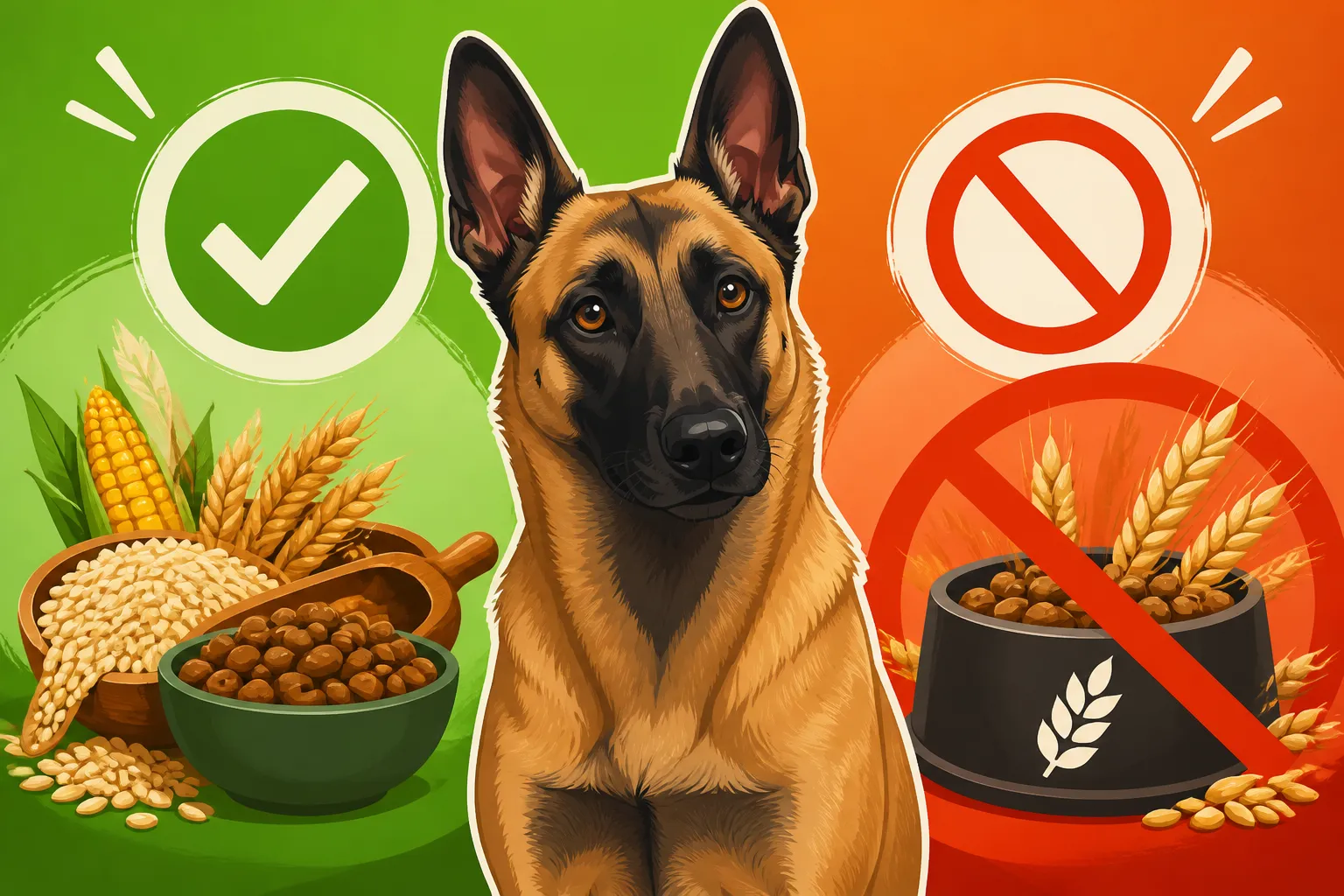
Whether a Belgian Malinois Needs Grain
One of the biggest diet debates raging in the dog world today, especially for those of us with high-drive breeds like the Belgian Malinois, revolves around grains. You’ve probably seen the marketing, heard the whispers, and maybe even worried if you’re doing your best for your working partner by feeding them a diet that includes or excludes grains. This confusion is real, and it’s frustrating when you just want to know what’s right. Let’s cut through the noise and explore whether a Belgian Malinois truly needs grain in their diet.
The Grain-Free Trend: Where Did It Come From and What Happened?
For years, many dog owners, myself included, were led to believe that grains were essentially "fillers" in dog food, something cheap that provided little nutritional value and might even be harmful. It was a pervasive message, often tied to the idea that dogs are descended from wolves and wolves don't eat grain in the wild. This narrative, while seemingly logical on the surface, spiraled into a massive trend that encouraged a widespread shift to grain-free diets.
The appeal was undeniable. We all want the best for our dogs, and if removing something perceived as unnatural or problematic could lead to better health, who wouldn't jump on board? Pet food companies, responding to consumer demand, flooded the market with grain-free options. Owners with dogs experiencing allergies or digestive upset, often without clear veterinary diagnosis, would switch to grain-free in hopes of finding relief. It felt like a healthier, more "ancestral" way to feed our canine companions. Unfortunately, this well-intentioned movement eventually ran into some serious, unforeseen complications that left many of us scratching our heads and worrying about the long-term health of our beloved Malinois.
The Initial Appeal of Grain-Free Diets
The initial push for grain-free dog food was fueled by several compelling ideas. Firstly, there was the "ancestral diet" argument. The idea was that since wolves, the ancestors of domestic dogs, are carnivores, their diet wouldn't naturally include grains. Therefore, a modern dog's diet shouldn't either. This resonated deeply with many owners who wanted to feed their dogs as naturally as possible. Secondly, grains were often blamed for food allergies and sensitivities. While true grain allergies exist, they are actually far less common than allergies to protein sources like chicken or beef. However, the perception that grains were a common allergen led many to believe that cutting them out was a preventive measure or a solution to unexplained itching or gastrointestinal issues.
Many companies, including well-known brands available on platforms like Chewy, started marketing their grain-free formulas heavily, emphasizing ingredients like peas, lentils, and potatoes as healthy, carbohydrate-rich alternatives to corn, wheat, and soy. For a Malinois owner already navigating the challenges of Food Sensitivities in a Belgian Malinois, it felt like a straightforward path to potentially alleviate some of those issues. We were trying our best to be proactive, to prevent problems, and the grain-free movement offered a seemingly simple, healthier choice.
The Link to Dilated Cardiomyopathy (DCM)
Then, the alarms started sounding. Veterinary cardiologists began noticing an alarming rise in cases of Dilated Cardiomyopathy (DCM) in breeds not typically predisposed to the condition, including some surprising breeds like Golden Retrievers and, yes, even high-energy working dogs that weren't usually affected by diet-related cardiac issues. DCM is a serious heart condition where the heart's chambers enlarge and its walls thin, leading to a reduced ability to pump blood effectively. It’s a devastating diagnosis for any dog, let alone a powerful, athletic Malinois who relies on a strong heart for their demanding lifestyle.
What was the connection? Research pointed towards "boutique" pet foods, exotic ingredients, and, most notably, grain-free diets. The key factor appeared to be a deficiency in taurine, an amino acid crucial for heart health, or other nutritional imbalances caused by the reliance on certain legume and potato-based ingredients as primary carbohydrate sources instead of traditional grains. These alternative ingredients, while not inherently bad, were used in formulations that didn't always provide the full spectrum of necessary nutrients, or they interfered with taurine absorption or synthesis. Suddenly, a diet chosen with the best intentions for health was potentially putting dogs at severe risk. This shift highlighted the critical importance of proper nutritional balance and veterinary oversight when making significant dietary choices, especially for a dog with the intense metabolic demands of a Belgian Malinois.
Understanding Grains in Your Malinois's Diet
With the grain-free controversy bringing much-needed scrutiny to pet food ingredients, it's a great time to re-evaluate what grains actually bring to the table for our Malinois. For years, they were demonized, but the truth is, many grains are far from "fillers." They offer important nutritional components that can contribute positively to a working dog's health and energy levels. It’s about understanding their role and selecting quality options, rather than dismissing an entire food group.
Your Malinois is a powerhouse, a canine athlete, and their body needs a consistent, reliable source of fuel. Whole grains, when properly formulated into a balanced diet, can be an excellent part of that fuel supply.
Nutritional Benefits of Whole Grains
Whole grains, such as oats, brown rice, barley, and quinoa, are nutritional powerhouses. They're not just "empty carbs" as some marketing campaigns might have you believe. In fact, they provide a wealth of essential nutrients that support a Belgian Malinois's incredibly active metabolism. For starters, they are an excellent source of complex carbohydrates, which means sustained energy release. Unlike simple sugars that provide a quick spike and crash, complex carbs break down slowly, offering a steady supply of glucose to fuel those long training sessions, demanding protection work, or even just keeping up with their daily drive. You can imagine how crucial this is for a dog whose default setting is "go."
Beyond energy, whole grains are rich in dietary fiber. Fiber is vital for digestive health, helping to regulate bowel movements, maintain a healthy gut microbiome, and promote satiety. A healthy gut is crucial for nutrient absorption, which directly impacts your Malinois's overall health and ability to utilize The Daily Ration a Working Belgian Malinois Eats. Many grains also offer essential B vitamins, which play a critical role in energy metabolism, nerve function, and red blood cell production. These micronutrients are absolutely non-negotiable for a dog that burns through energy like a small furnace. Furthermore, some grains contain minerals like magnesium, iron, and selenium, which contribute to everything from bone health to immune function. So, rather than seeing them as problematic, it's more accurate to view good quality, appropriate grains as a valuable part of a balanced diet.
Digestibility and Energy for an Active Malinois
One of the most important aspects to consider for a Belgian Malinois is digestibility. These dogs aren't just active; they are intensely active. Their bodies are constantly burning calories, rebuilding muscle, and maintaining peak physical condition. The food we provide needs to be easily digestible so their systems can efficiently extract nutrients and convert them into usable energy without causing gastrointestinal upset.
Many common grains, when properly processed and cooked in dog food, are highly digestible for dogs. Brown rice, for example, is often recommended for dogs with sensitive stomachs precisely because it's a gentle and effective source of carbohydrates. Oats are another easily digestible grain that can provide sustained energy. This efficiency is paramount for a Malinois. If their body is struggling to break down and absorb nutrients, it detracts from their overall performance, recovery, and even their temperament. A dog that is constantly experiencing digestive issues isn't going to have the focus or stamina needed for bite work, tracking, or intense obedience. Companies like Ollie, known for their fresh food options, often incorporate easily digestible grains into their balanced recipes, understanding the need for efficient nutrient delivery in active dogs. For a Malinois that is Feeding a Malinois That Is Never Not in Drive, ensuring their energy comes from readily available, stable sources like quality grains is often a smart move to keep them performing at their best.
When Might Grains Be an Issue? (And What to Do)
While grains are generally beneficial and safe for most dogs, it's also true that no single food group is perfect for every single dog. Just like humans, some dogs can have sensitivities or genuine allergies to specific ingredients. The key, however, is not to generalize and eliminate an entire class of food without a clear reason. Blanket exclusions can lead to nutrient deficiencies or simply mask the real problem.
For a discerning Belgian Malinois owner, the goal is always precision. If your Malinois is showing signs of discomfort, it’s critical to investigate systematically rather than guessing. Understanding the difference between a real issue and a perceived one is vital for their long-term health and performance.
Identifying a True Grain Allergy or Sensitivity
Let's get one thing straight: true grain allergies in dogs are actually quite rare. When a dog has a food allergy, it's overwhelmingly more likely to be to a protein source like beef, chicken, dairy, or lamb, rather than to a grain like corn or wheat. However, grain sensitivities can occur, leading to digestive upset or skin issues. So, how do you know if your Malinois is truly reacting to a grain, or if something else entirely is at play?
Symptoms of a food allergy or sensitivity, regardless of the culprit, often manifest as persistent itching (especially around the ears, paws, and rear), chronic ear infections, skin rashes, hair loss, or gastrointestinal signs like vomiting, diarrhea, or soft stools. If your Malinois is showing any of these signs, it's tempting to immediately point the finger at grains because of all the past hype. However, the only reliable way to diagnose a food allergy is through a strict elimination diet, performed under veterinary guidance. This involves feeding a novel protein and carbohydrate source (ingredients your dog has never eaten before) for several weeks, then systematically reintroducing ingredients to pinpoint the trigger. Don't fall into the trap of simply switching to another random grain-free food you find on Amazon, as it might contain other common allergens or ingredients that could still cause issues. Remember, a grain allergy is distinct from vaccine reactions or environmental allergies; it's all about what they eat.
Working with Your Vet on Dietary Changes
This is perhaps the most crucial advice for any Malinois owner considering dietary changes: involve your veterinarian from the very beginning. Far too many owners embark on self-diagnosed elimination diets or make drastic food switches based on online research or anecdotal evidence. While well-intentioned, this can often lead to further nutritional imbalances, missed diagnoses, or prolonged discomfort for your dog. Your vet has the expertise to rule out other causes for your dog's symptoms, such as parasites, environmental allergies, or underlying medical conditions, before jumping to a food allergy conclusion.
If a food allergy or sensitivity is suspected, your vet will guide you through the proper protocol for an elimination diet. This isn't just about picking a "grain-free" bag off the shelf. It often involves prescription hydrolyzed protein diets, which break down proteins into such small molecules that the immune system doesn't recognize them as allergens, or carefully selected novel protein diets. They can also advise on proper reintroduction phases and help monitor your Malinois for improvements or recurrences of symptoms. For a high-performance dog like a Malinois, maintaining optimal nutrition is non-negotiable, and any significant dietary shift without professional oversight can have detrimental effects on their The Lean Condition a Belgian Malinois Should Carry, energy levels, and overall health. They can also help you understand how to navigate the current information regarding DCM and grain-free foods, ensuring your choices are safe and informed.
Choosing the Right Food for Your Belgian Malinois
Deciding on the perfect diet for a Belgian Malinois is a decision that weighs heavily on every owner. These dogs are not just pets; they are canine athletes, often with jobs, whether that's sport, protection, or intense daily mental and physical exercise. Their nutritional needs are incredibly specific, and making the right choice impacts everything from their energy levels and coat health to their stamina and longevity. Forget the fads and the catchy marketing slogans for a moment, and focus on fundamental nutritional principles that truly support their demanding lifestyle.
It’s easy to get lost in the sea of choices on pet store shelves or online. You want to make an informed decision that will keep your Malinois healthy and thriving for years to come. By understanding what constitutes a truly good dog food and how to balance it with their active life, you’ll be much better equipped to select a diet that matches their unique requirements.
What to Look for in a Quality Malinois Food
When you're scrutinizing dog food labels for your Belgian Malinois, start by looking for a few key indicators of quality and suitability. First and foremost, check the AAFCO (Association of American Feed Control Officials) statement. This isn't just jargon; it’s a crucial certification that indicates the food is nutritionally complete and balanced for a specific life stage (e.g., "for all life stages" or "for adult maintenance"). This means it contains all the essential nutrients your Malinois needs in the correct proportions, preventing deficiencies or excesses. If a food doesn't have an AAFCO statement, steer clear.
Next, focus on the ingredient list. The first few ingredients should be high-quality, named animal protein sources (e.g., "chicken meal," "lamb," "salmon"). Avoid vague terms like "meat meal" or "poultry byproduct." Carbohydrates, including grains, are important fuel sources, especially for active dogs. Look for digestible whole grains like brown rice, oats, barley, or even corn (which, despite its bad rap, is a perfectly fine and digestible grain for most dogs). Ensure the fat content is appropriate for a high-energy dog, as fat is a concentrated energy source. A working Malinois often thrives on formulas with higher protein and fat levels compared to a sedentary pet. Pay attention to the types of fats – look for sources of omega-3 and omega-6 fatty acids for skin, coat, and overall health, such as fish oil or flaxseed.
Here’s a quick overview of common grain types and their benefits:
| Grain Type | Primary Benefits | Ideal For | Considerations |
|---|---|---|---|
| Brown Rice | Easy to digest, good fiber, B vitamins, steady energy | Sensitive stomachs, sustained energy for active dogs | Can be higher in carbs, ensure balanced with protein and fat |
| Oats | Excellent source of soluble fiber, B vitamins, iron | Digestive health, calming properties, easily digestible | Can be a good option for dogs needing gentle fiber or those with mild GI upset |
| Barley | High in fiber, good for blood sugar regulation | Weight management (due to fiber), sustained energy | Contains gluten, which some dogs might be sensitive to (though rare as an allergen) |
| Corn | Good source of energy, fiber, antioxidants | Cost-effective energy, widely available | Often misunderstood as a "filler," but nutritionally valuable for most dogs |
| Quinoa | Complete protein, good fiber, essential amino acids | Dogs needing alternative grains, adds protein diversity | Higher cost, ensure it's a balanced part of the overall formula |
Remember, the best food for your Malinois might not be the trendiest or most expensive option; it’s the one that provides complete, balanced nutrition, is highly digestible, and keeps them in peak condition. Always check for quality control and reputable manufacturing practices from the brand.
Balancing Diet and Performance
For a Belgian Malinois, diet isn't just about sustenance; it's a critical component of their performance. Whether they are training for What Bite Sport Actually Asks of a Belgian Malinois, competing in agility, doing detection work, or simply being your highly active companion, their food intake directly impacts their physical and mental capabilities. You wouldn't expect a top athlete to perform on an inconsistent or inadequate diet, and the same applies to your Malinois.
A properly balanced diet, which often includes quality grains, provides the consistent energy needed to fuel their intense workouts and maintain focus. The complex carbohydrates in grains release glucose steadily, preventing energy crashes that can affect training sessions or trials. Adequate protein supports muscle repair and growth, essential for a dog that uses its body so powerfully. The Protein a Working Malinois Actually Needs is often higher than that of a less active dog. Healthy fats provide concentrated energy and support joint health, which is vital for a breed prone to high-impact activities. Don't forget the importance of proper meal timing around their demanding schedule. Feeding a Belgian Malinois Around Training Sessions can make a huge difference in their ability to perform optimally without digestive upset.
Monitoring your Malinois’s body condition is also essential. They should be lean, with ribs easily felt but not visibly prominent, and a distinct waistline. If you notice changes in their energy, coat quality, stool consistency, or body weight, it’s a sign that their diet might need adjustment. This is where regular veterinary check-ups are invaluable, as they can help you assess their overall health and make informed decisions about their nutritional plan. Brands like Purina Pro Plan Sport and Eukanuba often formulate diets specifically for highly active dogs, incorporating a balance of proteins, fats, and digestible carbohydrates, including grains, to meet these elevated energy requirements. Ultimately, the best diet is one that reliably supports your Malinois's vibrant health and relentless drive, allowing them to excel in whatever "job" they have.
Disclaimer
This article is for general informational purposes only and does not constitute professional advice. Laws, prices and regulations vary by location and change over time. Consult a qualified professional for guidance on your specific situation.