Whether a Malinois Ever Needs Its Glands Done
It's a common, often whispered, question among Belgian Malinois owners: "Do their anal glands actually need expressing, or is that just for other breeds?" Many of us face the confusing dilemma of a dog that seems uncomfortable, yet we've also heard that routine gland expression can cause more harm than good. This guide is here to cut through the confusion and give you a realistic understanding of anal gland health in your highly driven, athletic Malinois.
Understanding Your Malinois's Anal Glands
First things first, let's demystify what anal glands are and their natural function. It's a topic that might make some people squirm, but it's a completely normal part of canine anatomy and essential for understanding your Malinois's health.
What Are Anal Glands and Their Purpose?
Nestled just inside your dog's anus, at about the "4 and 8 o'clock" positions, are two small sacs known as anal glands (or anal sacs). These aren't just decorative; they each have a duct that opens to the outside, allowing them to release a potent, often fishy-smelling fluid. This fluid is essentially a scent marker, unique to each individual dog, much like a human fingerprint. In the wild, dogs use this scent to mark territory and communicate with other canines, depositing a tiny bit of this fluid with each bowel movement. The pressure of passing firm stool is usually enough to naturally express these glands, emptying them out. It’s a beautifully designed system where everything should work in harmony without any human intervention. For most dogs, including a healthy Malinois with a consistent diet and good stool quality, this natural process occurs seamlessly in the background, without you ever having to think about it.
Why Malinois Might Seem Different
Now, you might be wondering why, if it's so natural, it even becomes a topic of discussion for our Mals. Belgian Malinois are a breed known for their incredible drive, athleticism, and often, a higher metabolism. They tend to be lean, with very little excess fat, and their digestive systems are usually quite efficient. However, this high-octane lifestyle can sometimes come with its own set of nuances. For example, some Mals can be prone to stress-related digestive issues, which might manifest as softer stools. If a Malinois isn't consistently producing firm, bulky stools, those anal glands might not get the natural pressure they need to empty. A Malinois under pressure, perhaps during an intense training phase or trial, might experience Soft Stools in a Malinois Under Training Stress or even Diarrhea in a Stressed Belgian Malinois, both of which reduce the likelihood of natural expression. This isn't unique to Mals, but their sensitive, high-strung nature can make them more susceptible to these kinds of minor disruptions that can snowball into gland issues.
Signs Your Malinois Might Need Help with Glands
When the natural process isn't happening, your Malinois won't be able to tell you directly, but they will show you through their behavior and some tell-tale physical cues. It’s important to pay close attention, as early detection can prevent more serious complications.
Behavioral Indicators of Discomfort
One of the most classic, albeit gross, signs is "scooting." This is when your Malinois drags its rear end across the carpet, grass, or any surface it can find. While sometimes mistaken for an itch, it’s often a desperate attempt to relieve the pressure or irritation of full or impacted anal glands. Beyond scooting, you might notice your Malinois constantly licking or biting at the area under its tail. This isn't just a casual groom; it's an obsessive, focused attempt to alleviate discomfort. They might sit down suddenly and unexpectedly, or seem restless, shifting their weight, especially after getting up from a nap. Some dogs will even snap or growl if you attempt to touch their hindquarters, which for an otherwise tolerant Malinois, is a huge red flag. Keep an eye out for changes in their normal, energetic demeanor. If your typically vibrant Malinois seems a little "off," less enthusiastic for work or play, and these other signs are present, it’s time to investigate further.
Physical Signs to Look For
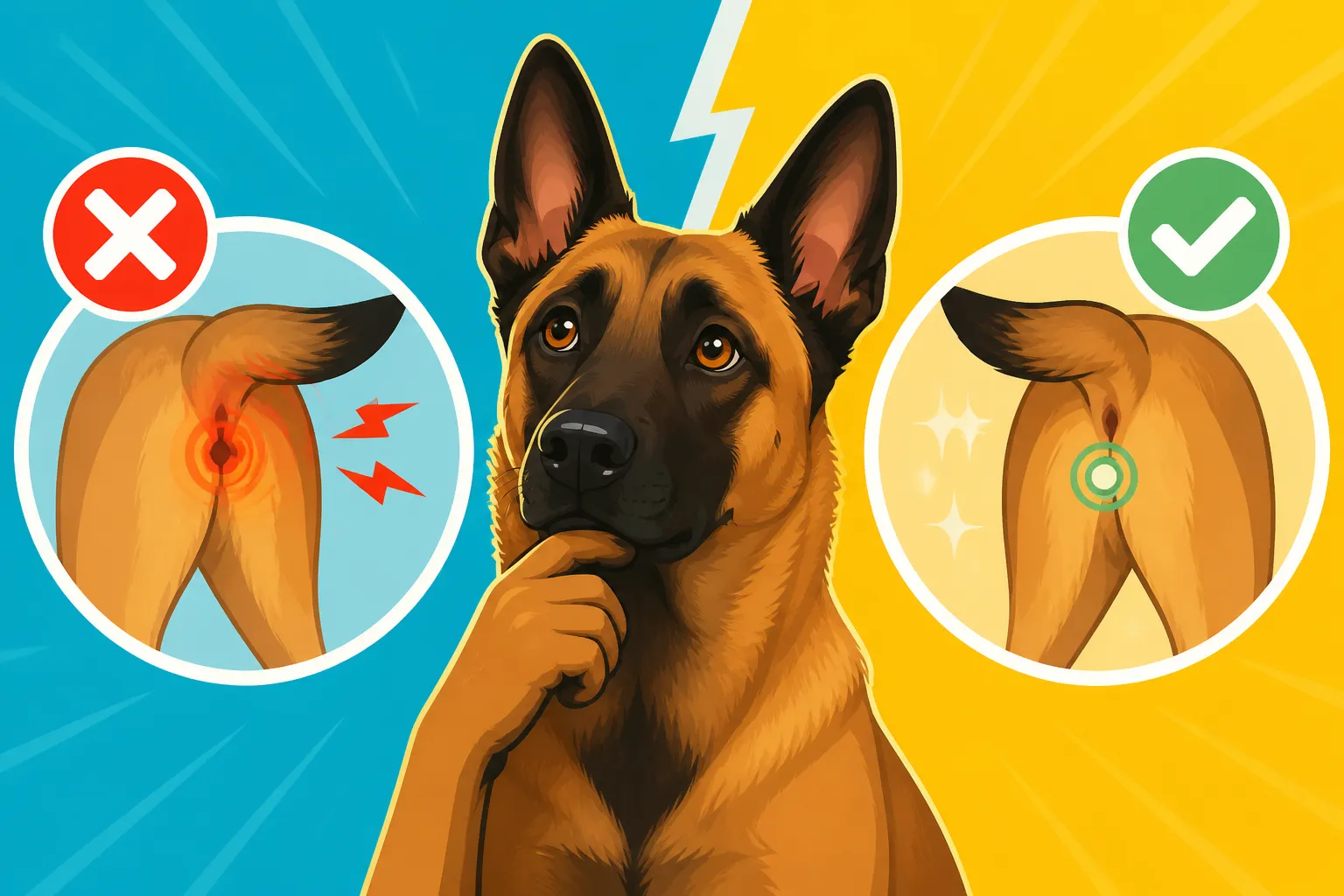
Beyond the behavioral changes, there are also physical indicators that something isn't right with your Malinois's anal glands. Swelling around the anus is a definite sign of trouble. The area might appear red, inflamed, or even bruised. Sometimes, you'll notice a foul, fishy odor emanating from their rear end, even when they haven't just had a bowel movement. This smell is the distinctive anal gland fluid, which might be leaking out if the glands are overly full or ruptured. In more severe cases, an impacted gland can develop into an abscess, which will be incredibly painful for your dog. An abscess will look like a swollen, often hot, lump next to the anus, and it might even burst, leading to a bloody or pus-filled discharge. This is a veterinary emergency. If you observe any of these physical signs, particularly swelling, redness, or an abnormal discharge, don't delay in seeking professional help.
When to Seek Professional Veterinary Care
It’s crucial to understand that while these are common issues, they are best handled by a professional. Don't attempt to express the glands yourself unless explicitly instructed and trained by your vet, as improper technique can cause more harm than good, potentially leading to rupture or further impaction. If you see any of the behavioral or physical signs mentioned above, especially scooting more than occasionally, persistent licking, or any visible swelling or odor, it's time to make an appointment with your veterinarian. They can accurately assess the situation, express the glands safely if necessary, and rule out any other underlying issues, such as allergies, parasites, or even tumors, that might be mimicking anal gland problems. Your vet can also advise you on preventative measures and discuss if something in your Malinois's routine or diet, like The Daily Ration a Working Belgian Malinois Eats or perhaps Whether a Probiotic Settles a Malinois's Gut, needs adjustment to promote better natural expression.
Proactive Steps for Anal Gland Health in Malinois
The best approach to anal gland health, especially in an active breed like the Belgian Malinois, is always proactive care. By focusing on overall wellness, you can often prevent issues from arising in the first place.
The Role of Diet and Fiber
Diet plays a colossal role in the natural expression of anal glands. The goal is consistently firm, well-formed stools that provide adequate pressure as they pass. Diets lacking in fiber or those that lead to chronic soft stools or diarrhea are often culprits in anal gland issues. Look for high-quality dog foods that list whole grains, vegetables, or other fiber sources prominently. Some owners find that adding a little extra fiber to their Malinois's diet, such as plain canned pumpkin (not pie filling!) or a fiber supplement, can make a significant difference. You might explore different kibble brands or even consider fresh food options. When selecting products, you'll find a wide variety on platforms like Chewy or Amazon, making it easier to compare ingredients and fiber content. For example, some dedicated performance formulas might be excellent for Feeding a Malinois That Is Never Not in Drive, but always ensure they support good digestive health, too. If you're considering a more involved feeding plan, like those offered by services like Ollie, ensure it's balanced and provides the necessary fiber to support firm stools.
Maintaining Ideal Body Condition
Belgian Malinois are meant to be lean, athletic dogs. You should be able to easily feel their ribs without seeing them prominently, and they should have a clear waistline when viewed from above. The Lean Condition a Belgian Malinois Should Carry is not just about aesthetics; it's about optimal health. Overweight dogs, while less common for a Malinois, can have more issues with anal glands because excess fat can hinder the natural compression of the glands during defecation. Conversely, a Malinois that is too thin might also have problems if their stools are consistently small and soft due to insufficient nutrient absorption or underlying health issues. Maintaining that ideal, athletic physique helps ensure that the body’s mechanics, including those crucial for anal gland function, work as they should. Regular veterinary check-ups, part of The Checkup Schedule a Sport Malinois Should Keep, will help you monitor their weight and condition effectively.
Regular Exercise and Hydration
It might seem indirect, but consistent exercise and proper hydration are also key components of good digestive health and, by extension, healthy anal glands. Regular activity helps maintain muscle tone throughout the body, including the abdominal and pelvic muscles involved in defecation. A physically fit Malinois is more likely to have regular, well-formed bowel movements. Furthermore, adequate hydration ensures that stools are not too hard and dry, which can also make natural expression difficult. Always ensure your Malinois has access to fresh, clean water, especially before, during, and after training sessions. Whether it's a long walk, a vigorous game of fetch, or structured training, ensuring your Malinois gets its daily physical demands met contributes to overall gut motility and a healthy digestive tract, lessening the chances of anal gland problems.
When Manual Expression Becomes Necessary (and How to Approach It)
For the vast majority of Malinois, anal glands should be a "set it and forget it" part of their anatomy. However, there are circumstances where manual expression becomes a necessary intervention. It’s crucial to distinguish between routine, unnecessary expression and targeted, needed intervention.
The Dangers of Routine, Unnecessary Expression
Many well-meaning owners are told by groomers or even some vets that anal glands should be expressed on a regular schedule, say monthly or quarterly. For most dogs, this advice is outdated and potentially harmful, and especially for a Belgian Malinois whose glands are usually functioning just fine, it's something to approach with caution. Repeated, unnecessary manual expression can actually stretch the gland ducts, making them less able to express naturally over time. It can also irritate the delicate tissues, leading to inflammation, infection, and chronic problems where none existed before. It creates a dependency that the dog's body simply doesn't need. Think of it like a muscle: if you constantly do its job for it, it will eventually weaken and stop doing it on its own. For a Malinois, whose body is typically a finely tuned machine, disrupting this natural process without good reason is counterproductive.
Professional vs. At-Home Expression
If your Malinois is indeed showing signs of anal gland discomfort, the first step should always be a visit to your veterinarian. They can confirm that the issue is indeed the anal glands and not something else, like a food allergy leading to itching or pain, or even an issue from What a Belgian Malinois Steals Off the Counter if they got into something they shouldn't have. If expression is needed, your vet or a trained veterinary technician will perform it safely and hygienically. They know the correct technique to avoid injury and can assess the contents of the glands (whether they are normal, thickened, or infected). Only after a clear diagnosis and, often, a demonstration from your vet, should you even consider attempting it at home. Even then, many owners prefer to leave this somewhat unpleasant task to the professionals. There are plenty of resources available on platforms like Amazon or Chewy for dog care, but anal gland expression should not be taken lightly as a DIY project without proper guidance.
Long-Term Management and Prevention
Once your Malinois has had an anal gland issue, the focus shifts to preventing recurrence. This often involves a multi-faceted approach. Your vet might recommend a dietary change to increase fiber permanently, or perhaps a specific probiotic supplement to help regulate gut health and stool consistency. Discuss Whether a Probiotic Settles a Malinois's Gut with your vet. For some dogs, ongoing allergies can be a root cause of soft stools and inflammation, so identifying and managing those becomes paramount. You might need to be more diligent about monitoring your Malinois’s stools for consistency and paying closer attention to any early behavioral signs of discomfort. Regular check-ups, even if just for general wellness, are key to catching potential issues before they become emergencies. Remember, a healthy, active Malinois with a balanced diet is far less likely to face chronic anal gland problems.
Disclaimer
This article is for general informational purposes only and does not constitute professional advice. Laws, prices and regulations vary by location and change over time. Consult a qualified professional for guidance on your specific situation.