Whether a Belgian Malinois’s Eyes Need Daily Wiping
As a Belgian Malinois owner, you've probably found yourself staring intently at those bright, alert eyes, wondering if that little bit of gunk in the corner is normal, or if you should be rushing for a wipe. It's a common concern, especially with such a high-drive, active breed that tends to get into everything. This comprehensive guide is here to help you understand when a Belgian Malinois's eyes truly need daily wiping, what kind of discharge is normal, and when that seemingly innocent tear stain could actually be a sign of something more serious. We'll walk through best practices for eye care, so you can keep those intelligent eyes healthy and clear, distinguishing between harmless quirks and genuine concerns.
Understanding Normal Eye Discharge in Your Belgian Malinois
It's natural to be a little obsessive about your Malinois's health, and their eyes are no exception. After all, those keen eyes are essential for their work and their connection with you. The good news is, not every bit of discharge means a trip to the vet or a frantic cleaning session. Just like us, dogs produce a certain amount of ocular discharge, and for many Malinois, a little bit of "sleep" in the corner of their eyes is perfectly normal.
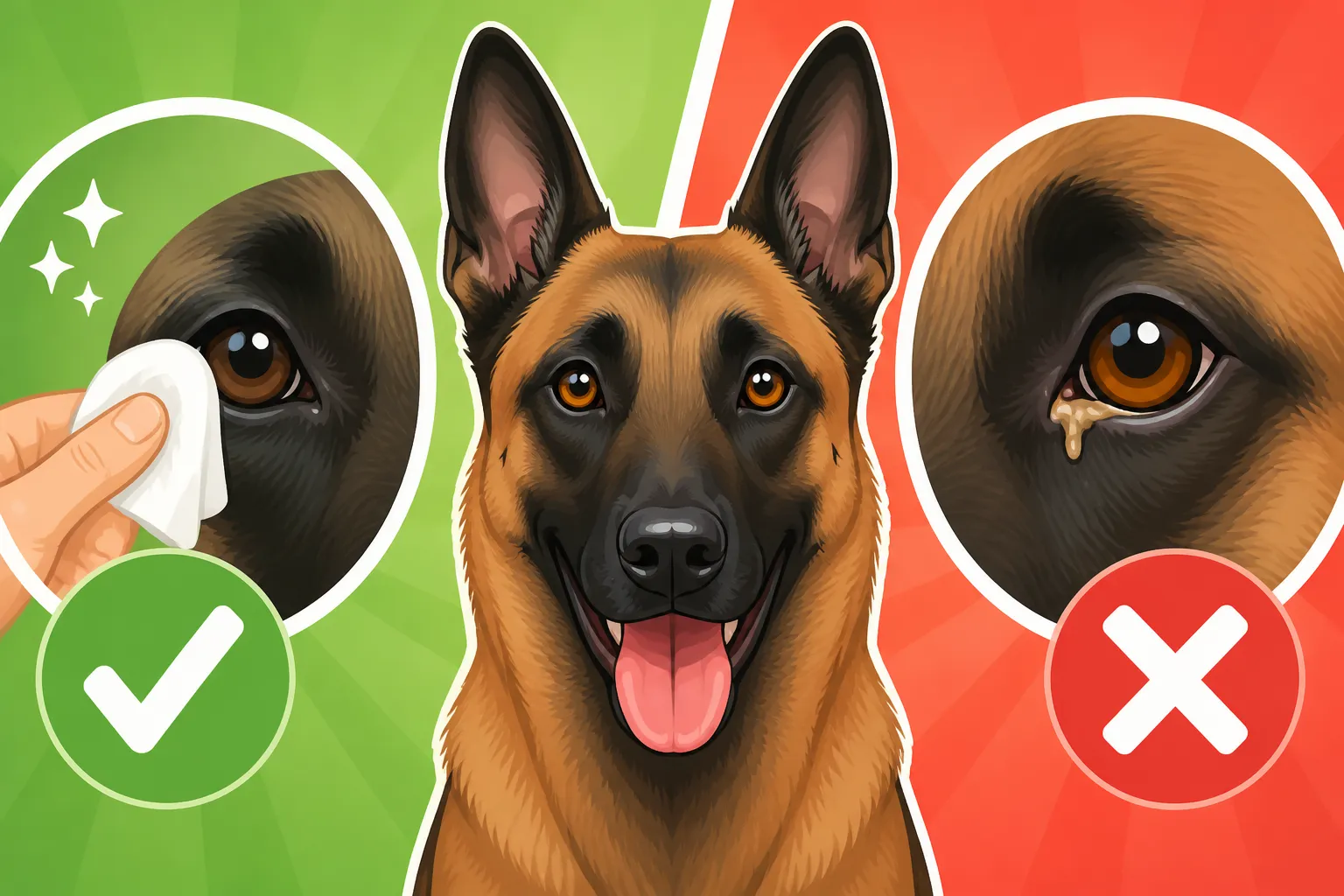
This normal discharge is usually clear or a very light, almost whitish-gray color, and it often has a slightly crusty texture once it dries. You'll typically find it after a long nap or first thing in the morning. Think of it as your dog's natural eye-cleaning mechanism at work, gathering up dust, debris, and dead cells overnight. The tear film that coats their eyes helps to wash away minor irritants, and sometimes these accumulate in the inner corner. If your Malinois is otherwise bright, has no redness, swelling, or excessive blinking, and isn't pawing at their eyes, this kind of minimal, clear discharge is generally nothing to worry about. It’s part of the day-to-day existence of an active dog whose eyes are constantly exposed to the environment, whether they're tracking through a field or just enjoying a brisk walk in the park.
The Role of Tear Production and Drainage
The eye's natural lubrication system is quite intricate. Tears are produced by glands, spread across the eye with each blink, and then drain through tiny ducts located in the inner corner of the eyelids. This constant flow is vital for washing away irritants and keeping the cornea moist and healthy. In a Belgian Malinois, who is often outside in varying conditions, this system works overtime. Dust, pollen, small bits of plant matter from working in brush, or even just dry air can stimulate tear production. When tears are produced in slightly higher amounts, or when drainage is a bit slow (perhaps during sleep), that normal discharge becomes a little more noticeable.
Sometimes, you might observe a slightly brownish or reddish stain beneath the inner corner of your Malinois's eyes, particularly on lighter-colored fawn coats. This isn't usually the discharge itself, but rather a staining caused by porphyrins, which are iron-containing waste products found in tears. When these porphyrins are exposed to light and air, they can oxidize and leave that reddish-brown tint. While it can look unsightly, especially if you're meticulous about your dog's appearance, it's typically a cosmetic issue rather than a health one. However, an increase in tear staining could indicate consistently excessive tearing, which might warrant a closer look to ensure there isn't an underlying irritation driving it. This is why paying attention to the volume and consistency of the discharge is so important.
Factors Influencing Normal Discharge
Several factors can influence the amount and type of normal discharge you see. For instance, a windy day during a training session can dry out the eyes, prompting more tear production to compensate. Similarly, if your Malinois has been digging in the yard, dust particles can easily get into their eyes. Even seasonal allergies, much like in humans, can cause a slight increase in clear, watery discharge as the body tries to flush out allergens. You might notice this more during spring when pollen counts are high, or if they've been working in an area with a lot of dry grass.
The shape of your Malinois's eyes can also play a subtle role. While Malinois generally have well-set, almond-shaped eyes, slight variations can affect tear flow and drainage. Dogs with slightly looser lower eyelids, for example, might collect more debris. Their active lifestyle means they are constantly exposed to more environmental irritants than a sedentary dog, thus their eyes are always working to keep themselves clean. It's truly a testament to their robust nature that they can handle so much environmental exposure without constant issues. Keeping an eye on what's normal for your individual dog is key, as every Malinois is unique, even within the breed's impressive uniformity.
When Your Malinois's Eyes Do Need Wiping and Why
While daily wiping isn't usually necessary for a healthy Malinois with normal discharge, there are definitely times when those eyes need a little extra attention. The decision to wipe should always be based on the nature of the discharge and any accompanying symptoms. Think of it as targeted intervention rather than a routine chore.
When you start seeing discharge that's thick, colored (yellow, green, or even dark gray), or copious, that's your cue. If the discharge is consistently wet, matted in the fur around the eyes, or causing the fur to become irritated or sore, it's definitely time to intervene. This kind of discharge is often sticky and might cause your Malinois to blink excessively or try to rub their face. This isn't just a cosmetic problem; dried, matted discharge can pull on the delicate skin around the eyes, leading to irritation or even secondary skin infections. Nobody wants that for their tough but sensitive Malinois.
Identifying Abnormal Eye Discharge
Distinguishing between normal and abnormal discharge is crucial. Here's a quick guide to help you tell the difference:
| Characteristic | Normal Eye Discharge | Abnormal Eye Discharge |
|---|---|---|
| Color | Clear, whitish-gray | Yellow, green, dark gray, bloody |
| Consistency | Thin, watery, sometimes crusty when dry | Thick, sticky, mucous-like, stringy, bubbly |
| Amount | Minimal, usually after sleep | Excessive, constant, pooling |
| Accompanying Symptoms | None | Redness, swelling, squinting, blinking, pawing, sensitivity to light, dullness of the eye, fever, lethargy |
| Odor | None | Foul or unpleasant smell |
If you notice any of the "Abnormal" characteristics, especially if they persist beyond a day or two, it’s a strong indicator that something is amiss. For instance, a Malinois known for its incredible drive during training might suddenly seem less interested, squinting subtly when the sun hits their face. This change in behavior, coupled with abnormal discharge, should prompt a quick check. Issues like Pannus and the Sunlight That Drives It in Malinois can cause irritation and increased discharge, often exacerbated by strong light. Similarly, if you notice a grayish film creeping across the eye, that's another symptom to take seriously.
Common Causes of Concerning Eye Discharge
There's a whole host of reasons why your Malinois might develop problematic eye discharge. Sometimes it's as simple as an irritant. Imagine your Malinois excitedly tracking through tall weeds; a tiny seed or blade of grass could easily get lodged in their eye, causing irritation and a corresponding increase in tears and mucous. These Corneal Scratches on a Malinois Working Brush are more common than you might think due to their active lifestyle.
Other times, it can point to an infection, either bacterial or viral. Bacterial infections often present with thick, yellowish-green discharge, sometimes accompanied by redness and swelling of the conjunctiva (the pink tissue around the eye). Allergies, as mentioned before, can also manifest as watery eyes, sometimes with slight redness and itchiness. Sometimes, though less common, an autoimmune condition might cause chronic inflammation and discharge.
More serious conditions could include blocked tear ducts, which lead to tears overflowing onto the face and causing irritation, or even structural abnormalities of the eyelids, like entropion (inward rolling) or ectropion (outward rolling), though these are generally less common in Belgian Malinois due to their tight, athletic facial structure. Lastly, if your Malinois is experiencing Tear Production Failing in a Malinois, often due to dry eye (keratoconjunctivitis sicca), the eyes will actually be dry and irritated, leading to thick, stringy, mucous-like discharge as the body tries to compensate with thicker, less effective tears. This is a very painful condition that needs prompt veterinary attention.
The Right Way to Clean and Care for Your Malinois's Eyes
When it's time to clean your Malinois's eyes, whether due to normal morning gunk or something more concerning, doing it gently and correctly is paramount. Their eyes are delicate, and you certainly don't want to cause more irritation or instill a fear of having their face touched. Patience and a calm demeanor are your best tools, alongside the right supplies.
First, gather your materials. You'll need soft, clean cotton balls, gauze pads, or specialized pet eye wipes. Avoid using human baby wipes or anything with harsh chemicals, fragrances, or alcohol, as these can irritate your dog's sensitive eyes. A sterile saline solution, specifically formulated for ophthalmic use in pets, is also a good idea. You can often find these at your local pet store, or order them from reputable online retailers like Chewy or Amazon. Make sure the solution is at room temperature – nobody likes a cold splash in the eye!
Approach your Malinois calmly. If they're a working dog, they might be used to having their face handled, but even the most tolerant Malinois can be sensitive around their eyes. Start by gently cupping their muzzle or resting your hand on their head. Speak in a soothing voice. If you're using a cotton ball or pad, moisten it thoroughly with saline solution. For very crusty discharge, you might need to hold the moist pad over the eye for a few seconds to soften the debris before attempting to wipe.
Step-by-Step Eye Cleaning Process
Here’s a simple, effective method for cleaning your Malinois's eyes:
- Preparation: Wash your hands thoroughly. Gather your clean, soft cotton balls/pads and sterile saline solution. You might also want a small towel nearby for any drips.
- Positioning: Have your Malinois sit or lie down in a comfortable, well-lit area. If they are prone to moving, you may need a second person to gently hold them steady, distracting them with praise or a low-value treat.
- Gentle Approach: With your Malinois's head gently stabilized, use one hand to softly open their eye area if necessary, exposing the inner corner where discharge often accumulates.
- Wipe Outward: Take a fresh, saline-moistened cotton ball or pad for each eye. Starting from the inner corner of the eye, gently wipe outward towards the nose, away from the eye itself. Use a single, smooth stroke. Avoid wiping back and forth, as this can reintroduce debris.
- Remove Crusting: If there's dried, crusty discharge, don't try to pull it off dry. Re-moisten the area with a fresh, wet pad, and allow it to soften for 10-15 seconds. Then, gently try to wipe it away. Be patient. Never rub vigorously.
- Clean Underneath: Sometimes, discharge can collect on the fur just beneath the eye. Use a fresh, moist pad to gently clean this area, always wiping away from the eye itself.
- Positive Reinforcement: Once done, praise your Malinois extensively and offer a high-value treat. This helps them associate eye cleaning with a positive experience, making future sessions much easier.
Remember, always use a separate, fresh wipe for each eye to prevent cross-contamination if one eye happens to have an infection. If you're using Daily Eye Drops for a Malinois With Pannus or any other prescribed medication, administer them after you've cleaned the eyes, ensuring the medication can make full contact with the eye surface without being hindered by discharge.
Preventative Measures for Eye Health
Preventing excessive discharge or irritation is always better than treating it. For a Belgian Malinois, whose life often involves intense activity outdoors, prevention means being proactive. Regularly inspect your dog's eyes as part of your daily routine – a quick glance in the morning and evening is usually sufficient. Look for clarity, brightness, and normal pupil response.
Consider protective gear for certain activities. If your Malinois is doing intense brush work, searching through thick cover, or working in very dusty or windy conditions, Goggles for a Belgian Malinois With Pannus (or even just for general protection) can be a fantastic investment. These can shield their eyes from physical irritants and harsh elements. You can find robust, dog-specific goggles that fit securely from online retailers or specialty pet supply stores.
A healthy diet also contributes to overall eye health. Ensuring your Malinois gets a balanced diet with essential fatty acids, like those found in quality kibble or fresh food options like Ollie, can support healthy skin and tear film production. Good hydration is also crucial; always ensure your Malinois has access to fresh, clean water, especially during and after intense work sessions. Proper hydration supports the entire body, including tear production. Also, make sure to gently wipe away any excess dust or debris from around their eyes Rinsing Dust From a Working Malinois's Eyes after they've been working in a particularly dirty environment. This simple step can prevent minor irritations from escalating.
Recognizing Red Flags and When to Call the Vet
While we've established what's normal and how to handle mild issues, it's absolutely vital to know when to escalate your concerns to a professional. Waiting too long can turn a minor issue into a severe problem, potentially impacting your Malinois's vision and comfort. Your veterinarian is your best partner in maintaining your dog's eye health, and early intervention is always key.
Any sudden change in the appearance of your Malinois's eyes or the nature of their discharge is a red flag. If your Malinois suddenly starts squinting, blinking rapidly, pawing at their face constantly, or seems sensitive to light, don't delay. These are all signs of pain or significant discomfort, which warrant immediate veterinary attention. You know your Malinois best, and if their usually stoic demeanor changes to show signs of distress, it's time to act.
Furthermore, if the discharge is consistently thick, colored (yellow, green, or bloody), or has a foul odor, it strongly suggests an infection. Redness and swelling of the eyelids or the white of the eye (sclera) are also tell-tale signs of inflammation or infection. If you notice a visible foreign body in the eye, or if the eye itself appears cloudy, dull, or has a visible injury, this is an emergency. Even something like Cataracts in an Older Belgian Malinois can develop gradually, but any sudden changes in clarity need to be evaluated.
Signs That Warrant Immediate Veterinary Attention
Don't hesitate to contact your vet if you observe any of the following:
- Colored or thick discharge: Yellow, green, dark grey, or bloody.
- Excessive tearing: So much that the fur around the eye is constantly wet and irritated.
- Redness or swelling: Of the eyelids, conjunctiva, or the eye itself.
- Squinting, blinking, or pawing: Continuous signs of discomfort or pain.
- Sensitivity to light: Your Malinois avoids bright areas or squints in normal light.
- Cloudiness or dullness: The clear part of the eye (cornea) looks hazy or the eye lacks its usual sparkle.
- Visible injury or foreign object: Anything embedded in the eye or a laceration.
- Bulging or sunken eye: Any change in the position of the eyeball.
- Changes in vision: Your Malinois bumps into things or seems disoriented.
- Fever or lethargy: If eye symptoms are accompanied by systemic signs of illness.
Your vet can perform a thorough ophthalmic exam, which might include staining the cornea to check for ulcers, measuring tear production, and examining the internal structures of the eye. They can accurately diagnose conditions ranging from simple conjunctivitis to more complex issues. Remember, your Malinois's overall health, as checked during annual exams including The Bloodwork a Working Malinois Should Have Annually, can sometimes offer clues to underlying issues affecting their eyes. Getting a professional opinion ensures proper diagnosis and treatment.
Understanding Long-Term Eye Conditions
Some Belgian Malinois might be predisposed to certain eye conditions that require ongoing management. For example, some may develop Pannus, which is an immune-mediated condition of the cornea, often requiring lifelong Daily Eye Drops for a Malinois With Pannus and regular veterinary check-ups. This is why understanding The Eye Diseases Behind a Malinois Eye Certificate is so important when considering breeding.
Another example is chronic dry eye, or KCS, which we touched on earlier. This condition requires specific medications to stimulate tear production or replace tears, and can lead to significant discomfort and even blindness if left untreated. These conditions highlight why routine care and prompt veterinary attention for any concerning symptoms are so critical. It's not just about comfort; it's about preserving their vision and quality of life for their entire The Fourteen to Sixteen Years a Belgian Malinois Lives. Keeping those incredible eyes healthy and clear allows your Malinois to continue their work and live their best life, whether they're a top sport dog or a cherished family companion.
Disclaimer
This article is for general informational purposes only and does not constitute professional advice. Laws, prices and regulations vary by location and change over time. Consult a qualified professional for guidance on your specific situation.