Eye Care on a Malinois Prone to Pannus
As a devoted Belgian Malinois owner, few things strike fear into your heart like seeing a change in those intelligent, expressive eyes. The worry that something is wrong, especially with a chronic condition like Pannus, can be overwhelming. This guide is here to walk you through everything you need to know about managing Pannus in your beloved Malinois, from understanding its origins to implementing a daily care routine that safeguards their vision and maintains their quality of life.
Understanding Pannus in Belgian Malinois
When we talk about Pannus, or more formally, Chronic Superficial Keratitis, we’re delving into a condition that hits particularly close to home for many Malinois families. It's a frustrating, often lifelong battle that requires vigilance and consistent care. Essentially, Pannus is an immune-mediated disease where the body mistakenly attacks the cornea (the clear outer layer of the eye) and sometimes the nictitating membrane (third eyelid). This attack leads to inflammation, which in turn causes the growth of abnormal blood vessels, scar tissue, and often, dark pigment spreading across the eye.
It's not just a cosmetic issue; this progressive condition can severely impair vision if left unchecked. Imagine a dark, cloudy film slowly encroaching on your dog's sight, making it harder to navigate, work, or even play fetch. The thought alone is enough to make any Malinois owner's stomach churn.
Why Malinois Are Particularly Susceptible
The Belgian Malinois, along with other shepherd breeds like German Shepherds, seems to carry a genetic predisposition for Pannus. It’s not a definite sentence for every dog, but the likelihood is significantly higher for these breeds. This genetic component means that even with the best care and environment, some Malinois will unfortunately develop the condition. It’s not something you did wrong; it’s part of their genetic lottery. Breeders work hard to screen for many health issues, but Pannus is a complex one, often triggered by environmental factors interacting with that underlying genetic vulnerability.
Beyond genetics, certain environmental factors play a huge role as well. High altitudes, increased exposure to ultraviolet (UV) light, and even irritants like dust or wind can act as catalysts, stirring up the immune system and kick-starting the progression of Pannus. This is why a Malinois living in a sunny, high-altitude region might be at a greater risk than one in a cloudier, lower-elevation environment, even if both carry the genetic predisposition.
The Frustrating Progression of the Disease
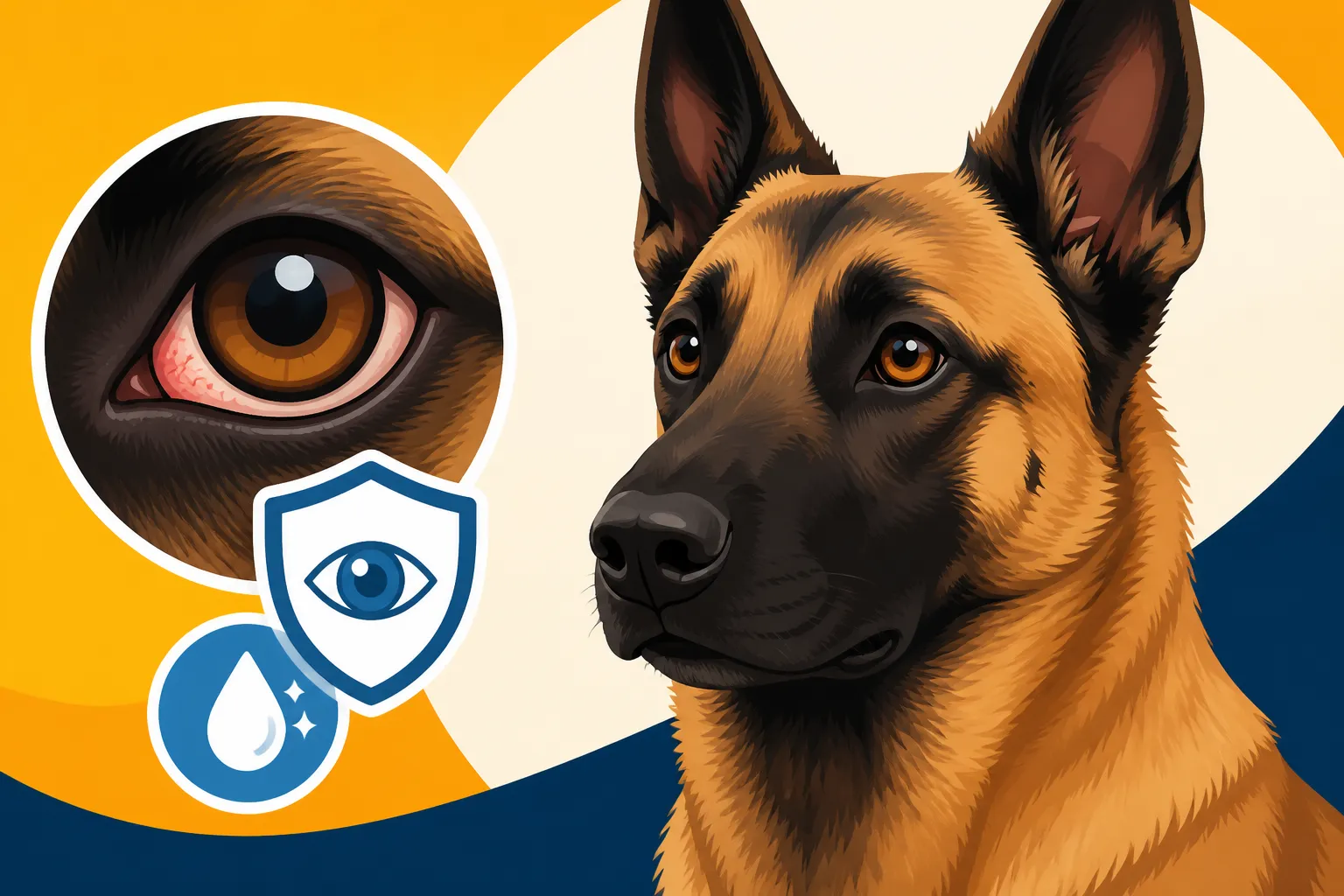
Pannus doesn't typically appear overnight. It's often a slow, insidious creep. You might first notice a faint pinkish hue at the outer edge of the cornea, or a slight haziness that you dismiss as dust. Then, over weeks or months, those subtle changes become more pronounced. The pink turns to red, the haze becomes a cloud, and slowly, a brownish-black pigment starts to spread. This pigmentation acts like a literal shade over the eye, blocking light and reducing vision.
The frustrating part is that it’s usually irreversible without intervention, and even with treatment, it’s a management game, not a cure. Once that pigment lays down, it can be incredibly challenging, if not impossible, to fully resolve. That’s why early detection and consistent, proactive management are absolutely crucial. Without consistent daily care, the condition will continue to worsen, leading to severe vision impairment and discomfort for your dog.
Recognizing the Early Signs of Pannus
Spotting Pannus early can make a world of difference in managing the condition and preserving your Malinois's vision. However, because it often starts subtly, it’s easy to miss the initial indications, especially in a high-energy dog whose eyes are always darting around. Regular, close-up inspection of your dog's eyes should become a routine, much like checking their paws after a run or looking for ticks after a hike.
You are looking for anything that deviates from the clear, bright appearance of a healthy Malinois eye. The clear cornea should be just that: clear. Any cloudiness, redness, or strange growths should raise a red flag. Don't assume it's just allergies or a stray piece of grit; with Malinois, especially given their predisposition, it's always worth a closer look.
What to Look for: Changes in Eye Appearance
The earliest signs of Pannus are often a very faint, almost translucent, pink or reddish tinge appearing, usually starting from the outer (lateral) corner of the cornea and moving inward. This might be accompanied by a slight haziness or a "smoky" appearance. As it progresses, you'll see more prominent blood vessels, making the area look distinctly red and inflamed. Then comes the pigmentation – a brownish-black film that starts to spread from the edge of the cornea. This dark pigment is the real culprit in vision loss.
It's important to check both eyes, as Pannus typically affects both, though one eye might appear worse than the other initially. Compare them carefully in good light. Look for any changes in the third eyelid (nictitating membrane) as well, as it can also become thickened and inflamed. Sometimes, owners describe it as looking like a "meatball" growth on the third eyelid, but this is a less common manifestation compared to corneal involvement.
How Subtle Changes Can Be Missed
In a breed like the Belgian Malinois, known for their intensity and sometimes stoic nature, subtle health issues can easily fly under the radar. A Malinois might not overtly show discomfort until the condition is quite advanced. They are driven dogs, often pushing through discomfort, and their high pain tolerance can mask early symptoms. Furthermore, if your dog spends a lot of time outside in sunny conditions, the changes might be attributed to environmental factors like dust or wind irritation.
That's why a proactive approach is so vital. Make it a habit to gently hold your Malinois's head, lift their upper eyelid, and carefully examine the surface of their eye in good lighting. If you have a working dog, you’re already used to being hands-on; integrate eye checks into your daily grooming or training cool-down. Pay attention when they blink; is there any discharge, even clear discharge? Does one eye look less "sparkling" than the other? These small observations can be critical in catching Pannus at its earliest, most treatable stage.
When to Seek Veterinary Attention
As soon as you notice any persistent changes in your Malinois's eyes – be it redness, cloudiness, a new pinkish growth, or especially any dark pigmentation – it's time to call your veterinarian. Do not adopt a "wait and see" approach with eye issues, particularly with a breed susceptible to conditions like Pannus. Delaying treatment can lead to irreversible damage and more aggressive, difficult-to-manage disease.
Your regular vet can perform an initial examination, but often, they will recommend a visit to a veterinary ophthalmologist for a definitive diagnosis and a specialized treatment plan. An ophthalmologist has the specialized equipment and expertise to properly diagnose Pannus and differentiate it from other eye conditions that might present similarly. Remember, getting an accurate diagnosis promptly is the first and most critical step in effectively managing The Eye Diseases Behind a Malinois Eye Certificate.
The Role of Sunlight in Pannus Development
For Belgian Malinois owners, understanding the pivotal role of ultraviolet (UV) radiation in Pannus is like knowing the adversary in a strategic game. Sunlight isn't just a casual irritant; it's often the primary driver that ignites and fuels this immune-mediated eye condition. While genetics load the gun, UV light pulls the trigger, exacerbating the inflammation and accelerating the progression of pigment and scar tissue across the cornea. This is why a Malinois can have the genetic predisposition, but without significant sun exposure, the condition might remain dormant or progress very slowly.
It’s not just about direct sun gazing either. Reflected sunlight from snow, water, concrete, or even light-colored ground can contribute significantly to UV exposure. This means that a Malinois working or playing outdoors, especially during peak daylight hours, is constantly battling an unseen foe that contributes to their eye health challenges.
UV Radiation as a Primary Trigger: Explaining the Mechanism
When UV light hits the surface of the eye, it triggers an inflammatory response. In a dog predisposed to Pannus, this response is exaggerated, signaling the immune system to send cells to the cornea. These cells, instead of healing, start to cause damage, leading to the characteristic vascularization (new blood vessel growth), edema (swelling), and cellular infiltration. Over time, melanin-producing cells are also activated, leading to the deposition of that dark, vision-blocking pigment.
Think of it like a sunburn on the eye. Just as your skin darkens to protect itself from repeated sun exposure, the cornea tries to protect itself by laying down pigment. However, this natural defense mechanism in Pannus actually becomes detrimental, obscuring vision. This destructive cycle underscores why managing UV exposure is just as critical as medication in Treating Pannus in a Belgian Malinois for Life.
Geographical Factors: Why Some Regions Are Worse
The incidence and severity of Pannus can vary significantly based on geography, which directly correlates with UV intensity. Areas with higher altitudes, like mountainous regions, receive more intense UV radiation because there's less atmosphere to filter it. Similarly, regions closer to the equator generally experience stronger sunlight year-round. Places with reflective surfaces, such as snowy landscapes or large bodies of water, also amplify UV exposure.
For Malinois owners, this means that if you live in a sunny, high-altitude state, or one with long, bright winters, your dog's risk of developing or worsening Pannus is substantially higher. This isn't to say dogs in other regions are immune, but the environmental pressure is undeniably greater in these locales. Understanding Where in the Country Malinois Pannus Is Worst can help you be more proactive in protective measures and seek veterinary advice specific to your climate.
Lifestyle Considerations: Working Outdoors, High-Altitude Living
A Malinois’s lifestyle is inextricably linked to their potential for Pannus progression. For working Malinois – those involved in police work, search and rescue, or various dog sports – outdoor activity is not just a preference, it's their job and their very essence. These dogs often spend hours outside, exposed to varying degrees of sunlight. A patrol dog, for instance, might be in and out of a vehicle all day, subjected to intense glares and direct sun.
Even for companion Malinois, if they are avid hikers, beachgoers, or simply enjoy extended outdoor play, their exposure adds up. High-altitude living compounds this. If your Malinois regularly trains or lives in an environment with high UV index, implementing protective measures becomes non-negotiable. It's a delicate balance: you want your Malinois to live a full, active life, but you also need to shield their eyes from the very elements that contribute to this debilitating condition. This often means adjusting training schedules, providing ample shade, and considering specialized protective gear.
Veterinary Diagnosis and Initial Treatment Protocols
So, you've noticed some changes in your Malinois's eyes, and your gut is telling you something isn't right. The next crucial step is getting a proper veterinary diagnosis. While your primary vet is a great starting point, a referral to a board-certified veterinary ophthalmologist is usually the most effective path, as they possess specialized knowledge and equipment to accurately identify Pannus and distinguish it from other conditions that might present similarly. This diagnosis isn't just about naming the problem; it's about establishing a baseline for monitoring treatment effectiveness.
Understanding that Pannus is a chronic, immune-mediated condition fundamentally shapes the treatment approach. There's no quick fix or single cure; instead, it’s about long-term management to control the inflammation, halt progression, and protect vision. This often means a commitment to daily medication and regular follow-up appointments, which can feel daunting at first, but is essential for your Malinois’s well-being.
How Vets Diagnose Pannus: Examination, Tests
A veterinary ophthalmologist will perform a thorough eye examination. This often includes using specialized tools like a slit lamp biomicroscope, which allows them to magnify the eye and examine the cornea and surrounding structures in detail. They’ll look for the characteristic signs of Pannus: superficial vascularization (tiny blood vessels growing across the cornea), pigmentation, and inflammation, often starting at the lateral limbus (the junction where the cornea meets the white of the eye).
Sometimes, other tests might be performed to rule out different conditions or assess tear production, such as a Schirmer tear test. Fluorescein staining can also be used to check for corneal ulcers, which Pannus does not typically cause but could be present concurrently. The key is to get a definitive diagnosis, as misdiagnosis can lead to ineffective or even harmful treatments. Don't be afraid to ask questions about the diagnostic process; a good vet will explain everything clearly.
First-Line Medications: Typically Corticosteroids and Cyclosporine
Once diagnosed, the cornerstone of Pannus treatment revolves around immunosuppressive medications. The two most common and effective first-line treatments are topical corticosteroids and topical cyclosporine.
- Corticosteroids (e.g., Prednisolone Acetate, Dexamethasone): These are powerful anti-inflammatory agents that work quickly to reduce the immune response in the eye. They help to decrease the redness, swelling, and vascularization. Your vet might start with a higher frequency (e.g., several times a day) to get the inflammation under control, then gradually taper down to a maintenance dose. It's crucial to follow the prescribed dosage precisely, as improper use can lead to side effects or reduced effectiveness.
- Cyclosporine (e.g., Optimmune, Tacrolimus): Cyclosporine is another immunosuppressant that works by inhibiting T-cell activity, which is a key player in the immune attack on the cornea. It's particularly effective at preventing the progression of pigmentation and can help to reduce existing pigment over time, though this process is slow. Cyclosporine often becomes the long-term maintenance medication due to fewer side effects compared to prolonged corticosteroid use. Many owners find themselves navigating Monthly Cyclosporine Costs for a Malinois With Pannus for the foreseeable future.
In some cases, a combination of both medications might be prescribed, with corticosteroids for initial flare-ups and cyclosporine for daily maintenance. In very severe or unresponsive cases, your vet might discuss other options, such as tacrolimus (a more potent immunosuppressant) or even strontium radiation therapy, though these are less common as initial treatments.
Understanding the Lifelong Commitment to Treatment
This is perhaps the hardest truth about Pannus: it's a chronic condition that requires lifelong management. There is no cure. The goal of treatment is to control the disease, prevent its progression, and maintain your Malinois's vision and comfort. This means that once a treatment plan is established, you should expect to administer eye drops or ointments daily, sometimes twice a day, for the rest of your dog's life.
Missing doses, even occasionally, can allow the inflammation to flare up, potentially undoing weeks or months of diligent care. It's like managing a chronic human condition; consistency is paramount. This lifelong commitment demands dedication, patience, and a well-stocked supply of prescription medications, often obtained through a reputable pharmacy or even online retailers like Chewy that offer prescription services. Regular follow-up appointments with your veterinary ophthalmologist, perhaps every 6-12 months once the condition is stable, will be necessary to monitor progress and adjust dosages as needed.
Daily Eye Care Regimen for a Malinois with Pannus
Living with a Belgian Malinois battling Pannus means embracing a new normal: a consistent, daily eye care routine. This isn't just about preventing the disease from worsening; it's about giving your dog comfort, maintaining their vision, and ensuring they can continue to live their best, most active life. It might sound daunting at first, especially if your Malinois is a typical high-drive, "I'm too busy for this" type of dog, but with patience and practice, it will become just another part of your shared daily rhythm.
Remember, consistency is truly key here. Pannus thrives on missed doses and irregular application, so establishing a routine you can stick to is paramount. This isn't a condition where you can take a few days off and expect no repercussions. Every drop, every application, every gentle clean contributes to their ongoing eye health.
Applying Eye Drops and Ointments: Tips and Tricks
Administering eye medications to a wriggly, high-energy Malinois can feel like wrestling an alligator, especially when they really don't want anything near their eyes. But it's a skill you can master.
First, preparation is everything. Have your drops or ointment ready, cap off, and within easy reach. Try to choose a quiet time and place where your dog is already a bit settled, perhaps after a walk or a training session when they’re a little tired, or even when they're dozing.
Next, positioning. Many owners find it easiest to have their Malinois either sitting or lying down, with their head gently cradled. If you have a second person, they can gently hold the dog's head steady and offer praise or treats. If you're alone, you might need to back your dog into a corner or against a wall to minimize movement.
The actual application: Gently hold your Malinois's head up, so their nose is pointing towards the ceiling. Use your thumb to gently pull down the lower eyelid, creating a small "pocket." With your other hand, hold the dropper or ointment tube just above the eye, being careful not to touch the eye itself (this can startle them and contaminate the applicator). Squeeze out the prescribed number of drops or a small ribbon of ointment into the pocket. Immediately after, release the head and allow your dog to blink, which helps distribute the medication.
Positive reinforcement is crucial. Immediately reward with a high-value treat, enthusiastic praise, or a favorite toy. Make it a positive experience, not a battle. This helps build a positive association with eye drops. Some Malinois owners even use a specific command like "eyes" or "medicine" before application, followed by the reward. You can learn more specific techniques for Daily Eye Drops for a Malinois With Pannus.
Importance of Consistency: Missing Doses Can Be Detrimental
This bears repeating: consistency is the absolute bedrock of Pannus management. Pannus is an immune-mediated disease, and immunosuppressive medications need to be present in the eye tissues at a consistent level to keep the inflammation at bay. Missing even a single dose can allow the immune system to "reboot" its attack on the cornea.
Think of it like watering a plant: if you water it regularly, it thrives. If you skip days, it starts to wilt. With Pannus, skipping doses can lead to a flare-up, which means more redness, more vascularization, and potentially more pigment deposition that is difficult to reverse. It's often harder to get a flare-up back under control than it is to simply maintain the status quo with consistent daily application. Set reminders on your phone, integrate it into your morning and evening routine, or keep the medication next to their food bowl to ensure you don't forget. Your Malinois is relying on your diligence.
Cleaning the Eyes: Gentle Methods and Appropriate Products
Beyond medication, keeping your Malinois's eyes clean is an important part of overall eye health, especially for those prone to Pannus. Discharge, dust, or irritants can accumulate, causing discomfort or even introducing secondary issues. However, you must be extremely gentle.
Use a soft, clean cloth or a sterile cotton ball soaked in plain warm water or a veterinarian-approved eye wash solution. Wipe away from the eye, starting from the inner corner and moving outwards. Use a fresh part of the cloth or a new cotton ball for each eye to prevent cross-contamination. Never use harsh soaps, human eye drops, or solutions not specifically approved for canine ophthalmic use.
Avoid rubbing the eye directly. The goal is to gently clear away debris, not to irritate an already sensitive area. If you notice excessive discharge, a change in its color (green, yellow), or a persistent problem with debris, consult your vet immediately, as this could indicate a secondary infection or another underlying issue. A clean eye is a comfortable eye, and comfort contributes significantly to your Malinois's overall well-being. Many products for gentle eye cleaning can be found at pet supply stores or online retailers like Amazon, just be sure they are vet-approved for canine use.
Protective Measures Against UV Radiation
Given the undeniable link between UV radiation and Pannus, actively protecting your Malinois’s eyes from the sun is not just recommended, it’s absolutely essential. While medication helps manage the internal immune response, external protection acts as a critical shield, preventing the primary trigger from exacerbating the condition. This means being mindful of your Malinois’s environment and potentially introducing specialized gear.
It’s often a learning curve for both dog and owner, as Malinois are intelligent and can be resistant to new things, especially if they feel restrictive. However, with patience and positive reinforcement, most Malinois can adapt to wearing protective eyewear or to adjusted routines. The goal is always to balance necessary protection with maintaining their quality of life and ability to engage in their beloved activities.
Goggles and Visors: Practical Considerations and Training
Yes, dog goggles are a real thing, and for a Malinois with Pannus, they can be a game-changer. Brands like Doggles or Rex Specs offer UV-protective eyewear designed specifically for dogs. These aren't just a novelty; they act as sunglasses, blocking harmful UV rays and providing a physical barrier against wind, dust, and other environmental irritants that can worsen eye inflammation.
- Training is key: Introducing goggles requires a gradual, positive approach. Start by letting your Malinois sniff and investigate the goggles. Reward heavily for even looking at them.
- Gradual Wear: Next, try putting them on for only a few seconds, immediately followed by praise and high-value treats. Gradually increase the duration. Associate the goggles with positive experiences, like going for a walk or playing fetch.
- Fit and Comfort: Ensure the goggles fit well. They should be snug enough not to fall off but not so tight as to cause discomfort. Check for any rubbing or irritation points, especially around the bridge of the nose or behind the ears. A poor fit will lead to resistance.
- Acceptance: Some Malinois will take to them quickly, viewing them as part of their "work gear." Others may take weeks or months to fully accept them. Be patient, consistent, and always end on a positive note. Resources on Goggles for a Belgian Malinois With Pannus can offer more detailed training tips.
While they might look a bit silly at first, dog goggles are a serious piece of equipment for mitigating Pannus. It’s an investment in your dog’s long-term eye health and vision.
Shade and Indoor Management: Adapting Routines
Beyond physical eyewear, strategic management of your Malinois’s environment and daily schedule can significantly reduce UV exposure.
- Timing Outdoor Activities: Adjust your exercise and training schedule to avoid peak sun hours, typically between 10 AM and 4 PM. Early mornings and late afternoons/evenings are ideal for outdoor work or play.
- Seeking Shade: When outdoors, always provide access to ample shade. This might mean training under trees, utilizing covered structures, or even portable canopies if you're at a trial or outdoor event. Encourage your Malinois to rest in the shade during breaks.
- Indoor Living: For many Malinois, being an indoor dog for most of the day, with structured outdoor time, naturally limits sun exposure. If your Malinois has a dog run, ensure a substantial portion of it is shaded throughout the day.
- Window Films: If your Malinois loves to sunbathe near a window indoors, consider UV-filtering window films. While glass blocks some UV, it doesn't block all of it, and prolonged exposure, even indoors, can still contribute to the problem for highly sensitive individuals.
These adaptations might mean a shift in your lifestyle, but they are crucial for reducing the environmental triggers that worsen Pannus. For a working Malinois, especially, consider Whether a Malinois With Pannus Should Work Outdoors and how to balance their drive with necessary protection.
The Balance Between Protection and Quality of Life
This is often the trickiest part for Malinois owners. These are dogs bred for action, for intense work, and for being outdoors. Confining them completely indoors or restricting their activities due to Pannus goes against their very nature and can lead to behavioral issues and unhappiness. The goal is not to eliminate outdoor activity, but to make it safer.
This means finding a practical balance. If your Malinois absolutely thrives on outdoor tracking, then ensure they wear goggles and you plan sessions during shaded or overcast times. If they love running the fence line, ensure adequate shade is available. It’s about being smart, proactive, and creative in how you allow your Malinois to fulfill their drives while minimizing risk. Consult with your veterinary ophthalmologist to discuss safe activity levels and any specific concerns regarding your dog's lifestyle. Their guidance can help you make informed decisions that prioritize both eye health and mental well-being.
Nutritional Support and Supplements for Eye Health
While medication and UV protection are the frontline defenses against Pannus, a strong foundation of good nutrition can play a supportive role in overall eye health and potentially reduce systemic inflammation. It's not a cure, and it won't replace prescribed medications, but thoughtful dietary choices and targeted supplements might offer additional benefits, complementing the primary treatment plan.
The concept here is about bolstering the body's natural defenses, providing it with the building blocks it needs to function optimally, and reducing oxidative stress that can contribute to inflammatory conditions. Always remember to discuss any significant dietary changes or the introduction of supplements with your veterinarian or a veterinary nutritionist, especially since a Malinois has specific energy and nutrient needs.
Antioxidants and Omega Fatty Acids: Their Potential Benefits
Many owners look to antioxidants and omega fatty acids as key players in supporting eye health.
- Antioxidants: Vitamins C and E, beta-carotene (a precursor to Vitamin A), lutein, and zeaxanthin are powerful antioxidants. They help combat free radicals, which are unstable molecules that can cause cellular damage and contribute to inflammation and disease, including in the eyes. By neutralizing these free radicals, antioxidants can theoretically help protect ocular tissues from damage and reduce the inflammatory load associated with Pannus. Foods rich in these include leafy greens, berries, carrots, and sweet potatoes, though dogs might not absorb them as efficiently from plant sources as humans do.
- Omega Fatty Acids (EPA & DHA): These essential fatty acids, particularly Omega-3s, are renowned for their anti-inflammatory properties. They can help modulate the immune response, potentially reducing the severity of inflammation in conditions like Pannus. Sources include fish oil, krill oil, and certain algal oils. When considering a supplement, look for high-quality, pure sources that have been tested for contaminants.
While these nutrients won't stop Pannus on their own, ensuring your Malinois receives adequate amounts might contribute to overall ocular health and a more robust immune system, potentially making the eye more resilient to inflammatory triggers.
Choosing Appropriate Diets: General Healthy Eating
A high-quality, balanced diet is the cornerstone of any healthy dog's life, and a Malinois with Pannus is no exception. Avoid generic, filler-heavy foods and opt for diets with easily digestible, high-quality protein sources, balanced fats, and appropriate carbohydrates.
- Performance Formulas: For a working Malinois that burns a lot of calories, a performance diet might be appropriate. These typically have higher protein and fat content to meet their energy demands, which indirectly supports overall health, including eye health.
- Fresh Food Options: Some owners explore fresh food diets, whether homemade (under veterinary nutritionist guidance) or commercially prepared options like Ollie. These can offer highly bioavailable nutrients and sometimes appear to reduce systemic inflammation. However, ensure they are nutritionally complete and balanced for your Malinois's life stage and activity level.
- Consistency: Just as with medication, consistency in diet is important. Sudden changes can upset digestion, adding unnecessary stress to your dog's system.
Ultimately, the "best" diet is one that your Malinois thrives on, maintains a healthy weight on, and provides all necessary nutrients. If you're considering a new diet, transition slowly over several days to weeks to avoid digestive upset.
Consulting with a Vet Before Adding Supplements
It's tempting to want to give your beloved Malinois every possible advantage, and the world of canine supplements is vast. However, before you start adding vitamins, minerals, or specialty blends to their regimen, it is absolutely critical to consult with your veterinarian or a veterinary nutritionist.
- Potential Interactions: Supplements can interact with prescribed medications, sometimes reducing their effectiveness or causing adverse reactions. For instance, high doses of certain antioxidants might interfere with some medical treatments.
- Over-supplementation: More isn't always better. Fat-soluble vitamins (A, D, E, K) can accumulate in the body and become toxic at high levels. A balanced commercial diet should already provide adequate amounts of many essential nutrients, so adding more might be unnecessary or even harmful.
- Quality and Purity: The supplement market is not as tightly regulated as prescription medications. Your vet can help you choose reputable brands (often found through Chewy, Amazon, or directly from vet clinics) that perform third-party testing for purity and potency, ensuring you're actually giving your Malinois what the label claims.
Your vet can assess your Malinois's specific needs, consider their current diet and medications, and recommend supplements that are genuinely beneficial and safe, tailored to their individual health profile and Pannus management plan.
Long-Term Management and Potential Complications
Accepting that Pannus is a lifelong journey is a significant step for any Malinois owner. It's not a condition that you treat and then forget; it requires continuous vigilance, adaptive strategies, and unwavering commitment. The long-term management involves a partnership with your veterinary team, a keen eye for subtle changes in your dog, and an understanding that complications can arise even with the best care.
This persistent effort can sometimes feel like a burden, both emotionally and financially. There will be days when administering drops feels like a chore, or when the worry about their vision creeps in. But remember, your dedication makes a profound difference in your Malinois's quality of life, allowing them to remain the vibrant, capable companions they are meant to be.
Regular Vet Check-ups: Monitoring Progress and Adjusting Treatment
Once your Malinois's Pannus is diagnosed and an initial treatment plan is established, regular follow-up appointments with your veterinary ophthalmologist are paramount. These check-ups aren't just for refilling prescriptions; they are critical for monitoring the disease's progression (or lack thereof), assessing the effectiveness of the current treatment, and making necessary adjustments.
During these visits, the ophthalmologist will perform a thorough examination, often including measuring tear production and using specialized equipment to evaluate the cornea's clarity, vascularization, and pigmentation levels. They might take photographs to compare progress over time. Based on these findings, they might adjust the dosage or frequency of medication. Sometimes, even with consistent care, a flare-up might occur, necessitating a temporary increase in medication. It's also an opportunity to discuss any new concerns you might have, such as your Malinois's tolerance to eye drops or any changes in their vision. These routine visits are just as important as The Bloodwork a Working Malinois Should Have Annually for maintaining overall health.
Recognizing Signs of Worsening Condition or Side Effects
Despite diligent care, Pannus can sometimes progress, or your Malinois might experience side effects from the medication. Being able to recognize these signs quickly can prevent further damage or discomfort.
Signs of Worsening Pannus:
- Increased redness or inflammation in the eye.
- More prominent blood vessels appearing on the cornea.
- New or spreading brown/black pigmentation.
- Increased cloudiness or haziness that obscures the iris.
- Squinting, pawing at the eye, or increased blinking, indicating discomfort.
- Obvious vision impairment, such as bumping into objects or hesitancy in new environments.
Potential Side Effects of Medications:
- Corticosteroids: Long-term or high-dose topical steroids can sometimes lead to corneal ulcers (though less common with topical use than systemic), increased intraocular pressure (glaucoma), or thinning of the cornea. Systemic absorption, though rare with topical application, can lead to increased thirst, urination, or appetite.
- Cyclosporine/Tacrolimus: These are generally well-tolerated topically, but some dogs might experience mild, temporary irritation or redness at the application site. Systemic side effects are extremely rare with topical ophthalmic use.
Always report any of these signs to your vet immediately. Never adjust medication dosages on your own without professional guidance. Early intervention for worsening conditions or side effects can make a huge difference in outcomes.
Coping with the Emotional and Financial Toll of Chronic Care
Let's be real: managing a chronic condition like Pannus in your Belgian Malinois isn't just about administering drops; it takes an emotional and financial toll. The constant worry about their vision, the daily commitment to medication, and the recurring vet bills can be stressful. You might feel frustrated, overwhelmed, or even guilty if you miss a dose or if the condition seems to be progressing despite your best efforts.
It's okay to feel these things. Owning a Malinois, especially one with a chronic health issue, is a significant responsibility. Acknowledge your feelings, but don't let them deter you from providing the best care.
- Seek Support: Connect with other Malinois owners who manage Pannus. Online forums or local breed clubs can offer invaluable advice, shared experiences, and emotional support.
- Budgeting: Factor the cost of medications and regular vet visits into your budget. Discuss potential options with your vet, such as generic forms of medication or purchasing larger quantities to save money if appropriate. Some owners find pet insurance helpful for managing ongoing costs, or consider setting aside a dedicated "Pannus fund" each month.
- Patience and Persistence: Celebrate small victories. Every successful application of eye drops, every clear check-up, is a win. Remind yourself that your dedication is directly contributing to your Malinois's comfort and ability to see the world. It’s a marathon, not a sprint, and your unwavering commitment is the greatest gift you can give them.
| Time of Day | Task | Product/Method | Notes |
|---|---|---|---|
| Morning | Eye drop application | Prescribed ophthalmic drops (e.g., Cyclosporine) | Administer before morning exercise/feeding for consistency. |
| Mid-day | UV protection (if outdoors) | Dog goggles (e.g., Rex Specs), seek natural shade | Crucial during peak sun hours (10 AM – 4 PM). |
| Afternoon | Eye drop application (if prescribed) | Prescribed ophthalmic drops (e.g., Corticosteroid) | Maintain consistent timing as directed by your vet. |
| Evening | Gentle eye cleaning | Warm water, sterile cotton ball or vet-approved eye wash | Remove any accumulated dust or discharge from the day. |
| Evening | Eye ointment application (if prescribed) | Prescribed ophthalmic ointment (e.g., Cyclosporine ointment) | Often easier to apply an ointment before bed for longer contact. |
| Ongoing | Environmental management | UV-filtering window film, shaded outdoor areas, adjust routines | Reduce overall UV exposure throughout the day and year. |
| As Needed | Vet Check-ups | Veterinary Ophthalmologist | Schedule as directed (e.g., every 6-12 months once stable). |
Disclaimer
This article is for general informational purposes only and does not constitute professional advice. Laws, prices and regulations vary by location and change over time. Consult a qualified professional for guidance on your specific situation.