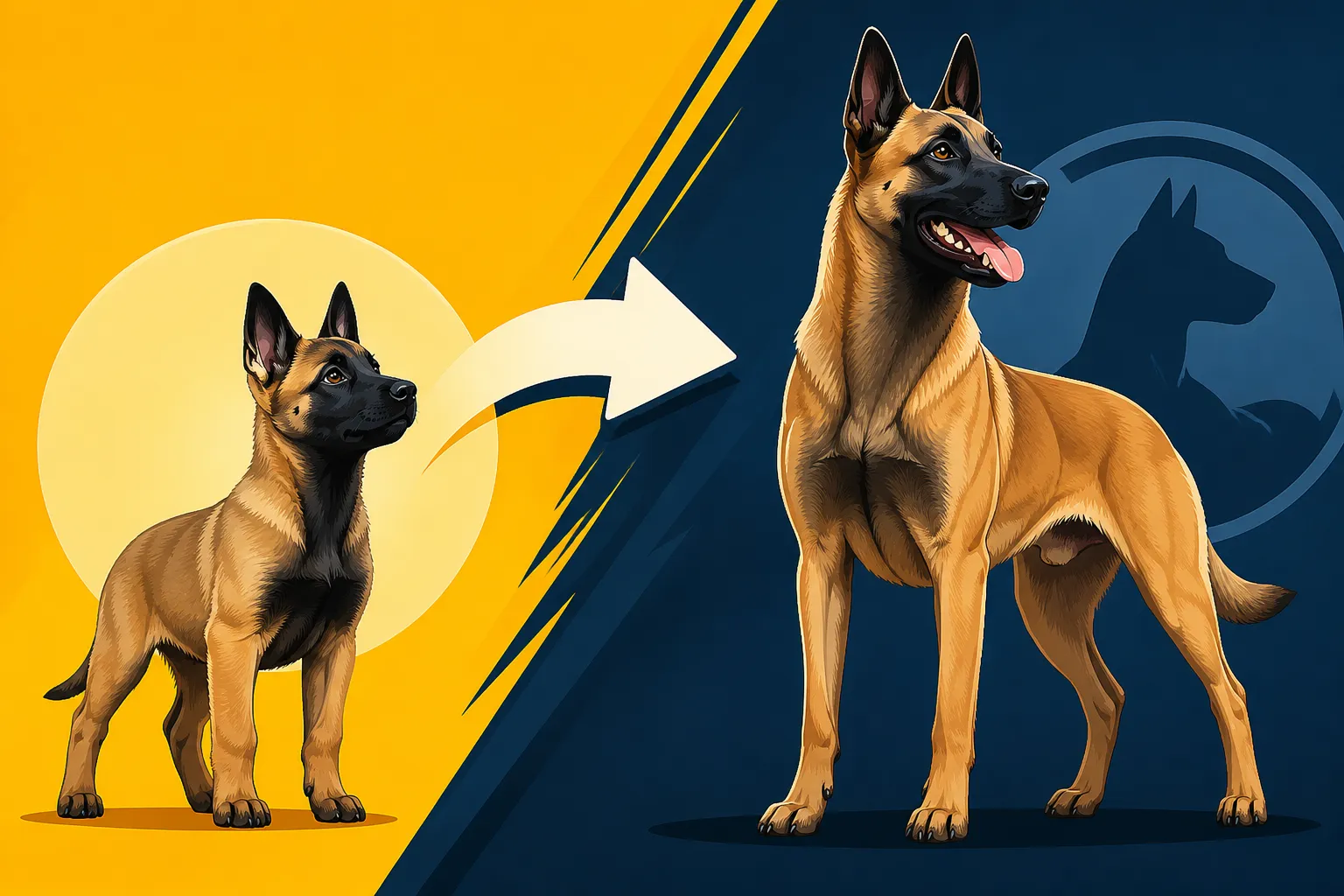
The Weight a Malinois Hits by Six Months
One of the most common anxieties for new Belgian Malinois puppy owners is watching their dynamic little shark grow, or sometimes, not grow as fast as they expect. You’re pouring time, effort, and high-quality food into this furry dynamo, and it's easy to worry if they're hitting all the right milestones. This guide will help you understand the typical weight a Belgian Malinois puppy should reach by six months of age, what influences that growth, and how to ensure your pup is developing healthily.
Understanding the Growth Spurt: What to Expect by Six Months
Six months old is a pivotal stage for a Belgian Malinois puppy. They're typically past the initial frantic puppy phase, though still full of beans, and are rapidly approaching their adolescent "awkward" stage. At this point, they're usually past their most rapid growth rate in terms of raw weight gain, but they're still putting on significant mass and refining their physique. It's a time when you start to see more of the adult dog emerging, albeit in a lanky, gangly package.
For most Belgian Malinois, especially those from working lines, six months often marks a point where they are becoming more structured, less round, and beginning to lean out even as they gain weight. Their bone structure is developing, and their muscle tone is starting to become more apparent, especially if they are getting appropriate exercise and nutrition. Don't be surprised if your pup looks a bit "leggy" or disproportionate; this is perfectly normal as their various body parts grow at different rates before everything evens out. It’s a marathon, not a sprint, when it comes to their final adult form.
Average Weight Ranges for a Six-Month-Old Malinois
When we talk about average weights, it's really important to remember these are just guidelines. Every Malinois is an individual, and genetics play a massive role. However, for a healthy, well-fed Belgian Malinois puppy at six months, you can generally expect them to fall into these ranges:
- Males: Typically, a male Belgian Malinois puppy at six months old might weigh anywhere from 45 to 60 pounds (approximately 20-27 kg). They will continue to fill out and gain more muscle mass over the next 12-18 months.
- Females: Female Belgian Malinois puppies tend to be a bit smaller and lighter. At six months, a female might weigh between 35 to 50 pounds (approximately 16-23 kg). They also continue to mature and develop in physique after this age.
These numbers are often roughly 60-70% of their projected adult weight, though this can vary. Some pups hit their growth spurts earlier, some later. The key isn't hitting an exact number, but rather seeing consistent, healthy growth and an overall lean, athletic condition. The Sixty to Eighty Pounds a Male Malinois Carries and The Forty to Sixty Pounds a Female Malinois Carries give you a good idea of their final adult weight.
Beyond the Scale: Body Condition is Key
While the scale gives you a number, a visual and tactile assessment of your puppy's body condition is even more critical. A six-month-old Malinois should look lean, athletic, and energetic. You should be able to easily feel their ribs when you run your hands along their sides, but they shouldn't be sharply visible. Their waist should tuck in behind their ribs, and you should be able to see a distinct abdominal tuck.
If your puppy looks too thin, with ribs, hips, and spine prominently sticking out, they might not be getting enough calories or could have a health issue. Conversely, if you can't feel their ribs without pressing firmly, or if they have no discernible waist, they might be carrying too much weight. This is a crucial point, especially for a breed like the Malinois, where maintaining a lean, healthy weight is vital for joint health and overall performance throughout their working life. Always aim for The Lean Condition a Belgian Malinois Should Carry rather than a pudgy one.
Factors Influencing a Malinois Puppy's Six-Month Weight
Several interconnected factors play a huge role in how much your Malinois puppy weighs at six months. It’s not just about the food you put in the bowl, but a complex interplay of genetics, nutrition, activity levels, and overall health. Understanding these can help you better manage your puppy's development.
It's easy to get caught up comparing your pup to others, but what works for one might not be ideal for another, even from the same litter. Focus on your puppy's individual progress and health, rather than chasing a specific weight or size. This breed is built for athleticism, not bulk, and prioritizing controlled growth is paramount.
Genetic Predisposition and Lineage
Just like in humans, genetics are the blueprint for your Malinois puppy's ultimate size and weight. If your puppy's parents were on the larger side of the breed standard, there's a good chance your pup will lean towards that end too. Conversely, if both parents were smaller, more compact individuals, your puppy will likely follow suit. This is why looking at the parents and even grandparents (if possible) of your puppy can give you a much better prediction of their adult size than simply relying on general breed averages.
Different lines within the Belgian Malinois breed can also exhibit varying growth patterns. For instance, some working lines might mature a bit slower in terms of physical size, putting on muscle mass later, while others might appear more "filled out" earlier. A reputable breeder will be able to provide insights into the typical growth and adult size of their lines. They understand the nuances of their dogs' development, and their experience is invaluable. Always ask about the parents' weight and height when you pick up your puppy.
Nutrition: Quality and Quantity
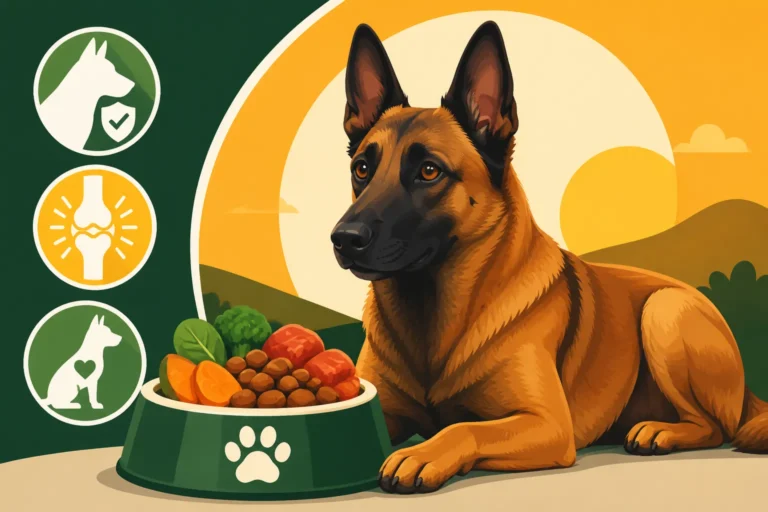
The food your Malinois puppy eats is, of course, a huge contributor to their weight and overall development. This isn't just about feeding enough, but feeding appropriately. High-quality puppy food, specifically formulated for large breeds, is often recommended. These diets are carefully balanced to provide the right ratios of protein, fat, calcium, and phosphorus to support steady, healthy growth without encouraging excessively rapid weight gain, which can be detrimental to developing joints. The Food a Malinois Puppy Should Grow On should be a primary concern.
Overfeeding is a common mistake and can actually be more harmful than slight underfeeding, especially in large, active breeds. Pushing a Malinois puppy to grow too quickly puts undue stress on their developing bones and joints, potentially leading to orthopedic issues down the line. It's not about making them as big as possible, as fast as possible; it's about sustained, balanced growth. Always follow the feeding guidelines on your chosen food (like those found on Chewy or Amazon), adjust based on your puppy's individual energy levels, and consult your vet. Why Pushing Growth Hurts a Malinois Puppy is a critical concept to grasp for their long-term health.
| Age (Months) | Approximate Male Weight Range (lbs) | Approximate Female Weight Range (lbs) | Key Developmental Stage |
|---|---|---|---|
| 2 | 15-25 | 12-22 | Rapid growth, teething, initial socialization |
| 3 | 25-35 | 20-30 | Continued growth, increased activity |
| 4 | 35-45 | 30-40 | Growth spurt, adolescent behaviors emerging |
| 5 | 40-55 | 32-45 | Approaching half adult weight |
| 6 | 45-60 | 35-50 | Adolescent phase, continued muscle development |
| 9 | 60-75 | 50-65 | Nearing full height, filling out |
| 12 | 65-80 | 55-70 | Nearing adult weight, continued maturity |
Note: These ranges are approximate and can vary based on individual genetics, diet, and activity level.
Activity Levels and Exercise
A Malinois is a highly active breed, and their exercise regimen, even as puppies, influences their muscle development and overall body composition. A puppy that gets appropriate, controlled exercise will build healthy muscle and bone density, contributing to a lean, athletic physique rather than just "fat" weight. However, it's a fine line. How Much Exercise a Belgian Malinois Puppy Should Get emphasizes that too much strenuous exercise, especially high-impact activities like jumping or long runs, can be detrimental to their still-developing growth plates and joints.
At six months, their growth plates are still open and vulnerable. Think about short, structured play sessions, walks, and mental stimulation rather than endless, high-impact running or fetching. Consistent, moderate activity is key. A Malinois kept in a kennel with limited activity, for example, might be heavier due to lack of muscle tone, or conversely, too thin due to stress. Those engaged in structured training, even light foundational work, will naturally develop a more muscular, robust physique within healthy limits.
Monitoring Your Malinois Puppy's Growth and Health
Keeping a close eye on your Malinois puppy's development is part of being a responsible owner. It's not just about the numbers on the scale, but observing their overall demeanor, energy levels, coat quality, and how they move. Any significant changes or concerns should always prompt a call to your veterinarian. They are your best resource for personalized advice on your puppy's health.
Regular veterinary check-ups are non-negotiable during this critical growth period. Your vet can provide accurate weight measurements, assess body condition, and address any potential health concerns before they become major issues. This proactive approach is vital for a breed as active and prone to certain orthopedic conditions as the Malinois.
Regular Weigh-Ins and Growth Charts
While not strictly necessary to weigh your puppy daily, regular weigh-ins, perhaps once every two to four weeks, can be helpful. This allows you to track their progress and identify any sudden plateaus or drops in weight that might signal a problem. You can simply use a bathroom scale (weigh yourself, then weigh yourself holding the puppy, and subtract the difference). Many vet clinics also allow you to pop in for a quick weigh-in, which is a great excuse for a happy visit.
Some owners like to keep a growth chart, plotting their puppy's weight against their age. This visual representation can be really insightful, showing you if they are generally following a healthy growth curve. If you notice your puppy consistently falling far below the typical range, or suddenly gaining a massive amount of weight in a short period, it's worth discussing with your vet. Companies like Ollie, known for fresh dog food, often provide guidance on ideal weights for puppies as part of their feeding plans, and these can be helpful resources.
Assessing Body Condition Score (BCS)
Beyond the scale, learning to assess your puppy's Body Condition Score (BCS) is an invaluable skill. This involves both looking and feeling your dog to determine if they are at an ideal weight.
Here's a quick guide to a healthy six-month-old Malinois BCS:
- Ribs: Easily felt without pressing hard, but not visibly prominent.
- Waist: Clearly visible tuck behind the ribs when viewed from above.
- Abdominal Tuck: An upward slope from the bottom of the rib cage to the groin when viewed from the side.
- Muscle Mass: Good, firm muscle tone, especially over the hindquarters and along the spine.
If your puppy is too lean, you'll see ribs, spine, and hip bones clearly without much effort. If they're overweight, you won't be able to feel the ribs easily, and they'll have little to no waist or abdominal tuck. A six-month-old Malinois should always look lean and athletic, ready for action. Weighing a Belgian Malinois Through a Training Year becomes even more critical as they enter adulthood.
Potential Pitfalls in Puppy Growth and Weight Management
It's natural to want the best for your Malinois puppy, and sometimes, well-intentioned efforts can inadvertently lead to issues. Being aware of common pitfalls can help you avoid them and ensure your puppy develops into a healthy, robust adult. The goal is steady, healthy growth, not speed or excessive bulk.
The Malinois is a dog built for incredible athleticism and endurance. Anything that compromises their structural integrity or pushes them past their genetic predispositions for healthy growth can have long-term consequences. Think long-term health over immediate gratification of a "big" puppy.
Overfeeding and Rapid Growth
As mentioned earlier, one of the biggest dangers for a growing Malinois puppy is overfeeding. While it might seem counterintuitive, giving your puppy too much food, especially food that is too high in calories or calcium for a large breed puppy, can accelerate their growth beyond what their developing skeletal system can handle. This rapid growth is a major risk factor for orthopedic problems such as hip and elbow dysplasia, as well as other developmental bone diseases.
It’s tempting to want a big, robust puppy, but a lean puppy with steady, controlled growth is always healthier for breeds prone to joint issues. Stick to recommended feeding amounts, use a high-quality food, and measure portions carefully. Don't free-feed your Malinois puppy; measured meals are always better. You can find excellent quality foods on sites like Chewy or Amazon, but always read the labels for large breed puppy formulations.
Underfeeding and Nutritional Deficiencies
While overfeeding is a common concern, underfeeding can also be detrimental. A Malinois puppy needs adequate calories, protein, and essential nutrients to fuel their rapid growth and incredibly high energy levels. A puppy that is consistently underfed may exhibit stunted growth, poor coat quality, low energy, and a compromised immune system. This is a working breed, and Feeding a Malinois That Is Never Not in Drive needs to be precise.
If your puppy is consistently underweight despite being fed appropriate amounts of quality food, it's crucial to consult your veterinarian. They can rule out underlying health issues such as parasites, malabsorption problems, or other medical conditions that might be preventing your puppy from gaining weight properly. Sometimes, adjusting the food type or increasing the calorie density, often with a vet's guidance, is all that's needed. Whether a Ribby Malinois Puppy Is Underfed should always be investigated.
Inappropriate Exercise and Joint Stress
Even at six months, a Malinois puppy’s joints and growth plates are still developing. While exercise is essential for physical and mental development, the type and intensity of exercise matter immensely. High-impact activities like repetitive jumping, long-distance running on hard surfaces, or strenuous agility work are generally discouraged until growth plates have closed, usually around 12-18 months of age.
Allowing a puppy to engage in too much uncontrolled, high-impact play can put excessive strain on their immature joints, potentially contributing to or exacerbating orthopedic problems. Focus on controlled walks, short play sessions on soft surfaces, and mental stimulation. Think about how to enrich their lives without putting undue stress on their bodies. Gentle swimming can be a fantastic, low-impact exercise option. You want your Malinois to remain sound throughout The Fourteen to Sixteen Years a Belgian Malinois Lives.
Disclaimer
This article is for general informational purposes only and does not constitute professional advice. Laws, prices and regulations vary by location and change over time. Consult a qualified professional for guidance on your specific situation.