Whether a Malinois Drops Hair All Year
One of the most common surprises for new Belgian Malinois owners is the sheer volume of hair that seemingly short-coated dogs can produce, leading many to wonder if their house will ever truly be hair-free. You might assume that a dog with a short coat wouldn't be a prolific shedder, but the reality can be quite different. This guide will clarify the Belgian Malinois's shedding habits, specifically addressing whether you should anticipate year-round hair loss, and how to effectively manage it when it inevitably happens.
Understanding the Malinois Coat Structure and Natural Shedding Rhythms
To truly grasp why your Malinois seems to be perpetually raining hair, we need to understand the fundamental nature of their coat. These aren't single-coated, low-shedding breeds like a Poodle or a Greyhound. Oh no, the Malinois comes equipped with a double coat, a magnificent evolutionary marvel designed for protection and insulation.
The Double Coat's Purpose and Composition
The Belgian Malinois, like its shepherd cousins, possesses a dense double coat. This isn't just one layer of fur; it's a sophisticated system. First, there's the outer coat, often described as harsh, straight, and relatively short. This protective layer acts as a shield against the elements, repelling water, dirt, and minor abrasions. It's tough, resilient, and contributes to that sleek, powerful look. You can feel The Harsh Outer Coat a Malinois Should Carry and understand its durability.
Beneath this formidable outer layer lies the undercoat, which is soft, dense, and incredibly insulating. This is the thermal blanket of the Malinois, keeping them warm in cold weather and helping to regulate their body temperature in warmer climates by providing a layer of air. It’s The Undercoat Hidden in a Malinois's Short Coat that's primarily responsible for the bulk of the shedding you'll experience. When conditions are right, this undercoat can be incredibly plush, making them surprisingly cuddly despite their intense demeanor.
Seasonal "Coat Blows" and Their Impact
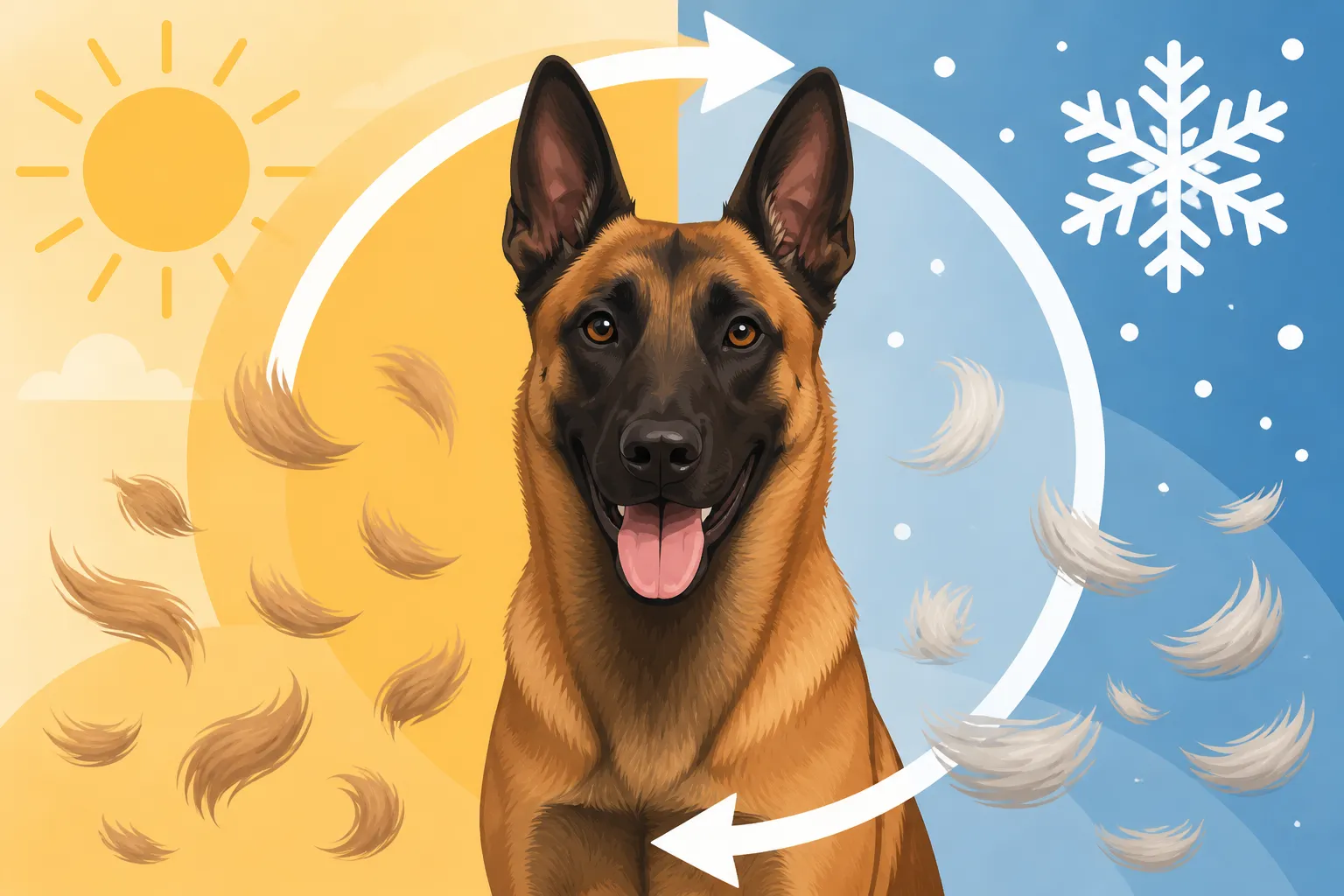
While Malinois do shed year-round to some extent, they also experience what's commonly referred to as "blowing coat." These are periods of intensified shedding, typically occurring twice a year, usually in spring and fall.
In the spring, as temperatures rise, your Malinois will shed its thick winter undercoat to prepare for warmer weather. This can feel like an avalanche of fur. You might find yourself brushing out entire dog-shaped piles of fluff, and every piece of furniture, clothing, and even your morning coffee might suddenly sport a fresh dusting of Malinois hair. Similarly, in the fall, they will shed their lighter summer coat to make way for the denser, warmer winter undercoat. These "blows" are distinct and can last for several weeks, turning your home into a furry landscape. It's during these times, often a The Two Week Stretch When a Malinois Drops Coat, that you truly appreciate the power of a good vacuum cleaner and a consistent grooming routine. It's a natural, healthy process, but it can be overwhelming if you're not prepared for the sheer volume.
Why it Feels Like Your Malinois Sheds All Year Long
Even outside of the dramatic seasonal coat blows, many Malinois owners swear their dogs shed consistently throughout the entire year. And honestly, they're not wrong. There are several factors at play that contribute to this perception and reality of continuous shedding, beyond the basic double coat structure.
Environmental Factors and Indoor Living Disruptions
Our modern indoor lifestyles, as much as we love having our Malinois curled up inside, inadvertently disrupt their natural shedding cycles. In the wild, or even in outdoor kennel environments with greater temperature fluctuations, dogs experience more distinct seasonal changes in their coats. The harsh reality of winter cold would prompt a thicker undercoat, and the warmth of spring would trigger a massive shed.
However, in a temperature-controlled home, with central heating in winter and air conditioning in summer, these natural cues are significantly muted. Your Malinois is rarely exposed to the extreme shifts that signal a complete coat overhaul. Instead, their coat tends to turn over more gradually and continuously. This means that while you might not get the dramatic "coat blow" all at once, you're getting a steady, low-level shedding stream of hair day in and day out. It's less a flood and more a constant drip, drip, drip of fur, leading to the feeling that Whether a Malinois Drops Hair All Year is a resounding yes. The hair is always there, clinging to textiles, gathering in corners, and magically appearing on your freshly cleaned floor just minutes after you swept.
High Metabolism, Activity Levels, and Individual Genetics
Belgian Malinois are high-drive, high-energy dogs. They're constantly on the move, burning calories at an impressive rate, and their bodies are in a perpetual state of flux, including their skin and coat. A higher metabolism and constant activity can mean that hair follicles are turning over more frequently than in a more sedentary breed. Think about it: a working Malinois is often running, jumping, crawling, and engaging in demanding activities. All that physical exertion, rubbing against equipment, decoys, and varied terrain, naturally loosens hair and encourages shedding.
Beyond activity, individual genetics play a significant role. Just like humans, some dogs are simply "hairier" or shed more than others within the same breed. You might have two Malinois from similar lines, living in the same environment, and one sheds noticeably more than the other. This individual variation can be frustrating, as there's no single "shedding standard" that applies equally to every Malinois. It also sometimes comes down to the quality of the coat itself; some have a denser undercoat year-round, while others might have a slightly sparser one. This genetic predisposition can also influence How Much Dander a Malinois Double Coat Puts Out, which is important for allergy sufferers.
Practical Strategies for Managing Year-Round Malinois Shedding
Since year-round shedding is largely a reality for Belgian Malinois owners, the key isn't to stop it (which is impossible and unhealthy), but to effectively manage it. A proactive approach to grooming and care can make a world of difference in keeping the fur tumbleweeds at bay and maintaining a healthy coat for your dog.
Consistent Grooming Routines
The absolute cornerstone of managing Malinois shedding is a consistent grooming routine. This isn't just about brushing when you see a lot of hair; it's about making it a regular habit, even when shedding seems minimal.
- Daily or Every Other Day Brushing: During peak shedding seasons, daily brushing is almost non-negotiable. Outside of these times, aiming for every other day, or at least 3-4 times a week, will go a long way. The goal is to remove loose hair before it falls onto your furniture and floors.
- The Right Tools are Crucial: You'll need a few key tools in your arsenal.
- Slicker Brush: Great for general loose hair and stimulating the skin.
- Undercoat Rake: This is your secret weapon, especially during coat blows. A good undercoat rake can gently pull out significant amounts of dead undercoat without damaging the topcoat. When considering Which Rake Pulls a Malinois's Coat Out Fastest, look for one with rotating teeth to prevent tugging.
- De-shedding Tool: Brands like Furminator offer specialized de-shedding tools designed to reach deep into the undercoat. However, use these with caution, as overuse can irritate the skin or damage the topcoat. Pay attention to Whether a Deshedding Blade Suits a Belgian Malinois for your specific dog.
- Rubber Curry Brush/Glove: Excellent for massaging the skin, distributing natural oils, and grabbing loose hair, especially on short-coated breeds like the Malinois. It's also great for getting hair off furniture.
| Grooming Tool | Primary Use | Frequency | Notes |
|---|---|---|---|
| Slicker Brush | General detangling, surface hair removal | Daily/Every Other Day | Gentle, good for topcoat |
| Undercoat Rake | Deep undercoat removal, especially during blows | 2-3 times/week or as needed | Crucial for double coats, prevents matting |
| De-shedding Tool | Specialized undercoat extraction | Weekly, with caution | Can be harsh if overused, follow instructions |
| Rubber Curry Brush/Glove | Massaging, loose hair collection, distributing oils | Daily/Every Other Day | Also great for removing hair from fabric |
| Vacuum with Pet Attachments | General cleanup of shed hair | Daily | Essential for household management |
Making grooming a positive experience from a young age is also important. Treat it as bonding time, offer praise and treats, and be gentle.
Diet and Hydration's Role in Coat Health
What goes into your Malinois directly impacts the quality of their coat and skin, which in turn can influence shedding. A healthy coat is less prone to excessive, unhealthy shedding.
- High-Quality Diet: Ensure your Malinois is on a high-quality dog food, ideally one formulated for active breeds. Look for ingredients that support skin and coat health, such as omega-3 and omega-6 fatty acids (found in fish oil, flaxseed, etc.). These essential fatty acids promote healthy skin and a shiny, resilient coat. The Protein a Working Malinois Actually Needs is also vital, as protein is a building block for hair. Many owners consider brands available on Chewy for performance formulas tailored to their dog's needs.
- Supplementation (if needed): If your dog's coat still seems dull or sheds excessively despite a good diet, discuss supplements with your vet. Fish oil supplements, for example, can often make a noticeable difference in coat health and reduce excessive shedding.
- Hydration: Always ensure your Malinois has access to fresh, clean water. Proper hydration is essential for overall health, including skin and coat integrity. Dehydrated skin can become dry and itchy, leading to more shedding.
- Consider Fresh Food Options: Some owners find that switching to fresh or raw food diets, such as those offered by Ollie, significantly improves their dog's coat quality and reduces shedding. While this can be a more involved and often more expensive route, the benefits for some dogs are undeniable. However, always consult with a vet or a canine nutritionist before making drastic changes to your dog's diet.
Bathing and De-shedding Treatments
While you might think frequent bathing would help with shedding, it's a bit of a double-edged sword for a Malinois.
- Strategic Bathing: Malinois don't require frequent bathing, as too much can strip their coat of natural oils, leading to dry skin and more shedding. Typically, bathing every 2-3 months or as needed (if they get particularly dirty) is sufficient. However, during a heavy coat blow, a bath with a de-shedding shampoo and conditioner can help loosen a lot of dead hair, making it easier to brush out. Follow up with thorough brushing once they are dry. You'll find How Rarely a Malinois Coat Needs Washing is quite different from other breeds.
- Professional Grooming: While many Malinois owners handle grooming at home, a professional groomer can offer de-shedding services that utilize specialized tools and high-velocity dryers to blast out loose undercoat. This can be a huge help during those intense seasonal sheds and can sometimes set you back weeks in terms of managing loose hair at home.
- High-Velocity Dryer: If you're serious about managing shedding at home, investing in a high-velocity dog dryer (many good options are available on Amazon) can be a game-changer after baths. These powerful dryers literally blow out loose hair, significantly reducing the amount you'll find around your house. They work best on a wet coat after shampooing and conditioning.
When Shedding Might Indicate a Health Concern
While year-round shedding is normal for a Belgian Malinois, there's a difference between routine hair turnover and excessive, unhealthy hair loss. It's crucial to be able to distinguish between normal shedding and potential health issues.
Abnormal Hair Loss vs. Normal Shedding
Normal Malinois shedding involves a fairly even distribution of loose hair across the body, with no significant thinning, bald patches, or skin irritation. The new hair growing in typically looks healthy and shiny. However, if you notice any of the following, it might be a sign of something more serious:
- Patchy Hair Loss: Areas where the hair is visibly thinning or completely absent, especially if symmetrical on both sides of the body.
- Excessive Shedding Out of Season: Shedding that is dramatically heavier than usual outside of the typical spring/fall coat blows, and doesn't respond to increased grooming.
- Skin Changes: Redness, inflammation, rashes, scabs, scales, dandruff, or an oily/greasy coat texture.
- Itching or Discomfort: Your Malinois scratching, licking, or chewing at themselves excessively.
- Dull, Brittle Coat: Hair that looks lifeless, dry, or breaks easily.
- Odor: An unusual or strong odor coming from the skin or coat.
If you observe any of these symptoms, it's time for a visit to your veterinarian.
Underlying Health Issues to Consider
Various health conditions can manifest as abnormal shedding or poor coat quality. Your vet will conduct a thorough examination and may recommend diagnostic tests to pinpoint the cause.
- Allergies: Environmental allergies (pollen, dust mites), food allergies, or flea allergies can all cause intense itching and subsequent hair loss from scratching and licking. An itchy Malinois is often an unhappy Malinois, and this irritation can lead to significant secondary issues. Atopy in a Belgian Malinois is a common concern.
- Parasites: Fleas, ticks, mites (like demodex or sarcoptes), and even some internal parasites can cause skin irritation, itching, and hair loss. Regular parasite prevention is key.
- Thyroid Issues: Hypothyroidism, where the thyroid gland doesn't produce enough hormones, is a common culprit for dull coats, excessive shedding, and skin problems in dogs. This is a condition where A Malinois Whose Thyroid Has Given Out will show classic symptoms including poor coat.
- Other Hormonal Imbalances: Conditions like Cushing's disease (overproduction of cortisol) can also lead to thin skin and hair loss.
- Infections: Bacterial or fungal infections of the skin can cause irritation, itching, and hair loss.
- Nutritional Deficiencies: While less common with high-quality commercial dog foods, a diet lacking essential nutrients (especially fatty acids, vitamins, and minerals) can contribute to a poor coat. Soft Stools in a Malinois Under Training Stress can sometimes be related to gut health impacting nutrient absorption, which can affect coat quality.
- Stress: Chronic stress can sometimes manifest in a dull coat and increased shedding. A Malinois under constant stress might also exhibit other behavioral changes.
The Importance of Veterinary Consultation
Never try to self-diagnose skin and coat issues based solely on shedding patterns. Only a veterinarian can accurately determine the underlying cause of abnormal hair loss. They can rule out serious conditions, prescribe appropriate treatments, or recommend dietary changes or supplements if a deficiency is suspected. Catching these issues early is always best for your Malinois's overall health and comfort. Regular checkups, especially annual ones, are essential to catch problems like Hypothyroidism and a Malinois That Loses Drive before they become severe.
So, while your Malinois may very well drop hair all year long, armed with the right tools, a consistent routine, and a watchful eye for abnormal changes, you can keep the fur under control and ensure your energetic companion's coat remains healthy and beautiful.
Disclaimer
This article is for general informational purposes only and does not constitute professional advice. Laws, prices and regulations vary by location and change over time. Consult a qualified professional for guidance on your specific situation.