Electrolytes for a Belgian Malinois in Summer
Summer with a Belgian Malinois can be an exhilarating time, full of intense training sessions, long hikes, and endless games of fetch. But it also brings a very real and often underestimated danger: the heat. It’s easy to get caught up in your Malinois’s incredible drive, pushing them just a little further, only to realize too late that their internal systems are struggling to keep up. This guide will walk you through why electrolytes are so important for your active Malinois in warmer weather, how to spot the signs they might need them, and how to safely provide this crucial support.
Why Belgian Malinois Face Unique Risks in Warm Weather
We all know our Belgian Malinois are powerhouses. They're built for speed, agility, and endurance, with a mental fortitude that often overrides their physical discomfort. This incredible drive, while a hallmark of the breed, can actually put them at a higher risk for heat-related issues, especially when coupled with their physiology and the demands we place on them.
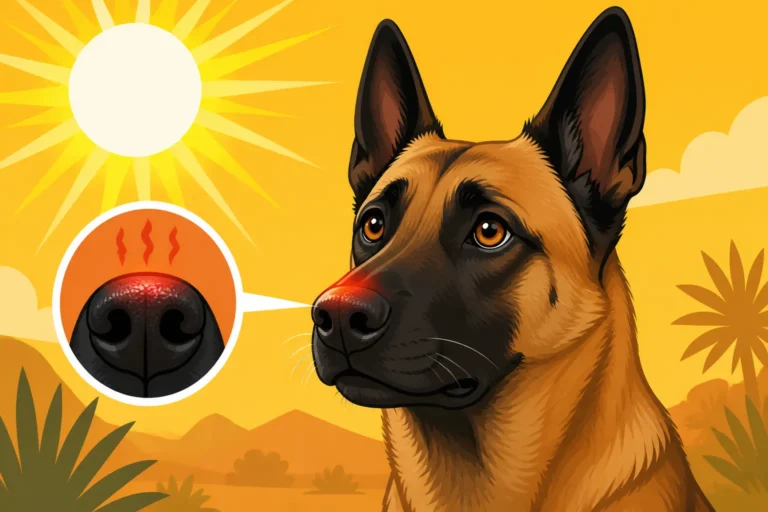
Imagine a Malinois in full work mode – whether it's tracking, agility, or bite work. Their bodies are generating an immense amount of heat. Unlike humans, dogs don't sweat efficiently through their skin. Their primary cooling mechanism is panting, which is effective, but can lead to significant fluid and electrolyte loss. When the ambient temperature rises, and especially when humidity is high, their ability to cool themselves becomes severely challenged. They're wired to keep going, to push through, even when their bodies are signaling distress, which means it's on us, their handlers, to recognize the danger signs before it's too late. It’s not just about providing shade and water; it’s about understanding the internal stresses that high-intensity work in the heat places on their systems. The Temperature a Belgian Malinois Should Not Train In outlines further considerations for safe training temperatures.
This breed’s lean, muscular build means they have a high metabolic rate, burning through energy stores rapidly during intense activity. This metabolic process itself generates heat. Add to that the constant muscle contraction during a rigorous session, and you have a dog that’s essentially an internal furnace on legs. Their short coats, while often perceived as "cooler," don't offer much protection from the sun's direct rays, and they certainly don't negate the internal heat generated by their intense physical output. Many owners have shared stories of their Malinois literally running themselves into the ground, oblivious to the heat until they've already pushed too far. Why a Malinois Runs Itself Into Heat Exhaustion offers a deeper dive into this specific behavior.
Understanding Electrolytes and Their Crucial Role for Active Dogs
So, what exactly are electrolytes, and why are they such a big deal for a working Belgian Malinois in the summer heat? Electrolytes are essentially minerals that carry an electric charge when dissolved in body fluids like blood. They're absolutely vital for a huge range of bodily functions, including nerve and muscle function, maintaining proper hydration, and balancing the body's pH levels. Think of them as the tiny conductors that keep your Malinois's entire system running smoothly. The main players are sodium, potassium, chloride, and magnesium, among others.
When your Malinois is working hard, especially in warm weather, they lose these essential electrolytes primarily through panting and urination. Just like us after a sweaty workout, their bodies deplete these minerals as they try to regulate temperature and maintain fluid balance. A healthy, well-fed dog with access to plenty of fresh water usually replaces these lost electrolytes naturally through their diet. However, during periods of extreme exertion, prolonged activity, or particularly hot and humid conditions, these losses can outpace natural replenishment, leading to an imbalance. This is where the trouble starts.
An electrolyte imbalance can manifest in various ways, from subtle changes to life-threatening emergencies. Early signs might include lethargy, decreased appetite, or a general "off" feeling. As the imbalance worsens, you might see muscle weakness, tremors, or even cramps – imagine your powerful Malinois struggling to stand or walk steadily. Severe imbalances can affect the heart, leading to arrhythmias, or impact brain function, causing confusion, disorientation, or even seizures. In extreme cases, untreated electrolyte disturbances can contribute to conditions like heatstroke or profound dehydration, which require immediate veterinary intervention. This isn't just about discomfort; it's about preserving the intricate balance that keeps your Malinois healthy and able to perform. Hydrating a Belgian Malinois During Training offers more strategies for keeping them properly watered.
When and How to Safely Administer Electrolytes
Knowing when to step in with electrolytes for your Malinois is key, and it often comes down to reading their body language and understanding the conditions they're working in. You’re looking for signs that their natural hydration and electrolyte stores are being depleted faster than they can replenish them.
Signs Your Malinois Might Need Electrolytes:
- Excessive panting: Beyond what's normal for the level of activity and temperature.
- Lethargy or unusual sluggishness: Your normally high-energy Malinois seems unusually subdued.
- Reduced performance: They're not as enthusiastic or as fast as usual, or they're having trouble maintaining focus.
- Sticky or dry gums: A clear sign of dehydration.
- Loss of skin elasticity: If you gently tent the skin on their back, it should snap back quickly. If it's slow to return, they're dehydrated.
- Sunken eyes: Another indicator of significant fluid loss.
- Muscle weakness or wobbliness: This can be a sign of potassium or sodium imbalance affecting muscle function.
- Reluctance to drink water: Ironically, severely dehydrated dogs sometimes refuse plain water, making electrolyte solutions even more crucial.
If you observe these signs, especially after a particularly demanding session in the heat, it's time to consider an electrolyte supplement. However, always remember that severe symptoms like collapse, vomiting, or prolonged disorientation warrant an immediate vet visit. Electrolytes are a preventative and recovery aid, not a cure for heatstroke.
Types of Electrolyte Products and Administration:
When it comes to providing electrolytes, you have a few options, and it's vital to choose products formulated specifically for dogs. Human sports drinks often contain ingredients (like high sugar content or artificial sweeteners) that can be detrimental to canine health.
- Powdered Electrolyte Mixes: These are often very convenient. You simply mix the recommended amount with water. Many brands offer palatable flavors that dogs readily drink. You can find a good selection of these on sites like Chewy or Amazon, making it easy to keep them on hand. They are excellent for rehydration after intense exercise.
- Liquid Electrolyte Solutions: Some products come as ready-to-use liquids. These are great for quick administration, especially if you're on the go. Again, ensure they are dog-specific.
- Electrolyte-Enhanced Foods/Treats: Some specialized dog foods or treats are designed with electrolyte replenishment in mind. These can be a good option for sustained, less immediate replenishment, or as part of a general strategy for active dogs. While not a direct electrolyte solution, brands like Ollie focus on fresh, nutritious meals that can support overall hydration and health in active dogs, potentially reducing the baseline risk of imbalance.
It's crucial to follow the dosage instructions on any commercial product carefully. Over-administering electrolytes can be just as dangerous as under-administering them. Always introduce new supplements gradually to ensure your Malinois tolerates them well. For general maintenance during hot weather, offering an electrolyte solution alongside plain water can be beneficial.
Here's a quick comparison of approaches:
| Feature | Commercial Dog Electrolyte Solution | Plain Water + Balanced Diet |
|---|---|---|
| Pros | Targeted mineral replacement, often palatable, convenient, rapid absorption. | Natural, always available, cost-effective for daily needs. |
| Cons | Cost, potential for over-supplementation if not careful, must be dog-specific. | May not be sufficient for extreme exertion/heat, slower replenishment. |
| Best Use Case | After intense exercise in heat, during prolonged travel, signs of mild dehydration. | Daily hydration, regular activity, generally healthy dogs. |
| When to Consult Vet | If symptoms worsen, dog refuses solution, or signs of severe illness. | If dog shows signs of severe dehydration or heatstroke. |
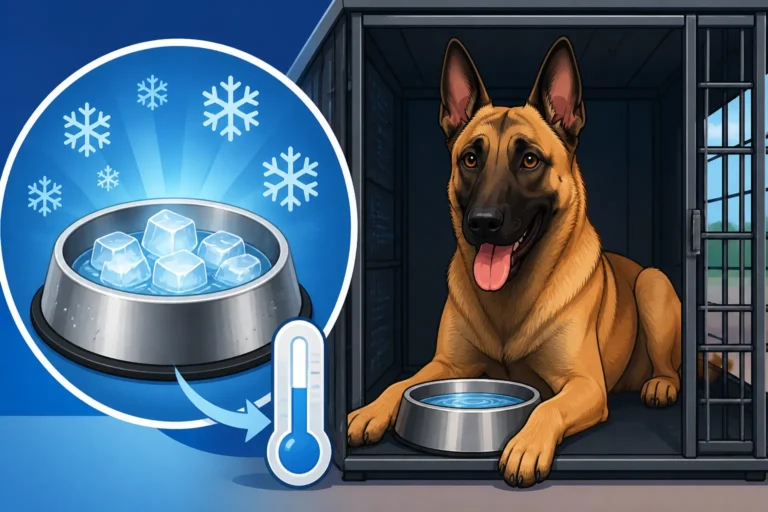
Always offer plain water first and foremost. Electrolytes are a supplementary tool. If your Malinois isn't drinking, you can try offering ice cubes or adding a splash of low-sodium broth to the electrolyte solution to encourage intake.
Proactive Strategies to Prevent Dehydration and Electrolyte Imbalance
Prevention is always better than treatment, especially when it comes to the health of our high-octane Malinois. Being proactive about hydration and heat management can significantly reduce the risk of your dog developing an electrolyte imbalance or, worse, suffering from heatstroke. As a responsible Malinois owner, you're constantly monitoring and managing their environment, and summer simply adds another layer of vigilance. Reading Heat Stress on a Malinois Mid Session is a crucial resource for real-time assessment during training.
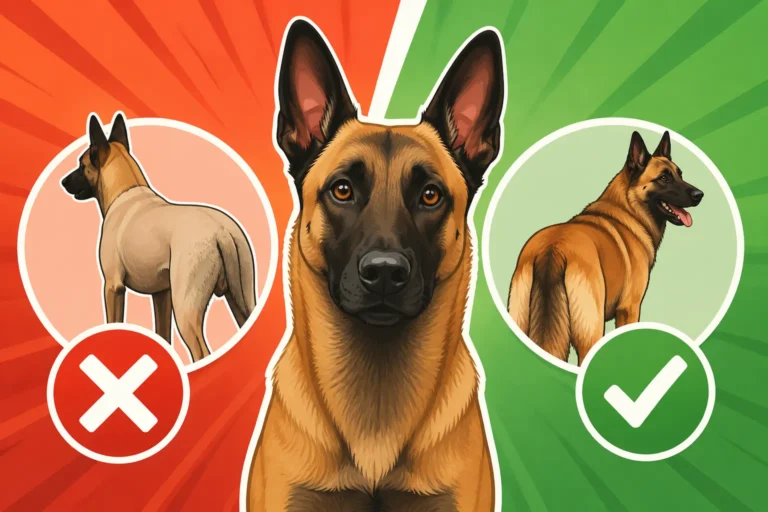
Schedule Training Strategically: This might seem obvious, but it bears repeating. Avoid the hottest parts of the day. Early mornings and late evenings are your best friends in the summer. Adjust your training intensity and duration based on the temperature and humidity. A brisk half-hour walk in 70-degree weather feels very different to your Malinois than the same walk in 90-degree heat with high humidity. Be honest with yourself about the conditions and your dog’s tolerance.
Provide Ample Fresh Water: This is non-negotiable. Always have fresh, cool water available. If you're out training or hiking, carry more water than you think you'll need. Offer water breaks frequently, even if your Malinois seems too focused to drink. Sometimes a few seconds of rest and a gentle prompt are all it takes. For dogs that are reluctant to drink plain water, try adding a few ice cubes, or a small amount of dog-specific broth to entice them. Consider collapsible bowls or portable water bottles that make it easy to give your dog a drink anywhere.
Offer Shade and Cooling Aids: If your Malinois is spending time outdoors, ensure they have constant access to shade. This could be a natural tree, a pop-up canopy, or a well-ventilated kennel. Cooling vests or bandanas, soaked in cool water, can also help lower their body temperature during rest breaks or lighter activities. Just be sure to re-wet them frequently, as they can quickly lose their cooling effect in extreme heat. Keeping a Malinois Through a Southern Summer delves into more extensive cooling practices.
Monitor Food Intake and Energy Levels: A well-balanced diet contributes to overall health and better electrolyte balance. During periods of high activity, ensure your Malinois is getting adequate nutrition, potentially even considering a performance-oriented kibble if their energy output demands it. Brands available on Chewy or Amazon often carry specialized performance diets that can support sustained energy and health. Pay close attention to any changes in appetite or unusual sluggishness, as these can be early warnings that their system is under stress.
Know Your Dog’s Limits and Respect Them: Your Malinois has an incredible drive, but they are not invincible. Every dog is an individual, and their heat tolerance can vary based on age, fitness level, and underlying health conditions. An older Malinois, for instance, may be less tolerant of heat than a young, fit adult. If your dog is consistently showing signs of fatigue or overheating, it's time to scale back the intensity or duration of their activities. Don't push them just because you think they "should" be able to handle it. Their life depends on your careful judgment. Regular vet check-ups, including The Bloodwork a Working Malinois Should Have Annually, can also help ensure there are no underlying health issues making them more susceptible to heat stress.
By implementing these proactive measures and understanding the critical role of electrolytes, you can help your Belgian Malinois stay healthy, hydrated, and happy, even during the warmest months.
Disclaimer
This article is for general informational purposes only and does not constitute professional advice. Laws, prices and regulations vary by location and change over time. Consult a qualified professional for guidance on your specific situation.