Medicated Shampoo for an Itchy Malinois
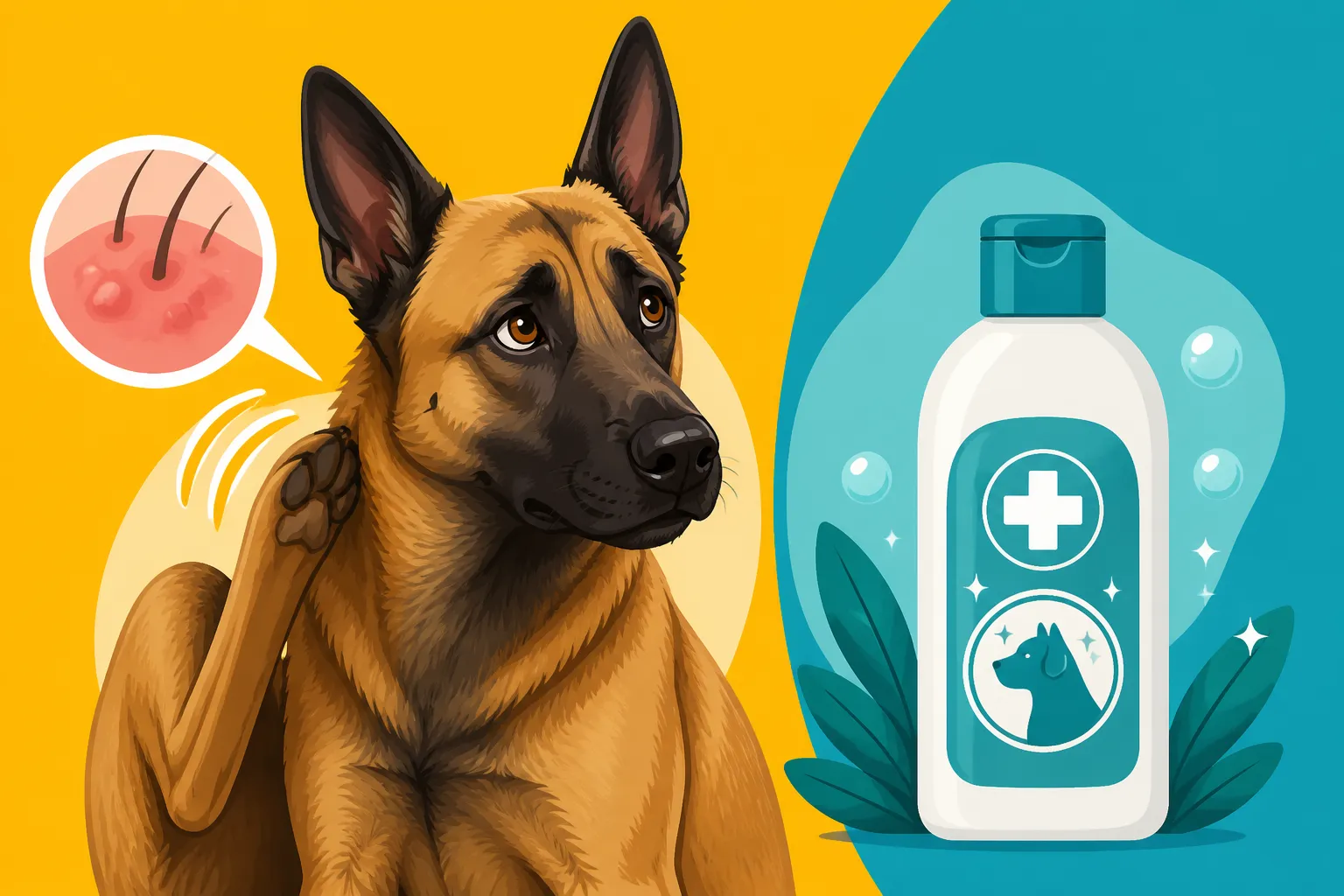
Oh, the infamous itch! If you're a Belgian Malinois owner, you know the frustration of seeing your high-drive, otherwise unstoppable dog scratching, biting, and rubbing at themselves constantly. It's not just annoying for you; it's incredibly uncomfortable for them, and it can quickly escalate from a minor irritation to a serious skin infection. This guide is here to walk you through understanding why your Malinois might be so itchy and how medicated shampoos, when used correctly and under veterinary guidance, can be a crucial part of bringing them relief.
Understanding Why Your Malinois Is Itchy in the First Place
Before we even think about reaching for a bottle of medicated shampoo, we absolutely have to understand that persistent itching in a Malinois isn't just "dry skin." It's almost always a symptom of an underlying issue, and jumping straight to shampoo without a proper diagnosis can actually make things worse or simply delay effective treatment. You need to be a detective, with your vet as your lead investigator.
Common Culprits Behind Malinois Itchiness
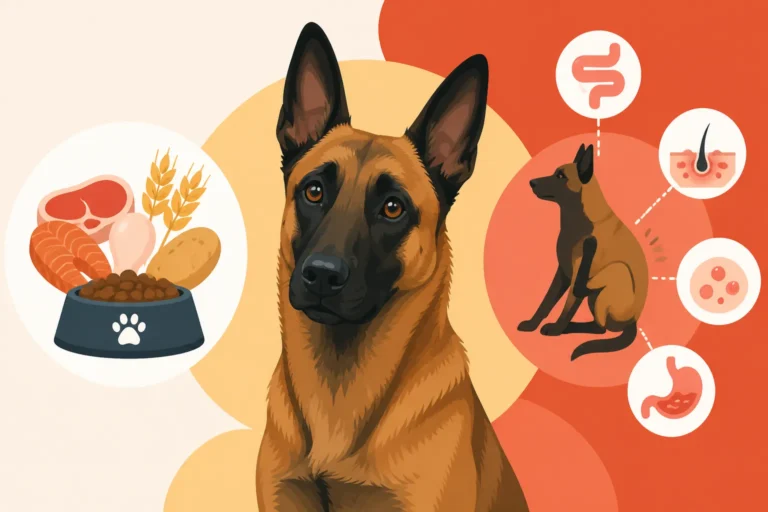
Let's face it, Malinois are tough dogs, but their skin can be surprisingly sensitive. The reasons for persistent itching can be incredibly varied, and often, it's a combination of factors. One of the most common culprits we see are allergies. Just like people, dogs can suffer from environmental allergies (atopy) to things like pollen, dust mites, and mold. You might notice your Malinois scratching seasonally, or even year-round if they're allergic to something ubiquitous in your home. Then there are food allergies, which can manifest as skin issues alongside digestive upset. Pinpointing these can be a long process, often involving strict elimination diets. Running a Food Trial on an Itchy Malinois is often the next step after other issues are ruled out.
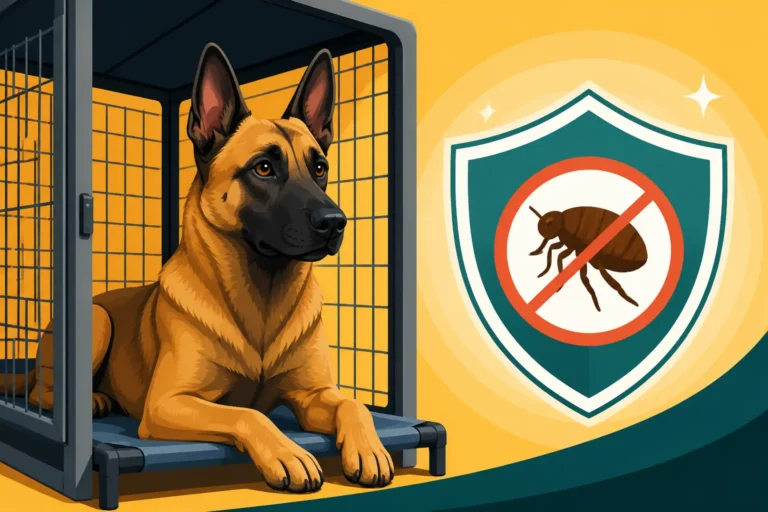
Beyond allergies, parasites are a huge factor, and often overlooked by owners. We might think our flea prevention is top-notch, but even a single flea bite can trigger a massive allergic reaction in a flea-sensitive Malinois, leading to intense itching and secondary infections. Mites, though less common, are also a possibility and require specific diagnostics. Imagine your Malinois, who is usually focused on the task at hand, suddenly breaking concentration to gnaw at their flank because of an unseen invader. It's distracting for them and frustrating for you.
And let's not forget bacterial or fungal infections. When your Malinois scratches, they damage their skin barrier, creating a perfect entry point for bacteria (leading to pyoderma) or yeast (often Malassezia). These secondary infections themselves cause intense itching, creating a vicious cycle. You'll often see redness, scabs, hair loss, and sometimes a foul odor. It's easy to mistake these for the original problem, but they're usually a consequence of the initial itch. This is especially true for dogs like Malinois who are constantly active and might pick things up from the environment, leading to Hot Spots on a Malinois After Water Training.
The Importance of a Vet Visit Before Self-Treating
I cannot stress this enough: medicated shampoo is a treatment tool, not a diagnostic one. Your Malinois deserves a proper diagnosis from a veterinarian before you start slathering them in anything other than a gentle, moisturizing shampoo. Why? Because using the wrong medicated shampoo can mask symptoms, make the problem worse, or be completely ineffective, simply delaying the relief your dog desperately needs.
For example, if your Malinois has a bacterial infection, an antifungal shampoo won't do much. If they have allergies, a general antibacterial shampoo might help with secondary issues, but it won't address the root cause, meaning the itching will likely return. A vet can perform skin scrapes to look for mites, cytology to identify bacteria or yeast, and discuss allergy testing or elimination diets. They can also rule out other less common but serious conditions that might present as skin issues, like A Malinois Whose Thyroid Has Given Out or certain autoimmune diseases.
Think of it this way: your Malinois is an elite athlete. You wouldn't treat a performance injury with a generic painkiller without knowing the exact issue, right? Their skin, their largest organ, deserves the same level of precise care. Your vet will help tailor a treatment plan that might include oral medications, dietary changes, and then the appropriate medicated shampoo.
Navigating the World of Medicated Shampoos for Malinois
Once you have that veterinary diagnosis, and your vet has recommended medicated shampoo, the real work of choosing and using it begins. It's not as simple as picking up the first bottle you see; understanding the different types and their active ingredients is key to effectively supporting your Malinois's recovery.
Types of Medicated Shampoos and Their Uses
Medicated shampoos are formulated with specific active ingredients to target different skin issues. Here's a breakdown of what you might encounter:
- Antifungal Shampoos: These are designed to combat yeast and fungal infections. Common active ingredients include ketoconazole and miconazole. If your Malinois has that tell-tale "yeasty" smell, or greasy, thickened skin, these are often prescribed. They work by disrupting the cell membranes of fungi, killing them or inhibiting their growth. You'll often find these combined with antibacterial agents for a broader spectrum approach, as yeast infections frequently co-occur with bacterial ones.
- Antibacterial Shampoos: When bacteria are the primary or secondary cause of itching and skin lesions, antibacterial shampoos step in. Chlorhexidine is the superstar here, a powerful antiseptic that kills a wide range of bacteria. It's often found in concentrations like 2% or 4%. Another common ingredient is ethyl lactate. These shampoos help cleanse the skin, reduce bacterial load, and allow the skin to heal.
- Antiparasitic Shampoos: While modern flea and tick preventatives (oral or topical) are usually the first line of defense, sometimes an antiparasitic shampoo might be recommended as an initial knock-down treatment for severe infestations, especially if other options aren't immediately available or suitable. Ingredients like pyrethrins are typically found in these. However, for a high-drive working dog, relying solely on shampoo for parasite control isn't practical or effective long-term. You're better off with a reliable systemic preventative.
- Anti-itch/Soothing Shampoos: These aren't typically "medicated" in the sense of targeting specific pathogens, but they are crucial for providing symptomatic relief and supporting the skin barrier. Ingredients like colloidal oatmeal, aloe vera, and pramoxine hydrochloride help to calm irritated skin, reduce inflammation, and provide a temporary numbing effect. They're often used in conjunction with more potent medicated shampoos or as a maintenance shampoo for dogs with chronic allergies. Some Malinois with Atopy in a Belgian Malinois might benefit greatly from these for comfort.
It's really important to note that many effective medicated shampoos, particularly those prescribed by veterinarians, will contain a combination of these active ingredients to tackle multiple problems at once. For instance, a chlorhexidine and ketoconazole shampoo is a common go-to for mixed bacterial and yeast infections.
What to Look For in a Malinois-Specific Medicated Shampoo
Beyond the active ingredients, there are other factors to consider when selecting a medicated shampoo for your Malinois:
- Concentration of Active Ingredients: Over-the-counter options might have lower concentrations, while vet-prescribed products usually have higher, more effective levels. Always defer to your vet's recommendation.
- pH Balance: A dog's skin pH is different from a human's. Look for shampoos formulated specifically for dogs to ensure it won't strip natural oils or further irritate the skin.
- Avoidance of Harsh Chemicals and Fragrances: Many conventional shampoos contain dyes, perfumes, and sulfates that can be irritating to already compromised skin. For an itchy Malinois, you want something as gentle and "clean" as possible to avoid triggering further reactions. The goal is to heal, not to add more irritants.
- Reputable Brands and Accessibility: Your vet will often recommend specific brands they trust. You might find these specialized shampoos directly from your vet's office, or through online retailers like Chewy or Amazon. When purchasing online, always ensure you're buying from a reputable seller to avoid counterfeit products, especially for something as critical as medicated treatment. For instance, a quick search on Chewy for "chlorhexidine dog shampoo" will bring up several options, but your vet can guide you to the correct strength and formulation.
The Step-by-Step Guide to Bathing an Itchy Malinois with Medicated Shampoo
Bathing a Belgian Malinois can be an Olympic sport in itself, even when they're perfectly healthy and calm. Add in itching, discomfort, and the need for specific contact times, and you've got a challenge on your hands. But don't despair! With preparation and patience, you can make medicated baths an effective part of their treatment.
Preparation is Key: Gathering Your Supplies and Your Malinois
A successful medicated bath starts long before the water even runs. Your Malinois is incredibly intelligent and perceptive, and they'll pick up on your stress. So, take a deep breath, and get everything ready beforehand.
First, gather your supplies:
- The medicated shampoo: Obviously! Have it open and ready to go.
- Warm water: Ensure the water temperature is comfortable. Not too hot, not too cold.
- Non-slip mat: Essential for safety in the tub or shower, as a Malinois can easily lose their footing and injure themselves.
- Plenty of towels: More than you think you'll need. One for under the dog, a few for drying, maybe even one to drape over them during contact time.
- Cotton balls: To gently place in their ears to prevent water from entering, which can lead to ear infections, especially in dogs with erect ears.
- Eye protectant: A veterinary-approved ophthalmic ointment can be placed in their eyes to protect them from shampoo irritation. This is particularly important for dogs that might have light sensitivity or conditions like Pannus and the Sunlight That Drives It in Malinois.
- High-value treats: Your Malinois lives for work and rewards. Having their absolute favorite treats on hand will make this experience much more positive.
- A brush: To pre-brush your Malinois and remove any loose hair or debris. This helps the shampoo penetrate to the skin more effectively. Even a short-coated Malinois like yours has an undercoat that sheds, so a good brush helps. [The Short Coat a Malinois Actually Sheds] actually drops a surprising amount of hair!
- A helper (if possible): An extra set of hands to hold, distract, or reward can make a world of difference.
Next, prepare your Malinois: If your Malinois associates bath time with a struggle, try to make it a calm, positive experience. Exercise them thoroughly before the bath. A tired Malinois is a more compliant Malinois. Play a long game of fetch, go for a vigorous run, or do some obedience work. This burns off some of that intense energy and makes them more likely to stand still, or at least be less frantic. Lure them into the bathing area with treats, speak in a calm, soothing voice, and avoid showing any anxiety yourself.
The Application and Contact Time: Making it Count
This is where the medicated part truly comes into play. You can't just slap the shampoo on and rinse it off; the active ingredients need time to work their magic on the skin.
- Thorough Wetting: Completely saturate your Malinois's coat with warm water. This means getting down to the skin everywhere. If they have a dense coat, this can take a few minutes. Make sure their entire body is wet, from the base of their neck to their tail, and especially all the itchy spots.
- Applying the Shampoo: Dispense a generous amount of shampoo and begin applying it, working it deep into the coat with your fingers. Start from the neck and work your way back, ensuring you cover all affected areas. Lather thoroughly. Many owners focus on the coat, but remember, the problem is on the skin, so massage it in well. Be extra careful around their face – you don't want to get shampoo in their eyes or nose.
- Critical Contact Time: This is the make-or-break step. Most medicated shampoos require a contact time of 5 to 10 minutes (always check the bottle or your vet's instructions). This means the lather needs to sit on your Malinois's skin for that entire duration. This is tough with a Malinois! They are built to move, to work, to do something. Keeping them still and soaked for 5-10 minutes can feel impossible.
- Strategies for Contact Time:
- Distraction: Offer a Kong filled with peanut butter, a lick mat stuck to the tub wall, or scatter treats on the non-slip mat. Keep their mouth busy!
- Massage: Continue to gently massage the shampoo into their skin. This not only helps with penetration but can be soothing for some dogs and keeps them engaged.
- Praise and Rewards: Continuously praise your Malinois in a calm voice and give small, frequent treats for standing still.
- Wrap-around: Sometimes, draping a warm, damp towel over their back can help keep them warm and the shampoo from drying out, though some Malinois might object to this.
- Enlist a helper: One person holds the Malinois gently but firmly, offering treats, while the other applies and massages the shampoo.
- Strategies for Contact Time:
Remember, if your Malinois has a severe yeast or bacterial infection, this contact time is vital for the active ingredients to kill off the organisms. Skipping it severely diminishes the shampoo's effectiveness.
Rinsing and Drying: The Final, Crucial Steps
You've made it through the contact time, now don't undo all that good work with a rushed rinse!
- Thorough Rinsing: This is just as important as the contact time. Rinse, and then rinse again. And then think about rinsing one more time. Shampoo residue left on the skin can cause irritation, dryness, and even more itching, which defeats the entire purpose of the medicated bath. Use lukewarm water and ensure every trace of lather is gone. Pay special attention to the armpits, groin, and under the tail, where shampoo can hide. You should feel the coat squeaky clean, not slick.
- Gentle Drying:
- Towel Drying: Start by gently squeezing excess water from their coat. Then use your towels to blot and rub, getting as much moisture out as possible. Be careful not to rub too vigorously on areas of already inflamed skin.
- Air Drying vs. Blow Dryer: In warmer weather, air drying is often fine, especially for a short-coated Malinois. However, ensure they are in a clean, warm environment away from drafts to prevent them from getting chilled. If you use a blow dryer, only use it on a cool or low-heat setting specifically designed for pets. High heat can easily burn their skin, especially if it's already sensitive, and can exacerbate itchiness. A Malinois's short, dense coat can actually hold moisture close to the skin, so ensuring they are thoroughly dry is important to prevent further skin issues. Towel Drying a Malinois in Cold Weather is especially important to prevent them from getting too cold.
- Post-Bath Care: After drying, offer more praise and rewards. Check their ears and gently clean out any water with cotton balls. Avoid putting anything into the ear canal. For dogs with severe skin issues, your vet might recommend a follow-up topical treatment or spray.
Beyond the Bath: Ongoing Care for an Itchy Malinois
Medicated shampoos are a powerful tool, but they are rarely the only solution. Long-term management of an itchy Malinois requires a holistic approach that goes beyond the tub.
Frequency of Medicated Baths and Long-Term Management
The frequency of medicated baths will be explicitly instructed by your veterinarian. For acute infections, it might be every other day or every few days initially, then tapering down as the skin improves. For chronic conditions like allergies, it might become a weekly or bi-weekly maintenance routine.
The key is commitment. Missing baths, or not following the contact time, will hinder progress and prolong your Malinois's discomfort. This is where patience really pays off. Think of it as part of their job, just as important as a training session or a tracking exercise.
Long-term management often involves:
- Oral Medications: Antihistamines, steroids, or newer allergy medications might be prescribed to control the underlying itch.
- Dietary Changes: For food allergies, a prescription hydrolyzed protein diet or a novel protein diet (like some excellent options found on Ollie) might be necessary for several weeks to months to see improvement. For general skin health, a high-quality diet rich in omega fatty acids can be beneficial.
- Supplements: Omega-3 fatty acids (fish oil) are fantastic for skin and coat health, helping to reduce inflammation and improve the skin barrier. You can often find reputable brands on Amazon or at your local pet store. Your vet might also recommend specific probiotics if gut health is a concern, as Whether a Probiotic Settles a Malinois's Gut can sometimes be linked to skin issues.
This isn't just about treating symptoms; it's about addressing the whole picture to keep your Malinois comfortable and ready for whatever challenge you throw at them.
Preventing Future Itchiness and Maintaining Skin Health
Once your Malinois's skin has improved, your goal shifts to prevention and maintenance.
- Regular Grooming: Even with a short coat, regular brushing helps distribute natural oils, remove loose hair and dander, and allows you to routinely Checking a Belgian Malinois Over After a Session for any early signs of skin irritation. While a Malinois rarely needs professional grooming, consistent home care is vital.
- Appropriate Diet: Continue feeding a high-quality diet suitable for a high-energy dog. If food allergies were diagnosed, stick to the prescribed diet. Even if not, consider Food Sensitivities in a Belgian Malinois as a possible factor in subtle skin issues.
- Consistent Flea and Tick Prevention: This is non-negotiable. Use a veterinarian-recommended product year-round to prevent parasite-triggered itching.
- Environmental Controls for Allergies: If environmental allergies are identified, minimize exposure where possible. This might mean frequent vacuuming, air purifiers, washing bedding regularly, or even wiping your Malinois down with a damp cloth after outdoor excursions to remove pollen. For Malinois with light sensitivity, managing their exposure to The Sunlight That Drives It in Malinois can be critical.
- Skin Health Supplements: Continue with Omega-3 fatty acid supplements. Whether Omega Oils Calm a Malinois's Skin is a topic often discussed, and for many dogs, they do provide noticeable benefits for skin barrier health and inflammation.
Maintaining a healthy skin barrier is crucial for a Malinois, enabling them to focus on their work, training, and simply enjoying life without the constant distraction of an itch. It's a testament to your dedication as an owner to keep them in peak condition, from their drive to their healthy skin.
Disclaimer
This article is for general informational purposes only and does not constitute professional advice. Laws, prices and regulations vary by location and change over time. Consult a qualified professional for guidance on your specific situation.