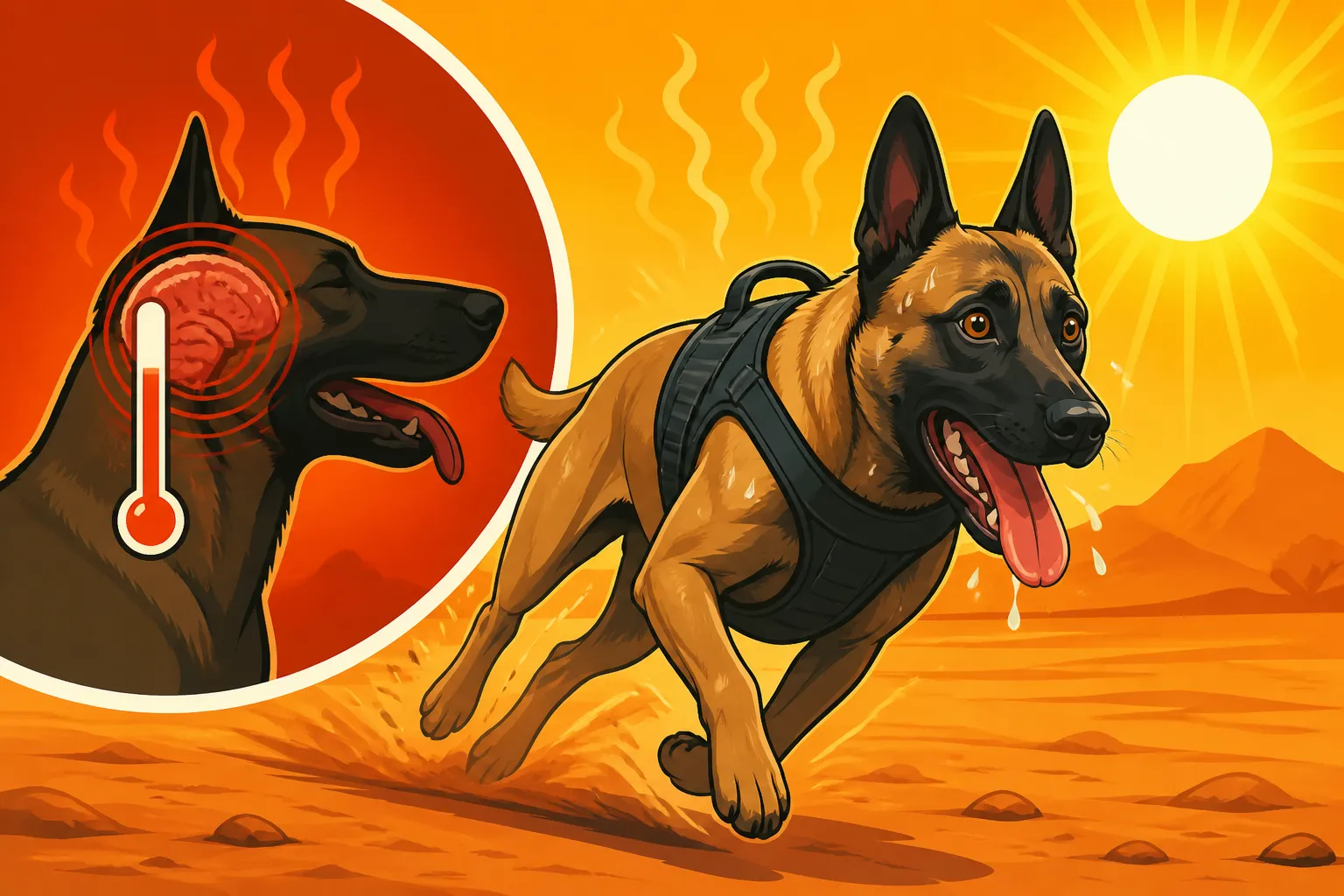
Why a Malinois Runs Itself Into Heat Exhaustion
One of the most concerning truths about owning a Belgian Malinois is their sheer, unyielding drive. They live to work, to run, to push limits—and sometimes, this incredible dedication can put them in serious danger, particularly when the weather heats up. Many owners find themselves in a terrifying situation where their Malinois, despite obvious signs of discomfort, just keeps going, putting them at extreme risk of heat exhaustion. This guide is dedicated to exploring the underlying reasons behind this dangerous trait and arming you with the knowledge to protect your driven companion.
The Malinois Drive: A Double-Edged Sword in the Heat
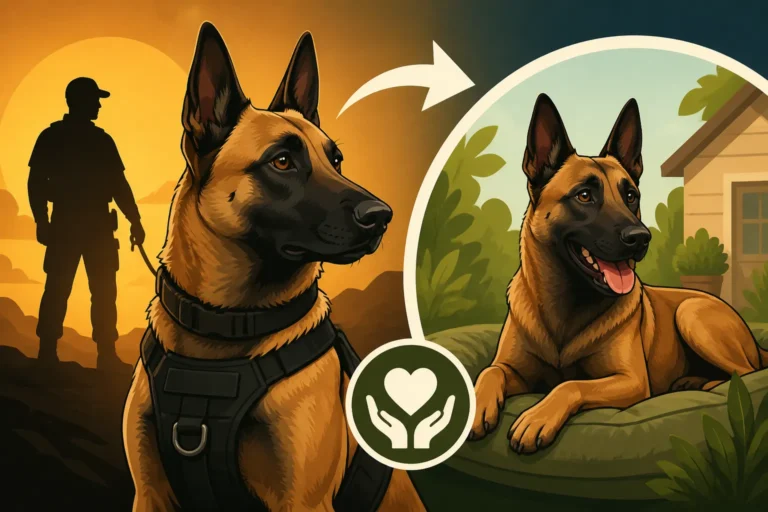
If you've spent any time with a Belgian Malinois, you know their intensity isn't just a rumor; it's a way of life. These dogs are purpose-bred athletes, living bundles of energy and focus. While this drive makes them exceptional partners for police, military, and sport work, it also presents unique challenges, especially when it comes to managing their physical output in warm weather. They don't have an "off" switch quite like other breeds, and that can become a serious problem when temperatures rise.
Unpacking the Malinois "Go" Switch
The term "go switch" for a Malinois isn't just a cute saying; it's a fundamental aspect of their temperament and genetics. These dogs were developed in Belgium for herding, protection, and general farm work, tasks that demanded endless stamina, unwavering focus, and the ability to operate for long periods without complaint. They are, in essence, bred to ignore discomfort in pursuit of a goal. This is why you see them excel in disciplines like IGP, Mondioring, and French Ring, where they perform complex routines requiring extreme physical and mental resilience, often under challenging conditions.
What does this mean for heat exhaustion? It means that once a Malinois is engaged—whether it's chasing a ball, working a track, or performing bite work—their instinct is to keep going. Their high prey drive, their profound desire to please their handler, and their sheer love of "the job" can override their body's natural signals to slow down. They perceive slowing down as failing, as not being good enough, and that's simply not in their DNA. This relentless quality, while admirable, can be incredibly dangerous. You might find your Malinois continuing to retrieve a bumper even when panting heavily, or pushing through a long training session when other dogs would have collapsed. They're not doing it out of stubbornness; they're doing it because their internal programming tells them to complete the task, no matter the cost. Understanding this innate drive is the first step in understanding Why a Malinois Runs Itself Into Heat Exhaustion.
The Mental-Physical Feedback Loop
For a Belgian Malinois, the line between mental engagement and physical exertion is often blurred, especially in high-drive situations. Their incredible mental focus on a task can actually amplify their physical output and suppress their awareness of physical discomfort. It’s a powerful feedback loop: the more engaged their mind is with the "job," the more their body is compelled to perform, even if it's operating beyond safe limits.
Imagine your Malinois on a tracking line, nose to the ground, fully absorbed in following a scent. Every fiber of their being is focused on that track. They are so mentally consumed by the task that they might not register the rising body temperature, the heavy panting, or the early signs of fatigue that would cause a less driven dog to break focus and seek shade. Or consider a Malinois working a bite sleeve; the adrenaline, the intensity of the engagement, and the singular purpose of apprehending the "bad guy" can push them to ignore what their body is screaming at them. This mental override is a crucial factor in why they run themselves into trouble. They're not consciously deciding to ignore the heat; their brain is just so hyper-focused on the task at hand that the warning signals from their body are deprioritized until it's almost too late. This intense mental fortitude is what makes them exceptional working dogs, but it also means handlers must be exceptionally vigilant about their physical state, particularly when pushing their limits during training. It's up to us to recognize Reading Heat Stress on a Malinois Mid Session before they do.
Physiological Factors Making Heat Exhaustion a Real Threat
Beyond their mental tenacity, specific physiological aspects of the Belgian Malinois contribute to their susceptibility to heat exhaustion. Their body is a finely tuned machine, built for explosive power and endurance, but these very attributes can work against them in challenging environmental conditions. It's not just about their willingness to work; it's about how their bodies process and dissipate heat.
Metabolism and Body Heat Production
Belgian Malinois have an incredibly high metabolism. Think about it: they're typically lean, muscular, and perpetually in motion. This high metabolic rate is fantastic for generating the energy needed for their demanding work, but a byproduct of energy production is heat. When a Malinois is engaged in strenuous physical activity, their muscles are working overtime, burning fuel, and consequently generating a significant amount of internal body heat. This is like a high-performance engine running at full throttle; it generates a lot of power, but it also gets very hot, very quickly.
Compared to a more sedentary breed or even a larger, slower working dog, a Malinois can build up internal heat at an alarming rate during intense exercise. Their bodies are designed for efficiency and power, not necessarily for passive cooling under extreme exertion. If they're Hydrating a Belgian Malinois During Training properly, it helps, but water alone can't counteract the sheer heat production of a dog running at peak performance in warm weather. This means that a Malinois might be producing more internal heat than its body can effectively dissipate, leading to a rapid rise in core body temperature and pushing them towards heat exhaustion faster than you might expect. This is why careful consideration of The Temperature a Belgian Malinois Should Not Train In is paramount.
Inefficient Cooling Mechanisms
Dogs primarily cool themselves through panting and, to a lesser extent, through their paw pads. Unlike humans who sweat profusely across their skin, a dog’s sweating mechanism is limited. For a breed like the Belgian Malinois, especially one in full drive, these cooling mechanisms can quickly become overwhelmed, making them highly vulnerable to overheating.
When a Malinois is intensely active, their body temperature rises. Panting helps to evaporate moisture from the respiratory tract, which carries heat away from the body. However, if the humidity is high, the air is already saturated with moisture, making evaporation less efficient. It’s like trying to dry clothes on a rainy day; it just doesn't work as well. The short coat of a Malinois, while not as insulating as a thick double coat, doesn't offer much in the way of cooling either. In direct sunlight, a dark coat can even absorb more radiant heat. Furthermore, the sheer volume of heat generated by their high metabolism and constant exertion can exceed the rate at which panting can dissipate it. Their bodies are simply not built to cool down quickly enough when pushed to extremes, especially when the external environment is also working against them. This is why even a seemingly mild day can be dangerous if the humidity is high and your Malinois is in full work mode.
Identifying the Signs of Overheating
Recognizing the early signs of overheating is critical for a Malinois owner, as these dogs will often try to hide their discomfort until it’s severe. Heat exhaustion is a progressive condition, and catching it early can prevent it from escalating into life-threatening heatstroke. You need to be a detective, looking for subtle cues.
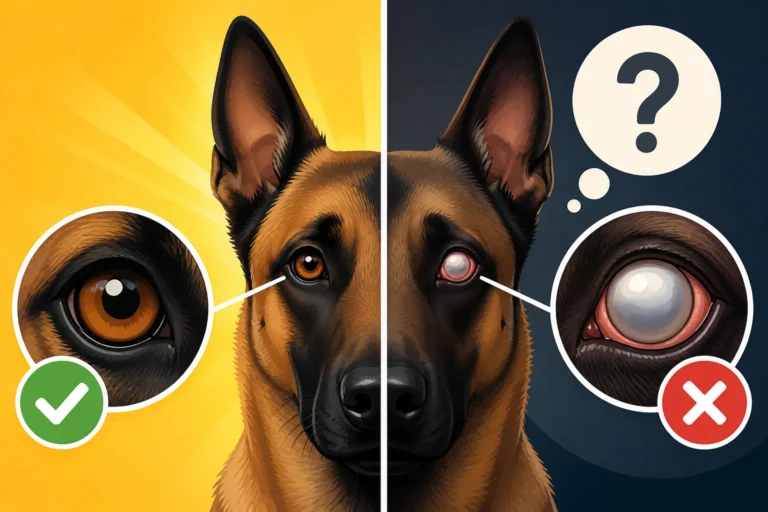
Initially, you might notice your Malinois panting more heavily than usual, with their tongue longer and wider than normal, and their gums a darker red. They might become restless or appear less responsive to commands. As it progresses, their panting will become frantic and shallow, and you might see drooling, glazed eyes, or a stumbling, uncoordinated gait. They might seek shade or water more intensely, or conversely, become completely disoriented. It's a fine line between normal exertion and distress, and it's something you learn to gauge by knowing your individual dog extremely well. Ignoring these early warnings can lead to heatstroke, characterized by collapse, vomiting, diarrhea, seizures, and even organ failure. If you ever suspect heatstroke, immediate action is crucial, as every minute counts. Having a reliable pet insurance provider like Healthy Paws can give you peace of mind, knowing that if your dog requires emergency veterinary care, you'll be supported. Understanding Heat Stroke in a Belgian Malinois in a Patrol Car can provide further insight into the severity of this condition.
| Sign of Overheating | Early Stage (Heat Exhaustion) | Advanced Stage (Heatstroke) |
|---|---|---|
| Panting | Heavier, more rapid than usual; longer, wider tongue | Frantic, shallow, sometimes gasping; struggling to breathe |
| Gums | Dark red, bright red | Brick red, purple, or pale/grayish |
| Saliva | Increased drooling, thick, ropy saliva | Very excessive, thick, foamy saliva |
| Energy/Behavior | Restlessness, seeking shade/water, mild slowing down, decreased focus | Stumbling, disorientation, collapse, seizures, unresponsiveness, vomiting, diarrhea |
| Body Temperature | Elevated (above 103°F/39.4°C, but below 106°F/41.1°C) | Dangerously high (above 106°F/41.1°C), often rising quickly |
| Other | Warm to the touch | Tremors, muscle weakness, abnormal heart rate |
Environmental Risks and Management Strategies
The environment plays a huge role in how quickly a Malinois can overheat. It's not just the temperature outside, but a combination of factors that create a perfect storm for heat-related illnesses. As owners, we need to be acutely aware of these risks and adjust our training and management strategies accordingly. This proactive approach is essential for keeping our driven dogs safe and sound.
Understanding High-Risk Conditions
Heat exhaustion isn't just about a high number on the thermometer; it's a complex interaction between temperature, humidity, and radiant heat. A 75-degree Fahrenheit day with high humidity can be far more dangerous than an 85-degree day with very low humidity. Humidity traps heat and makes it nearly impossible for a dog to cool itself effectively through panting because the air is already saturated with moisture, preventing evaporative cooling. Direct sunlight also acts as a radiant heater, directly warming your dog's body, especially if they have a darker coat.
Then there's the ground itself. Asphalt on a sunny day can reach scorching temperatures, easily burning paw pads and transferring significant heat to your dog's body. Concrete, sand, and artificial turf can also become dangerously hot. Even grassy fields can be misleading if the sun is relentless. Consider the heat island effect in urban areas; concrete jungles can be significantly hotter than nearby rural spots. When planning any activity, especially high-drive work like Two Hours and a Job a Belgian Malinois Demands Daily, you need to assess the entire environmental picture. Overlooking any one of these factors can have serious consequences. If you're in a region prone to intense summers, strategies for Keeping a Malinois Through a Southern Summer become vital.
Proactive Prevention and Training Adjustments
Preventing heat exhaustion in a Malinois requires a mindful and proactive approach, especially if you live in a warmer climate or participate in active sports. It starts with making smart choices about when and where you train. Always aim for the coolest parts of the day: early mornings or late evenings. Avoid midday sun completely. If you must train in warmer conditions, drastically shorten your sessions and increase rest breaks. Think quality over quantity. Instead of pushing for an hour, do intense 10-15 minute bursts with longer cool-down periods.
Hydration is paramount. Always have fresh, cool water readily available, not just during breaks, but before and after training. Consider adding ice to their water bowl or using a collapsible bowl that you can fill with cold water from a cooler. Cooling vests or cooling towels can be incredibly helpful for lowering core body temperature during breaks or after a session; look for options that wick moisture away efficiently. Many handlers utilize portable fans or even small kiddie pools for their Malinois to splash in, offering a rapid cooldown. Remember, a Malinois will often push past comfort, so you must be their advocate. If you're worried about accidental overheating or injuries during intense training, having pet insurance from a reputable provider like Healthy Paws can provide much-needed financial protection for those unexpected vet visits.
Emergency Response and Veterinary Care
Despite our best efforts, sometimes accidents happen, or a Malinois pushes too hard. Knowing how to respond immediately to heat exhaustion or suspected heatstroke can be life-saving. The moment you notice concerning signs, stop all activity immediately. Move your dog to the coolest, shadiest spot available, ideally somewhere with a breeze or air conditioning.
Begin cooling your dog down gently. Apply cool (not ice cold) water to their body, especially their belly, groin, armpits, and paw pads. You can use towels soaked in cool water or even a hose on a gentle setting. Crucially, do not use ice water directly, as this can cause vasoconstriction, constricting blood vessels and hindering heat dissipation from the core, potentially sending them into shock. Offer small amounts of cool water to drink, but don't force it. Once you've started the cooling process, contact your veterinarian or the nearest emergency vet clinic immediately. Even if your dog seems to be recovering, a vet visit is essential to check for internal damage to organs that might not be immediately apparent. On the way to the vet, keep the car air conditioning running high. This kind of Emergency Care After a Malinois Training Injury is exactly what pet insurance from companies like Healthy Paws is designed to help with, making sure you can focus on your dog's health without added financial stress. They'll likely need intravenous fluids, further cooling, and monitoring to ensure no lasting organ damage has occurred.
Disclaimer
The information provided in this guide is for general educational purposes only and should not be considered a substitute for professional veterinary advice. Always consult with a qualified veterinarian for any health concerns or before making any decisions related to your Belgian Malinois's care.