Feeding a Malinois That Has Left the Job
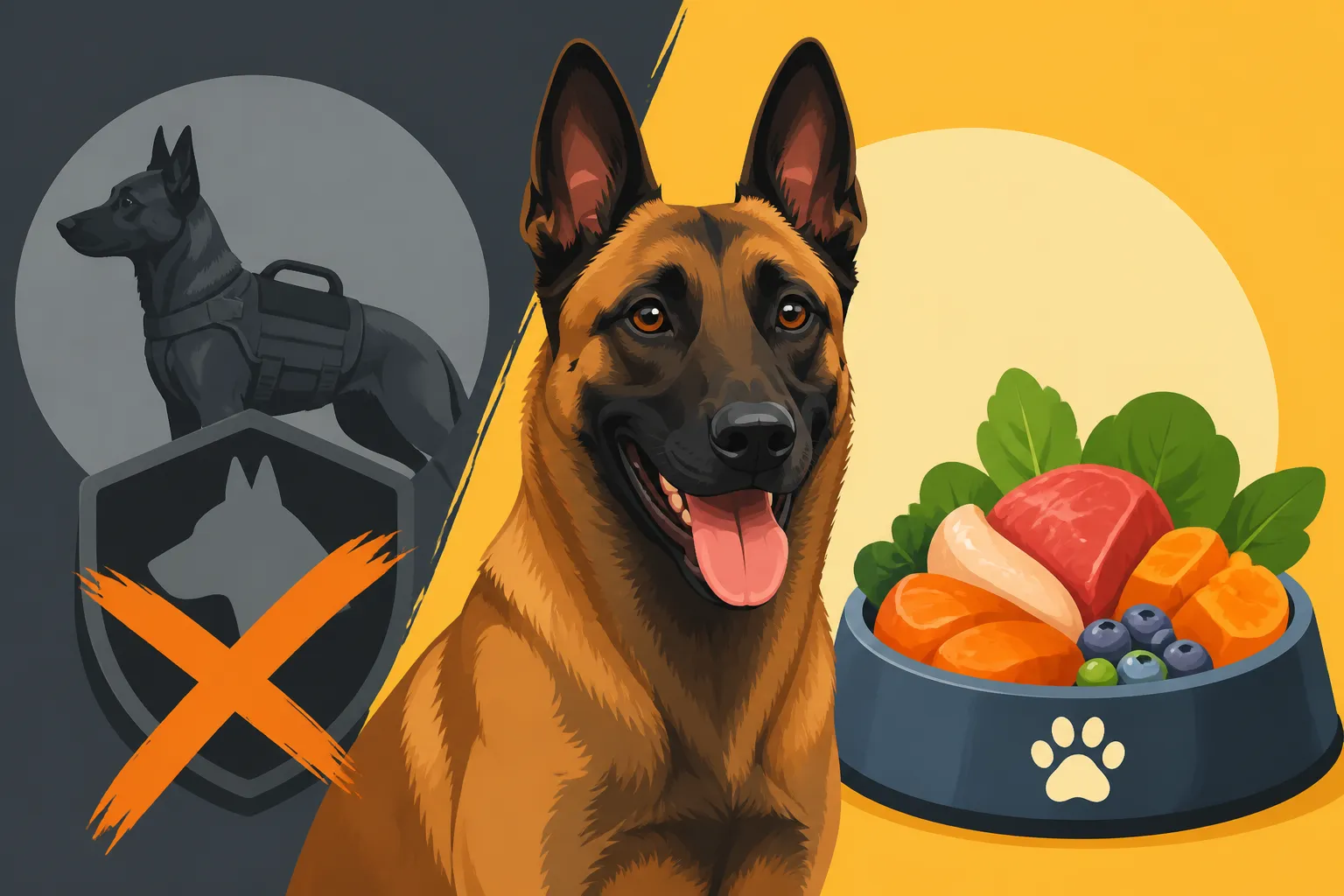
It's a bittersweet moment when your once tireless Belgian Malinois, the dog that ate like a horse and burned it off before you could blink, finally starts to slow down and leaves their working life behind. You've seen them perform with incredible intensity, but now that the high-octane job is over, you're faced with the very real challenge of adapting their care, especially their diet, to suit a new, more relaxed pace of life. This guide will walk you through how to navigate the nutritional changes and ensure your retired Malinois stays healthy, comfortable, and happy in their well-deserved golden years.
Understanding the Metabolic Shift in a Retired Malinois
When a Belgian Malinois is actively working, whether it's in bite sport, detection, military, or police service, their body is a finely tuned machine operating at peak performance. They're burning an incredible amount of calories, maintaining lean muscle mass, and recovering from intense physical exertion day in and day out. Owners of these dogs quickly learn that feeding a working Malinois isn't like feeding a typical pet dog; it's a science. But what happens when that demanding job ends? The metabolism shifts, and often, quite dramatically.
Decreased Energy Expenditure and Caloric Needs
The most obvious change in a retired Malinois is their energy output. Those hours of rigorous training, the adrenaline-fueled scenarios, the long patrols, or the high-impact jumps in ring sport are no longer part of their daily routine. Even if you're still providing regular exercise – and you absolutely should be – it won't be at the same intensity or duration as their working life. This directly translates to a significant drop in caloric needs. Continuing to feed the same high-performance diet your Malinois consumed while working will almost certainly lead to weight gain, and that's the last thing an aging dog needs.
It’s not just the visible exercise that decreases. The mental load of a working dog is immense, and even that burns calories. Think about the focus required for complex detection tasks or the mental stamina for a long tracking problem; those intense mental efforts contribute to their overall energy expenditure. When that mental "job" lessens, so too does a portion of their caloric burn. You might notice your dog is more relaxed, sleeps more, and isn't pacing with the same frantic energy they once did. This calm is a welcome change for many owners, but it underscores the need for dietary adjustment. The goal now is to maintain The Lean Condition a Belgian Malinois Should Carry without overfeeding.
Changes in Muscle Mass and Body Composition
Along with decreased activity, age itself brings changes. Even the most athletic Malinois will start to lose some muscle mass as they age, a process known as sarcopenia. While regular, appropriate exercise can help slow this process, it's inevitable to some extent. Muscle tissue is metabolically more active than fat tissue, meaning it burns more calories even at rest. As muscle mass naturally declines and activity lessens, the body's overall resting metabolic rate can decrease.
This shift in body composition means that the retired Malinois becomes more prone to gaining fat if their diet isn't adjusted. That hard, lean, corded musculature that was a hallmark of their working physique will soften slightly. This isn't necessarily a bad thing, but it means you need to be vigilant about their weight. Extra weight puts undue stress on joints that may already be showing signs of wear and tear, exacerbates conditions like arthritis, and can contribute to a host of other health problems. Monitoring Holding Condition on a Retired Malinois becomes paramount.
Adjusting the Diet for a Less Active Lifestyle
Once you recognize that your retired Malinois isn't the same calorie-burning machine they once were, the next step is to carefully adjust their diet. This isn't about drastic cuts overnight, but a thoughtful transition to a food that supports their new phase of life while keeping them at a healthy weight and ensuring they still get all the necessary nutrients.
Choosing the Right Food Formula
The high-protein, high-fat performance kibbles designed for intensely active dogs, while excellent for their working years, are often no longer appropriate. These formulas are packed with dense calories to fuel sustained exertion. For a retired dog, you'll want to look for a senior-specific formula or a "less active" or "weight management" diet. These foods typically have a lower calorie density, often achieved by reducing fat content, and may include ingredients beneficial for aging dogs.
When scrutinizing food labels, pay attention to the protein sources. While overall fat content might decrease, maintaining adequate protein intake is still crucial to help preserve muscle mass, even if it's not the same explosive muscle. Look for high-quality, easily digestible protein sources like chicken, turkey, lamb, or fish as the first few ingredients. Some senior formulas might also include ingredients like glucosamine and chondroitin for joint health, or L-carnitine to support fat metabolism. You might find a good selection of these specialized foods on platforms like Chewy, which often details ingredient lists and nutritional breakdowns.
Determining the Appropriate Portion Sizes
This is where many owners struggle, and understandably so. You're used to seeing your Malinois inhale multiple cups of food and still be lean. Now, those portions need to shrink. There's no one-size-fits-all answer, as every dog's metabolism is unique, even in retirement. The feeding guidelines on the back of senior or weight management dog food bags are a good starting point, but they are just that – a starting point. Your dog's individual needs may vary.
Start by reducing their current portion by about 10-20% and closely monitor their weight and body condition over the next few weeks. You should be able to easily feel their ribs without seeing them prominently, and they should still have a noticeable waist when viewed from above. If they're gaining weight, reduce further. If they seem too thin, or if their energy levels drop excessively (beyond what's expected for retirement), you might need to slightly increase. It’s a process of titration. I recommend regular weigh-ins, perhaps weekly or bi-weekly, to track progress accurately. This dedication to portion control is key to Keeping a Belgian Malinois Sound Past Twelve.
Supporting Common Health Changes in Older Malinois
Retirement often coincides with advancing age, bringing with it a new set of health considerations. A thoughtful diet can go a long way in managing and supporting these changes, making their golden years more comfortable.
Joint Health and Mobility Support
One of the most common issues in aging, athletic breeds like the Malinois is osteoarthritis. Years of high-impact work, sudden stops, tight turns, and powerful jumps can take a toll on their joints. While the intensity of their work has decreased, the cumulative wear and tear remains. Dietary support for joint health becomes incredibly important. Many senior dog foods incorporate joint-supportive ingredients, but some Malinois might benefit from additional supplementation.
Look for supplements containing glucosamine, chondroitin, MSM, and omega-3 fatty acids (EPA and DHA). These ingredients are known to help reduce inflammation, support cartilage health, and improve joint lubrication. You can find a wide range of these supplements online, for example, through retailers like Amazon, offering various formulations from chews to powders. Discuss with your veterinarian which supplements and dosages are most appropriate for your individual dog, especially if they have diagnosed arthritis or specific mobility issues. Even subtle signs a Malinois's hips are failing under load should prompt a conversation with your vet.
Managing Dental Health
Dental disease is incredibly prevalent in older dogs, and Malinois are no exception. Years of chewing on bite sleeves, tugs, or just being a typical dog can lead to plaque and tartar buildup, gum disease, and even broken teeth. While their working teeth might have been subject to Chipped Canines on a Malinois From Sleeve Work, retirement doesn't mean dental care stops being important. In fact, it's often more important as they age.
Untreated dental disease can lead to pain, difficulty eating, and even systemic infections affecting the heart, kidneys, and liver. Incorporating dental chews designed for older dogs, or even brushing their teeth regularly with a dog-specific toothpaste, can help. Some specialized senior diets have kibble designed to help clean teeth as the dog chews. If your Malinois has significant dental issues, softer foods, or even wet food, might be necessary to ensure they can eat comfortably and maintain their nutrition. Your vet might also recommend routine dental cleanings under anesthesia to address existing issues.
Weight Management and Prevention of Obesity
We've touched on this already, but it bears repeating: obesity is a serious concern for retired Malinois. It's often easier to prevent than to reverse. An overweight Malinois is at higher risk for diabetes, heart disease, respiratory problems, and, as mentioned, exacerbated joint issues. Their already powerful heart, which served them so well in their working career, can struggle under the strain of carrying extra pounds.
Regularly body condition scoring your dog is a great habit to get into. Stand over them and look for a waist. Feel their ribs, spine, and hip bones – you should be able to feel them easily without them being sharply protruding. If you have to dig to find them, your dog is likely overweight. If you're struggling to manage their weight, consulting with your veterinarian for a personalized weight loss plan is crucial. This might involve a prescription diet specifically formulated for weight reduction, which provides a feeling of fullness with fewer calories. Remember, The Sixty to Eighty Pounds a Male Malinois Carries and The Forty to Sixty Pounds a Female Malinois Carries are averages, and individual leanness varies.
Hydration and Specialized Nutritional Needs
Beyond the basic kibble changes, considering hydration and other specialized nutritional needs can further enhance the quality of life for your retired Malinois. These small adjustments can make a big difference in their overall well-being.
Encouraging Adequate Water Intake
Hydration is vital for all dogs, but especially for older ones. Older dogs can sometimes be less efficient at regulating their body temperature and may be more prone to dehydration. They might also be less inclined to seek out water as frequently. Adequate water intake supports kidney function, aids in digestion, and helps lubricate joints.
Ensure fresh, clean water is always available. You might consider placing multiple water bowls around the house, especially if your Malinois has mobility issues that make it difficult to get to one central location. Some dogs are enticed to drink more from a pet water fountain, which keeps the water circulating and fresh. Adding a little bit of low-sodium broth to their water or incorporating wet food into their diet can also increase their fluid intake. Even a fresh food delivery service like Ollie, which often includes higher moisture content, could be a beneficial way to boost hydration and provide easily digestible nutrients.
Addressing Digestive Sensitivities and Gut Health
As dogs age, their digestive system can become a bit more sensitive. They might not process nutrients as efficiently, or they could develop food intolerances they didn't have before. Signs of digestive upset include loose stools, vomiting, or a decrease in appetite. If you notice these issues, it might be time to re-evaluate their food.
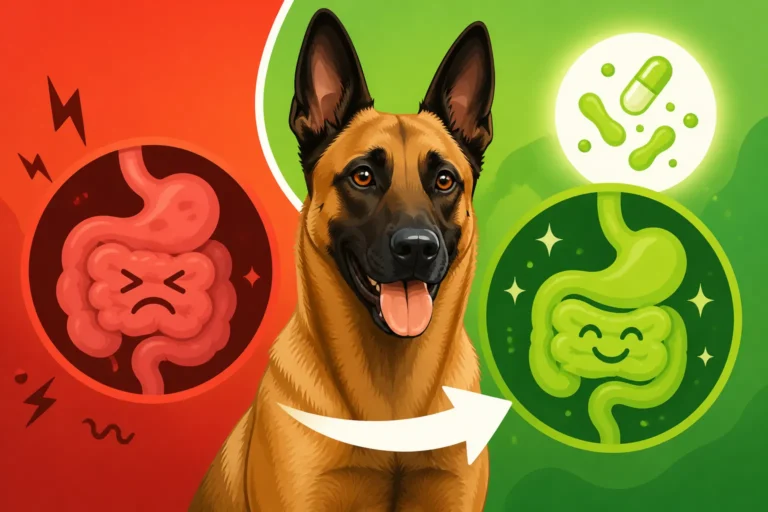
Transitioning to a new food slowly is crucial to avoid gastrointestinal upset. Mix a small amount of the new food with their old food, gradually increasing the proportion of the new food over 7-10 days. Transitioning a Malinois to a Different Kibble should always be a gradual process. Some retired Malinois might benefit from a diet higher in fiber to aid digestion and promote healthy bowel movements. Probiotics and prebiotics, either in their food or as supplements, can also support a healthy gut microbiome, which is essential for nutrient absorption and overall immune function. If digestive issues persist, a veterinary consultation is important to rule out underlying medical conditions.
Table: Dietary Comparison for Active vs. Retired Malinois
To help visualize the key differences in nutritional needs, here's a comparative look at what your Malinois required while working versus in retirement.
| Feature | Working Malinois (Peak Performance) | Retired Malinois (Less Active/Senior) |
|---|---|---|
| Caloric Needs | Very High (2,000-4,000+ kcal/day, depending on intensity) | Moderate to Low (1,200-2,500 kcal/day, highly individual) |
| Protein Level | High (28-35%+) to maintain and repair muscle tissue | Moderate to High (25-30%) to preserve lean muscle, highly digestible |
| Fat Level | High (18-25%+) for sustained energy and skin/coat health | Moderate (10-15%) to reduce calorie density and prevent weight gain |
| Carbohydrates | Moderate (complex carbs for sustained energy) | Moderate (easily digestible, for energy and fiber) |
| Fiber Content | Moderate | Moderate to Higher (to aid digestion and satiety) |
| Key Supplements | Electrolytes, B vitamins, sometimes joint support (preventative) | Joint support (glucosamine, chondroitin, omega-3s), probiotics, antioxidants |
| Meal Frequency | Often 2-3 meals per day, timed around training | Usually 2 meals per day, consistent schedule |
| Food Type Focus | High-performance, energy-dense formulas | Senior-specific, weight management, or less active formulas |
| Hydration | Constant access, often supplemented during work | Constant access, encourage drinking, consider wet food |
Considerations for Specific Health Conditions
Sometimes, a retired Malinois will develop specific health conditions that require tailored dietary approaches. It's not just about general aging anymore; it's about targeted support.
Nutritional Support for Cognitive Decline
Just like humans, some older dogs can experience cognitive decline, sometimes referred to as Canine Cognitive Dysfunction (CCD). You might notice changes in their sleep patterns, increased anxiety, disorientation, or a decrease in interaction. While diet isn't a cure, certain nutrients can help support brain health.
Diets rich in antioxidants, such as vitamins E and C, as well as omega-3 fatty acids (DHA specifically), have been shown to help improve cognitive function in aging dogs. Some senior dog foods are formulated with these "brain-boosting" ingredients. Medium-chain triglycerides (MCTs), found in coconut oil, are another ingredient sometimes included in cognitive support diets, as they can provide an alternative energy source for the brain. Discussing these options with your vet is important, as they can help determine if diet alone is sufficient or if other interventions are needed. Keeping an Old Belgian Malinois Mentally Busy also plays a role alongside diet.
Dietary Adjustments for Kidney or Heart Disease
Unfortunately, some Malinois will face kidney or heart disease in their later years. These conditions often necessitate significant dietary changes that go beyond a typical senior diet. If your veterinarian diagnoses either of these, they will likely recommend a prescription diet specifically formulated to manage the disease.
For kidney disease, diets are typically lower in protein, phosphorus, and sodium, and may be supplemented with omega-3 fatty acids. The lower protein helps reduce the workload on the kidneys, while controlled phosphorus levels can slow the progression of the disease. For heart disease, diets are often restricted in sodium to help manage fluid retention and blood pressure, and may be supplemented with taurine and L-carnitine to support heart muscle function. It is absolutely critical to follow your veterinarian's recommendations precisely for these conditions, as the wrong diet can worsen the prognosis. These specialized foods are often available through veterinary clinics or with a vet's prescription from online pet pharmacies.
Monitoring and Adapting Over Time
The transition to retirement isn't a one-and-done dietary change. Your Malinois's needs will continue to evolve as they age, and ongoing monitoring and adaptation are essential to keep them in optimal health.
Regular Veterinary Check-ups and Bloodwork
Regular check-ups with your veterinarian become even more important for a retired Malinois. These visits are not just for vaccines anymore; they are crucial for early detection of age-related diseases. Your vet might recommend annual or even semi-annual bloodwork to monitor organ function, thyroid levels (as A Malinois Whose Thyroid Has Given Out can impact metabolism), and other vital health indicators.
These check-ups are also your opportunity to discuss any changes you've observed in your dog's appetite, weight, mobility, or behavior. Bring a list of their current diet, supplements, and portion sizes. Your vet can provide tailored advice, suggest dietary adjustments, or recommend further diagnostics if needed. They can help you determine The Bloodwork a Working Malinois Should Have Annually even once they are retired. Don't hesitate to ask questions; you are your dog's best advocate.
Recognizing Signs of Nutritional Imbalance
Even with the best intentions, it's possible for a retired Malinois to develop nutritional imbalances. It's vital to be an astute observer of your dog's condition and behavior. Signs of an imbalance could include:
- Weight changes: Sudden weight loss or gain, despite consistent feeding.
- Coat quality: A dull, dry, or excessively shedding coat could indicate a lack of essential fatty acids or protein. Why Malinois Hair Weaves Into Upholstery is one thing, but excessive shedding is another.
- Energy levels: While a decrease is expected, extreme lethargy or a lack of interest in previously enjoyed activities could be a sign of inadequate nutrition or an underlying health issue.
- Digestive issues: Chronic diarrhea, constipation, or excessive gas are red flags.
- Dental problems: Reluctance to eat, dropping food, or bad breath might indicate pain.
- Muscle loss: While some is normal, significant, rapid muscle wasting could signal insufficient protein.
If you observe any of these signs, don't just guess. Reach out to your veterinarian. They can help identify the root cause, which might be dietary, medical, or a combination of both. Adapting your Malinois's diet in retirement is a continuous process of observation, adjustment, and collaboration with your vet, ensuring they live out their later years in comfort and good health.
Disclaimer
This article is for general informational purposes only and does not constitute professional advice. Laws, prices and regulations vary by location and change over time. Consult a qualified professional for guidance on your specific situation.