Whether a Malinois Works Through Winter Uncovered
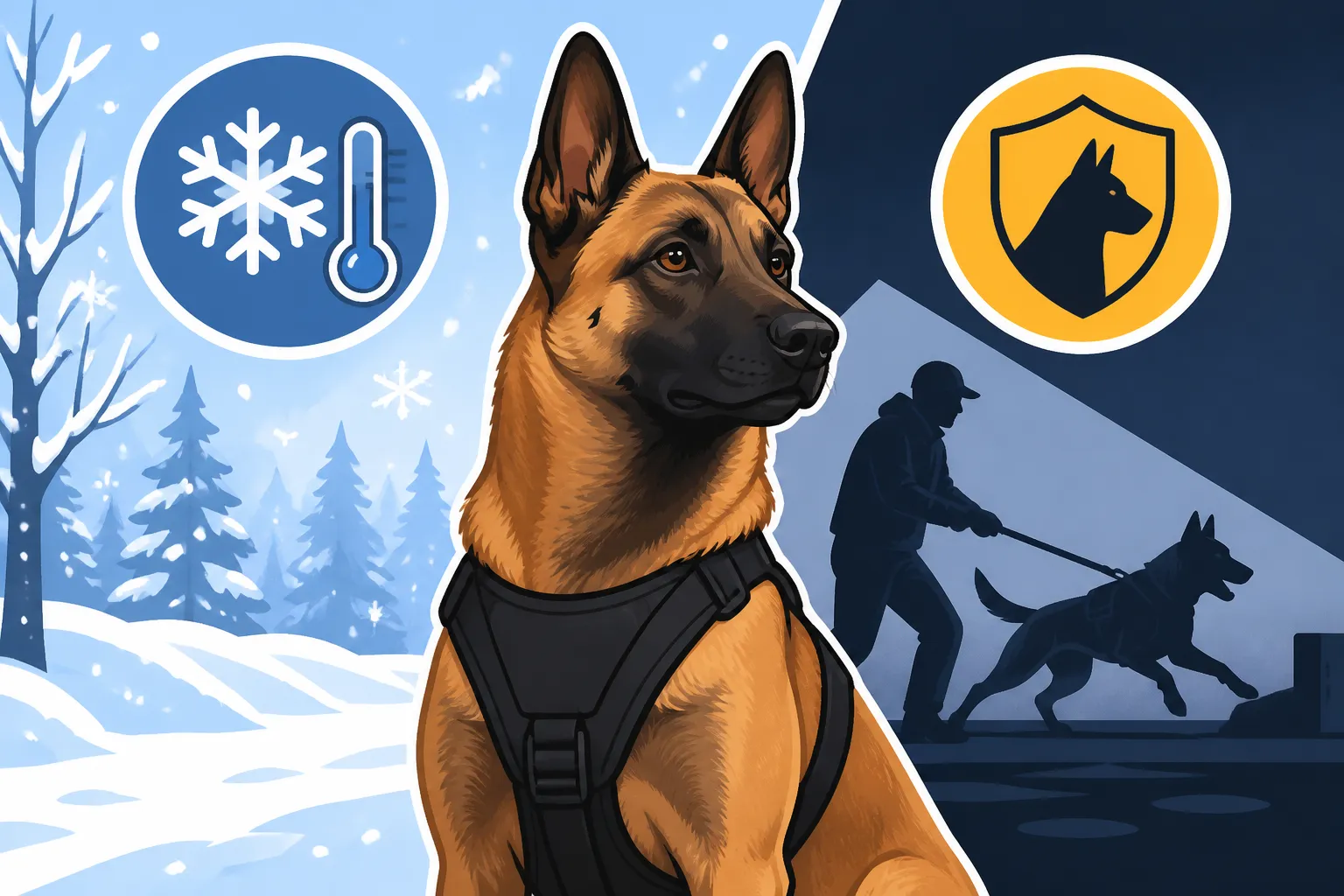
Anyone who lives with a Belgian Malinois knows these dogs are built differently. They seem to have an inexhaustible drive, an incredible tolerance for discomfort, and a sheer refusal to quit, no matter the conditions. This often leads owners to wonder: can my Malinois really work through winter completely uncovered? While their resilience is legendary, the harsh realities of cold weather training and working demand careful consideration. This guide will walk you through understanding your Malinois's true cold tolerance, the risks involved, and how to keep them safe and performing optimally when the temperatures drop.
Understanding Your Malinois's Natural Cold Tolerance
It’s easy to look at a Malinois shivering for a second and then launching into a full-speed retrieve in snow and think they’re impervious to cold. They are certainly tougher than many breeds, but "tough" doesn't mean "immune." There's a science behind their cold tolerance, and recognizing its limits is crucial for their well-being and performance.
The Malinois Coat: More Than Just Short Hair
Despite their seemingly short coat, Belgian Malinois do possess a double coat. This means they have a harsher, water-resistant outer coat (the guard hairs) and a softer, dense undercoat that acts as insulation. This undercoat is what truly keeps them warm by trapping a layer of air close to their body, which is then heated by their natural body temperature. Think of it like wearing a thermal shirt under a jacket.
However, this insulation has its limits. Unlike a Siberian Husky or an Alaskan Malamute, the Malinois's undercoat isn't designed for extreme arctic conditions. It's more suited to moderate European winters, offering protection against damp and cold, but perhaps not sustained exposure to freezing temperatures, especially with wind or precipitation. If your Malinois isn't actively moving, or if their coat gets wet, that insulating layer can quickly become compromised. This is especially true when discussing Cold Tolerance in a Short Coated Belgian Malinois.
Metabolism and Activity Level as Heat Generators
One of the biggest factors in a Malinois's cold tolerance is their incredibly high metabolism and constant activity level. When they are working—whether it's running a track, performing bite work, or engaging in intense obedience—their muscles are generating a tremendous amount of heat. This internal furnace keeps them warm. It's why you see them panting in freezing temperatures if they're working hard; they're generating too much heat for the ambient air.
The challenge comes when they stop working. A Malinois at rest cools down quickly. Standing still on a cold concrete pad between reps, waiting in a cold vehicle, or lying down for an extended period can quickly strip away that metabolic heat. This is where many owners underestimate the cold's impact, assuming their dog's "drive" will simply override physical discomfort. That drive can push them to ignore initial discomfort, but it doesn't prevent their body temperature from dropping.
Individual Differences: Age, Condition, and Acclimation
Just like people, not all Malinois are identical in their response to cold. Several factors play into an individual dog's cold tolerance:
- Age: Young puppies and senior Malinois are far more susceptible to cold. Puppies haven't fully developed their thermoregulation, and older dogs, whose metabolism might be slowing or who may have underlying health conditions like hypothyroidism or arthritis, struggle to maintain body heat. Caring for a Belgian Malinois After Ten is especially relevant here.
- Body Condition: A Malinois in ideal The Lean Condition a Belgian Malinois Should Carry has less fat insulation than a pet dog carrying a bit more weight. While you don't want an overweight Malinois, one that is truly lean might feel the cold more acutely. They rely heavily on muscle mass and constant activity for warmth.
- Acclimation: A Malinois living in a consistently cold climate and gradually exposed to dropping temperatures will acclimate better than one suddenly thrust from a warm house into a deep freeze. Their body adapts by thickening their undercoat and adjusting their metabolism. However, this takes time and consistent exposure.
- Health Status: Any underlying illness, even minor ones, can reduce a dog's ability to cope with cold. A dog that isn't feeling 100% will have less energy to spare for maintaining body temperature. Regular vet check-ups, as outlined in The Checkup Schedule a Sport Malinois Should Keep, are vital.
Assessing the Risks of Uncovered Winter Work
While your Malinois might want to work through winter uncovered, ignoring the potential risks can lead to serious health issues, not just discomfort. It's our job as responsible handlers to recognize these dangers and mitigate them.
Hypothermia and Frostbite: Real Dangers
These aren't just risks for dogs in extreme expeditions; they can happen during regular training sessions if conditions are severe or exposure is prolonged.
- Hypothermia: This occurs when a dog's body temperature drops below normal, leading to a cascade of physiological problems. Early signs can be subtle: shivering, lethargy, weakness, and a general lack of coordination. As it progresses, muscles stiffen, breathing and heart rate slow, and the dog may become unresponsive. It's a medical emergency. Even a short session in very cold, wet, or windy conditions can lead to it, especially if the dog is static.
- Frostbite: This is tissue damage caused by freezing. Extremities are most vulnerable: ears, tail, paws, and even scrotum in males. The signs might not be immediately obvious. Initially, the affected skin may look pale, bluish, or waxy, and feel cold or numb. Later, it can become red, swollen, painful, and develop blisters. In severe cases, the tissue dies and turns black. Preventing frostbite is far easier than treating it.
A common frustration is that your Malinois often won't show clear signs until it's already a problem. Their drive can mask their discomfort, pushing them to keep working even when their body is suffering.
Joint Stiffness and Injury Risk in Cold Muscles
Imagine trying to sprint or jump without a proper warm-up in cold weather. You'd likely pull a muscle. The same applies to your Malinois. Cold muscles are less pliable, less elastic, and more prone to injury. When a Malinois is asked to perform explosive movements—like jumping, biting a sleeve, or making sharp turns during tracking—with cold muscles, the risk of Muscle Strains in a Belgian Malinois, ligament tears (like cruciates), and tendon injuries significantly increases.
The cold can also exacerbate existing conditions, such as arthritis, making movement painful and stiff. Even if your Malinois doesn't have diagnosed arthritis, colder temperatures can make their joints feel less fluid, impacting their performance and comfort. Investing in preventative measures and supporting their joint health with quality Joint Supplements for a Working Belgian Malinois can make a difference, but nothing replaces proper warm-ups.
Environmental Factors Beyond Just Temperature
It's not just the number on the thermometer that matters. Other environmental factors can dramatically increase the perceived cold and associated risks:
- Wind Chill: Wind strips away the insulating layer of warm air trapped in your Malinois's coat, making them feel much colder than the actual air temperature suggests. A seemingly mild 30°F (-1°C) with a strong wind can feel like 10°F (-12°C) or colder.
- Precipitation: Rain, sleet, or snow can soak a Malinois's coat, completely negating its insulating properties. A wet dog loses heat far more rapidly than a dry one, even in moderately cold temperatures. This is often more dangerous than dry, very cold air.
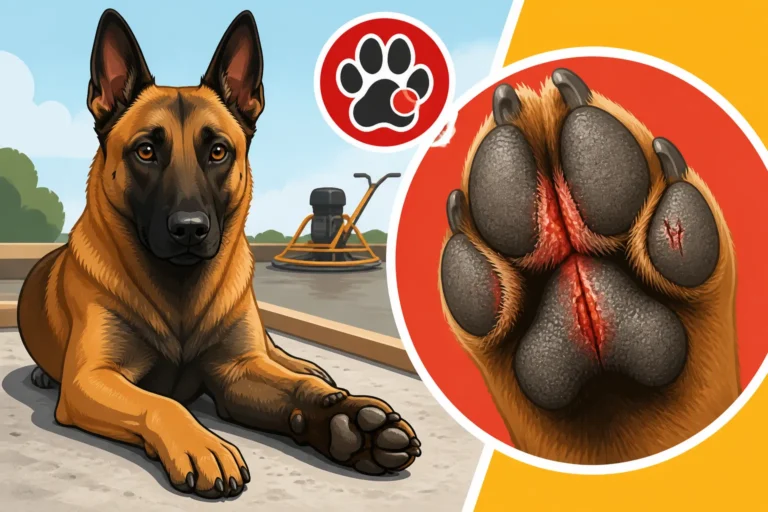
- Ground Conditions: Frozen ground is hard and unforgiving, increasing impact on joints and paws. Ice and packed snow create slick surfaces, leading to slips, falls, and potential soft tissue injuries. Chemical de-icers and road salt can irritate and burn paw pads.
- Humidity: While not as direct as wind or precipitation, higher humidity in cold air can make it feel "bone-chilling" and contribute to heat loss.
A realistic Malinois owner knows that ignoring these factors is irresponsible. Your dog relies on you to make smart decisions for their safety.
Strategies for Safe Winter Work Without Full Cover
So, you want to maintain your Malinois's training and work schedule through the winter, but you're committed to doing it safely. Here are practical strategies to minimize risk, even when your dog is technically "uncovered" for much of the session.
Dynamic Warm-ups and Cool-downs
This is non-negotiable for working dogs in any weather, but especially in the cold. Just like human athletes, a Malinois needs to prepare their body for intense activity.
- Warm-up: Start with 10-15 minutes of low-impact, continuous movement. This could be a brisk walk or a light trot, progressively increasing the pace. Incorporate gentle stretches or flexion exercises, like weaving through your legs, doing figure-eights, or a few easy jumps. The goal is to get the blood flowing, raise muscle temperature, and increase joint lubrication. This helps prevent injury and improves performance. Don't go straight from the crate to high-intensity work.
- Cool-down: After a hard session, don't just put your Malinois back in the kennel. Spend another 10-15 minutes with a decreasing intensity walk. This allows their heart rate and breathing to return to normal gradually, helps flush metabolic waste products from muscles, and allows their body temperature to regulate. A gentle massage can also be beneficial. A slow cool-down is especially important to prevent sudden drops in body temperature that can shock their system in cold air.
Strategic Session Planning: Shorter, More Intense Bursts
Long, drawn-out training sessions with lots of standing around are a recipe for cold-related issues. In winter, adjust your approach:
- Focus on Efficiency: Maximize the working time and minimize static periods. Design your training to be more dynamic and continuous. Instead of waiting 5 minutes between reps, reduce the wait time or fill it with active recovery (e.g., a short retrieve, a heel around the field).
- Shorter, More Frequent Sessions: If possible, break longer sessions into two shorter ones. This allows your Malinois to warm up fully, work hard, then rest and re-warm if needed.
- Utilize "Active Breaks": If you must have a break, keep your Malinois moving, even if it's just a brisk walk, or engaging in a mentally stimulating but less physically demanding activity.
- Pay Attention to The Temperature a Belgian Malinois Should Not Train In: There are absolute limits. If it's too cold, especially with wind chill, even the toughest Malinois can suffer. Be prepared to cancel or significantly modify plans when conditions are extreme.
Utilizing Natural and Artificial Shelters
Even if your Malinois isn't wearing a coat, smart use of available shelter can make a huge difference in preventing them from getting too cold.
- Windbreaks: Position your training area or your dog's waiting spot out of direct wind. Buildings, fences, or even your vehicle can provide significant relief from wind chill.
- Vehicle as a Warm-up/Cool-down Spot: Your vehicle can be a mobile warm-up station or a place to quickly warm up between exercises. Keep it running with the heat on during breaks, or use a heated crate if available. Remember to use vehicle heat alarms for safety if leaving them unattended for short periods.
- Temporary Shelters: If training in an open field, consider setting up a pop-up tent or even a tarp to create a wind-protected area where your Malinois can wait or cool down.
- Elevation: Getting your Malinois off the cold, frozen ground, even onto a mat or a raised platform, can prevent significant heat loss from conduction.
Nutritional Adjustments and Hydration
Maintaining optimal body temperature requires energy, and in cold weather, a Malinois might need more of it.
- Increased Caloric Intake: A working Malinois already has high caloric needs. In colder temperatures, their body burns more calories to maintain core temperature. You might need to slightly increase their food intake. Pay attention to their Feeding a Malinois That Is Never Not in Drive needs, but remember that the cold adds another layer of energy expenditure. Consult with your vet or a canine nutritionist to ensure you're providing appropriate nutrition. Brands like Chewy and Ollie offer high-quality performance formulas that can be beneficial.
- Fat is Fuel: Performance diets often have higher fat content, which is a dense energy source. This can be particularly helpful for providing sustained energy and supporting a healthy coat, which contributes to insulation.
- Consistent Hydration: It's easy to overlook hydration in winter because dogs don't seem as thirsty as in summer. However, working hard and breathing cold, dry air still leads to fluid loss. Ensure fresh, unfrozen water is always available. Consider adding a splash of warm water to their bowl or offering broth to encourage drinking. Dehydration can compromise their ability to regulate body temperature.
| Winter Working Strategy | Benefit | Key Considerations |
|---|---|---|
| Dynamic Warm-ups | Prevents injury, prepares muscles, increases core temperature | 10-15 mins low-impact, gradual intensity increase |
| Strategic Session Planning | Minimizes static cold exposure, maximizes work efficiency | Shorter sessions, active breaks, avoid long waits |
| Utilize Shelter | Protection from wind chill and precipitation | Windbreaks, heated vehicle breaks, elevated resting spots |
| Nutritional Adjustments | Provides energy for thermoregulation and performance | Increased calories, higher fat, consistent hydration |
When to Consider Protective Gear (Even for a "Tough" Malinois)
Despite a Malinois's incredible fortitude, there are times when "uncovered" becomes simply unsafe or detrimental to their long-term health. Knowing when to bite the bullet and add protective gear is a mark of a truly dedicated handler.
Understanding When "Uncovered" Becomes Unsafe
There's a fine line between a Malinois thriving in cold weather and one quietly suffering. That line depends on the exact combination of temperature, wind chill, precipitation, and duration of exposure.
- Critical Temperature Thresholds: While individual tolerance varies, many experts suggest that once temperatures drop consistently below 20°F (-6°C) or even 30°F (-1°C) with significant wind chill or precipitation, the risks of hypothermia and frostbite increase dramatically for breeds like the Malinois. This is particularly true if the dog is not constantly moving. If your Malinois is showing any signs of shivering when resting, tucking their tail, or trying to huddle, they are telling you they are too cold.
- Prolonged Static Exposure: Sitting in a cold kennel, waiting in a vehicle with no heat for an extended period, or standing on cold ground for more than a few minutes significantly impacts their core temperature. Even if the air temperature isn't "extreme," prolonged exposure can be dangerous.
- Wet Conditions: A wet Malinois in cold weather is an urgent situation. Their coat's insulation is compromised, and they will lose heat at an alarming rate. If rain, sleet, or melting snow soaks them, protective gear or immediate shelter is paramount.
The Benefits of a Well-Fitting Winter Coat or Vest
It might go against the "tough dog" image, but a well-designed winter coat or vest for a Malinois isn't about coddling; it's about intelligent protection.
- Retains Core Body Heat: A good coat, even a thin, insulated one, traps a layer of warm air around the dog's torso, preventing rapid heat loss from their core. This allows their body to use energy for performance rather than just trying to stay warm.
- Wind and Water Resistance: Many coats are made with windproof and waterproof or water-resistant outer layers, which directly combat two of the biggest factors in cold discomfort and danger.
- Doesn't Restrict Movement: Modern working dog coats are designed for athletic breeds. They allow full range of motion, ensuring your Malinois can still jump, run, and perform complex tasks without feeling hindered. Look for brands that focus on durable, functional gear suitable for active dogs, which can be found on platforms like Amazon or Chewy.
- Targeted Warmth: Some vests cover the chest and belly, protecting vital organs without overheating the entire dog. This can be especially useful for short-coated breeds like the Malinois.
Paw Protection for Icy and Salted Surfaces
Your Malinois's paw pads are tough, but they are not invincible against extreme winter conditions.
- Prevents Frostbite: Paw pads are highly susceptible to frostbite because they are directly exposed to cold surfaces. Boots create a barrier.
- Protection from Cuts and Abrasions: Ice can be sharp, and frozen ground can be unforgiving. Boots protect against cuts, cracks, and abrasions that can be painful and lead to infection.
- Shields Against Chemicals: Road salt, de-icers, and other chemicals used on winter surfaces can cause severe burns and irritation to paw pads. If ingested during licking, these chemicals can also be toxic. Boots provide an essential barrier. This directly relates to the importance of protecting against Ice and Salt on a Belgian Malinois's Feet.
- Provides Traction: Some boots are designed with textured soles that can improve traction on slick, icy surfaces, reducing the risk of slips and falls that could lead to joint or ligament injuries.
Teaching your Malinois to wear boots might take some patience, but it's a vital skill for serious winter work. Start with short durations in a warm environment, associate them with positive reinforcement, and gradually increase the wear time.
Recognizing the Signs Your Malinois Needs More Protection
Your Malinois will communicate their discomfort if you know what to look for. Don't let their drive trick you into thinking they're fine when they're not.
- Shivering: This is the most obvious sign. While a brief shiver when first stepping out is normal, sustained shivering, especially when not actively working, means they're losing heat.
- Hunching or Tucking Tail: A dog trying to conserve heat will often hunch their back, tuck their tail tightly, and pull their limbs in closer to their body to minimize exposed surface area.
- Seeking Shelter: If your Malinois actively tries to get behind you, into your vehicle, or into any protected spot, they are seeking warmth.
- Reduced Performance or Focus: A cold dog is a distracted dog. If their drive seems diminished, they're making mistakes they normally wouldn't, or they're generally less enthusiastic, cold could be a contributing factor. They might be conserving energy rather than expending it.
- Lifting Paws: Repeatedly lifting one or more paws off the ground signals discomfort from cold or painful surfaces.
- Changes in Gait: Stiffness, limping, or a reluctance to move normally can indicate cold muscles or early signs of injury.
By understanding your Malinois's unique physiology, recognizing the environmental hazards, and being proactive with both training strategies and appropriate gear when necessary, you can ensure they not only work through winter but thrive in it. Your Malinois's incredible drive deserves your intelligent protection.
Disclaimer
This article is for general informational purposes only and does not constitute professional advice. Laws, prices and regulations vary by location and change over time. Consult a qualified professional for guidance on your specific situation.