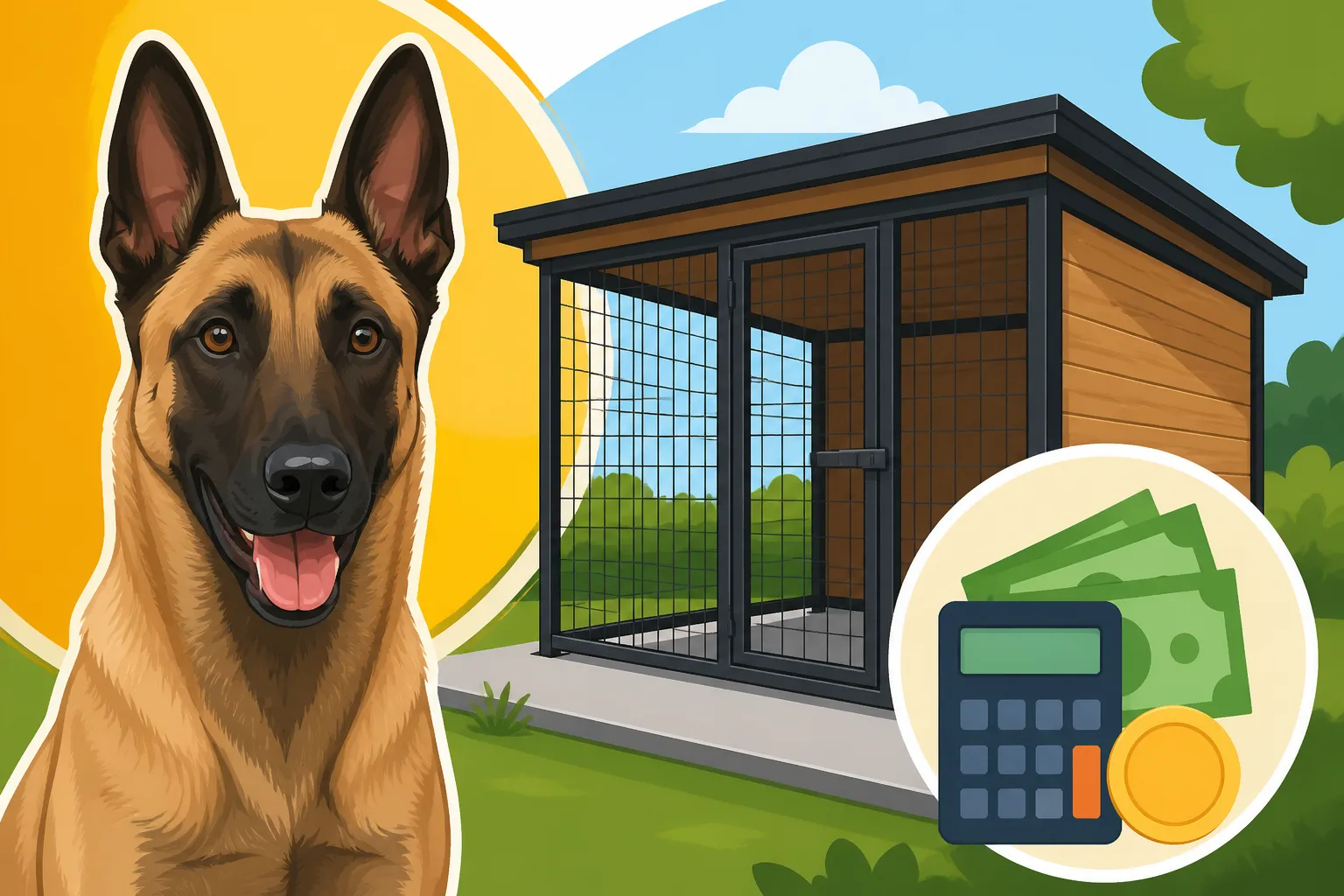
What a Malinois Kennel Run Costs to Build
If you've welcomed a Belgian Malinois into your life, you already know they aren't your average canine companion. These dogs are powerhouses of intelligence, drive, and athleticism, and that often means a standard backyard fence or a flimsy wire crate just doesn't cut it. One of the biggest headaches Malinois owners face is providing a secure, stimulating, and safe outdoor space for their dog when they can't be directly supervised, leading many to consider a dedicated kennel run. This guide will walk you through the real costs and considerations involved in building a kennel run tough enough for a Malinois, helping you budget and plan effectively.
Understanding Why a Malinois Kennel Run Isn't Just "Any" Kennel
The moment you decide a kennel run is necessary for your Belgian Malinois, you quickly realize you're not just building a simple enclosure. You're engineering a secure perimeter, a fortress almost, designed to withstand the incredible power, intelligence, and sheer will of a breed known for its escape artistry and boundless energy. This isn't about being overly cautious; it's about being realistic with a Malinois.
The Malinois Drive and Security Needs
A Belgian Malinois possesses an unparalleled drive, a relentless focus, and a physical prowess that can turn perceived weaknesses in an enclosure into easy exit strategies. Their intelligence allows them to problem-solve, testing gates, latches, and even the integrity of the fencing itself. It's not uncommon to hear tales of Malinois unscrewing bolts, scaling seemingly insurmountable fences, or simply powering through barriers that would contain most other breeds. This isn't naughty behavior in their eyes; it's simply exploring their environment and seeking engagement. An insecure run can lead to not just escape, but also potential injury or harm to the dog or others. You need a design that accounts for their powerful jaws, sharp claws, and incredible jumping ability, not to mention their uncanny knack for spotting a weak point. This is why a simple four-foot chain-link fence, while adequate for some breeds, is often little more than a suggestion to a determined Malinois.
Durability Requirements: Chewing, Digging, and Climbing
Beyond the sheer drive to escape, Malinois are incredibly destructive when bored or under-exercised. A kennel run must be built to withstand sustained assault from chewing, digging, and climbing. Thin-gauge wire will quickly be bent, broken, or chewed through, especially if the dog decides a particular spot is its new favorite escape route. Wooden posts can become chew toys, and even concrete can be undermined by persistent diggers.
Imagine a scenario where your Malinois decides a small gap under the fence line is an interesting project. Within minutes, they can turn a small divot into a significant tunnel. Or consider their powerful jaws, capable of making short work of inadequate latches or weaker fence materials. The materials chosen for a Malinois kennel run must be robust enough to resist these natural behaviors, ensuring the run lasts for years, not just weeks. This often means investing in higher-quality, heavier-gauge materials upfront, which inevitably impacts the overall cost but saves significant headaches and potential replacement costs down the line.
Size Considerations for an Active Breed
One of the biggest mistakes owners make is underestimating the space a Belgian Malinois truly needs, even in a secure run. These are dogs bred for constant activity, whether it's herding, protection, or detection work. A small, cramped kennel might keep them contained, but it certainly won't keep them happy or fulfilled. A Malinois thrives on movement and needs room to pace, stretch, and ideally, have some space to play with a tough toy.
Think about The Two Hours and a Job a Belgian Malinois Demands Daily. Even if your dog gets intense exercise and mental stimulation, there will still be times they need to be in their run. If that space is too small, it can lead to frustration, pacing, self-mutilation, or increased destructive behaviors within the run itself. While specific dimensions depend on your individual dog and yard, a larger footprint generally contributes to a happier, less stressed Malinois, and reduces the likelihood of them trying to escape due to boredom or confinement stress. A larger space also allows for more enrichment opportunities, like platforms or sturdy chew toys, which are vital for a breed like this.
Breaking Down the Core Costs of Materials
When planning a kennel run for a Belgian Malinois, the materials you choose are paramount, directly impacting both the security and the ultimate cost. This isn't the place to cut corners, as a compromised run can have serious consequences.
Fencing and Panels: Not All Wire Is Created Equal
The fencing itself will likely be the most significant material expense. You have a few main options, and they each come with vastly different price tags and levels of security suitable for a Malinois:
- Chain Link: While common, standard chain link is generally not recommended for a determined Malinois. The lighter gauges can be bent, pulled apart, and even climbed with relative ease. If you opt for chain link, you need heavy-gauge, often 9-gauge or even 6-gauge, with a smaller mesh size to prevent climbing and minimize foot holds. This will be far more expensive than standard residential chain link. The posts need to be set deep in concrete, and the top should ideally have a secure top bar or even a "hot wire" to deter climbing.
- Welded Wire Panels: These are a step up in rigidity from chain link. Welded wire is stronger and harder to manipulate, and the individual squares prevent climbing more effectively. However, the gauge still matters immensely. A Malinois can chew through lighter welded wire, so again, opt for heavy-gauge, industrial-grade panels. These are often seen in commercial kennels.
- Heavy-Gauge Steel Kennel Panels: This is the gold standard for Malinois and similar working breeds. These are pre-fabricated panels, often made from heavy-gauge steel tubing with welded wire or bar infill. They are incredibly strong, designed to resist bending, climbing, and chewing. They usually come in standard heights and widths, making assembly simpler, but the cost per panel is significantly higher.
Beyond the material type, consider the height. A Malinois can clear impressive heights, so anything less than six feet is usually insufficient, and many owners opt for eight-foot high fences. For particularly agile or determined dogs, a covered top or inward-facing lean-in panels might even be necessary to prevent them from scaling the walls. Remember that Fencing That a Belgian Malinois Cannot Clear is a serious investment, but a necessary one.
Flooring Options: Concrete, Gravel, or Elevated Platforms
What goes underfoot is just as important as the walls, especially for a breed prone to digging and with sensitive pads.
- Concrete: This is by far the most durable and easiest to clean option. A concrete slab provides an un-diggable surface, excellent drainage if properly sloped, and a firm, hygienic base. However, it's also the most expensive option, requiring professional pouring and finishing. It's crucial to ensure it's not too rough on their pads, and ideally, part of the run could have rubber matting or a softer surface for resting. Proper drainage is key to prevent standing water and ensure easy cleaning.
- Gravel/Crushed Stone: A more affordable option, but with significant drawbacks. While it deters digging to some extent (especially if a deep layer is used with an underlying wire mesh), it can be harder to clean thoroughly and can harbor bacteria if not managed well. It also needs regular replenishment and can be uncomfortable for a dog's pads over long periods. The benefit is better drainage than natural earth and a lower initial cost.
- Elevated Platforms/Kennel Grids: These plastic or metal grids raise the dog off the ground, promoting excellent drainage and air circulation. They are easy to clean by hosing underneath. However, they can be costly for a large area, and some dogs might not like walking or lying on them exclusively. They are often best used for smaller, dedicated potty areas within a larger run or for temporary housing. They don't prevent digging under the run if the dog can access the ground around the edges.
Many owners opt for a hybrid approach: a concrete slab for most of the run for cleanliness and stability, with perhaps a section of pea gravel or an elevated platform for specific purposes.
Structural Elements: Frames, Posts, and Roofs
The overall structure of your kennel run needs to be as robust as the fencing.
- Frames and Posts: For steel panel runs, the panels themselves often form the frame. For chain link or welded wire, you'll need heavy-gauge steel posts set deep in concrete, spaced closely enough to maintain rigidity against a pushing or charging Malinois. The depth of the concrete footings is critical; these dogs can shake and flex lighter posts, eventually loosening them.
- Roofing: While not always mandatory, a roof or partial roof is highly recommended for a Malinois kennel run. It provides essential shade in summer, protecting against Pannus and the Sunlight That Drives It in Malinois and preventing overheating. It also offers shelter from rain and snow. Roofing options range from simple tarps (least durable, easily torn) to corrugated metal or robust shade sails. Metal roofing offers the best protection but adds significantly to the cost and requires a sturdy frame to support it. Shade cloth can be a good compromise for sun protection without the full expense of a solid roof.
Beyond the Basics: Essential Add-ons and Their Impact on Cost
Building a bare-bones kennel run might seem like a way to save money, but for a Belgian Malinois, certain add-ons aren't just luxuries – they're necessities for their well-being, safety, and your peace of mind. Skimping here can lead to a dog who is uncomfortable, bored, or still finds ways to injure itself or escape.
Shelter and Housing within the Run
Leaving a Malinois exposed to the elements in an open run is simply not an option. They need a dedicated, secure, and comfortable place to retreat.
- Insulated Dog Houses: A high-quality, insulated dog house is a fundamental requirement. These aren't cheap plastic sheds; they're often double-walled, with good insulation to keep your Malinois warm in winter and cool in summer. Consider features like raised floors to prevent moisture, and a durable material that can withstand chewing. The size should allow your Malinois to stand up, turn around, and lie down comfortably.
- Integrated Shelters: Some larger kennel run systems can be designed with an integrated, roofed and walled-off section that serves as a dedicated shelter. This can be more aesthetically pleasing and often offers better protection than a standalone dog house. However, it requires more complex construction and material costs upfront. For dogs that spend significant time outdoors, heating elements or even cooling mats might be necessary depending on your climate, especially given the Malinois's shorter coat that doesn't offer as much insulation as some other breeds. Remember, Insulating a Belgian Malinois's Outdoor Kennel is crucial for comfort in extreme temperatures.
Enrichment and Training Elements
A bored Malinois is a destructive Malinois. Adding elements to stimulate their mind and body within the run can prevent undesirable behaviors and make their time there more fulfilling.
- Platforms, Jumps, and Climbing Structures: Even within a run, you can provide mental and physical challenges. A sturdy platform offers a vantage point and a designated "place" command spot. Low jumps or ramps can add a bit of physical exercise. These need to be built securely and made from durable, non-splintering materials.
- Heavy-Duty Toys and Chew Items: This is where you can turn to reliable sources like Chewy. A Malinois needs toys that can withstand intense chewing and vigorous play. Think about industrial-strength Kongs, solid rubber balls, or virtually indestructible chew toys. Rotating these items can keep your dog engaged. Remember, no fabric toys or anything easily shreddable, as ingestion can be a serious health risk.
- Automatic Waterers: Ensuring constant access to fresh water is vital, especially for an active breed that can easily become dehydrated. An automatic waterer hooked up to a garden hose ensures a continuous supply, preventing spilled bowls and dry runs. While an initial expense, it saves you from constantly refilling bowls and reduces the risk of dehydration.
If you are incorporating serious training elements, such as those related to protection sports, a robust Jump Walls for a Malinois in a Home Yard might even be a consideration for a very large, dedicated training run.
Security Upgrades and Monitoring
For a Malinois, "secure" often means redundant. Investing in additional security measures is never a waste of money.
- Heavy-Duty Latches and Locks: Standard gate latches are child's play for a Malinois. Invest in high-quality, lockable latches, or even multiple latches on a single gate. Many owners use carabiners or padlocks as a secondary measure. Some even build double-entry systems, like a small antechamber, to prevent accidental escapes when entering or exiting the main run.
- Security Cameras: While not a physical barrier, a good outdoor security camera system can give you immense peace of mind. It allows you to monitor your Malinois's behavior, catch any escape attempts early, and ensure they aren't overheating or in distress. Some systems can even send alerts to your phone.
- Heat Alarms: If your kennel run includes any enclosed or insulated shelter, a heat alarm is a non-negotiable safety feature, especially in warmer climates. These devices monitor the temperature and can alert you if it rises to dangerous levels, preventing tragic incidents of heatstroke. This ties into the importance of items like Vehicle Heat Alarms for a Belgian Malinois in a Car, which serves a similar crucial purpose. These measures are often overlooked but are critical investments in your dog's safety.
Labor, Location, and Long-Term Investment
The cost of building a Belgian Malinois kennel run isn't just about the raw materials. It also heavily depends on who is doing the work, where you live, and how you view this as a long-term asset. These factors can swing the final price tag significantly.
DIY vs. Professional Installation
This is often the biggest variable in the total cost.
- DIY (Do It Yourself): If you're handy with tools, have experience with construction, and a good amount of free time, building the kennel run yourself can save you a substantial amount in labor costs. You'll only pay for materials and any specialized tool rentals. However, it requires a significant time commitment, careful planning, and an understanding of structural integrity. Mistakes in design or construction can compromise security, leading to future repairs or, worse, an escaped Malinois. For critical elements like pouring a concrete slab or welding heavy steel, even a skilled DIYer might consider hiring a professional for specific parts of the project to ensure proper execution.
- Professional Installation: Hiring a professional kennel builder or a contractor means you're paying for their expertise, experience, and efficiency. They can ensure proper construction, secure foundations, and adherence to safety standards. While the labor cost will be significant, you gain peace of mind and often a quicker build time. It's crucial to seek out contractors familiar with building secure enclosures for active breeds, as a general fence installer might not understand the specific challenges a Malinois presents. Always get multiple quotes and check references.
Site Preparation and Permitting
Before any materials even arrive, you might have foundational work and bureaucratic hurdles.
- Site Preparation: The chosen location for your kennel run needs to be properly prepared. This often involves clearing vegetation, leveling the ground, and ensuring proper drainage. If you're pouring concrete, this includes excavation for footings and a sub-base. These tasks can be labor-intensive and might require renting heavy equipment (e.g., a mini excavator, plate compactor) or hiring a landscaping crew, adding to the cost. Proper drainage around the kennel is critical to prevent standing water, erosion, and potential health issues for your dog.
- Local Regulations and Building Codes: This is an often-overlooked but crucial step. Many municipalities have strict rules regarding detached structures, their size, proximity to property lines, and even the type of materials used. You might need to obtain a building permit, which involves submitting plans and paying associated fees. Failing to do so can result in fines, forced demolition, or legal issues. Additionally, some homeowner associations have specific guidelines. It's essential to check with your local planning department and HOA before breaking ground.
Understanding the "Value" of a Proper Kennel
While the initial cost of a Malinois kennel run can feel daunting, it's important to view it as a long-term investment in your dog's safety, happiness, and your own peace of mind.
- Peace of Mind and Dog's Well-being: A secure, well-designed run provides a safe haven for your Malinois when you can't be there. This prevents escapes, reduces the risk of injury, and offers a dedicated space for them. Knowing your dog is safe and comfortable is invaluable. Consider how a consistent high-quality diet, perhaps from a brand like Ollie, contributes to overall well-being, which in turn helps manage some of the high drive that might lead to destructive behavior in an inadequate run.
- Avoiding Property Damage and Vet Bills: An insecure or flimsy run is an invitation for a Malinois to demonstrate its destructive capabilities. This can lead to chewed siding, damaged landscaping, or worse, an escape that results in vet bills from accidents, fights with other animals, or exposure to toxins. While not a direct cost of the build, quality construction helps prevent these future expenses. Should unforeseen accidents happen, having robust pet insurance like Healthy Paws can be a financial lifesaver, covering unexpected veterinary costs from injuries or illnesses. This kind of planning helps offset the potential The Vet Bills a Bite Sport Belgian Malinois Runs Up from even minor incidents.
- Longevity of the Kennel Structure: A properly built kennel run, using high-quality materials and sound construction techniques, will last for many years, potentially the entire lifespan of your Malinois and beyond. This durability means you won't be constantly repairing or replacing components, making the initial investment more cost-effective in the long run.
Here's a breakdown of common materials for kennel fencing:
| Material Type | Pros | Cons | Cost Implication (Relative) |
|---|---|---|---|
| Light Chain Link | Inexpensive, relatively easy DIY install | Easily bent/chewed, climbable, low security for Malinois | Low |
| Heavy Chain Link | Stronger than light gauge, deters climbing | Still possible to manipulate, requires strong posts | Medium |
| Welded Wire Panels | Rigid, harder to chew/bend, clean look | Gauge still critical, can be pricey | Medium-High |
| Heavy Steel Panels | Extremely durable, high security, pre-fab | Highest material cost, heavy to install | High |
Building a Belgian Malinois kennel run is a significant undertaking and a notable investment. It's a commitment that reflects your understanding of the breed's unique needs and your dedication to providing a safe, stimulating, and secure environment for your extraordinary companion. Prioritize security, durability, and your dog's well-being above all else.
Disclaimer
This article is for general informational purposes only and does not constitute professional advice. Laws, prices and regulations vary by location and change over time. Consult a qualified professional for guidance on your specific situation.