Surviving a Belgian Malinois’s Second Year
If you're currently living with a Belgian Malinois who is hurtling through their second year, you know it can feel like you've adopted a brand new, even more intense dog. That sweet, eager-to-please puppy has suddenly morphed into a strong-willed, opinionated, and sometimes baffling adolescent, leaving many owners feeling bewildered and utterly exhausted. This guide is here to walk you through the unique challenges of your Malinois's second year, offering strategies and reassurance that you're not alone and that there's a light at the end of this often-frustrating tunnel.
The "Teenage" Malinois: Understanding the Second-Year Shift
Just when you thought you had a handle on your Belgian Malinois as a puppy, the second year hits with all the force of a freight train. It’s a period of intense development, both physically and mentally, and it can truly test the limits of even the most dedicated owner. You might find yourself questioning everything you thought you knew about your dog, and even about your own training abilities. Rest assured, this is a common experience with high-drive breeds like the Malinois, and understanding why things are changing is the first step toward navigating them successfully.
Why the Second Year Feels Like Starting Over
The second year for a Belgian Malinois often feels like a giant step backward in training and behavior. Many owners report that their dog suddenly "forgets" commands they once knew perfectly, tests boundaries relentlessly, and exhibits behaviors they thought they had long since eradicated. It's incredibly frustrating, like rebuilding a house that was already standing strong. You might feel a pang of despair when your perfectly loose-leash walked dog suddenly starts dragging you down the street again, or when they decide their crate is no longer their safe haven but a place to vocalize their displeasure loudly. This isn't usually spite; it's a phase of intense questioning and development, much like human adolescence.
Their brains are literally rewiring, and what worked before might not resonate in the same way now. Their confidence has grown exponentially, often outstripping their impulse control, leading to bold new decisions that aren't always wise. This is why consistency in your reactions and training becomes even more paramount. They're trying to figure out where they stand in the world, and your steady, calm leadership is their anchor.
Physical Maturity vs. Mental Maturity
One of the biggest disconnects during the second year is the gap between physical and mental maturity. Your Malinois is likely reaching their full adult size and strength, looking every inch the powerful, capable dog they are meant to be. They can jump higher, run faster, and pull harder than ever before. This physical prowess, however, is often paired with the mental maturity of a rambunctious teenager. They might have the body of a finely tuned athlete but the decision-making skills of a curious toddler. This mismatch can be dangerous if not managed properly.
A physically mature Malinois can accidentally injure a person or another animal with their sheer strength and speed if their mental control isn't up to par. It’s why you might see them challenging other dogs more, or exhibiting an increased prey drive towards small animals or moving objects. Their bodies are ready for adult tasks, but their minds are still catching up, processing complex environmental cues and impulses. The age a Malinois starts working shorter sessions is often when owners need to really consider the balance between physical exertion and mental engagement.
The Surge in Confidence and Independence
As your Malinois enters their second year, you'll undoubtedly notice a surge in their confidence and a growing sense of independence. This can manifest in several ways, some positive, some challenging. On one hand, a confident Malinois is a joy to behold – bold, resilient, and ready to take on the world. On the other hand, this newfound confidence can lead to them being less reliant on your direct guidance. They might decide they know better than you, or that sniffing that interesting scent on the ground is far more important than responding to your "come" command.
This is where the rubber meets the road in terms of your relationship and leadership. They are no longer a puppy who inherently looks to you for all answers; they are starting to think for themselves. Your job is to channel this independence into productive, desired behaviors rather than allowing it to lead to defiance or unwanted actions. This means being more engaging, more interesting, and more consistent than ever before, ensuring that your requests are still the most rewarding option available.
Navigating Behavioral Regressions and Testing Boundaries
The second year of a Belgian Malinois's life is often characterized by what feels like a significant regression in learned behaviors. You might feel like you're back at square one, dealing with issues you thought were long gone. This isn't a sign of failure, but rather a normal, albeit frustrating, part of canine adolescence, especially in a breed as intelligent and independent as the Malinois.
The Return of Puppy Behaviors (But Bigger)
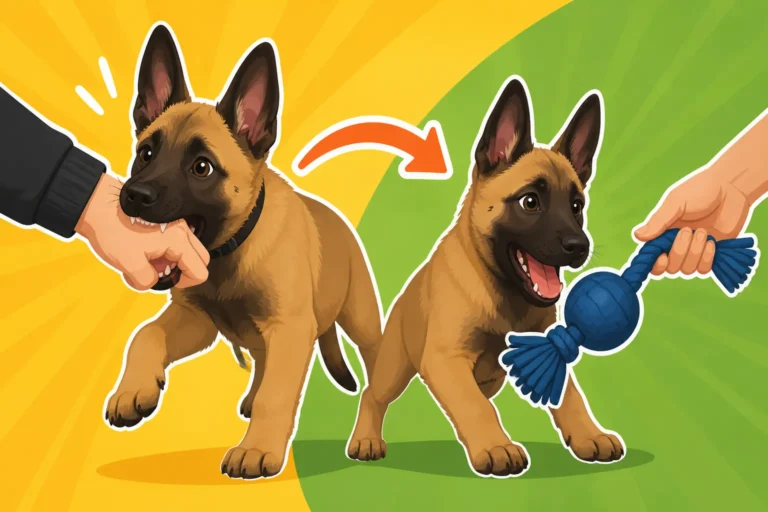
Remember the "shark phase" when your Malinois puppy seemed to be all teeth and endless nipping? Or perhaps the selective hearing when they decided chasing a leaf was more fun than coming when called? Well, buckle up, because some of those behaviors might make a grand, more powerful return. The difference now is that your "puppy" is no longer a small, cute bundle of fluff. They're a full-grown, strong, and fast animal. A Malinois that bites everything, including you, as a six-month-old is a nuisance; a 60-pound Malinois with a full adult bite who decides to mouth or nip when frustrated is a serious concern.
You might see a resurgence of counter-surfing, destructive chewing, or even indoor marking if they are particularly stressed or bored. This is them testing the waters, pushing the boundaries to see what they can get away with now that they feel bigger and bolder. It's crucial to address these regressions immediately and consistently, without letting things slide even "just this once." Your response needs to be calm, clear, and unwavering, reinforcing the rules you established when they were younger. A strong, structured routine can do wonders to combat this.
When "No" Becomes a Suggestion
If your Malinois is in their second year, you've likely experienced the moment when your once-reliable "no" or "leave it" command suddenly falls on deaf ears. They're not being stubborn in the human sense; they're genuinely exploring their own agency and testing the limits of your authority. They might try to stare you down, or pretend they didn't hear you, or simply choose to comply at a much slower, more deliberate pace. This can be incredibly exasperating, especially when you're in a public setting or dealing with a potentially dangerous situation.
This phase demands that you become even more strategic in your training. Simply repeating commands louder or getting frustrated won't work. Instead, focus on proactive management – setting up situations for success rather than failure. For instance, if your Malinois is pulling toward every distraction on walks, a reliable long line and a strong recall practice in a controlled environment are far more effective than just yelling "heel!" It's about showing them, through clear consequences and consistent rewards, that your way is still the best way, and that ignoring you leads to missing out on something good. A Belgian Malinois That Pulls Toward Every Distraction article delves deeper into this common struggle.
Handling Increased Reactivity and Guarding Tendencies
As Malinois mature, their natural protective instincts often become more pronounced, especially in their second year. This can manifest as increased reactivity towards strangers, other dogs, or even novel objects in their environment. What might have been mild curiosity as a puppy could now be a full-blown bark-and-lunge display. Similarly, resource guarding – protecting food, toys, or even their space – can intensify. It’s a natural instinct for a guardian breed, but one that needs careful management in a companion setting.
If your Malinois starts reacting to other dogs, for example, it's not the time for forced interactions. Instead, focus on controlled exposure at a distance where they remain calm and can be rewarded for neutrality. For resource guarding, teach them that your approach means something good is coming, like a trade for a higher value treat. Never punish growling, as it's a warning signal; instead, identify the triggers and work on counter-conditioning. A muzzle can be a vital safety tool during this training, ensuring everyone's safety. Look for well-fitting, comfortable options on Amazon, often recommended for breeds with strong drives.
Refocusing Training and Reinforcing Foundational Skills
The second year with a Belgian Malinois is not a time to slack off on training; it's quite the opposite. This is the crucial period where you solidify their understanding of the rules and reinforce their compliance, transforming them from a headstrong adolescent into a reliable adult. Without consistent effort during this time, you risk cementing unwanted behaviors that will be much harder to undo later.
Doubling Down on Obedience Basics
Every single obedience command you taught your Malinois as a puppy needs to be revisited and reinforced with renewed vigor. "Sit," "stay," "down," "come," "leave it" – these aren't just parlor tricks; they are vital communication tools and safety cues. During the second year, your Malinois will attempt to push the boundaries of these commands, seeing how much they can get away with. Don't let them. Make sure that when you give a command, it is followed through every single time.
This means practicing in more challenging environments, with higher distractions, and demanding a higher level of precision. If your "stay" only lasts for 30 seconds in your quiet living room, it won't stand a chance at the busy park. Gradually increase duration, distance, and distractions. Use high-value rewards that your Malinois truly craves to make compliance irresistible. This isn't just about obedience; it's about building a language of trust and reliability between you and your powerful canine partner.
Mastering Recall in High-Distraction Environments
If there's one command that is absolutely non-negotiable for a Belgian Malinois, it's a rock-solid recall, especially as they enter their second year and their confidence (and prey drive) skyrockets. You might have had a decent recall when they were a puppy, but now that they're faster and bolder, every squirrel, rabbit, or interesting scent becomes an immense distraction. Mastering recall in high-distraction environments is not just convenient; it's a matter of safety for your dog and others.
Start by practicing in controlled, low-distraction areas, making recall an incredibly exciting and rewarding game. Use a long line to ensure you always have a safety net, even if they decide to ignore you. Gradually introduce more distractions, always setting your Malinois up for success by only increasing the challenge when they're consistently succeeding at the current level. For a breed that loves to work, making recall a game of chase or tug at the end can be a massive motivator. Remember, your Malinois should view coming back to you as the best thing that could possibly happen, even when the world outside is screaming for their attention. Recalling a Belgian Malinois Off a Moving Target is a tough goal, but one worth aiming for.
Building an "Off Switch" and Calm Behaviors
One of the biggest struggles with a second-year Malinois is their seemingly endless energy and intensity. They often lack an "off switch," making it difficult for them to settle down even after a strenuous activity. This can lead to hyper-vigilance, demand barking, and general restlessness in the home. Building an "off switch" isn't about crushing their spirit or drive; it's about teaching them how to relax and be calm when appropriate. This is a skill, just like "sit" or "stay," and it needs to be actively taught and reinforced.
Structured downtime, like crating, can be immensely helpful, but also actively rewarding calm behaviors outside the crate. Teach a "place" command, where they go to a designated mat or bed and stay there quietly for increasing periods. Initially, reward them constantly for lying down, for settling their head, for taking a deep breath. Slowly fade the rewards as the behavior becomes more ingrained. This skill is critical for integrating your Malinois successfully into a busy household and ensuring they can truly rest. Check out Building an Off Switch Into a Belgian Malinois for more detailed methods.
Meeting the Escalating Exercise and Mental Stimulation Demands
The second year of a Belgian Malinois's life is often when their legendary energy demands truly hit their stride. If you thought they needed a lot of exercise as a puppy, prepare yourself, because now they need even more – and not just any kind of exercise. This isn't just about physical exertion; it's equally, if not more, about engaging their incredibly intelligent and driven minds. An under-exercised or under-stimulated Malinois is a recipe for destructive behavior and frustration for both dog and owner.
Beyond Walks: Structured Activity is Key
Simply letting your Malinois out in the yard or taking them for a casual stroll around the block is often not enough for a dog in their second year. They need structured, purpose-driven activity that truly works their bodies and minds. Think beyond just "running around." This is the perfect time to delve deeper into dog sports like Schutzhund/IGP, agility, dock diving, or even advanced obedience. These activities provide an outlet for their natural drives – prey drive, retrieve drive, and their innate desire to work alongside a human partner.
For example, a dedicated running partner for regular jogs, or structured fetch sessions where you incorporate obedience commands (e.g., "sit" before throwing, "down" on the retrieve, "out" before the next throw) can be far more effective than an hour of aimless running. Biking with your Malinois (after they're physically mature and cleared by your vet) can be an excellent way to burn off energy safely. The key is intensity and purpose. As noted in Two Hours and a Job a Belgian Malinois Demands Daily, these dogs aren't made for casual living.
Engaging the Malinois Brain: Puzzle Solvers and Scent Work
While physical exercise is vital, it's often mental stimulation that truly tires out a Malinois and provides the fulfillment they crave. Their brains are wired for problem-solving, and if you don't give them appropriate challenges, they will find their own, often destructive, ways to stay busy. The second year is an excellent time to introduce and advance puzzle toys, foraging games, and especially scent work.
Scent detection is a natural fit for a Malinois, tapping into their incredible noses and innate drive to find things. Even if you're not training for competition, hide-and-seek games with treats or their favorite toys around the house or yard can be incredibly engaging. Look for durable sniffing mats or puzzle feeders on Amazon that can withstand a Malinois's intensity. Activities like "find it" for their kibble instead of just eating from a bowl can turn mealtime into a mental workout. These activities don't just tire them out; they build confidence and reinforce a positive working relationship with you. For more ideas, read The Mental Work That Finally Tires a Malinois Out.
The Importance of Consistent, Challenging Outlets
Consistency in providing these challenging outlets is paramount during the second year. Sporadic bursts of activity followed by long periods of boredom will not cut it. Your Malinois thrives on routine and predictability, even when that routine involves intense work. They need to know what to expect and when. This means daily commitments to structured exercise and mental engagement. If you miss a day, you'll likely feel the consequences in the form of restless behavior, barking, or destructive tendencies.
This consistency also builds resilience. As they are regularly challenged, they learn to push through frustration, problem-solve, and ultimately become more balanced and resilient dogs. It’s a commitment, yes, but the payoff is a well-adjusted Malinois who is a joy to live with, rather than a canine whirlwind leaving chaos in their wake. Think of it as a daily deposit into their emotional bank account; you have to keep filling it up to avoid withdrawals in the form of bad behavior.
Socialization and Management in the Second Year
Continued socialization and thoughtful management are critical during your Belgian Malinois's second year. While puppyhood is crucial for initial exposure, adolescence is when these experiences are solidified and refined. It’s also when their natural guarding and protective instincts become more prominent, requiring careful oversight to ensure they are well-adjusted and safe in various situations.
Strategic Socialization, Not Free-for-Alls
By the second year, your approach to socialization should be less about broad exposure and more about strategic, controlled interactions. Gone are the days of puppy playtime free-for-alls. Instead, focus on quality over quantity. This means carefully selecting appropriate canine playmates who are balanced, well-socialized, and match your Malinois's play style. Avoid dog parks unless you are absolutely certain of the dogs and owners present, as a bad experience during this impressionable phase can have lasting negative effects.
Continue exposing your Malinois to novel sights, sounds, and environments, but always from a distance where they can observe calmly and be rewarded for their neutrality. This might involve sitting outside a busy coffee shop, watching people and cars go by, or walking through a bustling town square. The goal is for them to learn that these things exist, but they don't necessarily require an intense reaction. Focus on building confidence and neutrality, rather than over-stimulation. The principles of Socializing a Belgian Malinois Puppy Safely evolve as they get older, requiring more nuance.
Managing Interactions with Other Dogs and Strangers
As their protective instincts heighten, managing interactions with other dogs and strangers becomes even more important. Some Malinois will develop "stranger danger" or increased dog reactivity during this period. It's vital to respect their boundaries and advocate for them, rather than forcing interactions they are uncomfortable with. If your Malinois is showing signs of discomfort (e.g., stiff body, direct stare, growling, lunging), immediately remove them from the situation.
This might mean asking people not to pet your dog, or crossing the street to avoid another dog. Equip yourself with the right tools: a well-fitting muzzle for public outings if there's any bite risk (many trainers advocate for muzzle conditioning all dogs), and a reliable leash and harness or collar combination that gives you control. For challenging scenarios, consider working with a professional trainer who specializes in high-drive breeds. They can help you interpret your dog's signals and develop a tailored management and training plan. A Belgian Malinois That Reacts to Other Dogs provides specific guidance.
Creating a Predictable and Secure Home Environment
A predictable and secure home environment is crucial for a second-year Malinois. These dogs thrive on routine and clear expectations. Consistency in feeding times, potty breaks, exercise schedules, and training sessions provides them with a sense of security and reduces anxiety. When they know what to expect, they are less likely to feel the need to invent their own entertainment or become overly anxious.
Ensure your home itself is a safe space, both for your dog and for your belongings. A secure crate or kennel run can be an invaluable tool for downtime and when you can't actively supervise them. Malinois are notorious chewers, especially when bored or stressed, so make sure valuable items are out of reach. Investing in durable, high-quality chew toys and enrichment items, perhaps from Amazon, can redirect their natural chewing instincts onto appropriate outlets. Remember, a bored Malinois will find a job, and it's rarely one you'll appreciate. Consistency in rules and expectations, paired with a safe space, helps them feel secure and prevents many common behavioral issues. The Structure a Belgian Malinois Needs Every Day is not just for working dogs; it applies to all Malinois.
Common Challenges and Troubleshooting Second-Year Malinois
The second year often brings a host of common behavioral challenges that can be incredibly frustrating for owners. It's important to remember that these are often normal developmental phases for a high-drive breed like the Belgian Malinois, but they absolutely require consistent and thoughtful intervention to prevent them from becoming entrenched problems.
Destructive Behaviors and Chewing Escalation
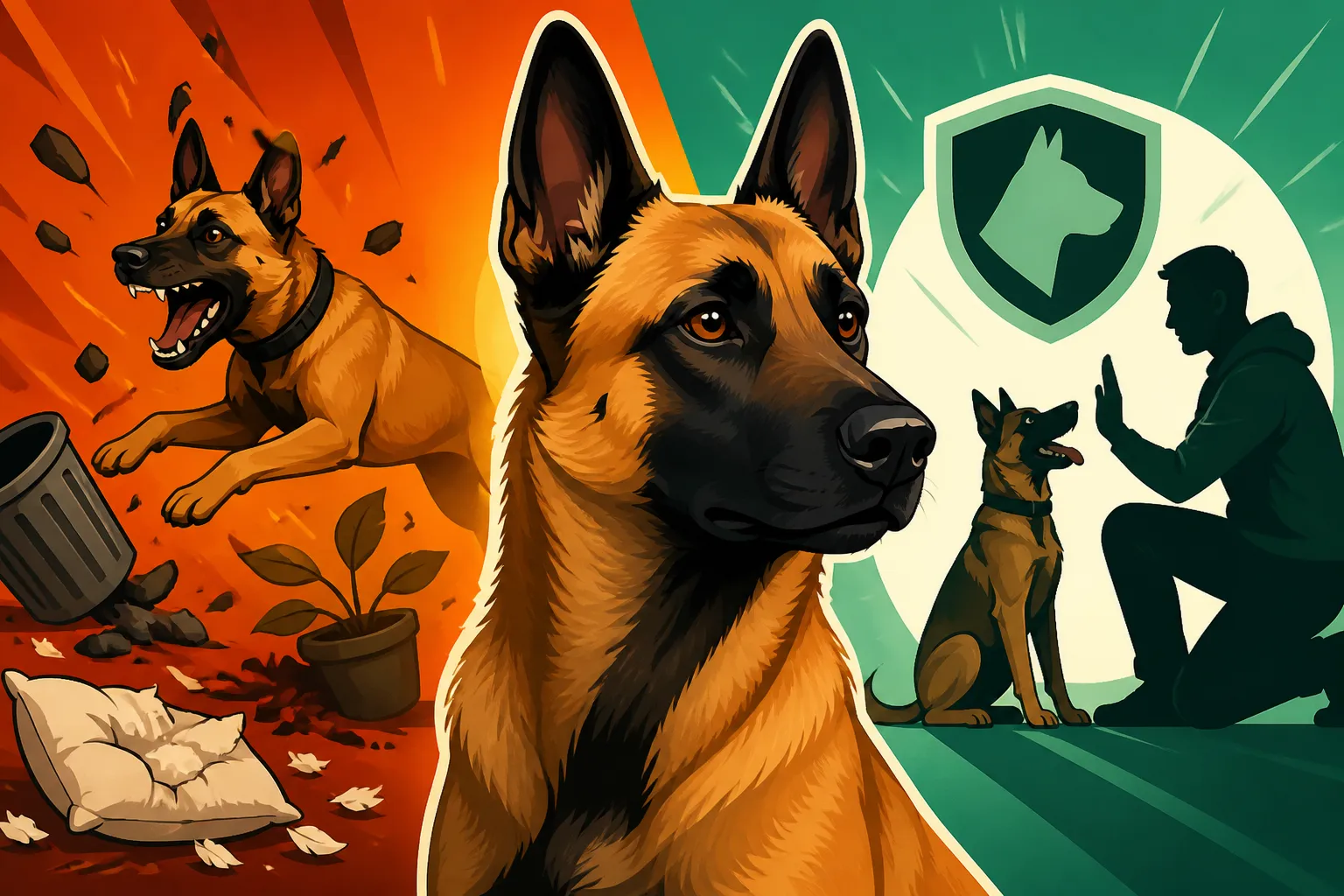
Oh, the joy of coming home to a shredded couch cushion or gnawed-on baseboards! Destructive chewing and general mayhem can escalate dramatically in a second-year Malinois, especially if their physical and mental needs aren't being fully met. This isn't usually spite; it's often a manifestation of boredom, excess energy, anxiety, or simply a lack of appropriate outlets for their strong chewing drive. They have stronger jaws now than as puppies, and the damage can be significant. What a Malinois Destroys in One Unsupervised Hour is a serious consideration.
Troubleshooting Steps:
- Increase Appropriate Outlets: Ensure your Malinois has access to a variety of extremely durable chew toys. Rotate them to keep things interesting. Consider enrichment toys that dispense treats, requiring mental effort.
- More Exercise & Mental Work: Revisit the previous section – are you truly meeting their two hours daily of structured activity and consistent mental stimulation? A tired Malinois is a good Malinois.
- Crate Training: If not already perfected, reinforce crate training. A crate should be a safe, comfortable den, not a punishment. When you can't supervise, the crate is the safest place for your dog and your home.
- Bitter Sprays: For specific items they target, bitter-tasting sprays can deter chewing. Be consistent with reapplication.
- Environmental Management: Simply remove temptation. If they chew the couch, block access. If they chew shoes, put them away. Prevention is always easier than cure.
Separation Anxiety and Demand Barking
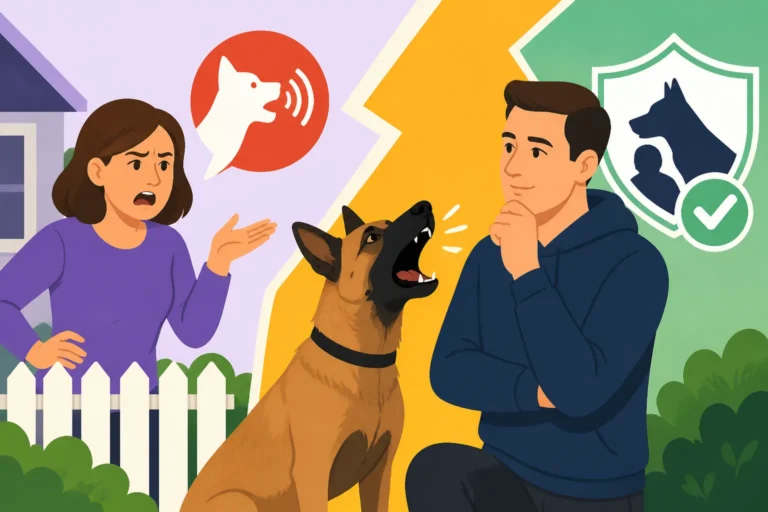
Some Malinois, particularly those with strong handler bonds, can develop or intensify separation anxiety or demand barking in their second year. Separation anxiety manifests as extreme distress when left alone, often leading to destructive behavior, excessive vocalization, house soiling, and even self-harm. Demand barking, on the other hand, is when your Malinois barks insistently to get your attention, access to something they want, or to go outside. Both are incredibly difficult to live with.
Troubleshooting Steps for Separation Anxiety:
- Desensitization: Practice leaving for very short durations (seconds, then minutes), gradually increasing the time. This might mean simply walking to the door and back in, rewarding calm.
- Calm Departures/Arrivals: Ignore your Malinois for a few minutes before you leave and when you return. This helps reduce the "event" of your coming and going.
- Enrichment Before Leaving: Give them a high-value, long-lasting chew or puzzle toy just before you leave. This distracts them and associates your departure with something good.
- Professional Help: If severe, separation anxiety often requires the help of a certified professional behaviorist, potentially alongside veterinary intervention.
Troubleshooting Steps for Demand Barking:
- Ignore It Completely: The hardest, but most effective, method. Any attention (eye contact, talking, touching) reinforces the barking. Wait for a moment of silence, then reward.
- Teach an Alternative: Train an "off" or "quiet" command, or teach them to go to their "place" quietly instead.
- Identify Triggers: Does it happen at specific times (e.g., mealtime, walk time)? Adjust your routine or preempt with a calm activity.
Resource Guarding and Nipping
Resource guarding (protecting food, toys, sleeping spots, or even people) and nipping (using their mouth to communicate frustration or assert dominance) can become more serious in a second-year Malinois. What might have been playful puppy mouthing can now be an adult nip, and resource guarding can lead to dangerous confrontations. These behaviors stem from a natural instinct to protect valuable items, but they need careful management and training.
Troubleshooting Steps for Resource Guarding:
- Trade-Up Game: Teach your Malinois that you approaching their valuable item means something even better is coming. Offer a higher-value treat in exchange for them voluntarily giving up a toy.
- Hand-Feeding: For food guarding, hand-feed some meals, or drop extra high-value treats into their bowl as they eat. This teaches them your presence around their food is positive.
- Avoid Confrontation: Never try to forcefully take items away from a guarding Malinois, as this can escalate the behavior and lead to bites.
- Management: Prevent access to highly guarded items when unsupervised.
- Professional Guidance: For severe guarding, seek a professional behaviorist.
Troubleshooting Steps for Nipping:
- Redirect: Immediately redirect any nipping onto an appropriate chew toy.
- Disengage: If nipping continues, disengage completely (turn your back, walk away, or leave the room) for a short period. This teaches them that nipping makes you leave.
- Bite Inhibition: If they are still mouthing, work on bite inhibition, teaching them to use a soft mouth. The BAXTER & Bella online puppy school often has excellent modules on this, which can be adapted for older adolescents.
- Identify Triggers: Is it over-arousal, frustration, or fear? Address the underlying cause with training and management.
| Challenge | Common Underlying Causes | Recommended Immediate Action | Long-Term Training Focus |
|---|---|---|---|
| Destructive Chewing | Boredom, excess energy, anxiety, lack of appropriate outlets | Redirect to durable chew toy; Crate if unsupervised | Increase mental/physical exercise; Environmental management |
| Demand Barking | Attention-seeking, frustration, unfulfilled needs | Ignore completely; Walk away until quiet | Teach "quiet" command; Proactive routine fulfillment |
| Recall Failure | Distraction, perceived low value of coming back | Use long line for safety; Practice in low distractions | High-value rewards for recall; Make recall a fun game |
| Increased Reactivity | Fear, frustration, protective instincts, lack of socialization | Create distance; Remove from trigger; Avoid confrontation | Counter-conditioning at a distance; Professional guidance |
| Resource Guarding | Instinct to protect valuable items | Trade-up game with high-value treats; Avoid forceful removal | Hand-feeding; Positive associations with approach |
The Light at the End of the Tunnel: What to Expect Next
It's easy to feel overwhelmed and discouraged when your Belgian Malinois is in the thick of their second year. The intensity, the regressions, the constant need for management and training can take a significant toll on your patience and energy. But I promise you, there is a light at the end of this tunnel. This challenging period is a critical developmental stage, and the consistent hard work you put in now will truly shape the incredible adult dog your Malinois is destined to become.
When the Second Year Finally Starts to Settle
While there's no exact date on the calendar, most Belgian Malinois start to show signs of settling down and becoming more mentally mature somewhere between two and three years of age. This doesn't mean they suddenly become couch potatoes; they will always be a high-energy, intelligent breed. But you'll notice a marked improvement in their impulse control, their ability to self-regulate, and their general responsiveness. They'll start making better decisions, even in distracting environments, and their "off switch" will become more reliable.
The frantic, almost desperate energy of adolescence begins to transform into a more focused, purposeful drive. They'll still require significant exercise and mental stimulation, but you might find that you can dial back the intensity just a little without immediate behavioral fallout. The constant boundary-testing will subside, replaced by a more consistent understanding of rules and expectations. This is when all those hours of training, management, and patience truly begin to pay off, and you start to see the mature, reliable partner you've been working towards.
The Payoff of Your Hard Work
The payoff for surviving your Malinois's second year is immense. You'll have a dog who is not only incredibly capable and intelligent but also deeply bonded to you through all the challenges you've overcome together. A well-trained and well-socialized adult Belgian Malinois is a truly magnificent animal – loyal, driven, highly adaptable, and eager to please their handler. They excel in almost any endeavor you choose to pursue, from advanced obedience to protection sports, agility, or detection work.
The bond forged through this intense period is unlike any other. You'll develop a deep understanding of your dog's nuances, and they will, in turn, learn to trust your leadership implicitly. The frustration of the second year will fade into a distant memory, replaced by the pride and joy of having a truly exceptional canine companion. You'll find yourself able to enjoy their incredible drives and abilities in a controlled, productive way, rather than constantly struggling against them. Whether a Belgian Malinois Ever Truly Relaxes becomes less of a question and more of an achievable goal.
Continuing Education for You and Your Malinois
Even after your Malinois has navigated their second year and matured into a more reliable adult, the journey of learning and growth never truly ends. For a breed as intelligent as the Belgian Malinois, continuing education is vital to keep their minds sharp and their bodies conditioned. This doesn't mean daily, intense training sessions for the rest of their lives, but it does mean regular maintenance of their skills and introducing new challenges to prevent boredom.
Consider exploring new dog sports or advanced training certifications together. Learning something new, even if it's just a fun trick or a novel scent game, keeps your Malinois engaged and strengthens your bond. Just as importantly, continue your own education as a handler. The dog world is constantly evolving, with new training methods and insights emerging regularly. Attending seminars, reading books, or joining online communities can provide fresh perspectives and keep you sharp. The dedication you show your Malinois in their second year sets the stage for a lifetime of partnership and fulfillment. Keeping an Old Belgian Malinois Mentally Busy is a testament to the fact that their minds always need stimulation.
Disclaimer
This article is for general informational purposes only and does not constitute professional advice. Laws, prices and regulations vary by location and change over time. Consult a qualified professional for guidance on your specific situation.