Why Malinois Hip Rates Run Lower Than Other Shepherds
It's a common worry among potential large breed owners: the specter of hip dysplasia. You hear stories, you see the statistics, and it can feel like an inevitable part of owning a big, powerful dog. Many assume that all active working breeds, especially those with "shepherd" in their name, are destined for debilitating joint problems. However, if you've been looking into the Belgian Malinois, you might have noticed a fascinating, and somewhat counter-intuitive, trend: their rates of hip dysplasia tend to be significantly lower than some other popular shepherd breeds. This reality often catches people by surprise, leaving them wondering why this incredibly athletic and driven dog seems to defy the odds. This guide will dive deep into the specific reasons behind this phenomenon, exploring the unique biological and historical factors that contribute to the Malinois's robust hip health.
Understanding Canine Hip Dysplasia
Before we get into the specifics of why Malinois might have an advantage, let's first make sure we're all on the same page about what hip dysplasia actually is and what it isn't. It's a term thrown around a lot, often with a lot of misunderstanding, and that can lead to unnecessary anxiety or, conversely, a false sense of security.
What Hip Dysplasia Actually Is
At its core, canine hip dysplasia (CHD) is a developmental orthopedic disease that affects the hip joint. In a healthy dog, the hip joint functions like a ball and socket. The "ball" is the head of the femur (thigh bone), and the "socket" is part of the pelvis, called the acetabulum. These two components fit together snugly, allowing for smooth, fluid motion. With hip dysplasia, this fit isn't quite right. The hip joint is lax, meaning the ball doesn't sit tightly in the socket. This looseness allows the ball to move around excessively, leading to abnormal wear and tear over time.
This constant friction and instability cause the body to try and stabilize the joint by laying down new bone, leading to arthritic changes. The cartilage degrades, bone spurs develop, and the once-smooth movement becomes painful and restricted. It’s a progressive condition, meaning it tends to get worse over time, causing pain, lameness, and a decreased quality of life for affected dogs. It’s not just about limping; it's about chronic discomfort and the inability to perform normal activities without pain.
The Common Misconceptions About Its Causes
There's a persistent myth that hip dysplasia is solely a genetic condition, and while genetics play a significant role – you can't get hip dysplasia without the genetic predisposition – it's far from the only factor. It’s actually considered a polygenic trait, meaning multiple genes are involved, and it's heavily influenced by environmental factors. Think of it like a deck of cards: genetics deal you a hand, but how you play that hand, or rather, how the dog is raised, can significantly impact the outcome.
One major misconception is that too much exercise as a puppy causes it. While inappropriate, high-impact exercise on growing joints can be detrimental, simple, controlled activity doesn't cause dysplasia in a genetically sound puppy. Conversely, complete crate rest for a puppy isn't the answer either, as proper muscle development is crucial for joint stability. Other factors often misunderstood include diet – while rapid growth from overfeeding can exacerbate an existing genetic predisposition, no specific food causes hip dysplasia. It's a complex interplay of inherited tendencies, nutrition, appropriate exercise, and environmental influences during critical growth periods. Owners often feel immense guilt, thinking they 'caused' it, but in reality, many factors are at play, and often beyond their direct control once the genetic dice are cast.
Distinct Physical Characteristics of the Belgian Malinois
When we look at a Belgian Malinois, especially compared to some of its more heavily built shepherd cousins, the differences are immediately apparent. These physical traits aren't just cosmetic; they play a crucial role in the breed's overall soundness, including their often-superior hip health.
Bone Structure and Joint Conformation
One of the most striking differences in the Malinois is their lighter, more agile build. They are a medium-large breed, but often carry less overall bone mass than, say, a German Shepherd. Their frame is lean, refined, and built for explosive speed and endurance rather than brute force. This lighter bone structure means less weight is placed on their joints, reducing the strain on the hips over time. Imagine carrying a lighter backpack versus a heavier one – the impact on your joints is markedly different.
Beyond bone density, the actual angles and conformation of their hip joints tend to be more moderate. The ideal Malinois conformation emphasizes a relatively level topline and moderate angulation in the hindquarters. This contrasts sharply with some show-line German Shepherds, which have been bred for exaggerated rear angulation, often resulting in a sloped back and over-angulated hocks. While visually striking to some, this extreme angulation can place unnatural stresses on the hip and knee joints, predisposing them to issues like hip dysplasia and cruciate ligament tears. The Malinois's functional, balanced structure promotes better alignment and stability within the hip joint itself, allowing the "ball" and "socket" to articulate more naturally and efficiently. When you are Reading a Belgian Malinois Hip Result, you'll often notice the difference in how the joint is structured compared to other breeds with less moderate angulation.
Musculature and Ligament Strength
It’s not just the bones themselves; the surrounding soft tissues are equally important. Belgian Malinois are renowned for their incredible athleticism, which is backed by dense, powerful musculature and robust ligaments. Their bodies are coiled springs of muscle, designed for explosive power, quick changes in direction, and sustained effort. This doesn't just make them fast; it makes them stable.
Strong, well-developed gluteal and thigh muscles act like natural shock absorbers and stabilizers for the hip joints. They hold the femoral head tightly within the acetabulum, providing crucial support that can compensate, to some degree, for minor genetic laxity. Think of it like a natural brace around the joint. Furthermore, the ligaments and tendons in a Malinois are typically very strong and elastic, contributing to overall joint integrity. This combination of lighter bone, moderate joint angles, and powerful supporting musculature creates a hip system that is inherently more resilient and less prone to breakdown, even under the intense demands of their working lives. For dogs like the Malinois, who spend their lives jumping, running, and turning, this anatomical advantage is invaluable.
The Role of Breeding Practices and Selection
While genetics lay the groundwork, and physical traits provide the framework, the persistent lower rates of hip dysplasia in Belgian Malinois owe a great deal to the foundational breeding philosophies that have guided the development of the breed. This isn't just about luck; it's about conscious choices made by generations of breeders.
Historical Breeding for Function Over Form
Unlike some breeds that have seen significant divergence into "show lines" and "working lines," the Belgian Malinois has, for the most part, maintained a strong emphasis on working ability and functionality. From their origins as robust herding dogs in Belgium to their current roles in military, police, and protection sports, the primary criterion for a Malinois has always been its ability to perform demanding tasks effectively and repeatedly.
For a dog to excel in herding, protection, or detection work, it must be physically sound. A dog with debilitating hip pain simply cannot perform its job, whether that's tracking a suspect for miles, taking down a decoy, or navigating complex obstacles. Therefore, breeders of working Malinois have historically, and continue to, select for dogs with exceptional physical integrity, including sound hips. This inherent focus on a dog's ability to do a job, rather than just look a certain way in a show ring, naturally prioritizes health and structural correctness. Breeders weren't intentionally breeding for "low hip dysplasia rates" directly, but rather for dogs that could work tirelessly without breaking down, and sound hips were a non-negotiable part of that equation. This continuous selection pressure over decades has naturally refined the gene pool towards greater hip health.
Modern Health Testing and Ethical Breeder Focus
Today, ethical Malinois breeders take health testing very seriously, understanding that sound genetics are the cornerstone of a healthy working dog. Organizations like the Orthopedic Foundation for Animals (OFA) and PennHIP provide standardized methods for evaluating canine hip health, and reputable breeders utilize these tools extensively.
Before breeding, responsible Malinois breeders ensure their dogs have clear OFA or PennHIP certifications, indicating good or excellent hip conformation. This proactive approach helps to remove or carefully manage dogs with genetic predispositions to hip dysplasia from the breeding pool. This diligence is why when you look at The Hip and Elbow Numbers Behind a Malinois Clearance, you'll see a commitment to clear results. Furthermore, many working dog organizations and clubs have strict health requirements for dogs competing or being used for breeding, reinforcing this commitment. Breeders understand that the initial investment in comprehensive health testing, while costly, is paramount for the long-term health of the breed and their puppies. They are often willing to share Whether PennHIP Tells a Malinois Buyer More about a dog's hip quality, offering greater transparency than some other breeds might. This culture of rigorous health screening, combined with the historical emphasis on working soundness, creates a powerful barrier against the widespread prevalence of hip dysplasia in the breed.
Lifestyle and Management Factors
While genetics and breeding are fundamental, the way a Belgian Malinois is raised and managed throughout its life also contributes significantly to its joint health. Their inherent drives and physical needs, when properly addressed, naturally support robust skeletal development and maintenance.
Activity Levels and Muscle Development
It’s no secret that Belgian Malinois are incredibly high-drive, athletic dogs. They are not content with a leisurely stroll around the block; they demand intense, structured activity. This isn't just about burning off energy; it's about building and maintaining the powerful musculature that supports their joints. Regular, appropriate exercise – running, jumping, agility, bite work, scent work – strengthens the muscles, tendons, and ligaments surrounding the hips. As mentioned earlier, these strong muscles act as dynamic stabilizers, helping to keep the femoral head securely seated in the hip socket.
However, the type of activity is crucial, especially during puppyhood. While Malinois puppies are bundles of energy, it's important to provide age-appropriate exercise that builds strength without over-stressing developing joints. For instance, controlled leash walks, short play sessions on soft surfaces, and swimming are excellent. Avoid prolonged forced running, high jumps, or intense agility work before their growth plates have closed, usually around 12-18 months. Ignoring this can lead to issues, even in a genetically sound dog, which is why understanding Whether Jumping Damages a Young Malinois's Joints is so important. A well-conditioned Malinois, with a lifetime of appropriate activity, will naturally have more resilient hips than a sedentary dog, even if both share similar genetic predispositions.
Nutritional Considerations and Growth Rates
Proper nutrition plays a critical, often underestimated, role in healthy skeletal development. For Belgian Malinois puppies, maintaining a slow and steady growth rate is paramount to minimizing the risk of joint issues. While it might be tempting to feed a large breed puppy a diet designed for rapid growth to achieve maximum size, this is actually counterproductive and can be harmful. Fast growth puts immense stress on developing bones and joints, which can exacerbate any underlying genetic predisposition to hip dysplasia. This is why understanding Why Pushing Growth Hurts a Malinois Puppy is so crucial for any new owner.
Instead, Malinois puppies should be fed a high-quality, large-breed puppy food that is formulated to support controlled growth. These diets typically have a balanced calcium-to-phosphorus ratio and moderate protein and fat levels to prevent rapid weight gain and bone development that outpaces soft tissue maturation. Keeping a Malinois lean throughout its life, with visible ribs and a tucked waist, also reduces the load on the hips. Overweight dogs, regardless of breed, are at a significantly higher risk for developing or worsening joint problems. Maintaining a lean body condition through appropriate feeding and exercise is one of the best things an owner can do to support lifelong hip health.
Comparing Malinois to Other Shepherd Breeds
To truly understand why Malinois hip rates are generally lower, it's helpful to compare them to other shepherd breeds, particularly the German Shepherd Dog, which often serves as the benchmark for discussions about canine hip dysplasia due to its higher prevalence rates.
German Shepherd Differences in Build and History
The German Shepherd Dog, particularly certain lines, has unfortunately become synonymous with hip and elbow dysplasia for a reason. While also a magnificent working breed, some breeding trends, especially within show lines, have led to exaggerated physical traits that contribute to joint problems. Historically, there was a push for an extremely sloped back and severe angulation in the hindquarters to create a particular aesthetic in the show ring. This exaggerated conformation puts immense pressure on the hip joints, often leading to laxity and the development of arthritis even in dogs with only moderate genetic predisposition.
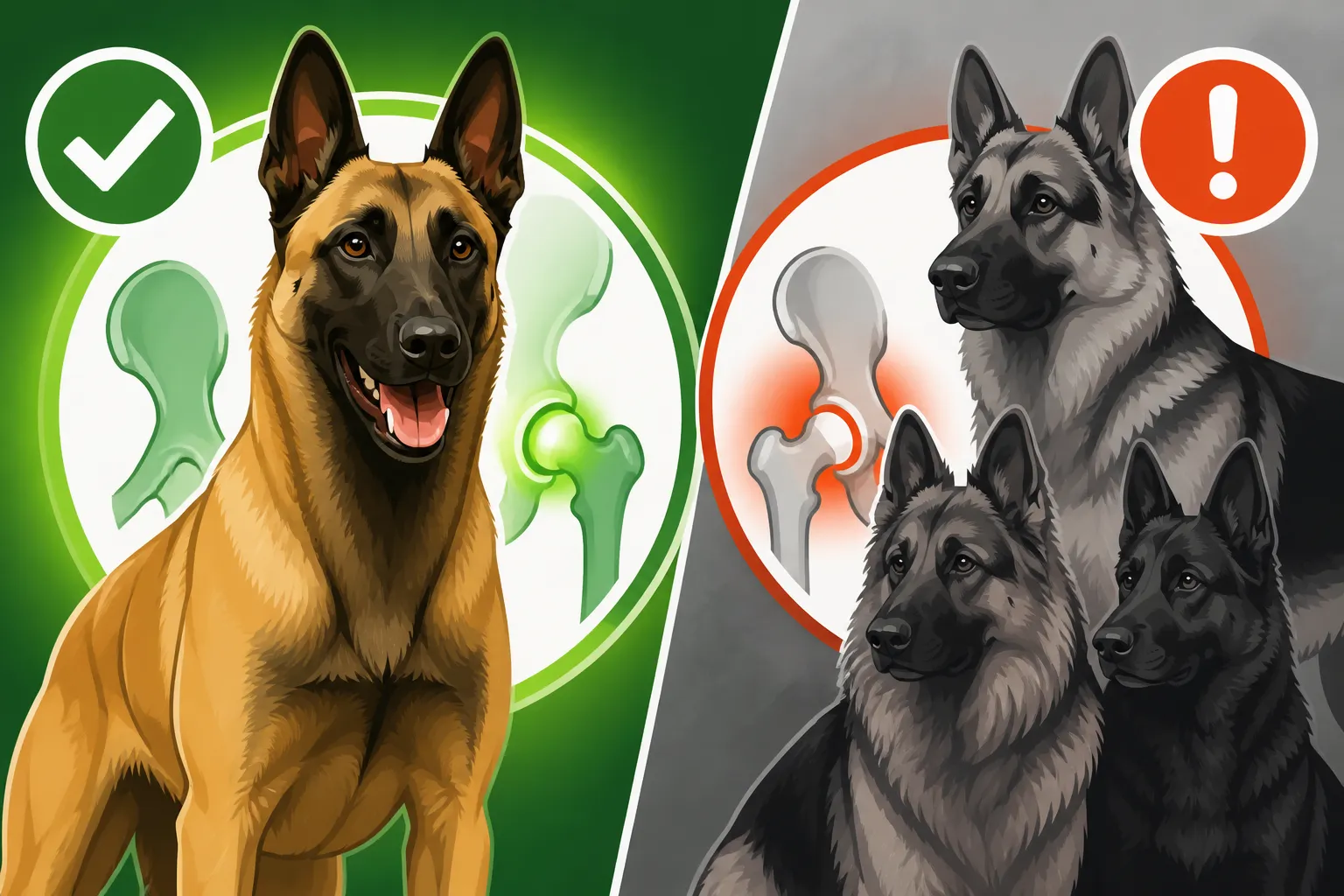
In contrast, the Malinois has largely avoided this extreme conformational pressure. Their standard calls for a balanced, square build with moderate angulation, reflecting their heritage as agile, enduring herders and working dogs. The structure of a Malinois prioritizes efficiency of movement and athletic capability over extreme aesthetics. This fundamental difference in what breeders were striving for has had a profound impact on the skeletal health of the respective breeds. German Shepherds also tend to be heavier-boned and more substantial in build than Malinois, adding more weight and stress to their joints. While many working line German Shepherds maintain excellent health and moderate conformation, the breed as a whole carries a higher statistical burden of hip dysplasia due to these historical breeding choices in certain segments.
Other Herding Breeds and Their Joint Health
It's not just German Shepherds. Many large, active breeds can be prone to hip dysplasia, but herding breeds, in particular, often face scrutiny due to their active lifestyles and structural demands. However, even within the herding group, there's a spectrum. Breeds like the Australian Shepherd and Border Collie, for example, generally have moderate rates of hip dysplasia, often lower than German Shepherds but perhaps slightly higher than the Malinois, depending on the specific lines and breeding practices. These breeds also tend to have a lighter build and a strong emphasis on functional conformation, similar to the Malinois.
The common thread among herding breeds with good hip health is often a history of selection for functional soundness. A dog that cannot work all day, turn quickly, and remain agile cannot effectively herd livestock. Any structural weakness, including hip problems, would quickly make a dog unsuitable for its original purpose. While comprehensive health testing, like Screening a Belgian Malinois Puppy for Hip Laxity, is now standard across many reputable breeders, the Malinois benefits from both modern vigilance and a historical breeding philosophy that inherently selected for superior structural integrity. The breed's relatively lighter bone, tighter musculature, and moderate angles are key differentiators that have kept its hip dysplasia rates commendably low compared to its heavier-boned, more extreme-angled cousins.
What This Means for Malinois Owners
Understanding why Malinois tend to have lower hip dysplasia rates is fantastic news for current and prospective owners. It means you're generally starting with a genetically more robust dog. However, it doesn't mean you can throw caution to the wind. Proactive care is still essential to ensure your Malinois enjoys a long, healthy, and active life.
Maintaining Optimal Hip Health Throughout Life
Even with a strong genetic advantage, maintaining your Malinois's hip health throughout its life requires ongoing commitment. Firstly, continue with appropriate, consistent exercise. This builds and maintains the muscle mass crucial for joint stability. Think varied activities: running on different terrains, swimming (which is low-impact and builds excellent muscle), tracking, and controlled agility. Avoid repetitive, high-impact activities on hard surfaces for extended periods, particularly in younger dogs.
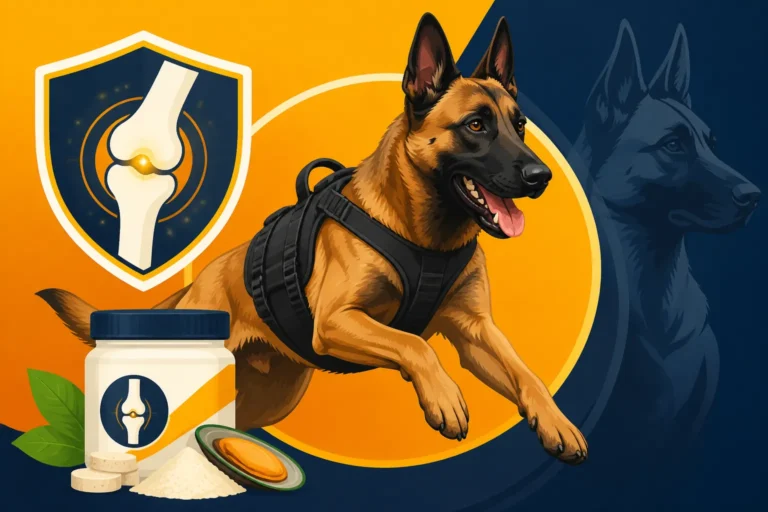
Secondly, nutrition remains vital. Keep your Malinois lean. Regularly assess their body condition; you should be able to easily feel their ribs but not see them prominently. If you’re unsure, ask your vet or an experienced Malinois handler for guidance. Consider adding joint supplements, especially as your Malinois ages or if they are engaged in demanding work. Supplements containing glucosamine, chondroitin, and MSM can support cartilage health and reduce inflammation. While not a cure, they can be a valuable part of a proactive health regimen. You might discuss Joint Supplements for a Working Belgian Malinois with your vet to find the best fit. Regular veterinary check-ups are also non-negotiable, allowing your vet to monitor your dog's gait and identify any subtle Signs a Malinois's Hips Are Failing Under Load early on.
When to Seek Veterinary Consultation
Even with the best breeding and care, no dog is completely immune to orthopedic issues. It's crucial for Malinois owners to be observant and know when to seek professional veterinary advice. Any subtle changes in your dog's gait, a reluctance to jump, difficulty getting up, a decrease in activity level, or a general stiffness, especially after rest or exercise, warrant a vet visit. A "bunny hop" gait, where both hind legs move together, can also be a sign of hip discomfort.
Don't wait until the symptoms are severe. Early diagnosis can often lead to more effective management strategies, whether it's through medication, physical therapy, or lifestyle adjustments. Your veterinarian may perform a physical examination, manipulate the hips, and recommend X-rays to assess the joint condition. They might also discuss options like anti-inflammatory medications, pain management, or even surgical interventions if necessary. While pet insurance, such as plans offered by Healthy Paws, can be incredibly helpful for managing unexpected vet bills related to injuries or illnesses, proactive care and early detection remain your best tools for preserving your Malinois's mobility. Many diagnostic steps, from initial X-rays to advanced imaging, can add up quickly, so having a good understanding of your financial preparedness for veterinary care is always wise.
| Factor | Belgian Malinois (General Trend) | German Shepherd (General Trend, especially show lines) | Impact on Hip Health |
|---|---|---|---|
| Bone Structure | Lighter, more refined | Heavier, more substantial | Lighter load on joints, less stress |
| Hindquarter Angulation | Moderate, functional | Often exaggerated (sloped back) | Better joint alignment, less shear force |
| Musculature | Dense, powerful, athletic | Strong, but sometimes not enough to overcome poor structure | Natural joint stabilization, shock absorption |
| Breeding Focus | Function, working ability | Function & aesthetics (varies by line) | Prioritization of soundness, fewer structural flaws |
| Growth Rate (Managed) | Controlled, slower | Can be pushed for rapid size | Reduces stress on developing growth plates |
| Activity Level | High, intense, structured | Variable, can be less intense for pet lines | Builds strong supporting muscles |
| Prevalence of HD | Generally Lower | Generally Higher | Direct outcome of combined factors |
Disclaimer
This guide is intended for informational purposes only and does not constitute professional veterinary advice. Always consult with a qualified veterinarian for any health concerns or before making any decisions about your Belgian Malinois's care, diet, or exercise regimen.