Whether PennHIP Tells a Malinois Buyer More
When you're looking to bring a high-drive Belgian Malinois into your life, especially one you hope will thrive in demanding jobs or sports, the sheer weight of responsibility can feel overwhelming. A top concern for many prospective owners is hip health. There's nothing more heartbreaking than seeing a promising young dog sidelined by debilitating joint issues, and finding a puppy from healthy lines is paramount. This guide will dive deep into whether PennHIP, a specific hip evaluation method, offers a more comprehensive picture for a Malinois buyer than traditional screening methods.
Understanding Hip Dysplasia in Working Line Dogs
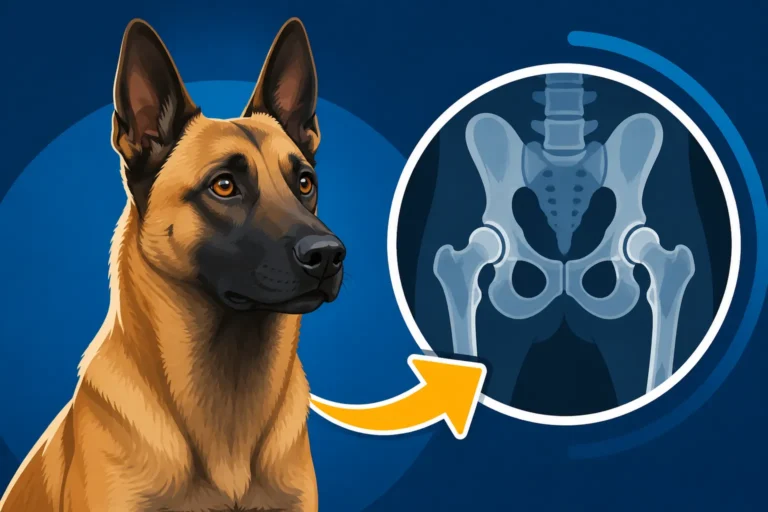
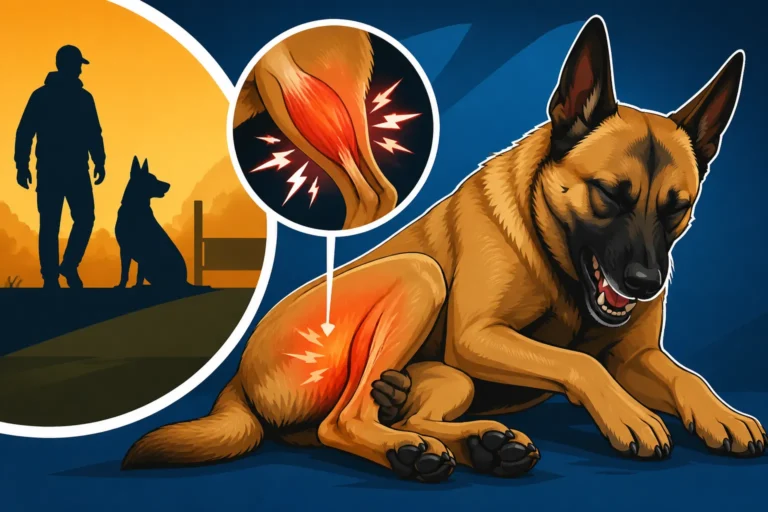
Hip dysplasia is one of those terms that sends shivers down a dog owner's spine, and for good reason. It's a genetic condition where the hip joint doesn't form correctly, leading to a loose fit between the ball (femoral head) and socket (acetabulum). Over time, this poor fit causes wear and tear, pain, and eventually debilitating arthritis. For a Belgian Malinois, a breed renowned for its explosive power, agility, and relentless drive, healthy hips aren't just a luxury; they're an absolute necessity for a long, productive life.
The Challenge of Screening for Future Issues
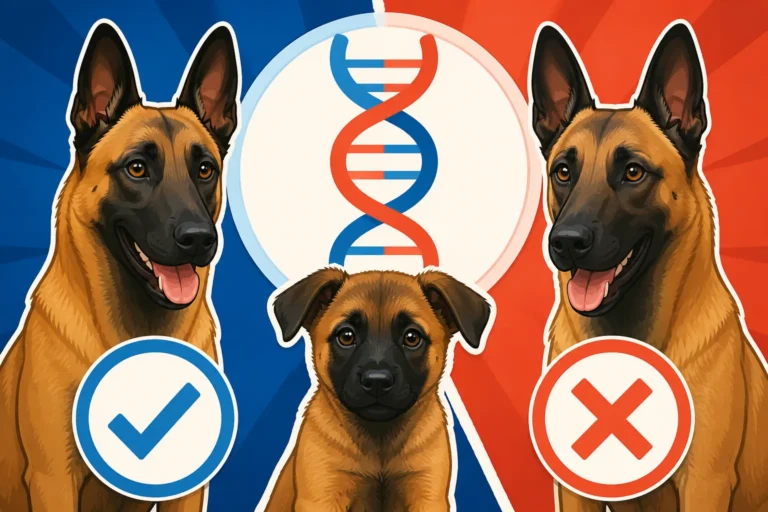
The frustration for many buyers is that hip dysplasia isn't always obvious in puppies. A young Malinois can bound around, seemingly perfectly sound, only to develop issues later in life. Breeders diligently try to screen their breeding stock to minimize the risk, but the methods and their interpretation can vary, leaving prospective puppy owners feeling like they need a veterinary degree just to understand a health certificate. This is where the conversation often turns to different screening methods, each with its own merits and limitations.
Why Standard X-Rays Aren't Always Enough
Traditional hip evaluations often rely on standard X-rays, typically performed by the Orthopedic Foundation for Animals (OFA). While OFA has been a cornerstone of canine orthopedic health for decades, the standard view, known as the VD (ventrodorsal) extended hip view, can sometimes miss subtle but significant hip laxity. In this position, the dog's legs are extended straight back, which can artificially tighten the joint capsule, making the hips appear tighter than they actually are. It's not that the OFA method is flawed, but rather that it provides a snapshot based on a specific, sometimes misleading, position. A Malinois with moderate laxity could potentially receive a "Fair" or even "Good" rating, only to develop arthritis years later when subjected to intense work. Understanding Reading a Belgian Malinois Hip Result requires knowing these nuances.
How PennHIP Evaluation Delivers Deeper Insights
PennHIP, developed at the University of Pennsylvania, takes a different approach to evaluating hip integrity. Instead of relying solely on an extended view, it uses a specialized set of three radiographs to quantitatively measure hip laxity. This means it doesn't just grade the hip's appearance; it measures how loose the joint is, which is a much more direct indicator of a dog's predisposition to hip dysplasia.
The Science Behind the Distraction Index
The core of the PennHIP method is the "distraction index" (DI). This is a numerical measurement that quantifies the amount of laxity in the hip joint. To get this measurement, a certified veterinarian takes three specific X-ray views under sedation:
- Distraction View: This is the game-changer. The dog's hips are gently pushed out of the socket using a specialized device, allowing the vet to measure the maximum amount of separation between the ball and socket. The greater the separation, the higher the DI, indicating more laxity.
- Compression View: This view shows how tight the hip joint is when the femoral heads are seated firmly into the acetabula. It confirms the quality of the joint components.
- Hip Extended View: Similar to an OFA view, this provides an assessment of the hip's conformation and allows for the detection of any existing osteoarthritis.
The distraction index typically ranges from 0 to 1, where a DI closer to 0 indicates very tight hips (less laxity), and a DI closer to 1 indicates very loose hips (more laxity). A dog with a DI of 0.3 has significantly tighter hips than one with a DI of 0.7. Research has shown a strong correlation between a higher distraction index and a greater likelihood of developing hip osteoarthritis later in life. This direct measurement is what truly sets PennHIP apart and allows for a more predictive assessment.
Earlier Screening for Peace of Mind
One of the significant advantages for a Belgian Malinois buyer is that PennHIP can be performed much earlier than OFA certifications. While OFA requires dogs to be at least 24 months old for a final certification, PennHIP can provide accurate results as early as 16 weeks of age. This is a massive benefit for breeders and buyers alike. Imagine being able to assess a puppy's hip laxity before committing to a demanding training program, or simply having a clearer picture of your future dog's potential health trajectory much sooner. This early insight can be invaluable for making informed decisions about a puppy purchase, especially if you're selecting a future working partner. It changes the game from waiting for The Age a Malinois Is Ready for Final Hip Films to getting crucial data when a puppy is just a few months old.
PennHIP's Advantages for a Malinois Buyer
So, does PennHIP truly tell a Malinois buyer more? Absolutely. It provides a level of detail and predictive power that traditional methods often cannot, which is critical for a breed like the Malinois that is put through its paces daily.
Quantifying Risk, Not Just Grading Appearance
Unlike OFA, which assigns a subjective grade (Excellent, Good, Fair, Borderline, Mild, Moderate, Severe) based on visual assessment by multiple radiologists, PennHIP provides an objective, quantifiable risk assessment. When you're looking at a PennHIP report, you see an actual number – the distraction index – and that dog's DI is compared to the average for the Belgian Malinois breed and all breeds. This allows you to understand precisely where your potential puppy's parents stand in terms of hip tightness.
For example, a breeder might tell you a dog has a DI of 0.4. This number, on its own, might not mean much. However, when you see it graphed against the breed average, and understand that a lower number is better, you gain a clear, evidence-based understanding of that dog's hip quality. This objective data helps remove some of the guesswork and subjectivity from the equation, giving you a more concrete understanding of genetic predisposition. Knowing Whether Six Percent Is Low for Malinois Hips becomes much clearer with this kind of data.
Better Predictability for Long-Term Health
The predictive nature of PennHIP is perhaps its most compelling advantage. Studies have consistently shown that the distraction index is a more reliable predictor of a dog's likelihood of developing hip osteoarthritis (the consequence of hip dysplasia) than the standard extended view radiograph. This means that a breeding pair with tighter PennHIP scores is more likely to produce offspring with tighter hips and a lower risk of developing hip problems down the line.
For a Malinois buyer, this translates to a potentially longer, healthier working life for their dog. When you're investing in a dog for sport, service, or as an active family companion, minimizing the risk of a debilitating injury or chronic pain is paramount. A PennHIP-certified parent offers a higher degree of confidence that your puppy's hips are set up for success, reducing the chances of early retirement or extensive veterinary interventions later on. This is particularly relevant given the rigorous demands placed on these dogs, where The Hip and Elbow Numbers Behind a Malinois Clearance are often non-negotiable for competitive pursuits.
An Example Comparison: OFA vs. PennHIP
Let's look at a quick comparison to illustrate the differences and why PennHIP can be seen as more informative.
| Feature | OFA Evaluation | PennHIP Evaluation |
|---|---|---|
| Minimum Age | 24 months for final certification | 16 weeks (4 months) for preliminary results |
| Evaluation Method | Subjective visual grading by radiologists | Objective, quantitative measurement of hip laxity |
| Primary Focus | Conformation and presence of osteoarthritis | Direct measurement of hip laxity (distraction index) |
| Predictive Value | Good for existing disease; less so for future risk | High for predicting future osteoarthritis risk |
| Views Taken | Typically one extended hip view (VD) | Three views: Distraction, Compression, Extended Hip |
| Interpretation | Grades (Excellent, Good, Fair, etc.) | Numerical Distraction Index (0-1) + breed comparison |
As you can see, PennHIP offers a different kind of data—a direct measurement of laxity, which is scientifically proven to be a stronger predictor of future disease than the visual conformation grades of OFA.
Integrating PennHIP with Other Health Considerations
While PennHIP provides invaluable insights into hip health, it's crucial to remember that it's just one piece of a larger puzzle. A responsible Malinois buyer should always look at the full picture of a dog's health clearances, genetic background, and the breeder's practices.
Beyond Hips: A Holistic Approach to Health
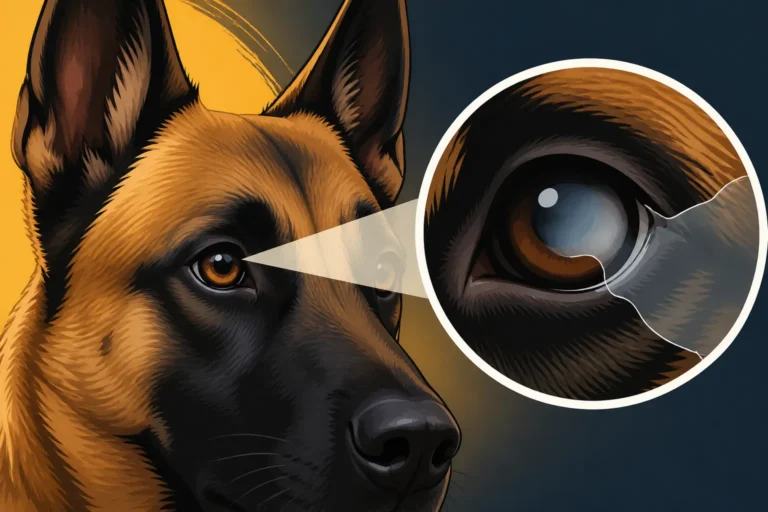
A healthy Belgian Malinois isn't just about good hips. It's about a sound overall structure, clear eyes, and a robust constitution. When you're talking to breeders, make sure you ask about all health clearances for both parents, not just hips. This should include elbow evaluations, eye certifications (OFA or Canine Eye Registry Foundation – CERF), and genetic testing for conditions like degenerative myelopathy (DM) or spongy degeneration (SDCA1/SDCA2). A comprehensive approach means understanding that a dog's longevity and performance depend on many factors. You'll want to review The Two Ataxia Genes Belgian Malinois Are Tested For as well.
The Importance of Breeder Transparency and Mentorship
The best breeders are transparent. They'll readily provide copies of all health certificates, explain the nuances of OFA and PennHIP results, and even offer mentorship. They understand the investment, both emotional and financial, you're making. A breeder who uses PennHIP is often one who is deeply committed to producing the healthiest possible dogs, as it typically involves more specialized equipment, training, and a slightly higher cost per evaluation. They're going above and beyond to give their buyers the best possible start. Don't be afraid to ask detailed questions about Whether a Belgian Malinois Ages Better Than a Shepherd and what they do to promote longevity.
Responsible Puppy Rearing and Lifestyle Choices
Even with the best genetic predisposition, a puppy's environment and care play a huge role in its long-term joint health. Rapid growth, excessive high-impact exercise at a young age, and poor nutrition can all contribute to joint problems, even in a dog with genetically tight hips. Ensure you're feeding a high-quality, balanced diet appropriate for large breed puppies that supports slow, steady growth. Be mindful of exercise: avoid excessive jumping, long runs on hard surfaces, or repetitive impact activities until your Malinois is fully mature, typically around 18-24 months. Discussing Whether Jumping Damages a Young Malinois's Joints with your vet and breeder is vital.
Maintaining a lean body condition throughout your Malinois's life is also critical. Every extra pound puts additional stress on their joints. Furthermore, consider how much you're willing to invest in preventative care and potential treatment. Pet insurance, from providers like Healthy Paws, can be an excellent way to prepare for unexpected veterinary costs, especially with a high-energy, potentially injury-prone breed. They can help cover significant expenses should an unforeseen health issue, like a hip injury or a condition requiring ongoing medication, arise later in your dog's life. Understanding What Pet Insurance Runs on a Working Malinois is a smart financial step.
Final Thoughts for the Informed Buyer
For a Belgian Malinois buyer, the question of whether PennHIP tells you more isn't just academic; it's profoundly practical. It offers a more objective, quantifiable, and predictive assessment of hip laxity, giving you a clearer window into your future dog's orthopedic health than traditional methods alone. This doesn't mean OFA is obsolete, but rather that PennHIP provides complementary, and in some ways superior, data for making the most informed decision.
When you're choosing your next Malinois, especially one destined for an active or working life, prioritizing breeders who utilize PennHIP alongside other comprehensive health clearances shows a commitment to long-term health and well-being. It's about minimizing risk and maximizing the potential for your incredible canine partner to live a full, active life, free from the pain of hip dysplasia. This thorough diligence from the start helps ensure you’re getting a sound animal, allowing you to focus on Keeping a Belgian Malinois Sound Past Twelve years rather than managing avoidable health crises.
Disclaimer
This article is intended for informational purposes only and does not constitute veterinary advice. Always consult with a qualified veterinarian for any health concerns or before making decisions about your pet's care.