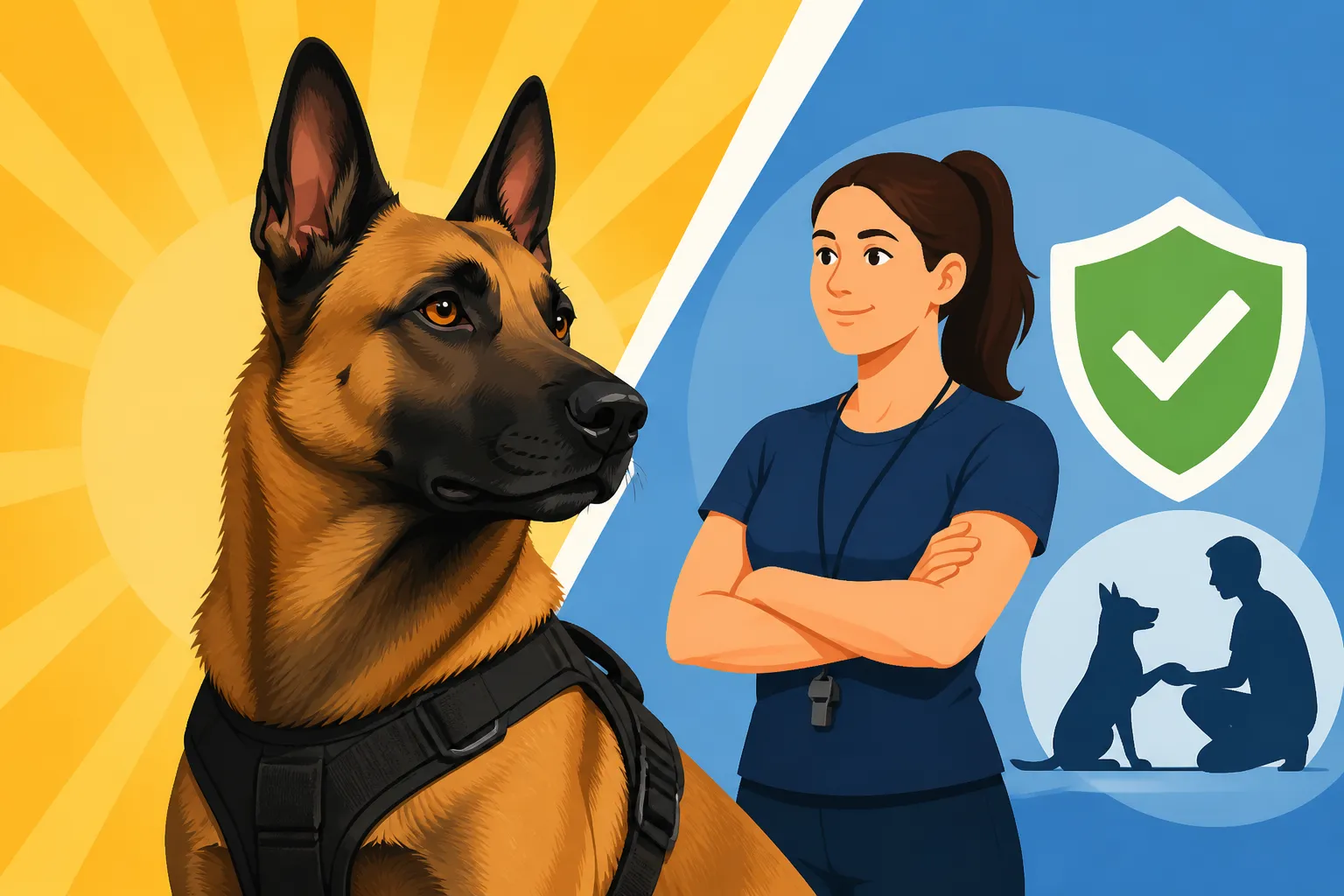
Finding a Sitter Who Can Handle a Malinois
Leaving your Belgian Malinois with someone else, even for a short while, can feel like you’re entrusting your most prized, high-energy possession to a complete stranger. It’s not just about finding someone to put food in a bowl; it’s about finding a handler who understands the unique demands, intensity, and intelligence of this incredible breed. This guide will walk you through the essential steps to finding, vetting, and preparing a sitter who can truly handle your Malinois, so you can leave with peace of mind.
The Unique Challenges of Sitting a Belgian Malinois
Let's be real: your Malinois isn't just any dog. They are a breed built for work, constantly observing, evaluating, and ready to spring into action. This incredible drive and intelligence, while amazing for training and sport, also presents significant challenges when it comes to finding someone else to care for them. A casual dog walker or a neighbor used to a laid-back retriever might find themselves utterly overwhelmed.
High Drive and Energy Needs
The first hurdle to overcome is the sheer intensity of a Belgian Malinois. These dogs aren't satisfied with a leisurely stroll around the block or a quick romp in the backyard. They need a job, mental stimulation, and physical exertion that would tire out most other breeds twice their size. Many Malinois owners will tell you that Two Hours and a Job a Belgian Malinois Demands Daily is a bare minimum, and often even that doesn't fully exhaust their companion. A sitter needs to understand that a bored Malinois isn't just a slightly mischievous dog; it's a canine force of nature looking for something, anything, to occupy its mind and body. This can manifest as destructive behaviors, constant demand barking, or an inability to settle. Without adequate stimulation, both physical and mental, your Malinois will likely create its own fun, which might involve redecorating your couch or reorganizing your garden.
Furthermore, it's not just about raw physical exercise. A Malinois thrives on structured activities that engage their keen minds. Think about the types of training you do with your dog—the precision, the problem-solving, the constant communication. A sitter needs to be prepared to step into this routine, not just observe it. If they can't provide that level of engagement, even an hour of running might not tire your dog out effectively. This is why a simple "dog sitter" might not cut it; you need someone who truly gets the drive.
Specific Training and Handling Requirements
Your Malinois likely operates on a precise set of cues, hand signals, and routines that you've diligently established. They respond to your voice, your body language, and the consistency of your commands. A sitter, therefore, needs more than just a general understanding of "dog training." They need to be able to mimic your handling style as closely as possible, especially if your dog is accustomed to a specific level of pressure, reward, or correction. What works for a Labrador might completely shut down a sensitive Malinois, or, conversely, be entirely ignored by one with a strong will.
Consider the equipment you use: is it a flat collar, a prong collar, a head halter, or an e-collar? A sitter must be proficient and comfortable using your tools with your dog, exactly as you would. If your Malinois is conditioned to an e-collar for off-leash recall, for example, handing that over to someone unfamiliar could be dangerous. Likewise, if your dog is accustomed to precise obedience work, a sitter who just "lets the dog be a dog" might quickly lose control, or worse, damage your dog's hard-earned training. It's about respecting the intricate dance you've established with your Malinois. This is where The Handler Experience a Belgian Malinois Needs becomes paramount – it’s not just dog experience, but Malinois experience.
Potential Behavioral Nuances
Belgian Malinois can develop strong bonds with their primary handlers and can be wary of strangers, often exhibiting territorial instincts or protective behaviors. This isn't aggression for aggression's sake, but rather a natural extension of their protective heritage. A new person in the home, even if introduced properly, might trigger resource guarding of their toys or space, or a general distrust that manifests as barking, stiffness, or refusal to engage. Your sitter needs to understand these nuances, not just dismiss them as "the dog being naughty."
Furthermore, some Malinois can struggle with separation anxiety, especially when their primary handler leaves. They might pace, vocalize excessively, or become destructive. A sitter must be prepared to manage these anxieties, perhaps with specific calming techniques or enrichment activities you employ. They also need to be aware of potential reactivity towards other dogs or people, especially on walks. Whether a Belgian Malinois reacts to other dogs is a crucial piece of information for any potential sitter, as their ability to manage a public outing safely is non-negotiable. Knowing your dog's triggers and how to navigate them is a skill that takes time to develop, and a sitter has to be a quick study.
Where to Begin Your Search for a Malinois Sitter
Finding someone who can genuinely handle a Belgian Malinois can feel like searching for a needle in a haystack. But with the right approach and by tapping into the right resources, you can significantly increase your chances of finding a qualified and trustworthy individual. It requires going beyond the typical pet-sitting websites and into communities that truly understand the breed.
Networking Within the Malinois Community
Your absolute best bet for finding a suitable Malinois sitter is to leverage the vast network of fellow enthusiasts, trainers, and breeders. These are the people who get it. They understand the drive, the quirks, and the specific needs of the breed because they live with them every single day. Start by reaching out to your local dog sport club (IGP, Ring Sport, Agility, Scent Work). Members there are often looking for opportunities to help each other out, or they might know trusted individuals who handle Malinois professionally. Many trainers offer boarding or sitting services tailored to high-drive dogs.
Online forums, breed-specific social media groups, and even your own breeder can be invaluable resources. Your breeder, having placed many puppies, might have a list of recommended sitters or even know other owners in your area who could offer advice or even trade sitting services. This community-based approach allows you to find individuals who aren't just "dog lovers" but "Malinois lovers" with practical experience. They've likely dealt with a Malinois puppy that bites everything including you, or managed a seasoned working dog, giving them a distinct advantage over someone with general pet-sitting experience.
Professional Pet Sitting Services
While generic pet-sitting services might seem like an easy solution, you need to be extremely selective. Many large platforms or agencies cater to a broad range of pets and might not have staff specifically trained or experienced with high-drive working breeds like the Malinois. If you go this route, be prepared to do extensive vetting. Look for services that specifically advertise experience with "working breeds," "high-energy dogs," or "dogs with specific training needs." Don't be shy about asking direct questions about their staff's experience with Malinois or similar breeds such as Dutch Shepherds.
When inquiring with a professional service, ask about their internal training protocols for handling challenging dogs, their emergency procedures, and whether they have backup sitters available. You'll want to know if they carry their own insurance and if their sitters are bonded. This is especially important given the potential for issues like What a Malinois Destroys in One Unsupervised Hour. Remember, you're not just hiring a body; you're hiring an extension of your training and care regimen. Some services might even offer specialized board-and-train programs where your dog stays with a trainer, which can be an excellent option if your Malinois requires consistent, structured work while you're away.
The "Friend or Family" Option
For many, the first thought is to ask a trusted friend or family member. This can be a wonderful, cost-effective solution, if that person truly understands and is capable of handling your Malinois. The key here is brutal honesty about your dog's needs. Don't sugarcoat the intensity or the specific routines. Your well-meaning aunt who loves her poodle might be completely unprepared for the reality of your Malinois's daily demands.
If you choose this route, invest significant time in preparing them. This isn't just a casual handover. They need to spend ample time with you and your dog, learning the routines, understanding the commands, and observing how you manage your Malinois in various situations. Provide a detailed written schedule, contact numbers, and clear instructions for every aspect of care, from feeding and exercise to handling potential behavioral issues. It's often helpful to have them do a few trial runs where they handle your dog while you're still present, or even an overnight stay while you're nearby. You might also consider offering to pay them, even if they initially refuse. This helps solidify the arrangement as a serious responsibility rather than a casual favor, and ensures they feel compensated for the significant effort involved.
What to Look For in a Qualified Belgian Malinois Sitter
Once you have a pool of potential sitters, the real work begins: vetting them thoroughly. This is not the time to be shy or make assumptions. You need concrete evidence of their capability and a clear understanding that they can meet the unique demands of your Belgian Malinois.
Essential Experience and Skills
The primary qualification for a Malinois sitter isn't just "loves dogs"; it's a proven track record of handling high-drive, intelligent, and often powerful breeds. Look for individuals who have:
- Direct Experience with Working Breeds: Ideally, they've owned, fostered, or regularly worked with Belgian Malinois, German Shepherds, Dutch Shepherds, or similar dogs. This isn't just about strength; it's about understanding the psychology of a working dog.
- Solid Training Background: They should be familiar with positive reinforcement, clear communication, and consistent handling. Ask about specific commands they use, how they address unwanted behaviors, and their philosophy on training. If your dog is e-collar conditioned, they must be competent with that tool.
- Emergency Preparedness: Accidents happen, especially with active dogs. A good sitter should know basic canine first aid, understand how to recognize signs of stress or illness, and know exactly what to do in an emergency. They should be comfortable transporting your dog to the vet if necessary.
- Physical Stamina and Capability: Your Malinois needs to run, play, and work. Can your sitter keep up? Are they physically capable of managing your dog on a leash if it pulls, or handling its intense play style? Remember, a Malinois can often out-muscle someone not prepared for their power.
A sitter who has experience helping an owner manage a Belgian Malinois that will not settle or dealing with A Belgian Malinois That Pulls Toward Every Distraction on leash is going to be far more prepared than someone who hasn't.
Interviewing and Vetting Potential Sitters
Treat this like a job interview, because it is. Prepare a list of specific questions that go beyond general dog care:
- "Tell me about your experience with high-drive or working-line dogs."
- "How do you handle a dog that is highly reactive to distractions?"
- "What's your plan for providing mental stimulation when physical exercise isn't enough?"
- "Describe a time you had to manage a challenging dog behavior, and what was the outcome?"
- "What is your emergency protocol, including vet contacts and transportation?" (Ensure they know your vet and emergency vet clinics).
- "Are you comfortable using a prong collar/e-collar/etc. if that's what my dog is trained on?"
- "How do you ensure consistency with training commands and routines?"
- "What is your philosophy on discipline versus reward with a high-energy dog?"
Pay close attention to their answers. Look for confidence, specific examples, and a genuine understanding of the breed's demands, not just vague assurances. Ask for references from other Malinois owners or trainers. When you call these references, ask targeted questions about the sitter's ability to handle high-drive dogs, their reliability, and how they managed any challenging situations. Remember, red flags might include over-confidence without substance, a lack of specific examples, or any hesitation about discussing emergency procedures.
Trial Runs and Acclimation Periods
A quick "meet and greet" where your dog sniffs the sitter's hand is simply not enough for a Malinois. You need to implement a gradual acclimation process to ensure everyone is comfortable and safe.
- Initial Meet-and-Greet (with you present): Have the sitter come to your home. Observe how they interact with your Malinois. Does your dog warm up to them? Do they respect your dog's boundaries?
- Supervised Walks/Training Sessions: Go on several walks or training sessions together. Let the sitter handle the leash and give commands while you observe. See how your Malinois responds to their handling. This is critical for understanding The Structure a Belgian Malinois Needs Every Day.
- Short, Unsupervised Visits: Start with brief visits where you leave for an hour or two. This helps your Malinois get used to the sitter being in charge without you, and allows the sitter to experience your dog's behavior when you're not around.
- Overnight Stays: Before a longer trip, schedule a one or two-night trial stay. This is the ultimate test. It allows the sitter to experience the full routine, including nighttime behaviors, feeding schedules, and managing any potential separation anxiety. It also gives you invaluable insight into how your dog fared and any issues that arose.
This phased approach ensures that both your Malinois and the sitter are prepared, minimizing stress and potential problems when you're truly away.
Preparing Your Malinois and Sitter for Success
Finding the right sitter is only half the battle. The other half is setting both your Malinois and your chosen handler up for absolute success. This means providing clear, concise, and comprehensive information, anticipating potential issues, and ensuring everyone knows what to do in every conceivable scenario.
Detailed Instructions and Emergency Protocols
You need to create a "Malinois Sitter Manual." This isn't optional; it's absolutely essential. This manual should be a binder or clearly labeled folder, easily accessible, containing every piece of information your sitter could possibly need.
What to include:
- Daily Routine: A step-by-step breakdown of your Malinois's day, including precise feeding times and amounts (maybe even portioned out if you use brands like Ollie or if your dog is on a specific diet like Healthy Paws for sensitive stomachs), medication schedules, exercise routines, and mental stimulation activities.
- Command List: A list of all commands, verbal cues, and hand signals your Malinois knows, along with the expected response.
- Known Behaviors & Triggers: Detail any quirks, fears, reactivity (e.g., to skateboards, specific types of dogs), or resource guarding tendencies. Explain how you manage these.
- Emergency Contact Info: Your cell phone, a secondary contact, your primary veterinarian's number and address, the nearest 24/7 emergency veterinary clinic, and your pet insurance details if you have a plan like Healthy Paws. Make sure your vet knows your sitter is authorized to bring your dog in.
- Health Records: Copies of vaccination records, proof of rabies, and any relevant medical history, like previous injuries or known allergies. This is also where you'd include information on things like The Bloodwork a Working Malinois Should Have Annually or The Checkup Schedule a Sport Malinois Should Keep.
- Escape Artist Notes: Malinois are notorious escape artists. If your dog has any tendencies to jump fences or open doors, warn your sitter explicitly and tell them your containment protocols.
- Favorite Toys/Chews: List your dog's favorite enrichment toys (perhaps from Chewy) and any acceptable long-lasting chews, along with strict rules about which ones are okay and when.
Go over this manual with your sitter in person, answering any questions they might have. The more prepared they are, the more smoothly things will run.
Managing Daily Routines and Expectations
Beyond the written instructions, have a candid conversation about daily life. Your Malinois thrives on routine, and any disruption can cause stress. Discuss:
- Feeding Habits: Does your Malinois eat all its food at once, or graze? Does it get treats during training? What about special meal prep, if any? Make sure they understand Feeding a Belgian Malinois That Will Not Eat Under Stress if that applies to your dog, and what your protocol is.
- Exercise Logistics: Where do you walk your dog? What equipment do you use? How long are sessions? What types of mental work do you incorporate? Emphasize safety protocols, especially if your dog has high prey drive.
- Crating/Confinement: If your Malinois is crated, ensure the sitter knows your specific crate commands and routine. Discuss what happens if your dog protests being crated or seems distressed.
- Interaction Guidelines: How much physical interaction does your dog need? Does it enjoy being petted by strangers or prefer to keep its distance? Does it enjoy car rides or find them stressful?
- "Down Time" Expectations: A sitter needs to understand that a Malinois doesn't just "chill out" on its own. They need to facilitate that "off switch," perhaps through structured quiet time in the crate or specific calming exercises you've taught them.
It's also crucial to manage your own expectations. While you want your sitter to replicate your routine perfectly, there will inevitably be small differences. Focus on the big picture: safety, well-being, and minimal stress for your dog.
Compensation and Contractual Agreements
Discuss compensation clearly and upfront. While a friend or family member might initially offer to sit for free, offering fair pay for the significant responsibility of caring for a Malinois is always recommended. This validates their effort and ensures they feel valued. Rates can vary widely based on location, experience, and the specific needs of your dog (e.g., medication administration, intense training sessions).
Consider a simple written agreement, even for informal arrangements. This can outline:
- Duration of care: Start and end dates.
- Compensation: Agreed-upon rates, payment schedule, and what's included (e.g., walks, feeding, playtime).
- Responsibilities: A clear list of duties, aligning with your detailed instructions.
- Emergency authorization: Explicit permission for the sitter to seek veterinary care if needed, with limits on cost if you desire (though for a Malinois, often unlimited is safest).
- Liabilities: Clarify responsibilities in case of property damage caused by the dog, or injuries to the sitter (though this is more common with professional services).
Having these discussions and agreements in place before you leave reduces misunderstandings and allows both parties to feel secure and confident in the arrangement. Your Malinois is a significant investment in time, training, and emotion, and finding the right sitter is just as important as all the other critical decisions you make for them.
Disclaimer
This article is for general informational purposes only and does not constitute professional advice. Laws, prices and regulations vary by location and change over time. Consult a qualified professional for guidance on your specific situation.