What a Season of Decoy Work Costs a Malinois Owner
For many Belgian Malinois owners, the dream of a truly engaged, highly trained working dog often leads them down the path of bite sports, like IGP or Ring. But before you dive headfirst into that world, it’s absolutely crucial to understand the financial commitment involved. This isn't just a casual hobby; a season of dedicated decoy work for your Malinois can involve a surprising array of expenses, from club dues to specialized equipment and unexpected vet bills. This guide will walk you through the various costs you'll realistically encounter, helping you prepare for the investment that comes with molding a truly exceptional working dog.
Understanding the Core Costs of Decoy Work
When you embark on a season of bite sport training, the initial costs tend to revolve around direct access to training resources and the essential equipment. These aren't just one-time purchases; they're recurring investments that are fundamental to your dog's progress and your participation in the sport.
Club Dues and Membership Fees
Joining a reputable training club is pretty much non-negotiable if you want to seriously pursue bite work with your Malinois. These clubs provide the crucial infrastructure: experienced decoys, training fields, and a community of like-minded individuals. However, this access comes with a price tag. You'll typically encounter annual or quarterly membership fees, which can vary significantly based on the club's prestige, facilities, and location. Some clubs might offer different tiers of membership, perhaps with additional costs for more frequent or specialized training sessions. These dues usually cover the general overhead of maintaining the training grounds, access to club equipment, and the time of the core training staff and volunteer decoys during regular club sessions. It’s not just a fee; it’s your ticket into a world where high-level training is possible, and a consistent environment is available for your dog. For many, this consistency is vital for a Malinois to thrive and learn, ensuring that the dog gets regular exposure to appropriate stimuli and experienced helpers. Club Dues for a Malinois Owner in IGP or Ring can be a significant part of your yearly budget.
Think about it like this: you're paying for organized, safe, and effective training. Without the structure and expertise that a club provides, attempting bite work independently would be incredibly risky and likely ineffective. These fees ensure that there are trained individuals (decoys) wearing protective gear, ready to engage your dog in a controlled manner. They also help cover the costs of field maintenance, storage for equipment, and often, insurance for the club activities. Without this foundational investment in a club, the journey into bite work would be far more challenging, if not impossible, to navigate safely and effectively.
Decoy Fees and Private Sessions
While club dues cover general access, you'll often find that truly advancing your Malinois, especially in the nuanced world of bite work, requires more personalized attention. This is where individual decoy fees and private training sessions come into play. Decoys, the brave souls who wear the bite suits and engage with the dogs, are highly skilled individuals who dedicate countless hours to understanding dog behavior, bite mechanics, and sport rules. Their expertise is invaluable. While some club dues might include access to group decoy work, many handlers opt for private sessions to address specific weaknesses, refine techniques, or prepare for upcoming trials. These private sessions allow the decoy to focus solely on your dog, tailoring the work to its individual needs and progress. What a Decoy Charges to Work Your Malinois can vary widely based on their experience, reputation, and the demand for their services.
These costs are often hourly or per-session, and they add up quickly. A good decoy isn't just a body for your dog to bite; they are a critical part of your training team, providing feedback on your handling, reading your dog's drive, and shaping its behavior. For example, if your Malinois is struggling with a clean "out" (releasing the bite), a private session allows the decoy to work repeatedly on that specific command, isolating the issue without the distractions of a group setting. This focused attention can dramatically accelerate learning and solidify crucial behaviors. It’s an investment in personalized coaching, ensuring that both you and your Malinois are working in sync and progressing efficiently towards your goals.
Equipment Investment and Replacement
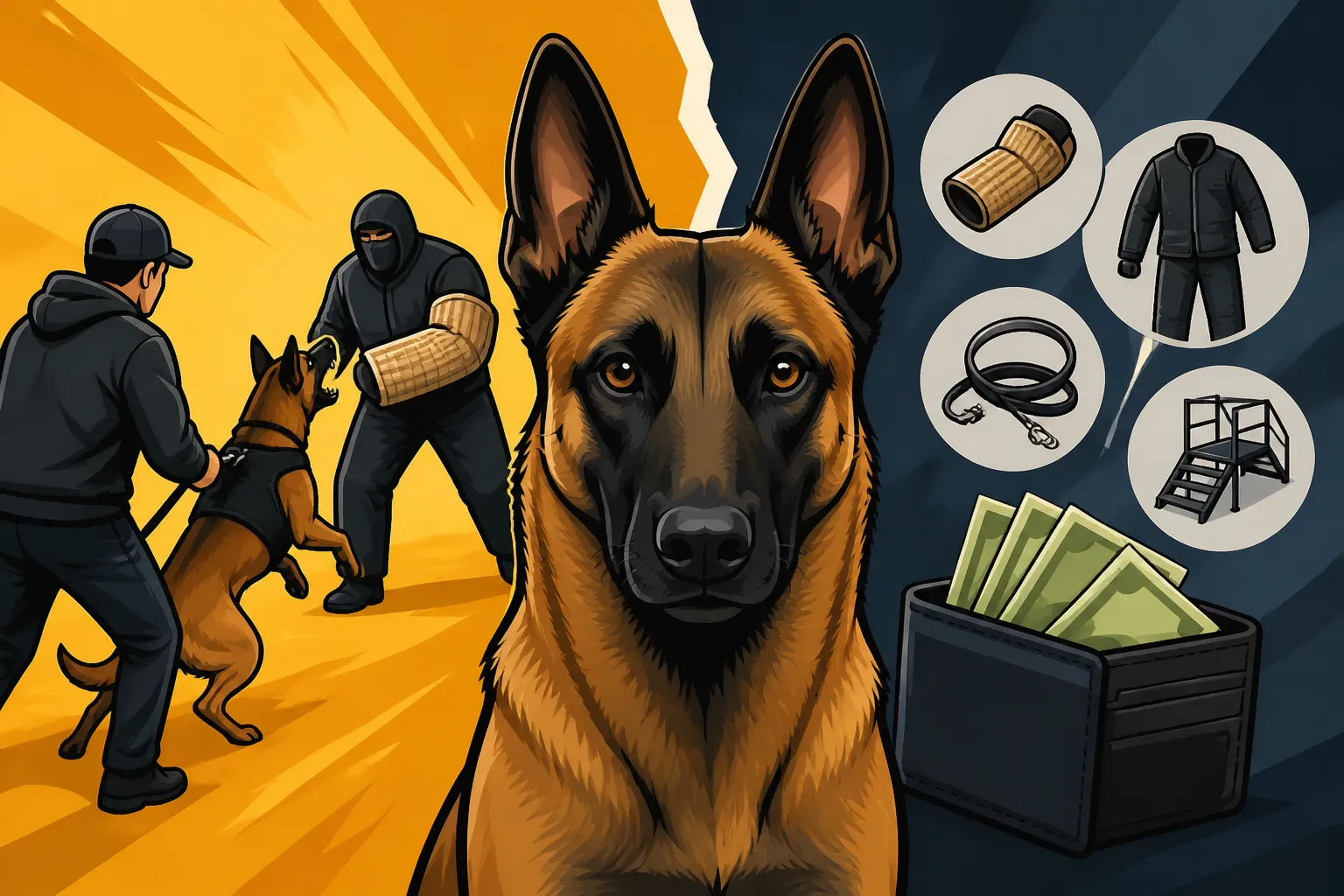
Any sport has its gear, and bite work is no exception. For a Belgian Malinois owner, the equipment list for decoy work can seem endless, and it's certainly not cheap. You’ll need a variety of bite suits, sleeves, and tugs, ranging from soft puppy tugs to full adult sleeves and heavy-duty bite suits. The problem is, these items are designed to take a beating from powerful dogs, but even the toughest gear wears out. A Malinois in full drive isn't gentle, and you'll find yourself replacing items more frequently than you might expect.
Let's break it down:
- Tugs and Bite Pillows: These are foundational tools for building drive and teaching proper grip. You'll likely accumulate a collection of different materials (jute, leather, French linen) and sizes. While some are durable, a high-drive Malinois can shred softer tugs in a surprisingly short amount of time. You'll be buying these regularly. Online retailers such as Chewy often have a good selection of durable training equipment that can withstand a Malinois's powerful bite. Tugs and Bite Pillows a Malinois Destroys gives you an idea of the frequency of these purchases.
- Sleeves: As your Malinois progresses, you'll move from soft puppy sleeves to hard sleeves and eventually full-arm sleeves. These are much more significant investments, and even with the best care, they need to be replaced periodically as they become worn or damaged by consistent powerful biting.
- Bite Suits: This is the most expensive piece of equipment, typically owned by the club or the decoy themselves. However, if you're a serious helper or handler, you might consider investing in your own. They are heavily padded to protect the decoy and allow for full-body target work, but even these robust suits have a finite lifespan when regularly subjected to the crushing power of a Malinois's jaws.
Maintaining a fresh rotation of appropriate equipment is vital not only for your dog's safety and proper development of bite technique but also for the safety of the decoys. Using worn-out gear can lead to injuries for both dog and human.
Indirect Expenses That Add Up During Decoy Season
Beyond the direct costs associated with club membership and training sessions, there’s a whole host of indirect expenses that accumulate over a season of decoy work. These often overlooked costs can significantly impact your overall budget and are just as crucial to consider.
Travel and Accommodation for Training and Trials
Training and trialing your Malinois in bite sports isn't always a local affair. To access the best decoys, specialized seminars, or competitive trials, you often find yourself traveling, sometimes considerable distances. This means more than just gas money. Think about the fuel costs for weekly drives to the training field, especially if it's an hour or more away. Then there are the weekend clinics or regional trials which might require overnight stays, leading to hotel bills and increased food expenses for both you and your dog.
Imagine driving four hours each way for a specialized seminar with a renowned decoy, staying in a dog-friendly hotel for two nights, and eating out. This single event can easily add up to a substantial sum. For those competing at higher levels, national or even international trials can mean airfare, extended stays, and the logistical challenge of transporting a working dog. These travel costs, while not directly related to the "decoy work" itself, are an unavoidable part of the journey for many dedicated handlers. It's a commitment not just of time and money, but also of your willingness to go the extra mile – literally – for your dog's progress and your shared passion.
Nutritional Support for a Working Malinois
A Belgian Malinois engaged in regular, intense decoy work is an athlete, pure and simple. And just like any athlete, their nutritional needs are far greater than those of a couch potato pet. You can't just feed them any generic kibble and expect them to perform at their peak, maintain condition, and recover effectively. This means investing in high-quality, performance-grade dog food. These specialized formulas are typically higher in protein and fat, providing the dense energy required for sustained bursts of activity and muscle recovery. What Performance Kibble Costs for a Malinois is significantly more than standard dog food.
Beyond kibble, many owners supplement their working Malinois with things like joint support, fish oil for skin and coat health, and probiotics for gut health, especially since stress from training and travel can sometimes affect digestion. Some owners even opt for fresh food delivery services, like Ollie, to ensure their working dog gets peak nutrition. These supplements, while beneficial, add another layer to your monthly expenses. You’re not just feeding a dog; you’re fueling a finely tuned machine, and cutting corners on nutrition can lead to poor performance, slower recovery, and potentially more health issues down the line. It's a critical component of keeping your Malinois sound and ready for every session. The Protein a Working Malinois Actually Needs is a topic many owners research in depth.
Veterinary Care and Injury Prevention
The physical demands of bite work are immense. Your Malinois is pushing its body to the limits – running at high speeds, making powerful bites, absorbing impacts, and often performing explosive movements. While Malinois are incredibly athletic and resilient, injuries are an inherent risk in any high-impact sport. Regular veterinary check-ups become even more crucial, often requiring more frequent visits than a pet dog. You'll want to ensure your dog is sound, that their joints are holding up, and that any minor issues are caught and addressed before they escalate.
Consider preventative care: perhaps regular chiropractic adjustments or sports massage to keep their musculoskeletal system in optimal condition. Then there's the possibility of actual injuries, which can range from minor muscle strains to torn ligaments or even broken teeth from hard bites. The Vet Bills a Bite Sport Belgian Malinois Runs Up can be astronomical. A torn cruciate ligament, for example, often requires expensive surgery and extensive rehabilitation. Many dedicated Malinois owners invest in pet insurance, with providers like Healthy Paws offering plans that can help cushion the blow of unexpected medical costs. This proactive approach to health and wellness isn't just about treating problems; it's about maximizing your dog's performance lifespan and ensuring they can continue to do the work they love safely. Emergency Care After a Malinois Training Injury is something every owner hopes to avoid, but must be prepared for.
The Value Beyond the Dollar Amount
When we talk about the cost of a season of decoy work, it’s easy to get caught up in the dollar figures. But for those deeply involved with their Belgian Malinois, the true value extends far beyond monetary investment. It’s about a profound bond, a shared passion, and the incredible transformation of both dog and handler.
Time Commitment and Personal Investment
While not a direct financial cost, the time commitment involved in a season of decoy work is arguably the most significant investment you'll make. This isn't just showing up for an hour once a week. It’s dedicating countless hours to training, both on and off the field. This includes daily obedience practice, conditioning exercises, maintaining equipment, studying sport rules, attending seminars, and analyzing your dog's performance. You are the consistent factor in your Malinois’s training, and your personal investment of time, energy, and mental effort is irreplaceable. Two Hours and a Job a Belgian Malinois Demands Daily highlights this intense need for engagement.
Think about the early mornings spent running drills, the evenings spent cleaning and inspecting gear, the weekends devoted to travel and training sessions, often in less-than-ideal weather. This lifestyle requires immense discipline and dedication from the handler. It means making sacrifices in other areas of your life – hobbies, social events, even family time – to prioritize your dog's needs. This personal investment is what truly forges the incredible bond seen between a working Malinois and its handler. You become a team, communicating and relying on each other in ways that go far beyond a typical pet-owner relationship. This is where the magic happens, and it can't be bought with money.
The Long-Term Benefits for Your Malinois
While the immediate goal of decoy work might be to excel in a specific sport, the long-term benefits for your Belgian Malinois are profound and far-reaching. This isn't just about physical exercise; it's about holistic development. The mental stimulation involved in bite work – understanding complex commands, problem-solving scenarios, and maintaining focus under high-drive conditions – is unparalleled. A Malinois is a dog bred for a job, and providing them with meaningful, challenging work like decoy training satisfies their innate drives and prevents many behavioral issues that arise from boredom and under-stimulation. What Happens to an Unemployed Belgian Malinois is often a path to destruction.
Furthermore, the rigorous training regimen, when done correctly, builds a physically sound and well-conditioned dog. They develop incredible athleticism, muscle tone, and stamina. This structured physical activity, combined with appropriate nutrition and preventative vet care, contributes to their overall health and longevity. A Malinois that is actively engaged in bite work typically exhibits a higher level of confidence, stability, and control, both on and off the field. They are dogs that understand their purpose, who are secure in their role, and who have an outlet for their immense energy and drive. This leads to a happier, healthier, and ultimately more fulfilled Malinois, which for any dedicated owner, is truly priceless. Keeping a Belgian Malinois Sound Past Twelve often involves a lifetime of dedicated care and purposeful activity.
Investing in a season of decoy work for your Belgian Malinois is undoubtedly a significant financial undertaking, but it’s also an investment in an unparalleled partnership. From club dues and private decoy sessions to specialized equipment and top-tier nutrition, the costs add up. However, for those who commit, the rewards of having a highly trained, confident, and fulfilled working Malinois are immeasurable. It’s a journey that builds an incredible bond and brings out the best in this extraordinary breed.
| Expense Category | Typical Items Covered | Frequency | Considerations |
|---|---|---|---|
| Club & Training Fees | Annual dues, monthly club fees, field rentals | Annually/Monthly | Access to grounds, basic decoy time, community. |
| Decoy & Private Sessions | Hourly fees for experienced decoys, specialized clinics | Weekly/Monthly | Tailored feedback, accelerated progress, addressing specific issues. |
| Equipment | Tugs, bite pillows, sleeves, e-collars, harnesses | Ongoing | Replacement of worn items, different levels of equipment needed as dog progresses. |
| Travel | Fuel, tolls, lodging, food away from home | Variable | Distance to training, attendance at trials/seminars. |
| Nutrition & Supplements | Performance dog food, joint supplements, probiotics | Monthly | Fueling an athlete, supporting recovery, preventing deficiencies. |
| Veterinary Care | Regular check-ups, preventative treatments, injury care | Bi-annually/As needed | Essential for athletic dogs, pet insurance (e.g., Healthy Paws) can mitigate risks. |
Disclaimer
This article is for general informational purposes only and does not constitute professional advice. Laws, prices and regulations vary by location and change over time. Consult a qualified professional for guidance on your specific situation.