Group Obedience Before a Malinois Starts Protection Work
It's an incredibly exciting time when you're thinking about moving your Belgian Malinois into the world of protection work. Many of us dream of seeing our highly driven dogs channel that intensity into something so purposeful, but the reality is, jumping straight into sleeve work without a rock-solid foundation in obedience can lead to absolute chaos and frustration for both you and your dog. This guide will walk you through why group obedience is not just a suggestion, but a crucial prerequisite, for any Malinois handler considering protection sports.
The Indispensable Foundation: Why Group Obedience Matters for a Malinois
For a Belgian Malinois, a breed renowned for its intelligence, drive, and often overwhelming energy, skipping foundational obedience is like trying to build a skyscraper on a shifting sand dune. Protection work isn't just about biting; it's about control, precision, and the ability to switch between high-arousal and calm compliance in an instant. This level of control simply doesn't materialize without countless hours of consistent, structured obedience training, much of which is best honed in a group setting.
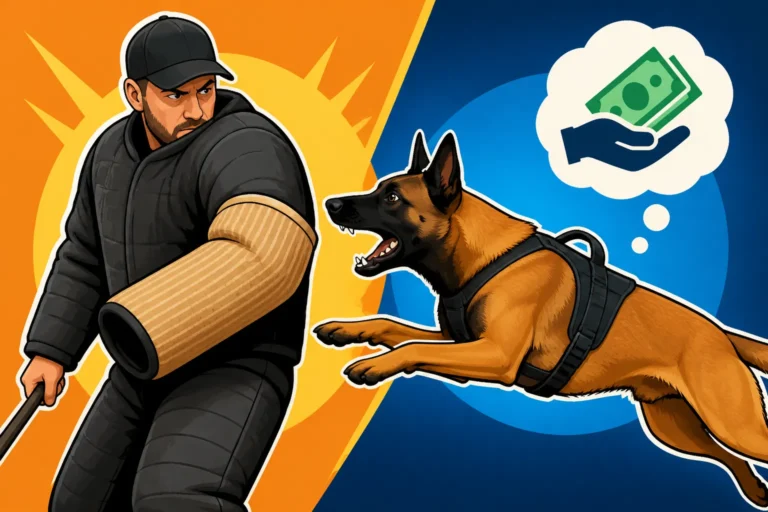
Think about it: in a protection scenario, your Malinois might be facing a decoy in a full bite suit, hearing loud commands, and experiencing intense adrenaline. If your dog can't reliably sit, stay, or recall when a squirrel runs by in the park, how can you expect them to do it when their prey drive is being intentionally triggered? Group obedience classes provide a systematic way to introduce distractions, build focus, and ensure that your dog understands and respects your commands under various environmental pressures. This isn't just about good manners; it's about safety, control, and setting your dog up for success in a demanding sport. Without this baseline, you're not training a protection dog; you're just teaching a highly driven dog to bite, which can be incredibly dangerous and irresponsible.
Distraction Management and Focus Building in a Group Setting
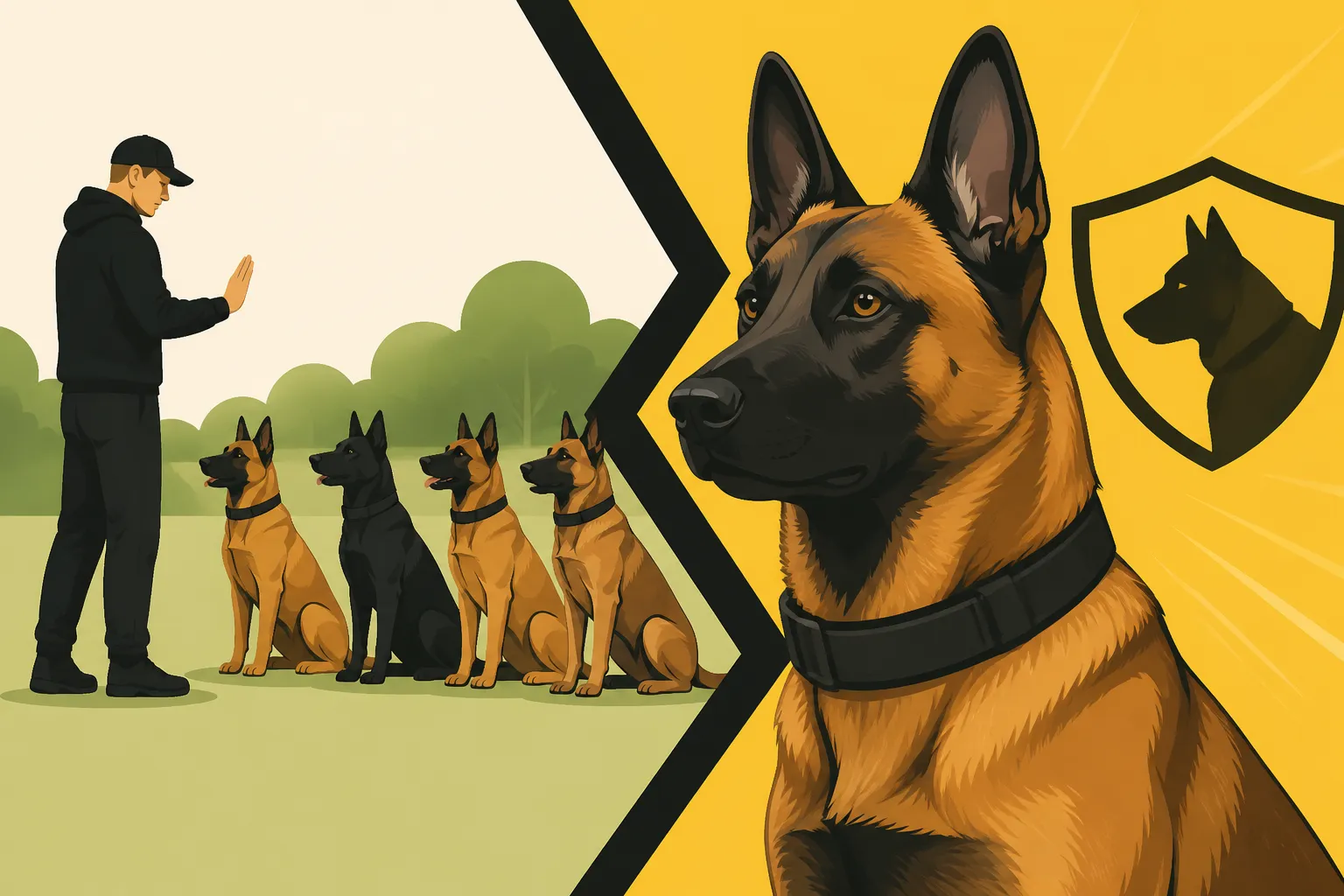
One of the biggest hurdles for any Malinois owner is managing their dog's intense focus and drive. These dogs are always "on," constantly observing, processing, and reacting to their environment. While this makes them exceptional working dogs, it can also make them a handful in a public or high-distraction setting. Group obedience classes are specifically designed to expose dogs to a controlled level of distraction, forcing them to learn to tune out environmental stimuli and focus on their handler. This isn't something you can easily replicate training alone in your backyard.
Imagine trying to get your Malinois to hold a long down-stay while other dogs are barking, people are moving, and maybe even a squeaky toy or two is being used as a reward by another handler. In a group class, these are everyday occurrences. Your dog learns that even with all that going on, your voice and your commands are paramount. This builds incredible mental resilience and focus, which are absolutely critical for protection work. A Malinois that can perform a flawless retrieve of a dropped object in a bustling environment is much more likely to maintain composure and execute commands accurately during the high-pressure moments of a protection routine. This mastery over distractions is not optional; it's fundamental to building a truly reliable working dog, especially one that will be engaging in something as serious as protection. Building Engagement With a Belgian Malinois is a topic you'll quickly become an expert in when navigating these scenarios.
Socialization That Goes Beyond "Meeting Other Dogs"
When people hear "socialization," they often think of dog parks and casual greetings. For a Malinois destined for protection work, socialization in a group obedience class is far more nuanced and purposeful. It's not about letting your dog play with every other dog; it's about teaching them neutrality in the presence of other dogs and people. Your Malinois needs to learn that other dogs exist, but they are not a target for play, aggression, or even excessive curiosity during a training session. They are simply part of the environment.
A good group class will teach your Malinois to work alongside other dogs without reacting to them. This means ignoring barks, lunges, and playful overtures from other canines, and maintaining focus on you. This kind of controlled exposure is invaluable. It helps prevent resource guarding, dog-on-dog aggression, and general reactivity – all traits that would be disastrous in a protection sport where dogs often work in close proximity or wait their turn ringside. You want a dog that can stay calm and attentive, not one that's constantly trying to engage or challenge other dogs. This selective socialization allows your Malinois to develop confidence in various environments while reinforcing that you are the center of their world, regardless of external stimuli. For early development, The Age a Belgian Malinois Puppy Starts Training is key to establishing these habits.
Choosing the Right Group Obedience Class for Your Malinois
Not all group obedience classes are created equal, especially when you have a high-drive breed like a Belgian Malinois with specific goals in mind. You can't just pick the cheapest option at the local pet store and expect it to cut it. You need a program that understands working breeds, emphasizes control and precision, and ideally, has trainers who are familiar with the transition into protection or other dog sports. Look for classes that challenge your dog, not just babysit them.
Trainer Experience with High-Drive Breeds
The single most critical factor in choosing a group obedience class for your Malinois is the trainer's experience. Does the instructor understand the nuances of a high-drive dog? Do they know how to properly motivate a Malinois without simply letting them bounce off the walls? Do they use methods that build control and an "off switch" rather than just encouraging more excitement? An experienced trainer will recognize the difference between a Malinois being "excited" and one being over-threshold and unable to learn. They should be able to offer tailored advice for managing your dog's intense energy and helping them focus in a group setting.
Avoid trainers who seem overwhelmed by your Malinois's intensity or who suggest methods that rely solely on punishment or pure distraction. While corrections and rewards both have their place, a balanced approach that focuses on clear communication, proper timing, and building a strong relationship is essential for a Malinois. A trainer who understands working dog psychology will be able to guide you in Building an Off Switch Into a Belgian Malinois, which is crucial for any sport dog. Don't hesitate to ask about their philosophy, their experience with Malinois or similar breeds, and even observe a class before you commit. The right guidance here can make all the difference, especially in a breed that can be so sensitive to handling.
Class Structure and Curriculum Tailored for Performance
Beyond the trainer, the structure and curriculum of the class itself are vital. A good group obedience class for a Malinois should offer more than just basic sit-stay-come. It should include exercises that build handler engagement, reinforce focus under extreme distraction, and prepare the dog for the precision required in sports. Look for classes that incorporate:
- Proofing: This means practicing commands in increasingly difficult environments, with more distractions, and at greater distances. This builds reliability.
- Duration and Distance: Extending how long your dog can hold a stay and how far away you can be while they maintain position.
- Advanced Heeling: Not just walking nicely on a leash, but precise, attentive heeling both on and off-leash, with changes in pace and direction.
- Recall Under Pressure: Practicing recalls when your dog is highly engaged with a toy, another dog, or a distant scent. This is where you might use those high-value treats from Chewy or special fresh food from Ollie to really make it worth their while.
- "Place" and "Go to Mat" commands: These are invaluable for teaching your Malinois to settle calmly in a designated spot, even amidst chaos.
A class that only focuses on rudimentary commands won't adequately prepare your Malinois for the demands of protection work. You need a program that aims to develop a truly responsive and mentally tough dog. Consider seeking out clubs or trainers specializing in competitive obedience or working dog sports, as their curricula are often more rigorous and aligned with your goals. These foundational elements are essential for Obedience a Malinois Needs Before Protection Work.
| Obedience Command | Purpose in Group Class | Relevance to Protection Work |
|---|---|---|
| Heel | Teaches focused walking beside handler, ignoring distractions. | Crucial for routine movements, approaches, and handler control during exercises. |
| Sit/Down Stay | Builds duration and distance control, teaches calmness. | Essential for waiting at the start, holding positions during scenarios, and control after a bite. |
| Recall | Ensures immediate return to handler, regardless of distraction. | Paramount for calling off a dog from a bite, maintaining safety, and transitioning between exercises. |
| Place/Crate | Teaches independent settling in a designated spot. | Allows handler to set up, ensures dog is calm when not actively working, managing arousal. |
| Out/Drop | Teaches relinquishing a toy or object on command. | Fundamental for releasing the bite sleeve or tug in a controlled manner. |
| Focus/Watch Me | Builds eye contact and attention on handler. | Maintains dog's engagement, anticipates commands, and ensures responsiveness during high-stress situations. |
Integrating Group Obedience into Your Malinois's Training Journey
Group obedience isn't a one-and-done deal; it's an ongoing process, especially for a Belgian Malinois. The skills learned in these classes need to be constantly reinforced and built upon as you progress toward more advanced training, including protection work. It's about building layers of understanding and reliability, ensuring that your Malinois is not just compliant, but enthusiastic and eager to work with you, no matter the challenge.
Reinforcing Commands in Real-World Scenarios
The beauty of group obedience is that it provides a controlled environment to practice, but the real test comes when you take those skills out into the world. After a class, make sure you're regularly practicing commands in various "real-world" scenarios. This means not just in your living room, but at local parks, bustling outdoor markets (if allowed and safe), or even just busy street corners. The goal is to generalize the behavior, so your Malinois understands that "sit" means sit, whether you're at home or a crowded trial field.
Vary your rewards, too. Sometimes use a high-value treat, other times a favorite tug toy, and sometimes just enthusiastic praise. This helps keep your dog engaged and prevents them from becoming reliant on a single type of motivation. Remember, consistency is key, and every successful real-world application of an obedience command strengthens that foundation. This commitment to consistent application also helps prevent common issues seen in The Adolescent Malinois That Tests Everything, where boundaries might otherwise be pushed.
Transitioning to Specialized Protection Training
Once your Malinois has demonstrated consistent, reliable obedience in a variety of group settings and real-world distractions, you can confidently begin the transition into specialized protection training. This doesn't mean abandoning obedience; rather, it means applying those fundamental skills within the context of protection work. Your dog's ability to "out" a bite sleeve on command, or hold a stay while a decoy moves away, directly stems from the foundational obedience you've built.
When you start with a reputable protection club, they will still likely assess your dog's obedience levels. A dog that struggles with basic control will not be ready for the intensity of bite work. The skills you've honed in group obedience—focus, drive management, recall, and impulse control—will be invaluable as you learn the specific techniques of protection sport. A well-behaved, controlled Malinois is a pleasure to train, and it shows respect for the sport, the decoys, and other handlers. Remember, keeping your Malinois sound means regular vet check-ups, and pet insurance from providers like Healthy Paws can be a real lifesaver for unexpected injuries that can occur in active sports or just life in general. For further insights on how much commitment is needed, read The Structure a Belgian Malinois Needs Every Day.
Handling Challenges and Maintaining Consistency
Let's be realistic: training a Belgian Malinois isn't always smooth sailing. There will be days when your dog seems to forget everything, or when their drive simply overwhelms their focus. These moments can be frustrating, even disheartening, but they are a normal part of the process, especially with a breed as intense as the Malinois. The key is to approach these challenges with patience, consistency, and a willingness to adapt your training methods.
Addressing Setbacks and Plateaus
Every dog, and every handler, experiences setbacks. Maybe your Malinois suddenly starts reacting to other dogs in class, or their recall becomes spotty under new distractions. It's important not to get discouraged. Instead, view these as opportunities to identify gaps in your training and reinforce weaker areas. Go back to basics if you need to, reducing distractions and increasing your reward value. It's perfectly normal for a Malinois to hit training plateaus, particularly as they mature through their adolescent phase.
Sometimes, a change of environment or a different type of reward can re-energize your dog. If you're using kibble, maybe try some of the high-quality fresh food options available from Ollie for a few sessions. If a command is breaking down, break it into smaller, easier steps. Remember that consistent, positive reinforcement is far more effective than frustration. Seek advice from your group obedience instructor; they've likely seen it all and can offer valuable insights. The goal is steady progress, not perfection.
The Long-Term Commitment to Obedience
Bringing a Belgian Malinois into your life, let alone into protection work, is a long-term commitment. Obedience training isn't just for the first year or two; it's a lifelong endeavor. Even after your dog has achieved advanced titles or is actively competing in protection, regular maintenance and refresher training are essential. Their environment changes, new distractions emerge, and like any athlete, they can get rusty without practice.
Continue attending occasional group classes, even if it's just a drop-in. This keeps your dog sharp and accustomed to working in novel environments with other dogs present. It also gives you, the handler, an opportunity to learn new techniques or troubleshoot ongoing issues. Moreover, remember that a working Malinois requires a specific diet to maintain its high energy levels; browsing sites like Chewy for performance dog food and supplements can support their overall health and readiness for training. The investment in consistent obedience throughout your Malinois's life will pay dividends in their reliability, your peace of mind, and ultimately, the success you both achieve in any chosen sport. This continuous effort is part of The Checkup Schedule a Sport Malinois Should Keep.
Disclaimer
This article is for general informational purposes only and does not constitute professional advice. Laws, prices and regulations vary by location and change over time. Consult a qualified professional for guidance on your specific situation.