Bringing a Malinois Down After a Hard Session
Anyone who has ever worked a Belgian Malinois knows the challenge: you just had an incredible training session, your dog performed flawlessly, but now they're still wired, bouncing off the walls, and seemingly incapable of relaxing. This guide dives deep into practical strategies to help your high-drive Malinois effectively wind down and decompress after intense physical and mental exertion, fostering a calmer, more balanced dog in your home.
Understanding the Malinois's "On" Switch and the Need for an "Off"
It's no secret that Belgian Malinois are dogs bred for high performance, intense focus, and unwavering drive. These traits make them exceptional working dogs, but they also contribute to a unique challenge when it comes to relaxation. Their default setting often seems to be "on," making the transition from high-octane work to quiet repose a deliberate process that requires understanding and consistent effort from their human partners.
The Malinois Drive Cycle: From Zero to One Hundred
Imagine a powerful engine that can go from a standstill to top speed in mere seconds. That's often what it feels like to live with a Belgian Malinois. Their genetic predisposition for high arousal means that even seemingly minor stimuli can trigger an immediate surge of energy and focus. Whether it's the sight of a decoy, the scent of a hidden article, or the sound of a verbal cue, their system is designed to respond with explosive intensity. This isn't just a mental switch; it's a cascade of physiological changes—adrenaline spikes, heart rate increases, and heightened sensory perception—all designed to prepare them for action.
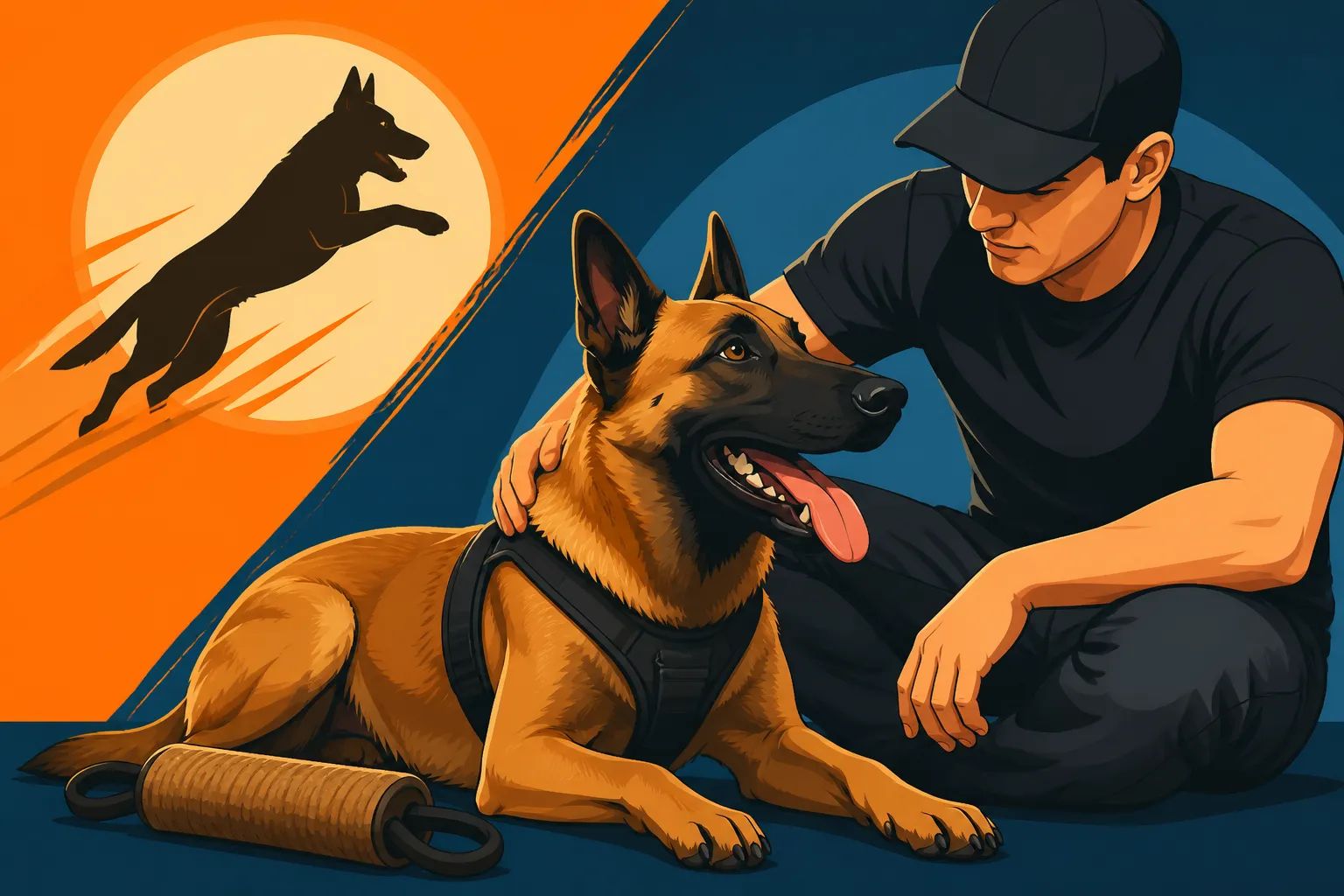
After an hour of intense bite work, for instance, where your Malinois is engaging a sleeve, launching over obstacles, and performing complex obedience under pressure, their entire body and mind are saturated with this high-level arousal. They've been pushed to their physical and mental limits, and their system is still humming. Expecting them to immediately lie down and snooze like a content family pet is simply unrealistic, and frankly, unfair to their biological programming. Their drive cycle, while incredible for work, means their wind-down cycle is equally pronounced.
Why a Quick Cooldown Isn't Natural for Them
For many dog breeds, a good romp in the park followed by a few minutes of sniffing around might be enough to settle them into a calm state. For a Malinois, it's a different story. Their physiological and psychological makeup means that the adrenaline and mental stimulation from a hard session linger far longer. Their minds are still actively processing the high-stakes environment, the commands, the triumphs, and perhaps even minor frustrations of the training. It's like a human athlete after a marathon – their heart rate might come down, but their body still aches, and their mind is replaying every step.
This isn't a sign of disobedience or a lack of affection; it's simply how their highly tuned systems work. They need a structured transition to downregulate. Without it, they can remain agitated, pacing, panting, and struggling to find comfort. This extended state of arousal can lead to frustration for both dog and owner, manifesting as nuisance barking, destructive chewing, or an inability to focus on household cues. It’s crucial to recognize that this need for a dedicated cool-down isn't a flaw but a fundamental aspect of managing such an intelligent and driven breed.
Immediate Post-Session Protocols: Starting the Wind-Down
The moments immediately following an intense session are critical for setting the stage for effective decompression. This isn't about abruptly stopping all activity, but rather about a gradual, intentional shift from high arousal to a calmer state. Think of it as transitioning gears in a car, slowly downshifting rather than slamming on the brakes.
Active Cool-Down: The Physical Transition
Once the heavy work is done, resist the urge to immediately kennel your Malinois or let them crash on the couch. Instead, initiate a period of active cool-down. This typically involves a gentle, structured leash walk lasting anywhere from 10 to 20 minutes, depending on the intensity of the preceding activity. The pace should be slow, allowing your dog to sniff, empty their bladder, and physically decompress without any pressure for performance. This isn't "more exercise"; it's a physiological process that helps their muscles flush out lactic acid, brings their heart rate down gradually, and allows their breathing to normalize.
During this walk, maintain calm, neutral energy yourself. Avoid engaging in exciting games or high-pitched praise. Use a long line if you have space in a safe, enclosed area to allow for more freedom of movement, but always keep control. This structured movement helps their body understand that the "work" phase is over, but the "settle" phase hasn't fully begun yet. It's a bridge. Stopping abruptly after high-intensity exercise can be detrimental to their muscular and cardiovascular system, so this gentle walking period is as much about physical well-being as it is about mental wind-down. For further insights into balancing mental and physical exertion, check out The Mental Work That Finally Tires a Malinois Out.
Hydration and Initial Assessment
Immediately after a hard session and the initial cool-down walk, offering fresh water is paramount. Malinois, especially those in high drive, can sometimes forget to drink adequately during training, or they might gulp too much at once, which isn't ideal. Offer smaller amounts of water frequently. A good strategy is to have a dedicated water bowl in their cool-down area or a portable bowl you bring to the training field. You can find excellent portable bowls and hydration solutions on sites like Amazon, making it easy to keep your dog hydrated on the go.
While they're drinking or taking a moment to rest, take this opportunity to perform a quick, head-to-tail assessment. This is your chance to check for any minor injuries, scrapes, or lameness that might have occurred during the session. Pay close attention to their paw pads for abrasions, especially if they were working on rough surfaces. Feel their legs for any swelling or tenderness. Observe their gait and demeanor. Are they still panting excessively, indicating potential overheating, or has their breathing settled? Is there any abnormal discharge from their eyes or nose? Early detection of any issues can prevent them from escalating. Ensuring proper hydration is a key component of recovery, and you can learn more about its importance in Hydrating a Belgian Malinois During Training.
Creating a Calm Environment for Decompression
Once the immediate physical cool-down is complete, the next crucial step is to transition your Malinois into an environment that actively promotes mental relaxation. This is where you, as the handler, become the architect of calm, providing a space where your dog can truly decompress without further stimulation.
The Power of the Crate and Quiet Space
For a Belgian Malinois, a well-conditioned crate is often the most effective tool for structured rest and decompression. It acts as their personal den, a safe haven where they can truly switch off without the constant visual and auditory stimulation of a busy household. Place the crate in a quiet area of your home, away from high-traffic zones like the front door, bustling kitchens, or children's play areas. Covering the crate with a blanket can further enhance this sense of security and reduce visual input, turning it into a sensory-deprived zone. Some handlers even use white noise machines or calm classical music to help mask ambient household sounds, creating an even more tranquil atmosphere.
The goal here isn't punishment; it's providing an invaluable mental break. A Malinois often needs permission and a dedicated space to do nothing. Without it, their default is to remain vigilant, active, and looking for the next task. By creating this quiet, predictable space, you're teaching them that after work, there is a time for calm. This consistency helps build a strong "place" command and an understanding of appropriate resting behaviors, which is a cornerstone of teaching a Malinois to have an off switch. If your Malinois struggles with settling in a crate, consider revisiting the foundational work discussed in Crate Work With a Malinois Puppy That Screams.
Mental Wind-Down Activities (Or Lack Thereof)
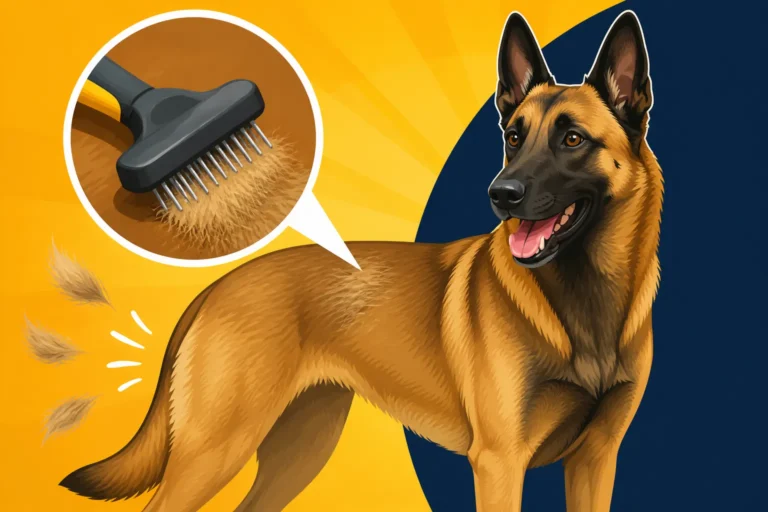
After an intense session, the last thing your Malinois needs is another high-energy game or brain puzzle that demands active problem-solving. While mental stimulation is generally fantastic for the breed, this specific post-work period calls for a different approach. Instead, focus on passive, soothing activities. Gentle grooming, like a slow brush through their coat, can be surprisingly calming and offers a moment for connection without demanding action. A soft massage, focusing on areas like their neck and shoulders, can help relax tense muscles.
Appropriate chew items or stuffed Kongs can also be incredibly effective. The act of chewing is a natural stress reliever for dogs, releasing endorphins that promote relaxation. Choose durable, long-lasting chews that won't be consumed too quickly, providing a sustained, low-intensity mental engagement. You can find a wide variety of suitable, high-quality chew toys and interactive feeders on platforms like Chewy or Amazon, perfect for keeping your Malinois quietly occupied. Avoid squeaky toys or anything that encourages further arousal. The aim is to engage their mouth and mind just enough to redirect their lingering energy into a calm, self-soothing activity. Cultivating this ability to switch off is vital, as explored in Building an Off Switch Into a Belgian Malinois.
Nutritional and Supplemental Support for Recovery
Just as human athletes pay close attention to their post-workout nutrition, so too should you for your working Belgian Malinois. The demands of high-intensity training deplete their energy stores and stress their systems, making proper nutritional support a non-negotiable part of their recovery regimen.
The Importance of Post-Work Nutrition
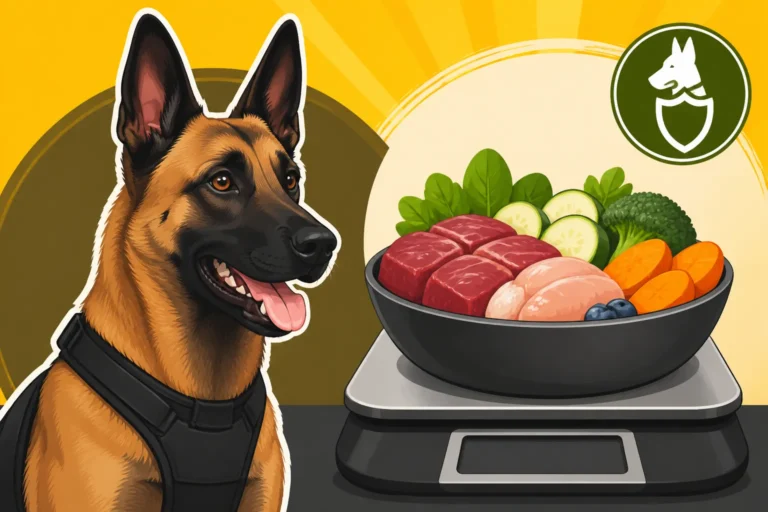
After a hard session, your Malinois's body needs to repair muscle tissue, replenish glycogen stores, and rebalance electrolytes. The timing and content of their post-work meal are crucial. Many handlers find that feeding a high-quality performance formula kibble or a fresh food diet rich in easily digestible proteins and carbohydrates helps immensely. If you're considering fresh food options, companies like Ollie offer human-grade, pre-portioned meals that can provide excellent nutrition for active dogs, supporting their recovery needs effectively. It's often best to wait about 30-60 minutes after the peak of activity to offer food, allowing their system to settle down and reducing the risk of digestive upset or, in rare cases, bloat.
The meal should be nutrient-dense, providing the building blocks for recovery. Some owners even divide their Malinois's daily ration, giving a portion after a heavy training session to kickstart recovery. Observe your dog's appetite; some Malinois are too wired to eat immediately, while others are ravenous. Adjust the timing to what works best for your individual dog, always ensuring they receive their full, balanced diet. For a deeper dive into optimizing meal times around their activity, consider reading Feeding a Belgian Malinois Around Training Sessions.
Supplements for Joint and Stress Recovery
Beyond a balanced diet, certain supplements can play a supportive role in your Malinois's recovery. Joint supplements containing ingredients like glucosamine, chondroitin, and MSM are often recommended for working breeds to help maintain cartilage health and reduce inflammation, especially after the repetitive impacts of protection work or agility. These can be particularly beneficial for long-term soundness.
For dogs that struggle with residual anxiety or over-arousal post-session, certain calming supplements might be considered, though always consult with your veterinarian before introducing new supplements. Ingredients like L-theanine or certain herbs are sometimes used. Additionally, a good quality probiotic can support gut health, which is intricately linked to overall well-being and even mood regulation. The stress of training and travel can sometimes impact a dog's digestive system, so a healthy gut biome is important for nutrient absorption and resilience. Proactive joint care is an important aspect of managing a working dog's health, as discussed in Joint Supplements for a Working Belgian Malinois.
Long-Term Strategies for Better Regulation
Bringing a Malinois down after a hard session isn't just about immediate post-work protocols; it's about building a foundation for self-regulation over the long haul. This involves consistent habits, predictable routines, and a deep understanding of your individual dog's limits and triggers.
Consistency and Routine: Predictability is Key
Malinois thrive on routine and predictability. A consistent schedule for training, feeding, play, and rest helps them understand the flow of their day and anticipate transitions. When a wind-down routine is consistently applied after every working session, it becomes a powerful cue for your dog to shift gears. They learn that once the bite work is done, the gear is put away, the water is offered, and the leash walk begins, it's time to prepare for quiet crate time. This predictability reduces anxiety and helps them internally prepare for relaxation.
Imagine the difference between a chaotic, unpredictable schedule and one where your Malinois knows exactly what to expect. In a predictable environment, their nervous system isn't constantly on high alert, trying to figure out what's next. This foundational structure contributes significantly to their overall mental well-being and their ability to calm down when asked. Building these habits from a young age is invaluable, shaping a dog that can push hard when needed, but also settle calmly when the job is over. The importance of routine for this breed cannot be overstated; more on this can be found in The Structure a Belgian Malinois Needs Every Day.
Recognizing Over-Threshold Signs Early
One of the most critical skills for a Malinois handler is the ability to read their dog's body language and recognize the subtle signs that they are approaching or crossing their arousal threshold. This means learning to differentiate between focused drive and over-stimulated frenetic energy. Early signs might include increased panting, repetitive behaviors, difficulty responding to known cues, or an inability to break focus. If you can catch these signs before your Malinois becomes fully over-aroused, you have a much better chance of intervening and guiding them back to a calmer state.
Intervention might involve shortening the session, changing the environment, or initiating a cool-down earlier than planned. It's about being proactive, not reactive. For example, if you notice your dog starting to bark excessively or spin in circles during a training break, it might be a cue that they need a structured rest rather than more engagement. Knowing when to stop a session, even if it feels incomplete, is a mark of a responsible handler. Pushing a dog past their mental or emotional limits can actually be counterproductive, leading to frustration and an even harder time winding down. Mastering this skill is invaluable; learn more about it in Spotting the Moment a Malinois Goes Over Threshold.
Troubleshooting and Advanced De-escalation Techniques
Even with the best intentions and consistent routines, there will be times when your Malinois still struggles to decompress. It's important to have additional strategies in your toolkit and know when to seek professional or veterinary assistance.
When the Wind-Down Fails: Dealing with Continued Arousal
Despite your best efforts, sometimes a Malinois just can't seem to turn off. They might pace endlessly, whine, bark, or chew inappropriately, even in their designated quiet space. When the usual wind-down protocols aren't working, it's time to re-evaluate. First, review your environment: Is there something external stimulating them, like a distant noise or a ray of sunlight? Is their crate truly a calm oasis, or has it become associated with frustration? Ensure all basic needs are met: water, a potty break, and a comfortable temperature.
If the arousal persists, consider a slightly longer, calmer leash walk in a novel, low-stimulus environment, like a quiet park or an empty field. Sometimes a change of scenery can help reset their focus. Gentle TTouch or massage can also be attempted again. If your Malinois is one who tends to vocalize excessively when unsettled, you might find strategies in A Malinois That Screams Rather Than Settles helpful. If persistent inability to settle becomes a regular occurrence, or if it escalates to destructive or self-injurious behaviors, it's a clear signal that you might need to consult with a professional dog trainer specializing in high-drive breeds or a veterinary behaviorist. They can help identify underlying causes and develop a more tailored management plan.
Medical Considerations: Rule Outs for Hyperactivity
While most post-session hyperactivity in a Malinois is behavioral and easily understood within the context of their breed, it's always wise to rule out any underlying medical conditions, especially if the behavior is new, sudden, or particularly extreme. Certain health issues can manifest as restlessness, agitation, or an inability to settle. Conditions affecting the thyroid, for example, can impact energy levels and behavior. Pain from an undiagnosed injury, even a subtle one, can also make a dog anxious and unable to relax comfortably.
If you notice a significant change in your Malinois's ability to settle, or if their post-session behavior is accompanied by other symptoms like changes in appetite, increased thirst, or unusual lameness, a trip to the veterinarian is in order. They can perform a thorough physical examination and recommend diagnostic tests to ensure there's no medical explanation for the behavior. Discussing any behavioral concerns with your vet before any procedures requiring sedation, like routine dentals, is also crucial, as their heightened state of arousal can sometimes influence how they handle anesthesia. You can read more about important veterinary considerations in Why Anesthesia Needs Discussing Before a Malinois Goes Under.
Comparing Wind-Down Strategies
Implementing a blend of immediate and long-term strategies is essential for effectively bringing a Malinois down after a hard session. Here's a quick comparison:
| Strategy Type | Immediate Post-Session Focus | Long-Term Goal |
|---|---|---|
| Physical | Controlled leash walk, light stretch | Building structured relaxation habits |
| Environmental | Quiet crate, low stimulation | Consistent calm space, predictable routine |
| Mental | Avoid new stimulation, gentle touch | Cultivating an "off switch" over time |
| Nutritional | Hydration, appropriate recovery meal | Optimized diet, targeted supplements |
| Behavioral | Observation, preemptive de-escalation | Understanding arousal triggers, early intervention |
Disclaimer
This article is for general informational purposes only and does not constitute professional advice. Laws, prices and regulations vary by location and change over time. Consult a qualified professional for guidance on your specific situation.