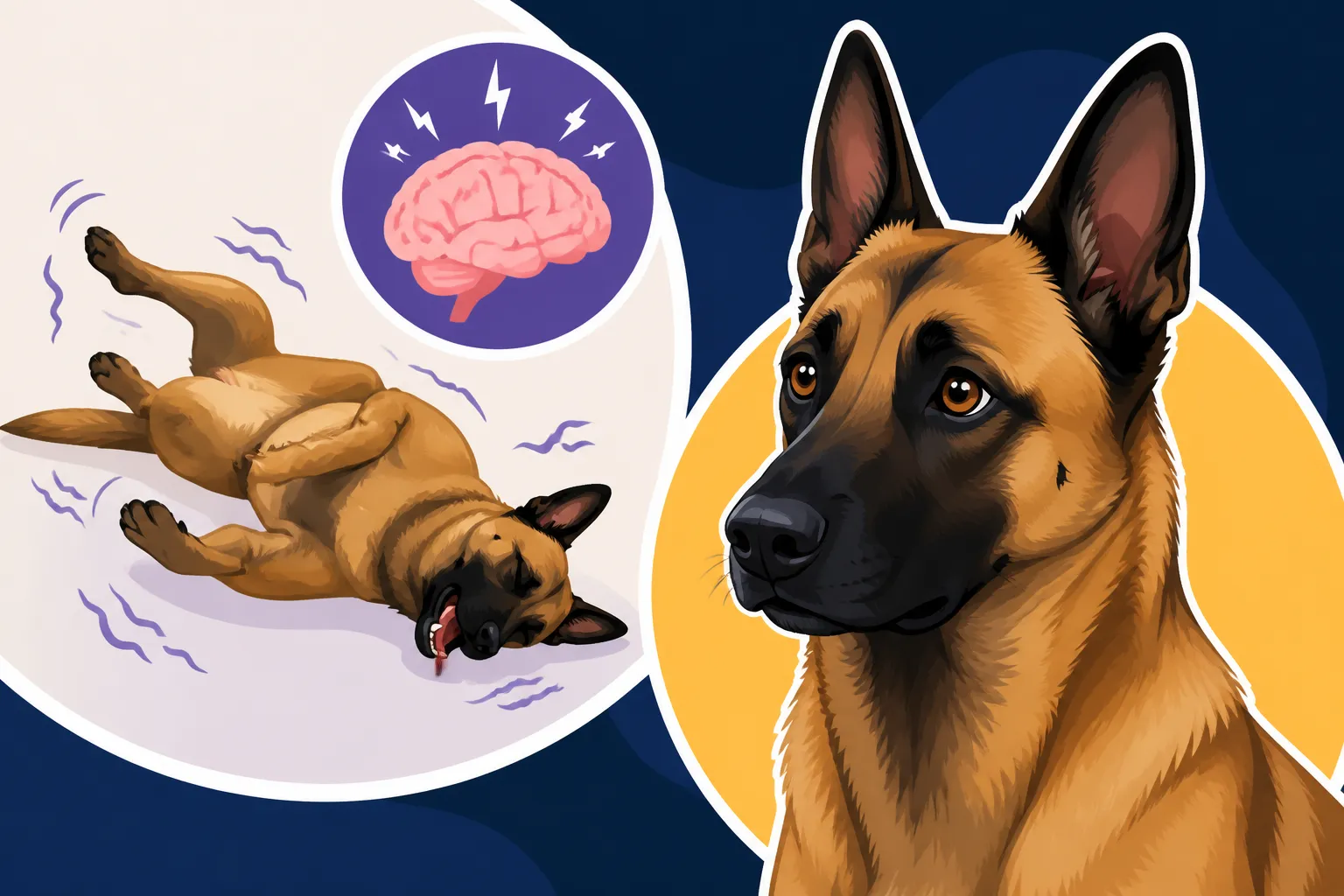
When Epilepsy First Appears in a Malinois
The moment you see your Belgian Malinois seize for the first time, your world can feel like it stops. It’s a terrifying, disorienting experience that leaves you feeling helpless and heartbroken, wondering what just happened and, more importantly, why. This guide is here to help you navigate the confusing and often frightening journey of understanding when epilepsy typically appears in a Malinois, what those first signs look like, and the crucial steps you need to take to support your dog.
Understanding Canine Epilepsy in Belgian Malinois
Epilepsy in dogs, much like in humans, is a chronic neurological disorder characterized by recurrent, unprovoked seizures. It's not a single disease but rather a collection of conditions that manifest through this common symptom. For Belgian Malinois owners, understanding epilepsy is particularly important because this breed, unfortunately, has a known predisposition to the condition, making it a health concern that many Malinois families eventually face.
What Exactly Is a Seizure?
At its core, a seizure is a temporary disruption of normal brain activity, often caused by abnormal electrical discharges in the brain. Think of it like a brief, uncontrolled electrical storm. This storm can result in a wide range of symptoms, from subtle changes in awareness or muscle twitching to full-blown convulsive episodes where the dog loses consciousness, collapses, and experiences rhythmic jerking of the limbs. The type of seizure depends on which part of the brain is affected and how widespread the electrical disturbance becomes. It’s crucial to remember that a single seizure doesn't automatically mean your dog has epilepsy; sometimes, seizures can be triggered by other underlying issues like toxin exposure or metabolic imbalances. However, repeated, unprovoked seizures are the hallmark of an epileptic diagnosis.
Idiopathic Versus Structural Epilepsy
When we talk about epilepsy in Belgian Malinois, we generally categorize it into two main types: idiopathic epilepsy and structural epilepsy. Idiopathic epilepsy is often referred to as "primary" or "genetic" epilepsy. This is the most common form seen in breeds like the Malinois, where there's no identifiable underlying brain lesion or cause, and a genetic component is strongly suspected. Essentially, the brain looks normal, but it functions abnormally. Diagnosing idiopathic epilepsy involves ruling out other potential causes, making it a diagnosis of exclusion.
On the other hand, structural epilepsy, sometimes called "symptomatic" epilepsy, means there's an identifiable structural abnormality in the brain that’s causing the seizures. This could be anything from a brain tumor, a stroke, a traumatic brain injury, inflammation, or even a congenital malformation. In these cases, the seizures are a symptom of another primary neurological problem. Differentiating between these two types requires diagnostic imaging like an MRI or CT scan, along with other neurological tests, which can be a significant undertaking for any owner. This is where The Seizure Disorder Running in Malinois Lines becomes an important topic for discussion with your vet.
Typical Age of Onset for Malinois Epilepsy
One of the most heart-wrenching aspects of epilepsy is that it often strikes seemingly healthy dogs during what should be their prime. For Belgian Malinois, there are certain age windows where the onset of seizures is most commonly observed, providing some insight into what owners might expect if their dog is predisposed.
Juvenile Onset Seizures in Young Malinois
While less common than adult onset, some Malinois can experience their first seizures as puppies or very young adults. Generally, juvenile onset epilepsy refers to seizures that begin between six months and two years of age. For a breed as active and high-drive as the Malinois, seeing a young, energetic puppy suddenly experience a seizure can be incredibly shocking and distressing. It’s a time when you expect boundless energy and quick learning, not a frightening neurological event.
If your Malinois puppy begins seizing in this age range, it's critical to seek veterinary attention immediately. While idiopathic epilepsy can manifest this early, the younger the onset, the more imperative it is to rule out other congenital conditions or metabolic issues that could be at play. The prognosis can vary greatly depending on the underlying cause and the severity of the seizures. Early intervention and diagnosis are key, as you’ll want to discuss Whether an Ataxic Malinois Puppy Can Improve or if another condition is mimicking seizure-like activity.
The Peak Onset Period for Adult Malinois
The most common age range for the first seizure in a Belgian Malinois with idiopathic epilepsy is typically between one and five years old. This is often the prime of their life – they've settled into their adult routine, their training is solid, and they're performing at their peak, whether in sport, work, or as a beloved family companion. It’s precisely this timing that makes the onset so jarring. Owners might report their dog having been completely normal one day, and then suddenly, without warning, experiencing a seizure.
This peak onset period aligns with what is observed in many other breeds prone to idiopathic epilepsy. It suggests a genetic predisposition that, for many dogs, simply takes a few years to manifest. While a dog can certainly have its first seizure outside this window – older dogs can develop epilepsy, and younger dogs can too – this 1-5 year age range is a significant one to be aware of for Malinois owners. Any dog that begins seizing in this period warrants a thorough diagnostic workup to differentiate idiopathic epilepsy from other potential causes.
Recognizing the First Signs of a Seizure
The first time you witness your Malinois having a seizure, it can be incredibly confusing. You might not even realize what it is right away. However, learning to recognize the different phases of a seizure can help you stay calm, respond effectively, and provide valuable information to your veterinarian. Seizures aren't just the main event; they often have a beginning, middle, and end, each with its own set of signs.
The Pre-Ictal Phase: Subtle Warning Signs
Before the actual seizure event (the ictal phase), many dogs, including Malinois, will exhibit subtle changes in behavior that signal an impending episode. This is known as the pre-ictal phase or "aura." It can last anywhere from a few minutes to several hours, though for some dogs, it's so fleeting you might miss it entirely. Recognizing these subtle cues can be challenging, but with time, some owners learn their dog's personal "tells."
Common signs during the pre-ictal phase might include your Malinois appearing anxious, restless, or unusually clingy. They might seek out their owner, pace nervously, whine, or hide. Some dogs might salivate excessively, stare blankly into space, or seem disoriented. They might lick their lips repeatedly or seem unusually quiet and withdrawn, which is a stark contrast to their typical high-energy selves. While these signs aren't always present, if you observe them and they are followed by a seizure, it's vital to note them down for your vet. This information helps paint a clearer picture of your dog's seizure pattern.
The Ictal Phase: The Seizure Event Itself
This is the most visible and often terrifying part of the seizure. The ictal phase can manifest in different ways, from generalized (grand mal) seizures to focal (partial) seizures. A generalized seizure, which is most commonly thought of when people say "seizure," involves the entire brain and typically presents with dramatic symptoms. Your Malinois might collapse onto its side, become stiff, and then paddle or jerk its limbs rhythmically. Their jaw might clamp shut or make chewing motions, they might salivate heavily, and they often lose bowel or bladder control. Their eyes might be wide, staring, or rapidly moving. This phase usually lasts from a few seconds to a few minutes.
Focal seizures, on the other hand, only affect a part of the brain and can be much more subtle. Your Malinois might exhibit twitching in one specific area, like a facial muscle or a limb. They might snap at invisible flies, lick the air, or suddenly growl. Sometimes, a focal seizure can "generalize" and spread to become a grand mal seizure. What's crucial to remember during this phase is to keep your distance but observe closely. Do not put your hands near your dog's mouth, as they can inadvertently bite you. Instead, focus on keeping them safe, removing any hazards, and timing the duration of the seizure. This detailed observation is critical for your veterinarian to determine the best course of action.
The Post-Ictal Phase: Recovery and Disorientation
Once the actual seizure activity stops, your Malinois will enter the post-ictal phase, which is essentially the recovery period. This phase can be just as unsettling as the ictal phase, and it can last from a few minutes to several hours, or even days in severe cases. During this time, your dog's brain is recovering from the intense electrical activity.
You might observe your Malinois appearing disoriented, confused, and uncoordinated. They might walk in circles, bump into objects, or struggle to recognize you. Excessive thirst and hunger are common, as is extreme fatigue. They might also pace, whine, or seem temporarily blind. It's not uncommon for a Malinois to be very vocal, pant heavily, or even act aggressively due to confusion during this period. It’s important to give them space, keep them calm, and ensure they don't injure themselves. This phase can be deeply distressing for owners, as your usually sharp and alert Malinois is temporarily a shadow of themselves. Documenting the duration and specific symptoms of this recovery period is just as important as documenting the seizure itself. You’ll also want to know Handling a Seizing Malinois Safely to protect both of you.
Factors Influencing Seizure Onset and Frequency
The onset and frequency of seizures in a Malinois aren't always straightforward. While genetics play a huge role, other factors can influence when and how often these terrifying events occur. Understanding these influences can help owners better manage their dog's condition and potentially reduce triggers.
The Role of Genetics and Breeding Lines
As mentioned, Belgian Malinois are genetically predisposed to idiopathic epilepsy. This means that certain genes or combinations of genes increase a dog's risk of developing the condition. It's not always a simple dominant or recessive gene; often, it's polygenic, involving multiple genes working together. This is why you might see epilepsy pop up in certain family lines more frequently than others. Reputable breeders work diligently to understand the health history of their breeding stock, including any incidence of epilepsy in previous generations.
However, even with the best intentions and careful breeding practices, epilepsy can still emerge. This is one of the frustrations of genetic diseases – sometimes, the genes can skip generations or manifest unexpectedly. It emphasizes the importance of transparency from breeders regarding health testing and family history. If you are considering breeding your Malinois, knowing Whether an Epileptic Malinois Should Be Bred is a critical discussion to have with your veterinarian and mentor.
Environmental Triggers and Stress
While the underlying cause of idiopathic epilepsy is genetic, environmental factors can act as "triggers" that initiate a seizure or increase its frequency in a predisposed individual. For a high-strung, sensitive breed like the Malinois, stress is a significant consideration. Changes in routine, unfamiliar environments, loud noises, travel, or even separation anxiety can elevate stress levels and potentially lower the seizure threshold.
Other environmental triggers might include certain medications, vaccinations, diet changes, extreme temperatures, or even specific scents, though these are less commonly identified. Some owners report cluster seizures (multiple seizures within a short period) during periods of high excitement or intense physical exertion. While it's impossible to eliminate all potential triggers, managing stress through consistent routines, positive reinforcement, and a calm home environment can be beneficial. Identifying What Triggers a Belgian Malinois Seizure for your individual dog is a process of careful observation and record-keeping.
Hormonal Fluctuations and Medication Interactions
Hormonal changes, particularly in intact females during their heat cycles or pseudopregnancy, have been anecdotally linked to increased seizure activity in some dogs. While not definitively proven across all cases, it's a consideration for owners of intact female Malinois. Discussing spaying with your veterinarian might be an option if hormonal fluctuations appear to be a consistent trigger, though this decision should be made carefully and in consultation with your vet.
Furthermore, interactions with certain medications can influence seizure thresholds. While some drugs are prescribed to prevent seizures, others, especially those affecting the central nervous system, might inadvertently lower the threshold. It's crucial to always inform your veterinarian about all medications, supplements, and even flea/tick preventatives your Malinois is taking, even over-the-counter ones, to avoid potential adverse interactions. Always ensure your vet has a complete medical history, especially before any procedure requiring sedation, where Anesthesia Protocols for a Lean Belgian Malinois are vital.
Initial Steps After Your Malinois's First Seizure
Witnessing your Malinois’s first seizure is terrifying, and it's natural to feel overwhelmed. However, your calm and swift actions can make a big difference in ensuring their safety and getting them the help they need. This isn't just about reacting in the moment, but also about gathering the crucial information your vet will need.
Immediate Actions During and After the Seizure
During the seizure itself, your primary goal is to keep your Malinois safe from injury. If they are in a dangerous location (e.g., near stairs, sharp furniture, or water), gently try to move them to a safer, open area. Remove any objects they might hit their head on. Do not try to hold their tongue, put anything in their mouth, or restrain them. They are unconscious and could accidentally bite you severely. The best thing you can do is stay calm, speak softly to them, and let the seizure run its course.
Crucially, you need to time the seizure. Note down exactly when it started and when it ended. A seizure lasting more than five minutes, or multiple seizures without full recovery in between (cluster seizures or status epilepticus), is a medical emergency and requires immediate veterinary attention. Once the seizure activity stops and your Malinois enters the post-ictal phase, continue to monitor them. Keep them warm if they're shivering, offer small sips of water if they seem thirsty and able to swallow safely, and allow them to recover quietly in a dimly lit, calm space.
Documenting the Event for Your Veterinarian
As soon as your Malinois is stable, or even during the seizure if you can safely do so (many people use their phones to video for a brief moment), start documenting everything. Your veterinarian will need as much detail as possible to make an accurate diagnosis and treatment plan. Create a log that includes:
- Date and Time: Exactly when the seizure started and ended.
- Duration: How long the ictal phase lasted (e.g., 2 minutes, 45 seconds).
- Description of Symptoms: What did your Malinois do? Did they fall over? Paddle? Drool? Lose bladder/bowel control? Did it start in one limb and spread?
- Pre-Ictal Signs: Did you notice any unusual behavior before the seizure?
- Post-Ictal Signs: How did your dog act immediately after? How long did the recovery take?
- Potential Triggers: Was anything unusual happening before the seizure (stress, new food, medication, loud noise)?
The more specific you can be, the better. Even if you think it's a minor detail, write it down. This comprehensive record will be invaluable. You might also find it useful to log information that will help manage the condition long-term, especially if Managing an Epileptic Belgian Malinois on Medication becomes part of their routine.
| Seizure Phase | Typical Malinois Behavior | Owner Actions | Important Notes |
|---|---|---|---|
| Pre-Ictal | Anxious, restless, clingy, pacing, staring, drooling | Observe, note any unusual changes, prepare for seizure. | Can be subtle or absent. May last minutes to hours. |
| Ictal | Collapse, rigid, paddling, jaw chomping, vocalizing, loss of control | Time the seizure, keep safe (clear objects), stay calm. | Do NOT restrain or put hands near mouth. Time is critical. |
| Post-Ictal | Disoriented, confused, clumsy, restless, thirsty, tired, temporary blindness | Provide quiet space, comfort, offer water, monitor. | Give space, prevent injury. May last hours or days. |
Consulting Your Veterinarian and Diagnostic Steps
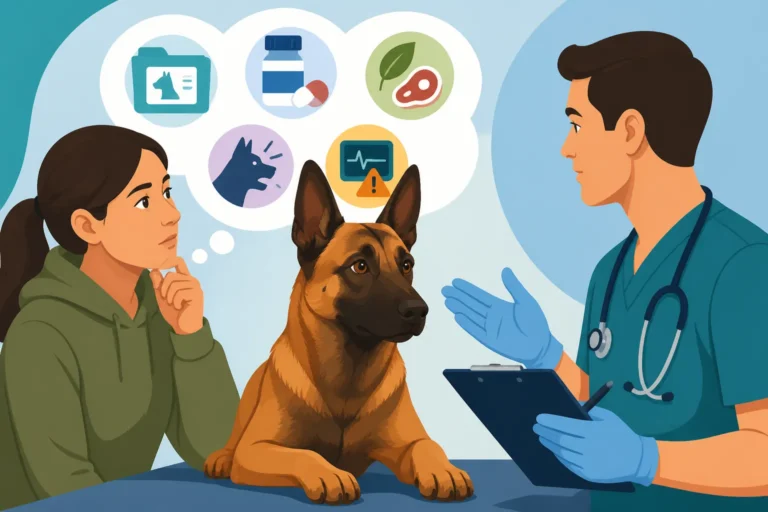
Once you have documented the first seizure, the next critical step is to contact your veterinarian. Even if the seizure was short and your Malinois seems to have recovered, a veterinary examination is essential. Your vet will perform a thorough physical and neurological exam. Be prepared to share all your detailed observations from your seizure log.
Your vet will likely recommend a series of diagnostic tests to rule out other causes of seizures, especially since this is the first episode. These might include:
- Bloodwork: Comprehensive blood panels to check for metabolic issues (e.g., liver or kidney disease, electrolyte imbalances, low blood sugar) or toxins. Your vet will likely want to run Pre-Anesthetic Bloodwork on a Belgian Malinois if further diagnostic steps are taken.
- Urinalysis: To assess kidney function and detect other systemic issues.
- Thyroid Testing: Hypothyroidism can sometimes cause or exacerbate seizures.
- Infectious Disease Screening: Depending on your location and your dog's exposure, tests for certain infectious agents may be recommended.
If all these initial tests come back normal, your vet may suggest further, more advanced diagnostics if structural epilepsy is suspected, such as:
- MRI or CT Scan: These imaging techniques allow visualization of the brain to identify tumors, strokes, inflammation, or other structural abnormalities.
- Cerebrospinal Fluid (CSF) Analysis: A sample of fluid surrounding the brain and spinal cord can be analyzed for signs of inflammation or infection.
These advanced diagnostics can be costly, and your vet will discuss the pros and cons of pursuing them. Often, if a Malinois falls within the typical age range for idiopathic epilepsy, and all other tests are normal, a diagnosis of presumptive idiopathic epilepsy may be made without invasive imaging. Understanding What Diagnosing a Malinois's Seizures Costs is important as you move through this process. Pet insurance, like that offered by Healthy Paws, can be incredibly helpful for covering these unexpected veterinary expenses, alleviating some of the financial burden during this stressful time.
Living with an Epileptic Malinois Long-Term
Receiving an epilepsy diagnosis for your Malinois can feel overwhelming, but it's not a death sentence. Many epileptic dogs live full, happy lives with proper management. The journey requires dedication, vigilance, and a strong partnership with your veterinary team.
Medication Management and Regular Monitoring
The cornerstone of managing idiopathic epilepsy in Malinois is usually anti-epileptic drugs (AEDs). The goal of these medications is not necessarily to eliminate all seizures, but to reduce their frequency, severity, and duration, significantly improving your dog's quality of life. The choice of medication and dosage is highly individualized and often requires a period of adjustment. Common AEDs include phenobarbital, potassium bromide, zonisamide, levetiracetam (Keppra), and gabapentin.
Your veterinarian will start with a specific drug and dosage, and then you’ll work together to monitor its effectiveness. This is where your detailed seizure log becomes even more critical. You'll need to report seizure frequency, severity, and any side effects your Malinois experiences. Regular blood tests will be necessary to monitor drug levels (ensuring they are in the therapeutic range) and to check organ function, as some AEDs can affect the liver or kidneys. This commitment to consistent medication and monitoring is essential for stability. Be prepared for Monthly Medication for an Epileptic Belgian Malinois costs and the routine veterinary visits involved. Having pet insurance, such as a plan from Healthy Paws, can provide significant relief for these ongoing costs.
Lifestyle Adjustments and Quality of Life
While medication is vital, lifestyle adjustments can also play a significant role in managing an epileptic Malinois. Maintaining a consistent routine is paramount. Malinois thrive on routine, and for an epileptic dog, predictability helps minimize stress, which can be a seizure trigger. This means consistent feeding times, exercise schedules, and bedtimes.
Diet can also be a consideration. While there's no universally prescribed "epilepsy diet," some vets may suggest diets rich in medium-chain triglycerides (MCTs) or specific omega fatty acids, which have shown some promise in supporting brain health. Avoiding sudden changes in food is generally a good idea. For a working breed like the Malinois, the question of Whether a Seizing Malinois Can Still Work often arises. This will depend on the frequency and severity of seizures, the type of work, and careful consultation with your vet and trainer. For many, adjusting their expectations for high-impact activities and focusing on mental stimulation becomes a new priority. Activities like scent work or puzzle toys can be excellent outlets for their intelligent minds without the physical stress that might trigger seizures.
The Importance of a Support System
Living with an epileptic Malinois can be emotionally taxing. The constant worry about when the next seizure might strike, the guilt, and the fear are real and valid emotions. Building a strong support system is incredibly important. This includes your trusted veterinarian, who can offer medical guidance and reassurance. Beyond that, connecting with other Malinois owners or online communities dedicated to canine epilepsy can provide invaluable emotional support, shared experiences, and practical tips.
Remember that you are not alone in this journey. Organizations like the Canine Epilepsy Network or local breed clubs often have resources and forums where you can connect with others. Knowing that you have a plan, a good veterinary team, and a community of understanding individuals can make a world of difference in your ability to cope and provide the best possible care for your beloved Belgian Malinois. The peace of mind offered by comprehensive pet insurance like Healthy Paws can also be a huge part of that support system, allowing you to focus on your dog's health without constant financial stress.
Disclaimer
The information provided in this guide is for informational purposes only and does not constitute veterinary medical advice. Always consult with a qualified veterinarian for any health concerns or before making any decisions related to your Belgian Malinois's care.