Whether an Old Malinois Should Still Do Bite Work
Deciding whether your seasoned Belgian Malinois should continue their bite work, or any high-impact sport, is one of the toughest calls we face as owners. You've poured years into their training, seen their relentless drive, and witnessed their sheer joy in the work, but age brings inevitable changes. This guide aims to help you navigate this emotionally charged decision, offering a realistic look at how to assess your older Malinois's capabilities and ensure their well-being.
Understanding the Aging Malinois and Bite Work Demands
It's a bittersweet truth that while our Malinois might retain the fiery spirit of youth, their bodies don't always keep up. Bite work, by its very nature, is a physically demanding activity that puts immense strain on a dog's musculoskeletal system. As they age, what was once a routine challenge can become a source of pain or risk.
The Physical Toll of Bite Work
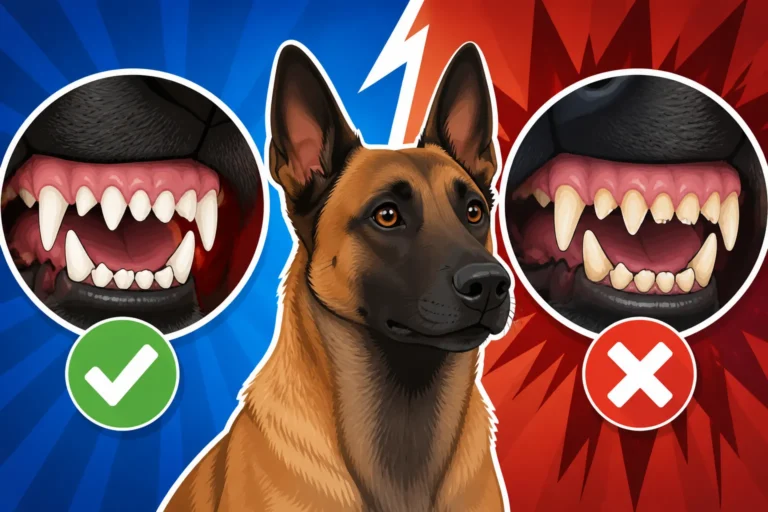
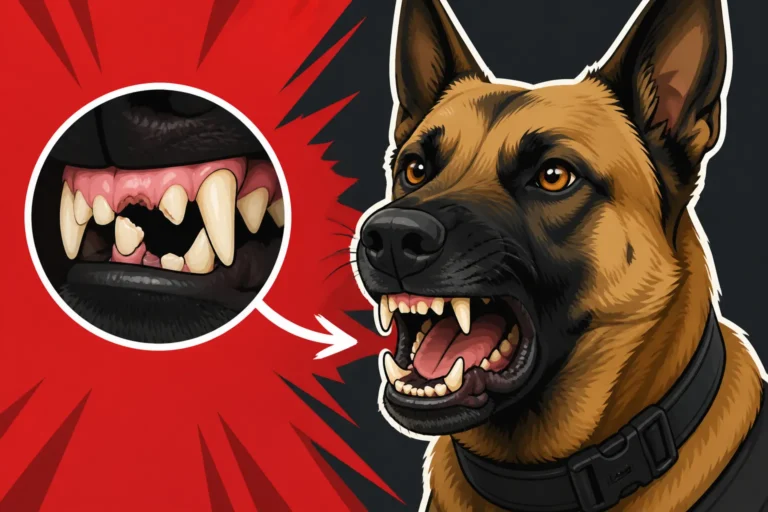
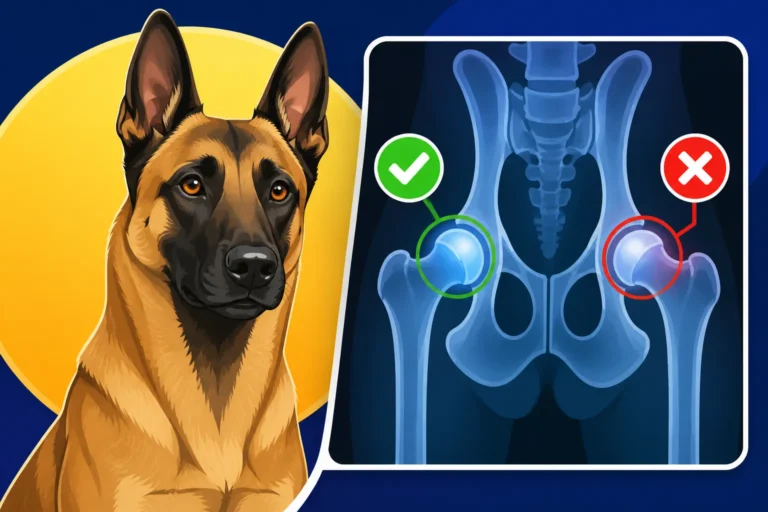
Think about what bite work truly entails: explosive power, sudden acceleration, abrupt stops, jarring impacts, and dynamic twists and turns. A young Malinois thrives on this, their pliable joints, strong muscles, and fast-twitch fibers perfectly adapted. But with time, those joints accumulate wear and tear. Cartilage thins, ligaments might lose some elasticity, and muscles become less resilient. A minor misstep that a young dog shakes off can become a significant injury for an older one. We often see issues with hips and elbows, which are already areas of concern for many larger breeds, exacerbated by the constant high-impact activities. Spinal health can also become a factor, as the repeated concussive forces of taking a hard bite can put pressure on discs. Injuries to the shoulders, a common spot for a working dog, also become more prevalent and take longer to heal. Even the teeth themselves, vital for a solid grip, can suffer from wear or become more prone to breakage, which might require costly repairs like titanium crowns or extractions, even if your dog has had The Cost of Repairing a Malinois's Broken Canine. The key here is recognizing that even if your Malinois’s heart says yes, their body might be screaming no.
Mental Engagement Versus Physical Strain
One of the most profound challenges with an aging Malinois is the disconnect between their indomitable spirit and their declining physical capabilities. These are dogs bred for work, for drive, for an intensity that doesn't simply vanish with a few gray hairs around the muzzle. An older Malinois wants to work. They still light up at the sight of a bite sleeve, their eyes gleaming with the same focus they had as a two-year-old. This unwavering mental engagement makes the decision incredibly difficult because you don't want to deny them their passion. However, it's our responsibility as their guardians to differentiate between their desire to engage and their physical capacity to do so safely. Continuing high-impact bite work purely for their mental satisfaction, if it comes at the cost of physical pain, increased injury risk, or a prolonged recovery period, is not truly in their best interest. The goal isn't to stop them from thinking, but to find avenues for that mental energy that don't jeopardize their precious remaining years of comfort. This is where we, as handlers, need to be smarter and more forward-thinking than our dogs themselves, who would gladly run themselves ragged for the joy of the work.
Recognizing the Signs It's Time to Scale Back or Retire
The signs that your Malinois needs to slow down or cease bite work aren't always glaring. Sometimes they're subtle, requiring a keen eye and deep understanding of your dog's normal behavior and performance. Ignoring these signs can lead to painful injuries and a diminished quality of life.
Obvious Physical Limitations
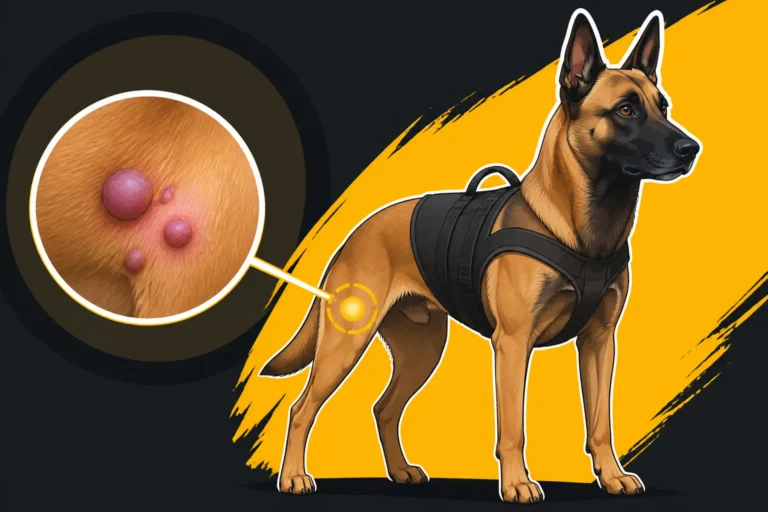
While we all want our Malinois to stay eternally youthful, gravity and time are undefeated. As a working dog ages, you'll start noticing clearer physical indicators during and after training sessions. They might be slower to launch into a bite, lacking the explosive power you're used to seeing. Their jumps might be less fluid, or they might hesitate before committing to an obstacle they once cleared with ease. You might observe a less confident or weaker grip, or they might be less able to sustain that grip for as long. Pay close attention to their recovery: an older Malinois might be stiff or lame the day after a session, taking longer to "warm up" and move freely. They might be reluctant to engage with the decoy again soon, or show discomfort when stretching or getting up from a resting position. These are not signs of a lack of will, but rather a body sending clear signals. Regular veterinary check-ups, including discussions about The Checkup Schedule a Sport Malinois Should Keep, are crucial here. Your vet can help identify early signs of conditions like arthritis, which can be managed with Joint Supplements for a Working Belgian Malinois or anti-inflammatory medications, potentially even extending their ability to do modified work. Don't forget to keep an eye out for any Lumps Worth Aspirating on a Belgian Malinois, as these can also affect comfort and mobility.
Subtle Behavioral Changes
Beyond the overt physical signs, your Malinois might display more subtle behavioral shifts that indicate discomfort or a declining ability to perform bite work. They might still get excited for the car ride to the club, but their enthusiasm could wane once the actual bite work starts. Perhaps they're a little slower to focus, or they break off their engagement with the decoy more readily than before. You might notice them shaking off more often, or showing small signs of stress like lip licking or yawning when asked to perform a high-impact exercise. Their "out" might become less reliable, not out of defiance, but because releasing the bite strains their jaw or neck. Sometimes, they might simply be less enthusiastic about specific parts of the routine, even if they're still eager for a general game of fetch. These are quiet indicators that their joy in the work might be mingled with physical discomfort or an internal struggle to meet the demands. If you notice your Malinois showing Signs a Belgian Malinois Is Slowing Down, even in ways unrelated to bite work, it's a good time to reconsider their training regimen. Your dog trusts you to understand these unspoken cues.
Adapting Training and Finding Alternatives for Older Malinois
Retirement from full-throttle bite work doesn't mean the end of all engagement for your Malinois. It simply means adapting their activities to suit their changing bodies while still nurturing their brilliant minds. There's a world of fulfilling work out there that doesn't involve hard hits or high jumps.
Modifying Bite Work Sessions
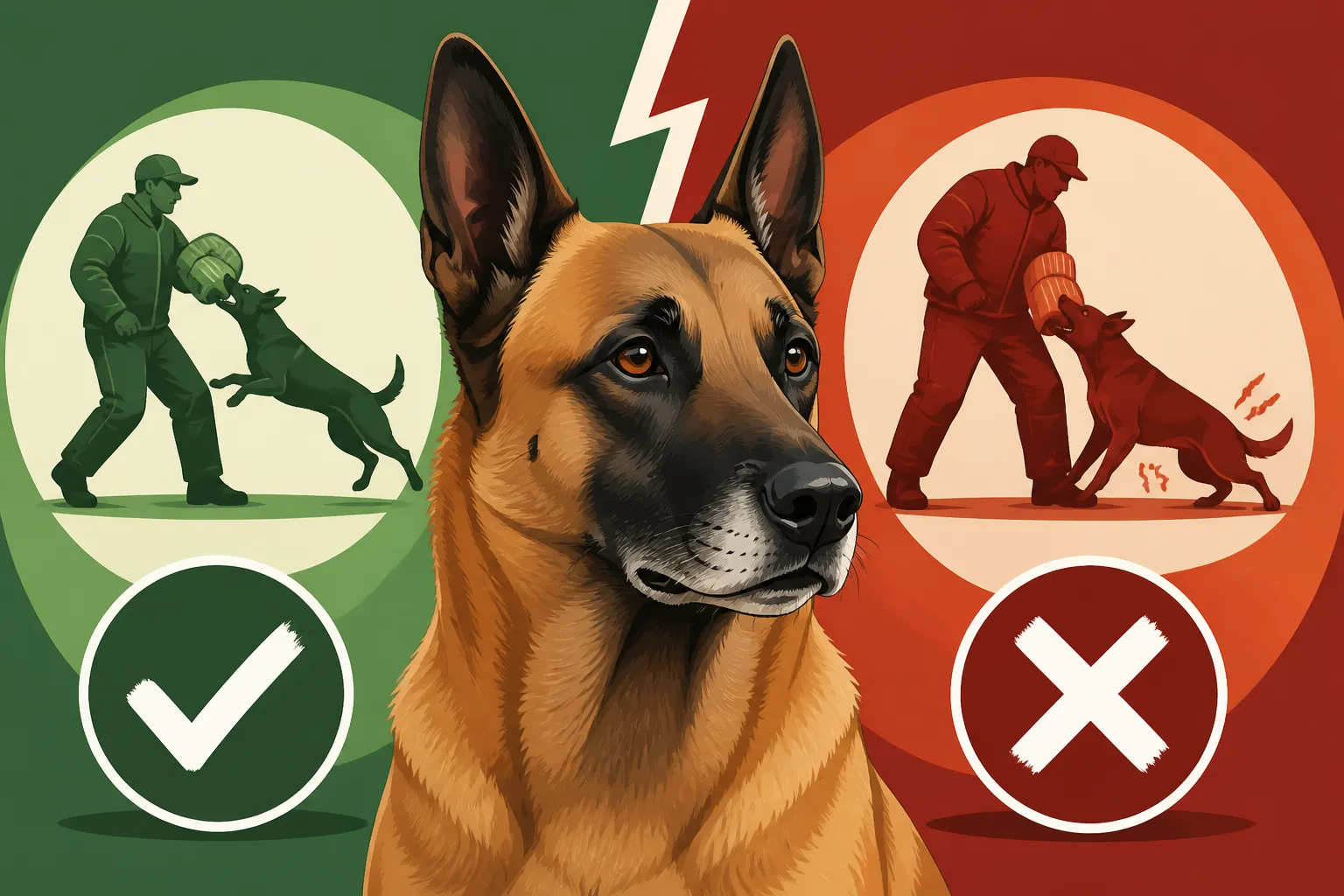
If your older Malinois is still showing a keen interest and your vet gives the green light, you can absolutely modify bite work to be safer and more comfortable. The goal here is precision, control, and mental engagement rather than speed and power. Think about shorter sessions, significantly reduced in intensity and duration. Instead of explosive entries and hard hits on a full sleeve, focus on stationary or slow-moving decoy work, emphasizing the quality of the grip and a solid "out." You might switch to softer equipment, like rags or softer bite pillows, which reduce the impact on their joints and teeth. Ground work, where the dog isn't jumping or twisting, can still provide immense mental stimulation and satisfy their drive without the physical strain. For example, practicing precise targeting or a sustained hold on a stationary piece of equipment can be mentally challenging and rewarding. This adapted approach allows them to continue participating in the activity they love, but in a way that respects their aging body. It's about letting them feel like they're still "in the game" without pushing them past their limits. This thoughtful transition can be a key part of Retiring a Working Belgian Malinois From the Job gracefully.
Embracing New Challenges
Sometimes, a complete shift is necessary, or even welcomed. The beautiful thing about a Malinois is their intelligence and versatility. If high-impact bite work is no longer an option, their drive can be channeled into countless other engaging activities. Scent work, such as nose work or advanced detection, is an incredible outlet for their mental energy. It's low-impact, incredibly fulfilling, and plays right into their natural hunting and searching instincts. Think about Starting Scent Detection With a Belgian Malinois for a wonderful new adventure. Advanced obedience, trick training, or even canine freestyle (dance with your dog!) can provide complex mental challenges and strengthen your bond without stressing joints. Rally obedience or modified agility, with jumps lowered or tunnels replacing A-frames, can still offer a fun way to move. The key is to keep their minds active and challenged. A bored Malinois, regardless of age, is a recipe for trouble. By finding new challenges, you're not just occupying their time; you're actively engaging their sharp minds and allowing them to experience success and purpose in a new way, directly contributing to Keeping an Old Belgian Malinois Mentally Busy.
Prioritizing Comfort and Quality of Life
As our Malinois enter their golden years, our focus naturally shifts even more towards their comfort and overall quality of life. This means proactive healthcare and ensuring their days are filled with purpose and contentment, even if that purpose looks different than it used to.
Veterinary Care and Pain Management
Regular, proactive veterinary care becomes absolutely paramount for an older Malinois. Think of it as a maintenance program for an elite athlete, adapted for retirement. Annual or even bi-annual check-ups, as outlined in The Checkup Schedule a Sport Malinois Should Keep, are essential for catching issues early. These visits should include comprehensive bloodwork, which can reveal conditions like A Malinois Whose Thyroid Has Given Out or other metabolic changes that impact their energy and well-being. Discussing pain management strategies with your vet is crucial. Many older dogs develop arthritis, and there are excellent medications available, from NSAIDs (non-steroidal anti-inflammatory drugs) to newer injectable treatments like Librela, or joint support like Adequan. These can significantly improve their comfort and mobility. Diagnostic imaging, such as X-rays or even an MRI if needed, can pinpoint the source of lameness or discomfort, allowing for targeted treatment. Physical therapy and hydrotherapy can also be wonderfully beneficial, helping maintain muscle mass and joint flexibility. These treatments can be costly, which is why having a robust pet insurance plan like Healthy Paws can be a lifesaver, helping to cover unexpected expenses and ongoing care for chronic conditions.
Maintaining Mental Stimulation Off the Field
Even when bite work is a distant memory, your Malinois's brilliant mind still craves activity. Mental stimulation is just as vital as physical comfort for an older dog's well-being. Puzzle toys, KONGs stuffed with delicious, healthy treats, and interactive feeders can keep them engaged for significant periods. Short, focused training bursts of basic obedience or new tricks throughout the day can prevent boredom and maintain cognitive function. "Sniffaris" – leisurely walks focused purely on scent exploration – are fantastic. Let them sniff every blade of grass, every lamppost; it's mentally exhausting and low-impact. Maintaining a consistent daily routine can also provide comfort and reduce anxiety, especially for an older dog whose senses might be dulling. Social interaction, whether with familiar people or calm, known dogs, remains important. The goal is to ensure their days are rich and meaningful, filled with positive experiences that don't tax their aging bodies. Healthy Paws can also offer peace of mind by covering illnesses or accidents that might impact their ability to enjoy these modified activities, ensuring that you can always provide the best possible care without financial stress. If your old Malinois starts displaying behaviors like An Old Malinois That Paces the House at Night, it might be a sign they need more mental engagement or have underlying discomfort that warrants a vet visit.
Should My Older Malinois Still Do Bite Work? A Summary
| Aspect | Young Malinois (1-6 years) | Older Malinois (7+ years) | Recommendation for Bite Work |
|---|---|---|---|
| Physical Capacity | Explosive power, high resilience, fast recovery. | Decreased power, slower recovery, increased injury risk. | Assess Carefully: High-impact work is generally not advisable. |
| Mental Drive | High, easily channeled into intense physical tasks. | Remains high, but physical body may not match enthusiasm. | Channel Wisely: Focus on mental engagement, less on physical strain. |
| Injury Risk | Lower, quicker to heal. | Higher, slower to heal, potential for chronic issues. | Reduce Impact: Avoid hard hits, jumping, fast turns. |
| Recovery Time | Rapid, often ready for more work next day. | Prolonged stiffness, soreness, reluctance for next session. | Prioritize Comfort: Allow ample rest, monitor closely. |
| Primary Goal | Performance, skill development, physical challenge. | Comfort, mental fulfillment, maintaining mobility. | Adapt or Substitute: Modify sessions significantly or transition to low-impact activities. |
Ultimately, the decision of whether an old Malinois should still do bite work rests on a careful, honest assessment of their individual health, comfort, and attitude. Listen to your dog's body, consult your veterinarian, and remember that their joy and well-being are paramount in their golden years.
Disclaimer
This article is intended for informational purposes only and does not constitute veterinary advice. Always consult with a qualified veterinarian for any health concerns or before making any decisions about your dog's care, diet, or training regimen, especially concerning an aging or working animal.