A Belgian Malinois Around Livestock
The idea of a Belgian Malinois confidently watching over your livestock or accompanying you on ranch chores might sound idyllic, but many owners quickly discover that a Malinois's natural drives around farm animals are far more complex and often problematic than they anticipate. This guide will walk you through understanding those instincts, managing potential challenges, and implementing effective training and management strategies to help your Belgian Malinois coexist safely with livestock.
Understanding the Malinois's Instincts Around Livestock
It's easy to assume that because the Belgian Malinois is a herding breed, they'll naturally know how to interact appropriately with sheep, goats, or even chickens. However, their instincts are deeply ingrained and require careful channeling. They aren't born knowing your farm's rules, and without proper guidance, those powerful drives can lead to serious issues.
Herding Drive Versus Prey Drive
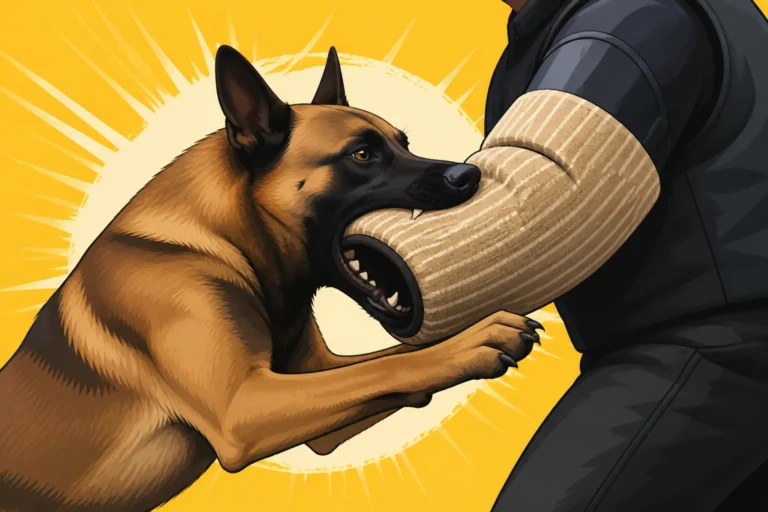
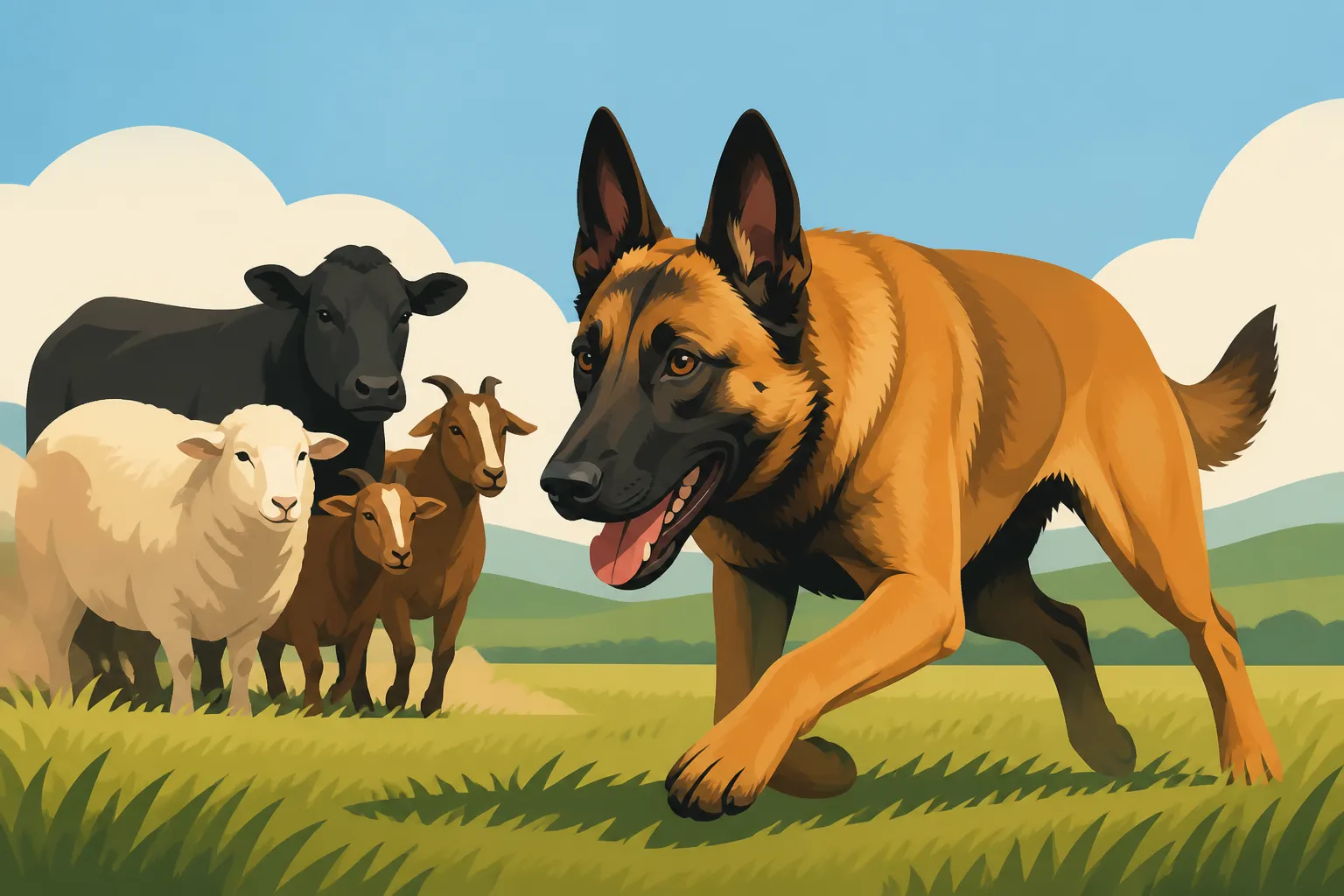
This is the absolute core distinction you need to grasp when considering a Malinois around livestock. While Belgian Malinois were indeed developed for herding, their method often involved intense control, gathering, and sometimes even nipping to move stubborn stock. This is a very different energy from the gentle, watchful presence of traditional livestock guardian breeds.
On one hand, their herding drive can manifest as an intense desire to gather, chase, and control movement. They want to organize things, to put them where they think they belong. This might look helpful with sheep, but it can quickly escalate if not managed. On the other hand, the Malinois also possesses an incredibly strong prey drive – the instinct to chase, capture, and sometimes kill smaller, faster-moving animals. Think of a Malinois seeing a flock of chickens scatter, or a young lamb darting away. The line between "herding" and "hunting" becomes incredibly blurry for many Malinois, and often, prey drive wins out, especially with smaller, more vulnerable animals. It's not maliciousness; it's instinct.
The Role of Genetics and Individual Temperament
Just like people, every Malinois is an individual, but their genetic blueprint plays a huge role. Malinois from strong working lines, especially those bred for protection or sport work, often have incredibly high drive, intense focus, and robust physical capabilities. This drive can make them exceptional in their chosen sport, but it also means their instincts around moving objects – including livestock – can be profoundly strong. Even Malinois from more pet-oriented lines retain these ancestral traits; they just might manifest with slightly less intensity. You can read more about The Herding Instinct Still in a Belgian Malinois to get a deeper understanding of this trait.
It's vital to remember that a young, untrained Malinois will explore these instincts. A puppy that lightly "herds" the family cat might grow into an adolescent that sees a goat as a highly stimulating, fast-moving toy. Understanding that these behaviors are natural, not spiteful, helps you approach training with the right mindset, focusing on redirection and management rather than punishment.
Why an Unemployed Malinois is a Problem for Livestock
A Belgian Malinois is hardwired to have a job. They thrive on purpose, mental engagement, and intense physical exertion. If these needs aren't met, they don't just sit quietly and relax; they find their own "jobs." And often, those self-appointed jobs involve things you don't want, like rearranging your furniture, excavating your yard, or, yes, "working" your livestock without permission or proper training.
An under-stimulated or bored Malinois living on a farm with livestock is a recipe for disaster. The animals represent a constant, enticing source of stimulation. The movement, the sounds, the smells – it's all an open invitation for a dog with high drive and no constructive outlet to engage. This is why addressing What Happens to an Unemployed Belgian Malinois is so critical for their overall well-being and for the safety of any animals on your property. They need a proper outlet for their energy, or they'll invent one.
Challenges and Risks: Why It's Not Always Easy
Bringing a Belgian Malinois into a livestock environment presents a unique set of challenges that responsible owners must acknowledge and prepare for. Ignoring these risks doesn't make them go away; it only sets everyone up for potential heartbreak and significant problems.
Physical Harm to Livestock
The physical capabilities of a Belgian Malinois are formidable. They are fast, strong, agile, and possess a powerful bite. While their herding instincts might initially involve chasing and gathering, this can quickly cross into harmful territory.
Consider the following scenarios:
- Smaller Animals (Chickens, Ducks, Rabbits): These animals are often seen as pure prey by a Malinois. A single chase can lead to immediate injury or death. Even if the dog doesn't intend to kill, the sheer force of a Malinois's body colliding with a chicken can be fatal. The stress of being chased can also cause heart attacks in smaller fowl.
- Medium-Sized Livestock (Sheep, Goats): A Malinois's herding instinct can become too intense. They might nip at legs or flanks, causing painful injuries. A dog repeatedly chasing sheep can lead to miscarriages in pregnant ewes, physical exhaustion, and chronic stress, impacting their health and productivity. Young lambs and kids are particularly vulnerable to serious injury or being run to death.
- Larger Livestock (Cattle, Horses): While less likely to be physically brought down, cattle and horses can be terrorized and chased. This can lead to stampedes, injuries from running into fences, or even cows aborting calves due to extreme stress. A horse might kick a dog that gets too close, resulting in severe injury or death for the Malinois.
The instinct to "control" can turn predatory in a flash, especially if the livestock attempts to flee. It's a fundamental misunderstanding to believe a Malinois will naturally know how to be gentle with animals they are instinctively driven to pursue.
Risk to the Dog Itself
It's not just the livestock that faces danger. Farm animals, especially larger ones, are not defenseless. A defensive kick from a horse or a headbutt from a cow or goat can inflict severe, life-threatening injuries on a Malinois. A dog that continually harasses a herd might eventually find itself on the wrong end of a powerful blow.
Beyond physical confrontations, there are other risks:
- Injury from Fencing/Terrain: Chasing livestock, a Malinois might ignore its surroundings and run into fences, fall into ditches, or injure itself on rough terrain. Pad Injuries on a Belgian Malinois in Training and Torn Nails on a Malinois Working Hard Surfaces are common for dogs that disregard safety for speed.
- Illness: Livestock areas can contain parasites, bacteria, and other hazards that could make your dog sick. Consuming contaminated feed, feces, or even smaller prey animals can lead to gastrointestinal issues or more serious infections.
- Getting Lost or Trapped: A highly focused Malinois might chase an animal far from your property, getting lost, hit by a vehicle, or entangled in unfamiliar fencing.
Legal and Financial Implications of a Livestock Incident
Perhaps one of the most devastating outcomes of a Malinois interacting poorly with livestock is the legal and financial burden it can place on an owner. If your dog injures or kills someone else's animals, you could be held liable for significant damages. This isn't just about the cost of the animal itself; it can include lost future production, veterinary bills, and even emotional distress for the owner.
Even on your own property, a dog injuring your own livestock is a painful financial hit and a massive emotional blow. Many homeowner's insurance policies have clauses regarding certain breeds or dog-related incidents, and some might not cover damage caused by a dog to livestock. It's critical to review your Liability Insurance for a Belgian Malinois Owner to understand your coverage.
The trauma of such an event, both for the dog and the owner, can be profound. It underscores the absolute necessity of proactive, preventative measures rather than reactive responses.
Training Strategies for a Malinois on a Farm or Ranch
Successfully integrating a Belgian Malinois into a livestock environment isn't about hoping for the best; it's about meticulous, consistent, and often professional training. This isn't a task for the faint of heart or the casually committed.
Foundation Obedience is Non-Negotiable
Before your Malinois ever sets a paw near a live animal, their basic obedience must be bulletproof. We're talking about more than just knowing "sit" and "stay" in your living room. Your Malinois needs to be able to execute these commands flawlessly, under extreme distraction, and at a distance.
Here’s what's absolutely essential:
- Rock-Solid Recall: Your Malinois must come when called, every single time, regardless of what exciting thing is happening. This is your primary safety net. Practice "recalling a Belgian Malinois Off a Moving Target" repeatedly.
- "Leave It" and "Drop It": These commands are vital. Your dog needs to understand that certain things are off-limits and to release anything it has in its mouth on command. This can be the difference between a near-miss and a tragedy.
- "Down" or "Place" with Duration: Your dog needs to be able to settle calmly in a designated spot for extended periods. This builds an "off-switch" and teaches impulse control, critical when distractions are high. Look into Building a Malinois's Place Command to help establish this.
- Loose-Leash Walking: A Malinois that drags you toward every exciting scent or movement will be impossible to control around livestock. They need to walk politely beside you, focused on your cues.
These commands should be practiced in increasingly distracting environments, starting far away from any livestock, gradually moving closer as proficiency is achieved. Remember, a Malinois will challenge boundaries, so consistency is key. For advanced enforcement, some owners find tools like e-collars invaluable when used correctly, and E-Collar Timing on a Belgian Malinois is a topic many explore for precision communication.
Controlled Introductions and Supervision
Once your Malinois's foundation obedience is solid, you can begin very carefully controlled introductions. This is not a "throw them in and see what happens" situation. Each introduction must be a structured training session.
Step-by-step approach:
- Barrier Work: Start by having your Malinois on a leash, far enough away from the livestock that they notice them but are not overly excited. Reward calm observation. Gradually decrease the distance, always maintaining a safe barrier (like a sturdy fence) between your dog and the animals.
- On-Leash, Controlled Proximity: With your dog on a strong leash and harness (or even a double leash setup for extra security), bring them closer to the livestock. Your goal is for the dog to be calm and attentive to you, not fixated on the animals. If the dog shows any signs of intense arousal (stiff body, dilated pupils, low stalk), immediately increase distance.
- Short Sessions: Keep these initial sessions very short – just a few minutes – and end on a positive note. You want to build a history of success, not allow them to practice undesirable behaviors.
- Constant Supervision: For a Malinois, "trained" doesn't mean "unsupervised." Even after months or years of successful training, a Malinois should never be left alone with livestock. The inherent drive is always there, and one moment of distraction or excitement can undo all your hard work.
Redirection and Positive Reinforcement
Instead of constantly correcting unwanted behavior, focus on redirecting that intense Malinois drive into appropriate channels. Your Malinois wants a job; give them one that benefits everyone.
- Tug and Ball Play: High-value toys are excellent for redirecting prey drive. If your Malinois starts to fixate on a chicken, immediately engage them with a game of tug or fetch with their favorite ball. This channels that intense energy and focus into an approved activity. Ensure you have clear Tug Rules for a Belgian Malinois.
- Scent Work: Malinois excel at nose work. Setting up simple scent games or even training for detection work (like finding specific herbs or target odors) can provide an incredible mental and physical outlet, diverting their attention from livestock. Brands like BAXTER & Bella often recommend puzzle toys and structured games that can help with this kind of mental enrichment.
- Rewarding Calmness: Actively reward your Malinois when they are ignoring the livestock or exhibiting calm behavior in their presence. Use high-value treats and enthusiastic praise. You are teaching them that being calm around the animals earns them good things.
- Obedience in Context: Practice obedience commands around livestock. Ask for a "down-stay" while chickens wander by, or a "heel" as sheep graze nearby. This reinforces that your commands override their instincts.
For some owners, finding robust toys that stand up to a Malinois's intensity can be a challenge. Online retailers like Amazon offer a vast selection of durable tugs, balls, and enrichment toys specifically designed for strong chewers and high-drive dogs, which can be invaluable tools for redirection.
Professional Guidance: When to Call for Help
There are times when handling a Malinois's drives around livestock is beyond the scope of even experienced owners. This is not a failure; it's recognizing the need for specialized expertise.
Consider a professional trainer who:
- Specializes in working breeds or livestock guardian/herding breeds. They understand the nuances of these instincts.
- Uses balanced training methods. A Malinois often responds best to a clear system of rewards and corrections.
- Has experience with both dogs and farm animals. This dual expertise is crucial.
A professional can help you identify subtle warning signs, fine-tune your timing, and provide tailored strategies for your specific dog and farm setup. They can also offer objective feedback on whether your Malinois is truly suitable for the environment, or if a different living arrangement might be safer and fairer for everyone involved.
Management and Safety Protocols for Coexistence
Even with the best training, the key to a harmonious and safe environment for your Belgian Malinois and your livestock lies in consistent, unwavering management and strict safety protocols. This breed's drives are powerful, and preventing incidents is always better than reacting to them.
Secure Fencing and Containment
Your primary line of defense against potential issues is physical containment. A Malinois is an escape artist and an athlete. They can clear fences that would stop many other breeds, and they are adept at finding or creating weaknesses in enclosures. If you have livestock, your Malinois should never have unrestricted access to them.
- Double Layering: Consider double-fenced areas. This means an outer perimeter fence for the property and an inner fence to contain the Malinois, especially when unsupervised.
- Height and Dig-Proofing: Fences should be at least six feet high, and ideally taller, with no footholds or easy climbing points. The fence line should also be buried or have a dig-proof skirt to prevent tunneling. Fencing That a Belgian Malinois Cannot Clear is a serious consideration.
- Kennels and Runs: When you cannot actively supervise your Malinois, they should be in a secure kennel or run that is specifically designed to withstand their strength and intelligence. These should offer shade, shelter, and fresh water. Learn about Building a Run a Malinois Cannot Escape to ensure safety.
- Crates: For indoor containment or when traveling, a strong, secure crate is indispensable. Brands like BAXTER & Bella often discuss the importance of proper crate training and selection for high-energy breeds, ensuring it's a safe den, not a punishment chamber.
Remember, an invisible fence is not sufficient for containing a Malinois, especially with the lure of moving livestock. Their drive will easily override the minor discomfort of a static correction.
Strict Separation When Unsupervised
This cannot be stressed enough: A Belgian Malinois should never be left unsupervised with livestock, regardless of how well-trained you believe them to be. One lapse in judgment, one moment of high arousal, and years of training can be undone in seconds.
- Dedicated Space: Your Malinois should have its own dedicated, secure space separate from the livestock areas. This might be a kennel, a dog-proof yard, or being inside the house.
- Planned Schedule: Incorporate supervision into your daily routine. When you are doing chores or working with livestock, your Malinois can be with you, under strict leash control or working on a specific task if appropriate. When you can't actively watch, they go into their secure zone.
- Nighttime Security: Most livestock incidents happen when no one is around, especially at night. Your Malinois should be securely housed at night, well away from any animals that could become a target.
This level of separation requires commitment, but it's the most effective way to ensure the safety of both your dog and your farm animals.
Providing Ample Work and Enrichment
As we've discussed, a Malinois needs a job. If their considerable energy and intelligence aren't channeled into constructive activities, they will find destructive ones. Livestock can become an accidental "job" if a more appropriate one isn't provided.
- Structured Exercise: Beyond just running around a yard, a Malinois needs structured physical exercise. This could be long runs, fetch sessions, agility work, or even intense flirt pole play. Two Hours and a Job a Belgian Malinois Demands Daily is a good starting point for understanding their needs.
- Mental Stimulation: Mental work is just as important as physical. Engage your Malinois with puzzle toys, scent detection games, advanced obedience training, or even enrolling in a dog sport like IGP or KNPV. This tires their brain, reducing the likelihood of them seeking "excitement" from your livestock.
- Consistent Training: Training should be an ongoing process, not a one-time event. Regularly refresh and advance your Malinois's obedience and sport skills. This maintains their focus on you and reinforces the desired behaviors.
A tired and mentally stimulated Malinois is far less likely to cause trouble than a bored and restless one. Providing these outlets is not just about managing livestock; it's fundamental to owning a well-adjusted Belgian Malinois.
Recognizing Warning Signs
Learning to read your Malinois's body language is paramount. You need to be able to spot the subtle (or not-so-subtle) cues that indicate their prey or herding drive is becoming heightened, allowing you to intervene before an incident occurs.
Look for:
- Intense Staring/Fixation: A stiff body, tail rigid, ears forward, eyes locked onto an animal. This is not casual observation; it's focus.
- Low Stalk: A crouched, deliberate movement, often with the head lowered, mimicking a predator.
- Increased Vocalization: Whining, excited barks, or even growls directed at the livestock.
- Ignoring Cues: If your Malinois is so engrossed that they are ignoring your commands, they are likely over threshold and need immediate removal from the situation.
- Piloerection (Hackles Raised): This can indicate arousal, fear, or aggression.
By understanding these signals, you can step in early, redirecting your Malinois before their instincts take over. This proactive approach is the cornerstone of responsible Malinois ownership around any livestock.
| Characteristic | Herding Drive (Desired) | Prey Drive (Undesired) |
|---|---|---|
| Primary Goal | Gather, move, control a group of animals | Chase, capture, subdue an individual animal |
| Motivation | Instinct to organize, fulfill a "job" | Instinct to hunt, fulfill a primal urge |
| Body Language | Intense stare, low crouch, sometimes controlled nips, attentive to handler | Intense stare, low stalk, quick bursts of speed, often silent, ignoring handler |
| Typical Targets | Flocks/herds of sheep, cattle | Small, fast-moving animals (chickens, rabbits, young lambs/kids) |
| Outcome (if unchecked) | Over-enthusiastic chasing, minor nips, stress to stock | Injury, death of livestock, major stress to surviving animals |
| Training Focus | Channeling and shaping for purposeful movement | Interrupting, redirecting, building impulse control |
Ultimately, owning a Belgian Malinois in a livestock environment is a major commitment. It’s not about finding a dog that will passively exist alongside your animals, but about actively training, managing, and working with a highly driven breed to ensure safety and harmony.
Disclaimer
This article is for general informational purposes only and does not constitute professional advice. Laws, prices and regulations vary by location and change over time. Consult a qualified professional for guidance on your specific situation.